


Is Singapore Safe? A 2026 Travel Safety Guide
What's safe, what's actually illegal (and enforced), and the realistic visitor risks of one of the world's safest cities.

Singapore is at or near the top of every global safety ranking, and the realistic visitor concerns aren't crime — they're dengue fever, the year-round heat, and the country's unusually strict legal code, where drug trafficking carries a mandatory death penalty that is regularly enforced (including against foreign citizens).
The UK FCDO and US State Department list Singapore at their lowest advisory levels. Crime against tourists is genuinely rare. CCTV is comprehensive; police are highly trained; the social compact prioritises order. You can leave a laptop on a hawker-centre table to reserve your seat — the local tradition is called "choping" — and it'll still be there when you return.
The country's strict laws catch out a small number of tourists each year. The list below isn't paranoia — each item is something visitors get fined or arrested for, predictably and consistently.
What surprises most first-time visitors isn't the order — it's how culturally layered the city is once you move beyond Marina Bay. Singapore is roughly 75% Chinese, 14% Malay, 9% Indian, plus a long-established Eurasian community; the public-housing HDB blocks deliberately mix all of them by ethnic quota. Lunch can mean Hainanese chicken rice, then Penang laksa, then dosa with teh tarik, all in the same hawker centre — and locals genuinely eat across all of it. Wear what you'd wear in any humid climate (linen, sandals, light cottons); cover shoulders and knees inside temples and mosques; remove shoes when entering anyone's home. English is the working language but knowing a few phrases of Singlish ("can lah", "shiok", "okay can") goes a long way socially.
In 2026, the things to know: the new Cross Island Line MRT extension finally opened in late 2025, slicing 25 minutes off most east-west commutes; Changi Airport's Terminal 5 is in active construction with a 2030 target — for now Terminal 4 has been refurbed and runs the budget/regional carriers; Singapore has tightened vape enforcement sharply since 2024 with airport sniffer-dogs at Changi arrivals (a real fine you could pay on arrival); and the Mandai Wildlife Reserve's new Bird Paradise replaced the old Jurong Bird Park. The post-pandemic tourism push has driven prices up — count on S$300+/night for any half-decent central hotel in 2026.
| Night safety | 92/100 |
|---|---|
| Scam / petty-crime risk | Low |
| Violent crime (tourists) | Low |
| Most common scams | strict laws against drug possession; fines for jaywalking; fines for eating or drinking on the MRT |
| Safer neighbourhoods | Marina Bay, Chinatown, Little India |
| Data sources cited | 4 |
| Last verified |
What the score means — 93/100
- Personal safety (98) — at the very top of our scale. Singapore Police Force responds in minutes; petty crime against tourists is extremely rare.
- Transport (98) — the MRT, LRT, and bus network is among the world's best. Spotless, punctual, cheap.
- Healthcare (96) — Singapore is a regional medical-tourism hub. World-class private hospitals (Mount Elizabeth, Raffles, Gleneagles) and excellent public ones.
- Night (96) — walking at any hour anywhere is fine. Solo female travellers report essentially zero issues.
Laws — what's actually enforced
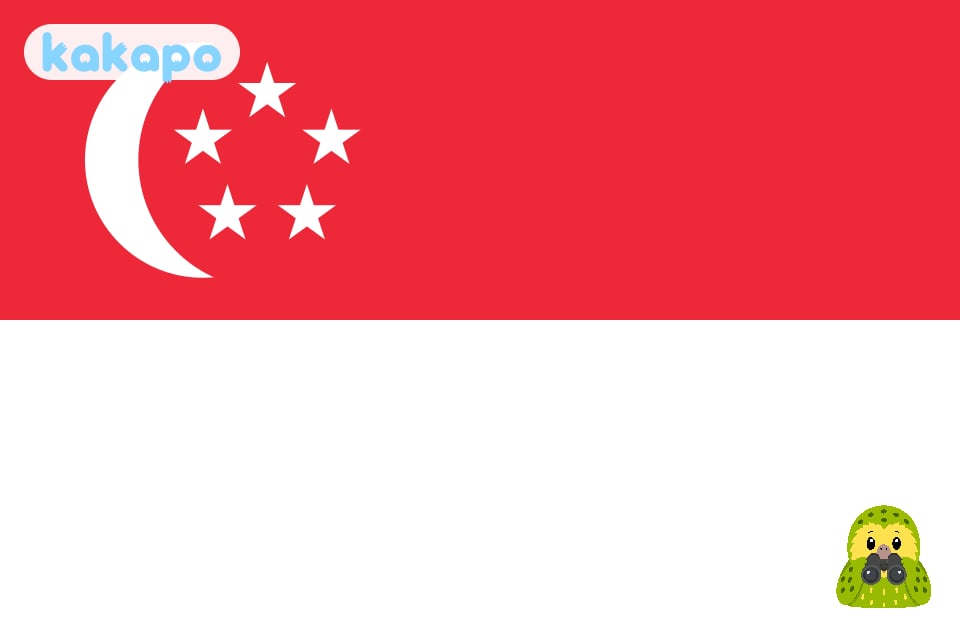
Singapore's reputation for strict laws is real. The list below isn't trivia; each is something fines and arrests happen for.
- Drug trafficking carries a mandatory death penalty for amounts above thresholds (15g heroin, 30g cocaine, 500g cannabis). This is enforced against foreign citizens; multiple executions have happened of citizens of UK, Australia, Africa, neighbouring SE Asian countries. Don't carry anything across the border for anyone.
- Drug possession (any amount) can mean prison + caning + deportation. Including for cannabis legal in your home country.
- Chewing gum: import is illegal; sale is illegal. Possession of small amounts for personal use isn't generally prosecuted but you can't buy or import.
- Vaping: e-cigarettes are illegal to import, possess, or use. Real fines up to S$2,000.
- Smoking: only in designated yellow-box smoking areas. Throwing a cigarette butt: S$300 fine.
- Jaywalking: S$50 fine, enforced.
- Eating or drinking on the MRT: S$500 fine.
- Durian on the MRT: prohibited (the smell). Real signage on every train.
- Public urination: S$1,000 fine.
- Caning as a judicial punishment is real. Applied to drug, vandalism, and certain immigration offences.
Dengue — the actual health risk
Dengue is endemic in Singapore. The National Environment Agency tracks outbreak clusters in real time; thousands of cases per year. Tourists are not exempt.
- Aedes aegypti mosquitos bite during the day. DEET 30%+ during daytime is the relevant precaution.
- Air-conditioned hotels and shopping malls are mosquito-poor.
- Symptoms: high fever, severe headache, muscle/joint pain, rash. Onset 4-10 days after a bite.
- If you suspect dengue: see a doctor at any clinic. Don't take ibuprofen or aspirin — they worsen dengue's bleeding risk. Paracetamol only.
- Free dengue test at any GP clinic.
Heat and humidity — year-round
- Singapore is 1° north of the equator. 30-32°C with 80% humidity is the year-round standard. There's no "cool season."
- Plan around the heat: outdoor sightseeing 8-10am or after 5pm. Mid-day in a mall, museum, or hawker centre.
- Hydrate continuously. Tap water is excellent and free at every food court.
- Sun is intense — equatorial sun. Hat and sunscreen even on cloudy days.
- Afternoon thunderstorms are routine. They pass quickly.
- Haze season (intermittent, June-October) — agricultural fires in Sumatra produce regional haze. PSI (Pollutant Standards Index) can spike to "unhealthy" levels. Singapore's NEA publishes hourly readings.
Areas — and there are no rough ones
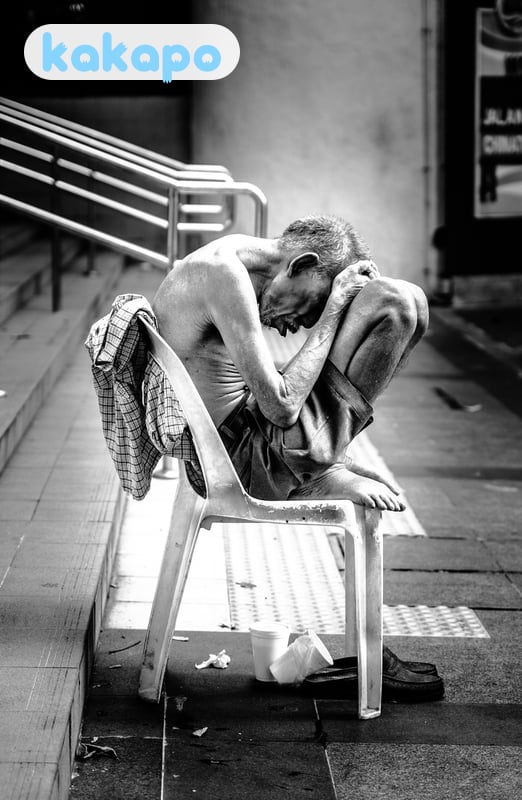
Singapore has no neighbourhoods that visitors should avoid. Geylang (the historical red-light district) operates openly and is heavily policed. Little India and Chinatown are vibrant tourist destinations. The CBD is glass towers; Marina Bay is the Instagram zone; Sentosa is the resort island.
- Geylang: the Friday/Saturday late-night scene is busier and more colourful; daytime it's just a working neighbourhood. Police presence is constant. Tourists do go there for late-night supper after clubs.
- Holland Village, Tiong Bahru, Joo Chiat — established expat-friendly neighbourhoods.
- Hawker centres (Maxwell, Tiong Bahru, Lau Pa Sat, Old Airport Road): not just safe but the heart of the food culture. Hygiene grades are posted on every stall.
MRT, taxis, Changi airport
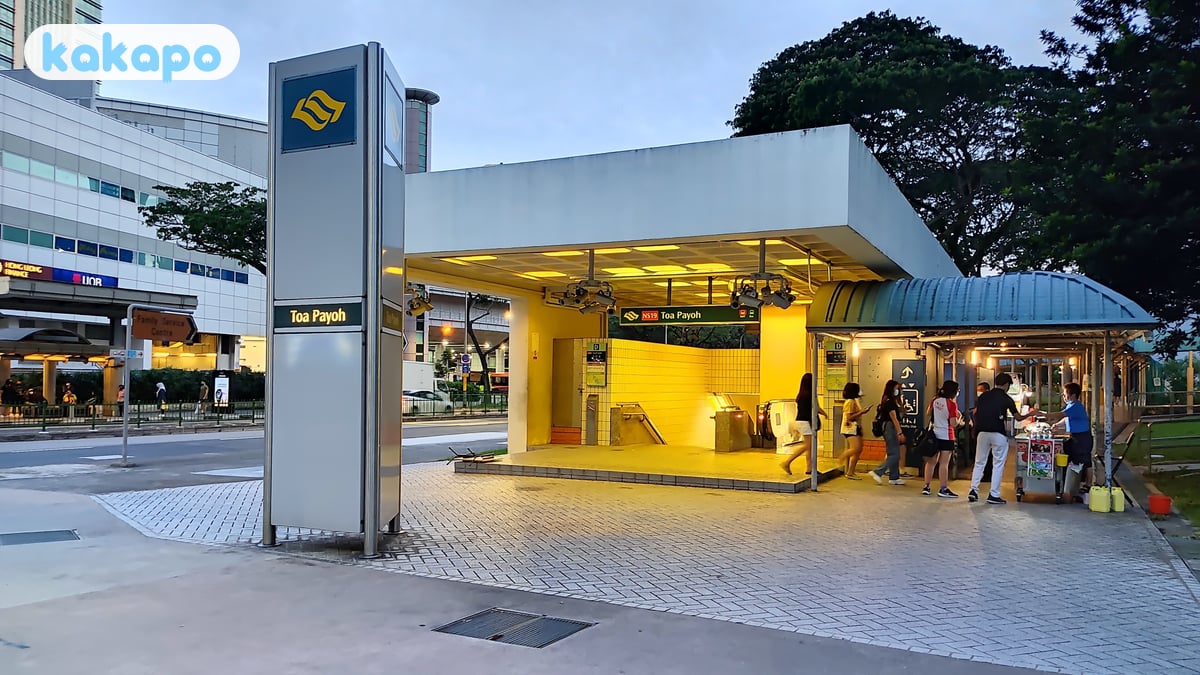
- MRT (red, green, purple, yellow, blue, brown lines) is fast, cheap, and clean. SimplyGo allows tap-and-go with bank cards.
- Taxis: ComfortDelGro, SMRT, Trans-Cab — all metered, all honest, all able to print receipts.
- Grab (the Asian Uber): works perfectly. GoJek also.
- Changi Airport (SIN): MRT to city centre S$2.30, ~30 min. Taxi S$25-35, 20-30 min. Changi Airport itself is regularly voted the world's best.
Neighbourhood-by-neighbourhood breakdown
- Marina Bay and CBD — Marina Bay Sands, Gardens by the Bay, the financial towers, the Esplanade. Polished, very safe, almost nothing open after 23:00 on weeknights.
- Chinatown — Telok Ayer, Maxwell Food Centre, Smith Street. Very safe, dim sum and Hainanese chicken rice central. The Buddha Tooth Relic Temple is a calm escape from the heat.
- Little India — Serangoon Road, Tekka Centre, the Mustafa 24-hour shopping centre. Vibrant, very safe, gets busy on Sundays when the Bangladeshi and Tamil migrant communities congregate.
- Kampong Glam and Bugis — the Malay-Arab quarter (Sultan Mosque, Haji Lane). Cool, full of indie cafés and rooftop bars, very safe.
- Orchard Road — the shopping mile. ION Orchard, Takashimaya, Paragon. Polished, very safe, expensive.
- Tiong Bahru, Joo Chiat, Tanjong Pagar — gentrified heritage neighbourhoods, art-deco Tiong Bahru is the local pick. Lovely cafés, calm, very safe.
- Geylang — historical red-light district that operates openly under heavy policing. Lorong-numbered side streets have legal brothels and unregistered alleys. Famous for late-night supper (frog porridge, BBQ stingray, Hainanese chicken). Tourists go for the food; just stay on the main road if you're not interested in the rest.
If it's your first time visiting
- Best arrival airport: Changi (SIN), repeatedly the world's-best-ranked airport. MRT into city is S$2.30 in 30 minutes (transfer at Tanah Merah for the City Line); regulated taxi to Marina Bay/Orchard is S$25-35 in 25 minutes; Grab is similar. Skip the City Shuttle bus unless you have many bags.
- Buy a SimplyGo EZ-Link card or just tap a contactless bank card on MRT and bus readers. Single fare is S$1.20-2.40 depending on distance, with a daily cap of around S$5. No paper tickets sold anymore.
- Best neighbourhood for your first night: Chinatown or Tanjong Pagar for food and atmosphere; Marina Bay if you want the skyline view; Bugis/Kampong Glam for indie/younger feel; Orchard for shopping convenience. Avoid booking in the deep CBD on a weekend — it's a ghost town after 18:00 Friday.
- Day 1, jet-lag friendly: walk the Marina Bay loop at sunset (Helix Bridge to Gardens by the Bay), watch the 20:00 free Garden Rhapsody light show at Supertree Grove, eat dinner at the Lau Pa Sat hawker centre with Boon Tat Street's satay alley grills outside. All free, all within 2km, all extremely Singapore.
- Common rookie mistakes: bringing a vape into the country (sniffer dogs at Changi will find it, S$2,000 fine and confiscation); eating or drinking on the MRT (S$500 fine, signs are everywhere); jaywalking (S$50 fine, enforced); not removing the plastic spike from a hawker stall plate when "choping" with a packet of tissues; trying to bargain at malls or chain shops (haggling is for the Chinatown markets only); ordering a "coffee" at a kopitiam when you wanted a flat-white-style drink (ask for "kopi C" — kopi with evaporated milk, S$1.50, not espresso).
- Don't carry anything across the border for anyone. Singapore enforces its mandatory death penalty for drug trafficking. This is not a hypothetical; multiple foreign nationals have been executed in the last decade.
- Hawker centre hygiene grades are real. Stick to A or B grades, posted on every stall. C grade is still safe but the queue length is usually a more honest indicator.
- Carry an umbrella always. Afternoon thunderstorms appear in 15 minutes and vanish in 30. The MRT walkway network covers a lot but not enough.
Practical info — emergency numbers
- Police: 999.
- Ambulance / Fire: 995.
- Mount Elizabeth Hospital (private): +65 6737 2666.
- Singapore General Hospital (public): +65 6222 3322.
- Tourist support: Singapore Tourism Board hotline 1800 736 2000.
Bring: a card (Singapore is overwhelmingly card-friendly), an unlocked phone (Singtel, StarHub, M1 prepaid SIMs at the airport), insect repellent (DEET 30%+), reef-safe sunscreen, and a willingness to follow the rules. Tap water is excellent throughout the country.
Frequently asked questions
Is Singapore safe to visit in 2026?
Yes — it's at or near the top of every global safety ranking. UK FCDO and US State Department list Singapore at their lowest advisory levels. Crime against tourists is genuinely rare; CCTV is comprehensive; you can leave a laptop on a hawker-centre table to reserve your seat (the local 'choping' tradition) and it'll still be there. Realistic concerns aren't crime — they're dengue, year-round heat, and the unusually serious legal code.
Is Singapore safe at night?
Yes. Walking at any hour anywhere in Singapore is fine — Marina Bay, Chinatown, Little India, Geylang, Clarke Quay, Sentosa all operate normally late into the night with heavy police presence. The MRT runs until midnight; Grab and ComfortDelGro taxis are abundant 24/7. There are no neighbourhoods visitors should avoid.
Is Singapore safe for solo female travellers?
Yes — among the safest destinations globally for solo women. Solo female travellers report essentially zero issues at any hour. The MRT, hawker centres, and night markets are entirely comfortable solo. Geylang (the historical red-light district) is heavily policed and tourists do go there for late-night supper after clubs — daytime it's just a working neighbourhood.
Can you drink tap water in Singapore?
Yes. Singapore's tap water is excellent — sourced from reservoirs, imported water from Malaysia, and NEWater (reclaimed) plus desalination, all meeting WHO standards. Free at every hawker centre and food court on request. The famous 'four taps' national water strategy is global best-practice.
Are the strict laws a concern for tourists?
Yes — Singapore's strict laws are real and enforced predictably. The headline risk: drug trafficking carries a mandatory death penalty for amounts above thresholds (15g heroin, 30g cocaine, 500g cannabis) — and is regularly enforced against foreign citizens, including UK, Australian, and African nationals in recent years. Don't carry anything across the border for anyone. Drug possession of any amount can mean prison plus caning plus deportation, including for cannabis legal in your home country. Other enforced laws: vaping illegal to import/use (S$2,000 fine), chewing gum illegal to import/sell, eating or drinking on the MRT (S$500 fine), jaywalking (S$50 fine), public urination (S$1,000 fine), smoking outside designated yellow boxes (S$300 fine). Caning is a real judicial punishment.
How do I avoid dengue in Singapore?
DEET 30%+ during daytime — Aedes aegypti mosquitos bite during the day, not at night. Singapore's National Environment Agency tracks outbreak clusters in real time and thousands of cases occur per year; tourists aren't exempt. Air-conditioned hotels and shopping malls are mosquito-poor. Symptoms (high fever, severe headache, muscle/joint pain, rash) appear 4-10 days after a bite. If you suspect dengue, see a doctor at any clinic — and crucially, don't take ibuprofen or aspirin, which worsen dengue's bleeding risk. Paracetamol only. Free dengue tests at any GP clinic.
Sources
Run a business in Singapore?
Show visitors your Singapore business is a safe choice. The free Verified by Kakapo badge puts Singapore's live safety score on your website, links back to your verified page, and updates itself. No cost.
Get the free badge →