


Is Johannesburg, South Africa Safe? A 2026 Travel Safety Guide
The South Africa-wide crime context, Sandton vs CBD reality, the don't-walk-at-night rule, township-tour ethics, and the realistic risks of South Africa's biggest city.

Johannesburg has the South Africa-wide reputation for crime, and the statistics genuinely are higher than in Cape Town. The realistic risks for visitors are the property-crime context (smash-and-grab from cars, phone-snatching, hijackings), the safe-vs-unsafe district geography (Sandton, Rosebank, Melrose Arch, Maboneng are tourist-OK; the historic CBD and Hillbrow are not for casual walking), the road infrastructure (Joburg traffic + occasional protest-related disruption), and the "don't walk at night, ever" rule that applies even in upscale Sandton.
South Africa sits at Level 2 on the US State Department's advisory list ("exercise increased caution due to crime, civil unrest, and drought"). UK FCDO is similar. The honest framing for first-time visitors: Joburg is large (~5.7 million in city, 10 million metro). Most international visitors stay in Sandton (the modern business + financial district), Rosebank, or Melrose Arch — all upscale, gated, with good restaurants and shopping. The Apartheid Museum, Soweto (organised tour only), Constitution Hill, and the Cradle of Humankind are the visitor anchors. Most visitors stay 1-2 nights and continue to safari (Kruger NP) or Cape Town.
The honest Joburg-vs-Cape Town comparison: Joburg's reported crime rate is roughly double Cape Town's on most metrics and the violent-crime numbers are genuinely worse. Cape Town is the easier first-trip city — the V&A Waterfront and Camps Bay tourist envelopes are walkable in ways Sandton-to-Rosebank simply isn't. Joburg's compensation is that it is a real African city with the country's most serious cultural and political-history sites (Apartheid Museum, Constitution Hill, Mandela House, Hector Pieterson Memorial), an excellent restaurant scene in the Sandton/Rosebank/Melrose Arch axis, and the Cradle of Humankind UNESCO site 50 km out. Treat it as a destination, not a stopover, and the Uber-everywhere rule is the price of entry. SAPS (South African Police Service) response is patchy; the private-security model (ADT, Fidelity) is what actually shows up.
| Night safety | 23/100 |
|---|---|
| Scam / petty-crime risk | High |
| Violent crime (tourists) | High |
| Most common scams | smash-and-grab from cars; phone-snatching; hijackings |
| Safer neighbourhoods | Sandton, Rosebank, Melrose Arch |
| Data sources cited | 4 |
| Last verified |
What the score means — 41/100
- Healthcare (80) — Netcare and Mediclinic facilities are world-class private; medical-tourism destination.
- Air quality (78) — moderate. Highveld inversions in winter; mining-belt dust.
- Transport (64) — Gautrain (excellent for tourists) + uberised rest; matatu-equivalents not for tourists.
- Personal safety (52) — the lowest among major capitals we cover. Drives the overall score down.
Areas — Sandton, Rosebank, Melrose Arch, Maboneng
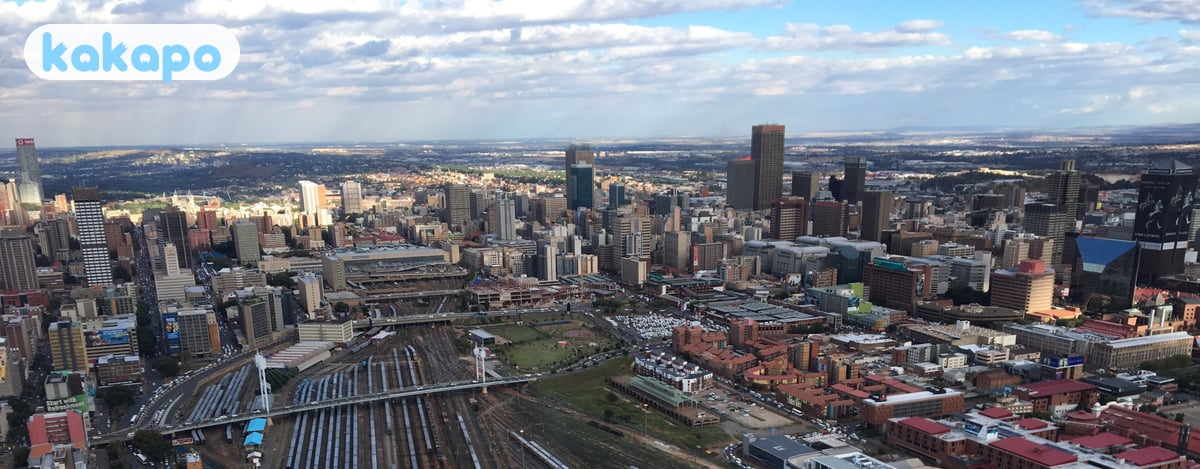
Recommended for visitors: Sandton (Africa's richest square mile; modern business district; very safe inside the gated complexes; Mandela Square is the main public space). Rosebank (gentrified, the African Craft Market, restaurants). Melrose Arch (gated mixed-use development). Maboneng Precinct (gentrified arts district near downtown — daytime fine; evening with caution).
Stay aware: the historic CBD (around Marshalltown / Newtown — daytime only with awareness; Apartheid Museum, Constitution Hill OK by Uber direct). Hillbrow (don't go casually — historic high-crime apartment district). Around Park Station / Bree taxi rank at night. Yeoville, Berea, Joubert Park.
Don't go casually: outer townships independent of organised tours. Joburg has South Africa's largest informal settlements + high-tension areas.
The basic Joburg rules
- Don't walk at night: even in Sandton or Rosebank. Always Uber.
- Don't walk in the CBD without local company / awareness.
- Don't use ATMs on the street: only inside bank branches or shopping malls.
- Don't display phones, jewellery, expensive watches: anywhere outside the gated mall environments.
- Don't drive at night with windows down: smash-and-grab from cars at red lights is documented.
- If carjacked: don't resist. Hand over the car. Most carjackings are property crimes; resistance escalates.
- Don't stop for staged accidents: a documented Joburg pattern is a small "fender bender" being staged to lure drivers out.
Soweto — the township-tour ethics
- Soweto: South-Western Townships. ~1.3 million people. The Mandela House, the Hector Pieterson Memorial, Vilakazi Street.
- Don't go alone: independent visits aren't safe. Organised tours are standard.
- Reputable tour operators: Soweto Bicycle Tours, Lebo's Soweto Backpackers, Imbizo Tours, Past Experiences.
- Township-tourism ethics: a real debate. Better operators are community-led, share revenue with locals, and frame the visit as cultural-historic rather than "poverty tourism".
- Don't photograph residents without permission.
- Half-day tour: ~R600-1,200 ($30-60).
The Apartheid Museum and historic sites
- The Apartheid Museum: world-class. R150 ($8). Plan 3-4 hours. Sober and essential.
- Constitution Hill: former prison + Constitutional Court site. R85.
- Both: take Uber direct, don't walk in.
- Hector Pieterson Memorial (Soweto): usually as part of organised Soweto tour.
- Cradle of Humankind: 50 km north-west; UNESCO. Sterkfontein Caves + Maropeng visitor centre. Half-day organised tour.
Transport — Gautrain, Uber, the airport
- Gautrain: high-speed train linking OR Tambo airport, Sandton, Rosebank, Park Station, Pretoria. The single best tourist transit option. R150-200 depending on route.
- Uber and Bolt: both work; cheap; the default for everything else.
- Don't use minibus taxis: not for tourists.
- OR Tambo International Airport (JNB): 25 km east of Sandton. Gautrain to Sandton R200, 15 min direct. Uber R350-500.
- Don't drive yourself as a casual tourist; Joburg traffic + smash-and-grab risk + protest-disruption + the "Sandton driver style" all add stress.
Money, food, the cost story
- Currency: South African rand (ZAR).
- Cards: universal in Sandton; tap-to-pay normal.
- ATMs: inside banks/malls only.
- Tipping: 10-15% restaurants; 10% taxis; R10-20 for car-guards (the men who direct you to parking spaces).
- Cost: meals R200-500 ($11-28) at mid-range Sandton restaurants.
- Tap water: safe in Joburg.
Districts — Sandton, Rosebank, Maboneng, Soweto
- Sandton — "Africa's richest square mile". The modern business + financial district 25 km north of the historic CBD: the JSE (Johannesburg Stock Exchange), Sandton City mall, Nelson Mandela Square, and the gated hotel-and-office cluster that most international visitors call home. Walking inside the gated complexes (mall to hotel to restaurant) is fine; walking between complexes is not — always Uber, even short distances. Best first-trip neighbourhood.
- Rosebank — gentrified, 8 km from Sandton. The African Craft Market on Sundays, the Rosebank Mall, the Goodman Gallery, and a serious restaurant cluster. Walkable in the immediate Oxford Road core; same Uber-between-zones rule for transfers. Gautrain station here connects directly to OR Tambo.
- Melrose Arch — fully gated mixed-use development between Sandton and Rosebank. Hotels (The African Pride, The Park Hotel), restaurants and bars all inside one secured perimeter. The closest thing in Joburg to walking around a small European piazza after dark.
- Maboneng Precinct — gentrified arts-and-design district at the eastern edge of the CBD. Market on Main on Sundays, Arts on Main, the restored warehouse galleries. Daytime is fine and worthwhile; evening with caution and a group; Uber both ways. The wider Jeppestown area surrounding it is rougher than Maboneng proper.
- Newtown — cultural district on the western CBD edge. The Market Theatre, Sci-Bono, Museum Africa, the Sunday food markets. Visit by direct Uber by day with a group; not a casual walk-around-from-the-hotel zone.
- Soweto — the South-Western Townships, 1.3 million people, the most important historical-tourism site in the country. Mandela House, Hector Pieterson Memorial, Vilakazi Street (the only street in the world to have housed two Nobel laureates — Mandela and Tutu), Regina Mundi Church. Organised tours only (Soweto Bicycle Tours, Lebo's Soweto Backpackers, Imbizo, Past Experiences). Half-day R600-1,200 ($30-60). Don't go independently.
- Gautrain — high-speed rail connecting OR Tambo Airport ↔ Sandton ↔ Rosebank ↔ Park Station ↔ Pretoria. The single best transit decision a tourist can make. R200-ish OR Tambo to Sandton, 15 minutes, every 12 minutes in peak hours. Use the Gautrain Card or contactless EMV at the gate. Safer than driving yourself and faster than an Uber in traffic.
- OR Tambo International Airport (JNB) — 25 km east of Sandton. Gautrain to Sandton is the right answer (R200, 15 min, direct). Uber R350-500 depending on traffic. Pre-booked transfer through the hotel is the high-end option. Never accept "airport taxi" touts at the kerb; use the official rank or rideshare from the dedicated pickup level.
- Apartheid Museum + Constitution Hill (CBD) — both essential, both visit by direct Uber by day. Apartheid Museum R150 ($8), allow 3-4 hours, sober and world-class. Constitution Hill (former prison + Constitutional Court) R85, allow 2 hours.
- Honest safety-vs-Cape-Town — Joburg's homicide and violent-crime rate is materially higher than Cape Town's; Cape Town is the easier first-trip South Africa city. Joburg's compensation is the historical sites, restaurant scene, and Cradle of Humankind. Treat it as a 2-3 night purposeful stop, not a casual stroll-around city.
If it's your first time visiting
- Best arrival — Gautrain from OR Tambo to Sandton is R200, 15 minutes, every 12 minutes at peak. The single best transport decision. Pre-booked hotel transfer R450-650 is the high-end alternative; Uber R350-500 works but takes 30-60 min in traffic. Never the unmarked "airport taxi" touts.
- Best neighbourhood for your first night — Sandton (Radisson RED, The Maslow, Sandton Sun, Saxon Hotel for the splurge at R6,000+), Rosebank (The Capital On Park, Hyatt Regency), or Melrose Arch (The African Pride, AC Hotel by Marriott). Mid-range R1,500-3,500. All have on-site dining, security, and Gautrain access.
- Uber for everything, every distance — even mall-to-hotel 400 m hops. Joburg's geography is car-shaped and the property-crime risk on the walking gaps is the entire point of the local rule. Uber and Bolt both work; cheap (R40-120 for most rides); pay through the app.
- Don't display — phones, jewellery, expensive watches, designer bags should stay invisible outside the gated mall environments. Use ATMs inside bank branches or shopping malls only, never on the street. Don't use phones at red lights with windows down (smash-and-grab is documented).
- The Apartheid Museum + Constitution Hill day — Uber direct to Apartheid Museum (R150 entry, allow 3-4 hours), Uber direct to Constitution Hill (R85, allow 2 hours), Uber back to your hotel. Don't combine on foot. This is the day that justifies Joburg as a destination.
- Soweto — organised tour, not independent — Soweto Bicycle Tours, Lebo's Soweto Backpackers, Imbizo Tours, or Past Experiences. Half-day R600-1,200, community-led, revenue flows to local guides. Don't photograph residents without permission. Township-tourism ethics are real; community-led operators that visit local projects (creches, art collectives, a shebeen meal) are the more defensible choice.
- Money + cards — South African rand (ZAR). Tap-to-pay everywhere in Sandton; ATMs only inside banks or malls. R10-20 to car-guards in parking lots is the norm, not the R100 sometimes demanded. Tipping 10-15% restaurants, 10% taxis. USD/EUR cash backup useful.
- If carjacked or robbed — don't resist. Hand over the car, phone, wallet. Most Joburg robberies are property crimes; resistance escalates. File the police report at the nearest SAPS station the next day for insurance. The Tourist Police at Sandton Convention Centre is English-speaking and the path of least friction.
- Common rookie mistakes — walking the 400 m from Sandton mall to your hotel ("it's just there"); using a street ATM; driving yourself (Joburg traffic + smash-and-grab risk + protest disruption + the "Sandton driver style"); stopping for a small "fender bender" at a quiet intersection (drive on to a petrol station or SAPS station and report from there); booking a hotel near Park Station for the rail access (rates exist for a reason); trying to "see Hillbrow" or Yeoville casually.
Practical info — emergency numbers
- Police (SAPS): 10111.
- Ambulance (ER24, Netcare 911): 084 124 or 082 911.
- Tourist Police: at Sandton Convention Centre and major tourist points.
- Sandton Mediclinic: +27 11 709 2000.
- Netcare Park Lane Hospital: +27 11 480 4500.
Bring: discreet clothing (no flashy watches/jewellery in central Joburg), an SA SIM (Vodacom, MTN, Cell C) at the airport, a contactless card, USD/EUR cash backup, and travel insurance with full medical coverage. Use Uber for everything; don't walk after dark; book Soweto + CBD via reputable organised tours only.
Frequently asked questions
Is Johannesburg safe to visit in 2026?
Yes, in the tourist zones, with serious discipline on the basic rules. US State Department lists South Africa at Level 2 (exercise increased caution, citing crime, civil unrest, and kidnapping) and UK FCDO similarly warns about violent crime. Joburg's published crime statistics are higher than Cape Town's, but visitor experiences inside Sandton, Rosebank, Melrose Arch, and Maboneng (daytime) are manageable. The realistic risks are smash-and-grab from cars, hijackings, phone-snatching, and 'walking somewhere you shouldn't' more than violent stranger attack. Most international visitors stay 1-2 nights as a transit before Kruger or Cape Town.
Is Johannesburg safe at night?
Inside the gated Sandton, Rosebank, and Melrose Arch complexes — bars, restaurants, malls — yes. Walking between them, even short distances, is not advised at any hour. Always Uber. Hillbrow, Yeoville, Berea, and the area around Park Station/Bree taxi rank are unsafe at night. The CBD empties out and gets riskier after dark — visit Constitution Hill and the Apartheid Museum by direct Uber by day. The Maboneng arts district has gentrified but still feels edgier in the evenings; go with a group and Uber both ways.
Is Johannesburg safe for solo female travellers?
Manageable in the Sandton/Rosebank gated complexes with strict adherence to the Uber-everywhere rule. Don't walk anywhere after dark, even short stretches in Sandton; mall-to-hotel is Uber. Don't display phones, jewellery, or expensive watches outside gated zones. Use Gautrain for airport, Uber/Bolt for everything else. Soweto and CBD only via reputable organised tours, not solo. South African private hospitals (Netcare, Mediclinic) are world-class if anything happens — make sure your travel insurance covers private care.
Can you drink tap water in Johannesburg?
Yes. Joburg's tap water is treated to drinking standards and routinely consumed by residents. Restaurants serve tap by default. The Highveld water supply is generally reliable, though intermittent infrastructure outages happen — bottled water is widely available as a backup if you prefer.
What's the biggest scam to avoid in Johannesburg?
Staged accident hijackings — a small 'fender bender' is engineered to lure drivers out of their vehicle, which is then taken. If a minor accident happens at a quiet intersection or in a sketchy area, drive (carefully) to the nearest petrol station or police station and call 10111 from there. Other recurring patterns: ATM 'helpers' who skim cards (use bank-branch or mall ATMs in daylight only, never street ATMs); unmarked 'airport taxi' touts at OR Tambo (use Gautrain to Sandton, or the official taxi rank, or pre-booked Uber); and car-guard intimidation in parking lots (R10-20 is the norm, not the R100 sometimes demanded — pay what's fair).
Is Soweto safe to visit?
Yes, via organised tours; no, independently. Soweto is a township of roughly 1.3 million people and includes major historic sites — the Mandela House on Vilakazi Street, Hector Pieterson Memorial, Regina Mundi Church. The Apartheid history makes it essential context for understanding South Africa. Use reputable community-led operators (Soweto Bicycle Tours, Lebo's Soweto Backpackers, Imbizo Tours, Past Experiences) — half-day tours run R600-1,200 ($30-60) and revenue typically flows to local guides and projects. Don't photograph residents without permission. The wider township-tourism ethics debate is real; community-led operators that involve a local guide who lives in the area and visit community projects (creches, art collectives, a shebeen meal) are the more defensible choice.
Recent travel news for Johannesburg
All travel news →Johannesburg: Nearly 300 Ghanaians repatriated after anti-immigrant protests
Almost 300 Ghanaian nationals were voluntarily repatriated from Johannesburg on May 28, citing safety concerns amid waves of anti-immigrant protests across South Africa.
Johannesburg: Rising anti-migrant attacks reported across South Africa
Anti-migrant violence is increasing in South Africa, posing potential risks to foreign visitors in major cities including Johannesburg.
Sources
Run a business in Johannesburg?
Show visitors your Johannesburg business is a safe choice. The free Verified by Kakapo badge puts Johannesburg's live safety score on your website, links back to your verified page, and updates itself. No cost.
Get the free badge →