


Is Nanjing, China Safe? A 2026 Travel Safety Guide
The 1937 Massacre Memorial, summer 'furnace' heat, the HSR from Shanghai, the city wall, and the realities of one of China's most-historically-charged cities.

Nanjing — population ~9.5 million, capital of Jiangsu province on the Yangtze River — is one of China's most historically-significant cities. It served as capital during multiple dynasties (Six Dynasties, Ming, Republic of China 1912-1949) and is the site of the December 1937-January 1938 Nanjing Massacre by invading Japanese forces. Crime against tourists is rare; the city has good universities, decent English support at major hotels, and major HSR connectivity to Shanghai (90 min).
The honest concerns are mostly environmental and historical. Nanjing summers are among China's hottest — Nanjing is one of the four "furnaces of China" alongside Wuhan, Chongqing, and Hangzhou; July-August routinely 35-40°C with humidity. The Nanjing Massacre Memorial is a major and sober destination — visiting respectfully matters and the emotional weight is real (350+ thousand deaths memorialised). The city wall (the world's longest surviving city wall) and Sun Yat-sen Mausoleum involve significant outdoor walking. The standard mainland-China cashless / blocked-internet rules apply.
The US State Department lists China at Level 2; UK FCDO has no specific Nanjing advisories. Both note the standard China-context concerns rather than tourist-street risks.
For 2026, the practical update is the 240-hour transit visa-free programme — Nanjing is one of the approved entry/exit ports for 54 nationalities, meaning many Western visitors can now do a Shanghai-Nanjing-Hangzhou-Shanghai loop on a 10-day transit-visa-free itinerary without applying for a tourist visa. The Nanjing Lukou Airport's new Terminal 2 (opened mid-2024) added direct connections to Tokyo Haneda, Osaka, Seoul, Singapore, Frankfurt, and Sydney, reducing the historic reliance on Shanghai-transit entry. Alipay Tour Pass and WeChat Pay foreign-card linking both work — set up before flying. And the Nanjing Massacre Memorial's online timed-ticket booking via the official WeChat mini-program is now required for every visit; walk-ups have been turned away since 2022, and the limited daily admission means booking 1-3 days ahead is essential, especially around the 13 December National Day of Mourning when the entire city marks the anniversary with sirens at 10:01.
| Night safety | 80/100 |
|---|---|
| Scam / petty-crime risk | Medium |
| Violent crime (tourists) | Low |
| Most common scams | pickpocketing in tourist crush zones at Confucius Temple |
| Safer neighbourhoods | Xinjiekou, Confucius Temple area, Hexi New District |
| Data sources cited | 4 |
| Last verified |
What the score means — 86/100
- Personal safety (90) — high. Nanjing is calm; petty pickpocketing in tourist crush zones at Confucius Temple is the main risk.
- Transport (88) — Nanjing Metro 13 lines; HSR connects to Shanghai (90 min) and Beijing (4 hr); Nanjing Lukou International Airport (NKG).
- Healthcare (80) — Nanjing Drum Tower Hospital and Jiangsu Provincial People's Hospital regional referrals; international clinic options thinner than Shanghai.
- Air quality (64) — moderate-poor; Yangtze Delta industrial regional pollution; winter inversions push PM2.5 unhealthy.
The Nanjing Massacre Memorial — visiting respectfully
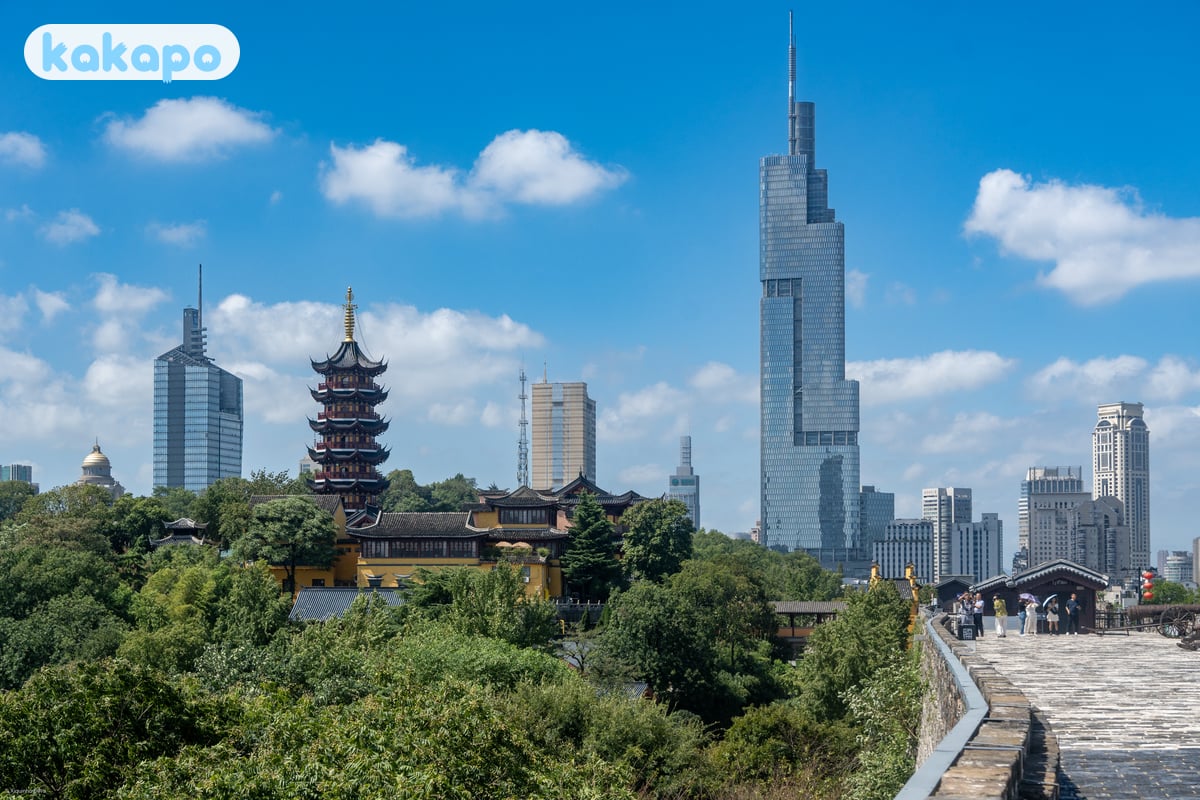
From 13 December 1937 through January 1938, invading Imperial Japanese forces conducted a six-week massacre of Nanjing's civilian population and surrendered Chinese soldiers. The Chinese Communist Party's official figure is 300,000 dead; international historians estimate 200,000-300,000 killed plus 20,000-80,000 women raped. The Nanjing Massacre Memorial Hall (also called the Nanjing Massacre Memorial) is China's main commemorative site.
- Where: Jiangdongmen, southwest Nanjing; Metro Line 2 to Yunjin Lu station; free entry but timed-ticket booking via official WeChat mini-program 1-3 days ahead (limited daily admission).
- What's there: Excavation of mass burial pits (real human remains visible behind glass — emotionally heavy); Hall of Names; large-scale memorial sculptures by Wu Weishan; Peace Plaza. Allow 3-4 hours.
- Etiquette: solemn behaviour expected; no posing for cheerful selfies; quiet voices; no flash photography in the burial-pit gallery; respectful dress (covered shoulders preferred); Japanese visitors specifically welcomed but should be aware of the emotional weight.
- Children: not appropriate for under-12s; the bone gallery is genuinely distressing.
- Annual commemoration: 13 December National Day of Mourning; sirens sound across Nanjing at 10:01 (the time of the 1937 attack); particularly intense visiting day.
- Don't politicise online: posts about the memorial that minimise events have caused significant public reaction; Chinese law has criminalised "denialism" of the Nanjing Massacre and Imperial-Japanese atrocities.
- Don't bring Japanese imperial-era flags or symbols: severe public backlash; recently a young Chinese tourist was detained for posing with such items.
- Visiting Japanese visitors: welcome and treated respectfully; the memorial frames events as a Japanese-government failure of imperial-era leadership rather than collective Japanese guilt.
Summer heat — Nanjing's furnace status
- Numbers: July-August 33-40°C with high humidity (75-85%); heatwave events 40-43°C+. Nanjing is one of the four traditional "furnaces of China".
- Why: Yangtze Delta basin geography traps heat; urban-heat-island effect; humid Pacific air mass.
- Heatstroke: ED admissions spike summer; tourists who underestimate over-represented.
- Defences: aggressive hydration (3-4L water/day); indoor mid-day breaks (Deji Plaza, Xinjiekou underground city, malls AC-cold); avoid 11:00-15:00 outdoor activities; cotton long sleeves.
- Best windows: April-May (cherry blossom + warm), October-November (autumn foliage at Sun Yat-sen Mausoleum); avoid July-August.
- Cool weather (Dec-Feb): 0-10°C; rare snow; pleasant for sightseeing.
- Sandstorms: occasional spring kosa events from Inner Mongolia push PM10 sky-high for 1-3 days.
HSR from Shanghai and the regional access
- Shanghai-Nanjing HSR: 350 km/h; 1 hour 30 min on the fastest service (G-class trains); CNY 130-220 second class. Multiple departures per hour from Shanghai Hongqiao to Nanjing South.
- Most international visitors arrive via Shanghai: Pudong (PVG) or Hongqiao (SHA); Shanghai-Nanjing HSR connects directly from Hongqiao. Pudong-Nanjing requires Maglev or Metro to Hongqiao first, then HSR (3 hours total).
- From Beijing: 4-5 hours by HSR (Beijing-Nanjing G-class trains); CNY 470-780 second class.
- Nanjing Lukou International Airport (NKG): 35 km south of city; direct flights to Asian hubs. Metro Line S1 to Nanjing South station CNY 7 (40 min); taxi CNY 100-150.
- Nanjing Metro: 13 lines and growing; comprehensive coverage; CNY 2-9 per ride.
- Within the city: walk for the Confucius Temple area; Metro for cross-city; Didi works.
Ming City Wall and the historical sites
- Ming City Wall: world's longest surviving city wall — 35 km of preserved Ming-era ramparts, 14 km walkable. CNY 30-60 per section; segments include Zhonghua Gate, Jiefang Gate, Taiping Gate.
- Best sections: Zhonghua Gate (the Treasure Gate) is the largest preserved gate complex in the world and includes museum.
- Walking the wall: parts uneven; sturdy shoes; carry water; no shade.
- Sun Yat-sen Mausoleum (Zhongshan Ling): free entry but timed-ticket booking; 392 steps to the top of the mausoleum; impressive Ming-style monumental architecture; allow half-day.
- Confucius Temple (Fuzimiao): working temple + restored Qing-era pedestrian district; pickpocket precautions in dense crowds; cheap street food; evening illumination on the Qinhuai River is photogenic.
- Ming Xiaoling Mausoleum: UNESCO; the 14th-century tomb of Ming founder Zhu Yuanzhang; sacred way with stone elephants and warriors.
- Photography: drones banned at Sun Yat-sen Mausoleum and most heritage sites; ask permission for people photos.
Areas — Xinjiekou, Confucius Temple, Hexi
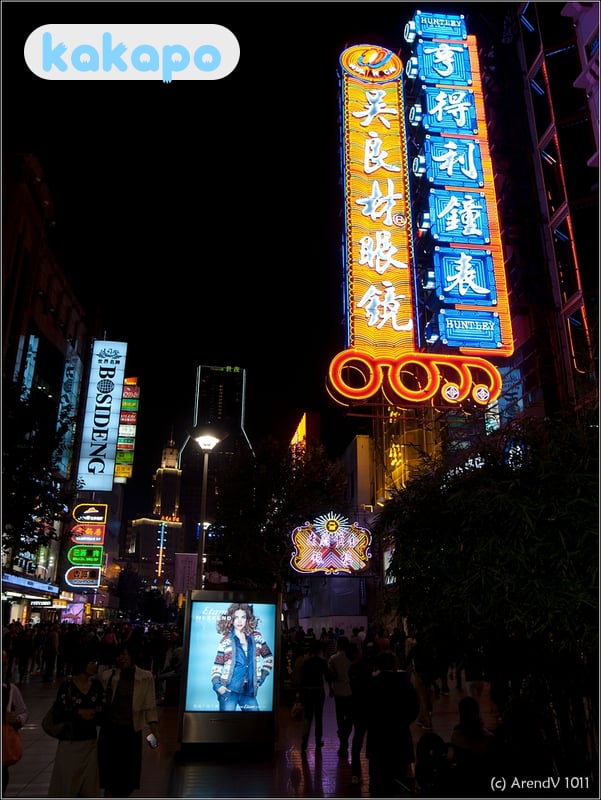
Recommended bases: Xinjiekou (central commercial) — the city's main commercial hub; international hotels (Crowne Plaza, Sofitel Galaxy, InterContinental Nanjing). Confucius Temple area — heritage atmosphere; mid-range boutique hotels. Hexi New District — modern business district; newer hotels; less character.
Stay aware: Confucius Temple area at peak crowd times — pickpocket precautions. Xinjiekou underground at night — busy commercial; petty precautions.
There are no genuinely dangerous neighbourhoods in central Nanjing.
Nanjing's districts — where to stay and what's where
- Xinjiekou (新街口) — the central commercial core, often called "China's First Commercial Street", with the Deji Plaza and Jinying World shopping complexes, Metro Lines 1 and 2 crossing at Xinjiekou Station, and the Sun Yat-sen statue at the centre roundabout. The international hotels (Crowne Plaza, Sofitel Galaxy, InterContinental Nanjing in the 450m Zifeng Tower, Westin Nanjing at ¥600-1,800/night) cluster here. Walkable to the Confucius Temple area in 25 minutes; the best base for first-time visitors. The Xinjiekou underground city is a labyrinth — easy to get lost.
- Confucius Temple / Fuzimiao (夫子庙) — the restored Qing-era heritage district on the Qinhuai River, southeast of Xinjiekou. The working Confucius Temple (¥30), Jiangnan Examination Hall museum, and a pedestrianised commercial street with cheap street food, snack stalls (try the salty Nanjing duck buns and the duck-blood soup), and evening illumination of the Qinhuai canal banks. Boat rides on the canal (¥60-100). Pickpocket precautions in dense crowds; otherwise calm and atmospheric. Mid-range boutique hotels at ¥350-700.
- Zhongshan and the Purple Mountain (紫金山·中山陵) — the historic-scenic district in eastern Nanjing, accessible via Metro Line 2 to Xiamafang Station. Contains the Sun Yat-sen Mausoleum (Zhongshanling, free entry but timed-ticket booking; 392 steps to the top), Ming Xiaoling Mausoleum (UNESCO, ¥70, the 14th-century tomb of Ming founder Zhu Yuanzhang with the famous Stone Elephant Way), and Linggu Temple. Allow a full half-day; the climb to the Mausoleum is genuinely tiring in summer heat.
- Hexi New District (河西新区) — modern business district west of central, anchored by the Olympic Sports Center and the Jiangsu Grand Theatre. New 5-star hotels (Kempinski, Jumeirah Nanjing at ¥1,200-3,500); cleaner air; less character. Best for business travel or quieter resort-style stays.
- Gulou and Drum Tower area (鼓楼) — north of Xinjiekou, around the Ming-era Drum Tower (Gulou). The Nanjing Drum Tower Hospital (the city's top hospital with English support) is here; Nanjing University's main campus is two blocks west. Mid-range hotels and a calmer student-and-residential vibe.
- Jiangdongmen / Massacre Memorial area (江东门) — the Memorial Hall sits in southwest Nanjing, accessed by Metro Line 2 to Yunjin Lu. The immediate surroundings are residential and quiet; visitors typically come for the Memorial and leave. Allow 3-4 hours for the Memorial Hall itself; not appropriate for under-12s.
- Ming City Wall sections (明城墙) — the world's longest surviving city wall, 35 km of preserved Ming-era ramparts (14 km walkable). The most-visited sections: Zhonghua Gate (Treasure Gate, the largest preserved gate complex in the world, ¥50 entry); Jiefang Gate near Xuanwu Lake (¥30); Taiping Gate. Brick paving; carry water; minimal shade.
- Xuanwu Lake Park (玄武湖) — the lake-park north of the old city walls. Free entry, 4 km circumference walk, paddle-boat rental (¥40-80), small islands connected by bridges. The Nanjing Eye pedestrian bridge nearby is a popular night viewpoint. Family-friendly.
If it's your first time in Nanjing
- Set up Alipay Tour Pass and WeChat Pay before flying. Both now reliably accept foreign Visa/Mastercard. The SMS-verification setup is much easier on your home SIM. Without these, you'll struggle at Metro vending machines, taxis, and most small restaurants.
- 240-hour transit visa-free covers Nanjing for 54 nationalities arriving via Nanjing Lukou (NKG) or transiting through Shanghai/Beijing/Hangzhou — confirm the current list at the Chinese embassy site before booking.
- VPN before arrival. Google, Gmail, Facebook, Instagram, X, WhatsApp, and most Western news are blocked. Download Astrill, ExpressVPN's China-tuned config, or NordVPN at home — VPN provider sites are themselves blocked from inside China. The cleanest workaround for short trips is a Hong Kong-routed eSIM (3HK, Nomad, Airalo HK plans) which bypasses the firewall.
- From Nanjing Lukou Airport (NKG): Metro Line S1 to Nanjing South station ¥7 (40 min) then transfer to Metro Line 1 or 3 for central; Didi ¥100-150 (40-50 min). From Shanghai, the HSR is the default — Shanghai Hongqiao to Nanjing South takes 90 min, ¥130-220 second class, multiple departures per hour.
- Best first-night base: Xinjiekou (Crowne Plaza, Westin, Sofitel Galaxy at ¥700-1,800 a night) for central convenience; Confucius Temple area (boutique hotels at ¥350-700) for heritage atmosphere; Hexi (Kempinski, Jumeirah at ¥1,200-3,500) for modern resort-style. Skip first-night bookings in Gulou unless you're university-affiliated.
- Book the Nanjing Massacre Memorial timed-entry ticket 1-3 days ahead via the official WeChat mini-program (free entry but capped daily admission). The visit takes 3-4 hours; expect emotional weight. Quiet voices, solemn behaviour, no posing for cheerful selfies, no flash in the bone gallery, modest dress. Not appropriate for under-12s — the burial-pit gallery is genuinely distressing. Don't bring or display Japanese imperial-era symbols (Chinese tourists have recently been detained for this).
- Eat Nanjing duck. Yan-shui-ya (salted duck) is the signature — Han Fu Xing and Lao Pian Pian are the long-running chains, ¥40-80 for a half-duck portion. Duck-blood soup (ya xie tang, ¥15-25) is the secondary specialty. Xiao long bao here are called "tang bao" and the Confucius Temple branch of Lao Pian Pian is the tourist standard. Avoid the immediate Sun Yat-sen Mausoleum approach restaurants (overpriced).
- Summer survival rules (Jul-Aug): Nanjing is one of China's "four furnaces" alongside Wuhan, Chongqing, and Hangzhou — daytime 33-40°C with 75-85% humidity. Aggressive hydration (3-4L water per day); indoor mid-day breaks at Deji Plaza, Xinjiekou underground, or the AC-cold malls; avoid 11:00-15:00 outdoor activities; carry an umbrella for shade (very common locally). The Sun Yat-sen Mausoleum climb is brutal in July — go early morning or skip it that season.
- Cash: ¥500-1,000 backup. ICBC, Bank of China, and HSBC ATMs accept foreign Visa/Mastercard. Most Metro vending machines now accept WeChat Pay/Alipay QR; some still need cash or a transport card (NJtongkachi).
- Common rookie mistakes: skipping VPN setup before flying; not booking Massacre Memorial entry ahead; visiting the Memorial with kids under 12; expecting English signage outside major hotels and headline sites (it's thinner than Shanghai or Beijing — translation app essential); underestimating summer heat; trying to walk the full 14km of the Ming City Wall in one day; forgetting passport for HSR booking and boarding (mandatory); attempting to download a VPN after arrival (provider sites blocked).
Money, food, emergency numbers
- Currency: Chinese yuan (CNY/RMB). $1 ≈ CNY 7.2.
- Cards: foreign Visa/Mastercard increasingly accepted at chains; small shops cashless via Alipay or WeChat Pay (set up Alipay's Tour Card before arriving).
- Tipping: not customary.
- Food: Nanjing cuisine — salted duck (yan shui ya, the city's signature), duck blood soup (ya xie tang), Confucius Temple street food, xiao long bao (also called Tang Bao here). The Lao Pian Pian Confucius Temple branch is a tourist standard.
- Tap water: not drinkable. Bottled.
- Internet/VPN: Google, Facebook, Instagram, X all blocked. Set up VPN before flying.
- Emergency: 110 (police), 119 (fire), 120 (ambulance). Tourist hotline 12301.
- Hospitals: Nanjing Drum Tower Hospital (+86 25 8330 4616); Jiangsu Provincial People's Hospital (+86 25 6830 6242).
- SIM: passport required for Chinese SIM. eSIM (Airalo China-friendly) easier.
Frequently asked questions
Is Nanjing, China safe to visit in 2026?
Yes — Nanjing scores 84/100 here. The US State Department lists China at Level 2 with no Nanjing-specific concerns and the UK FCDO carries no specific advisories for this city. Crime against foreign visitors is rare; this is one of China's calmer major cities and the universities, decent English support at international hotels, and direct HSR to Shanghai (90 min) make it accessible. The honest concerns are environmental — Nanjing summers are brutal (one of China's four 'furnaces' alongside Wuhan, Chongqing and Hangzhou; July-August routinely 35-40°C with high humidity) and winter Yangtze Delta industrial pollution pushes PM2.5 into unhealthy ranges. The Nanjing Massacre Memorial deserves visiting respectfully.
Is Nanjing safe at night?
Yes. Xinjiekou (central commercial), Confucius Temple (Fuzimiao) lit illumination along the Qinhuai River, and the Hexi New District commercial corridors are all routinely walked late by locals and foreigners. The Metro is excellent and runs late. The honest after-dark cautions are minimal: pickpocket awareness in the Confucius Temple crush, standard urban precautions in the Xinjiekou underground commercial complex. There are no genuinely dangerous neighbourhoods in central Nanjing. Didi (Chinese rideshare) works city-wide; carry your passport because Chinese hotel and Metro security checks are routine.
What's the biggest risk in Nanjing?
Summer heat, by a clear margin. Nanjing's 'furnace' reputation is earned — July-August daytime 33-40°C with 75-85% humidity, heatwave events 40-43°C+, ED admissions for heatstroke spike with tourists who underestimate it. Aggressive hydration (3-4L water per day), indoor mid-day breaks (Deji Plaza, Xinjiekou underground, the air-conditioned malls are cold and welcome), avoid 11:00-15:00 outdoor activities, cotton long sleeves rather than bare skin. Winter Yangtze Delta pollution is the secondary issue — PM2.5 in the 100-200 µg/m³ range on bad days. Best windows: April-May (cherry blossom) and October-November (autumn foliage at Sun Yat-sen Mausoleum).
Can you drink tap water in Nanjing?
No — like everywhere in mainland China, Nanjing tap water is not drinkable straight from the tap. Boiled tap water is the local default (every hotel room has a kettle and 'hot water' is the universal Chinese answer to thirst) and bottled mineral water is universal at CNY 2-4 per bottle. The municipal supply is treated but the older distribution pipework and the regional Yangtze Delta industrial context make boiled or bottled the only sensible choice. Ice in chain restaurants is filtered; ice in small street stalls is not. The traditional Chinese hot-water habit is your friend here.
How should I visit the Nanjing Massacre Memorial respectfully?
Quietly, with time, and reading the signage. The Massacre Memorial Hall at Jiangdongmen (Metro Line 2 to Yunjin Lu) commemorates the 200,000-300,000 Chinese civilians killed by invading Japanese forces over six weeks in December 1937-January 1938. Entry is free but timed-ticket booking via the official WeChat mini-program is required 1-3 days ahead. Expect 3-4 hours. The Hall of Names, the excavated mass-burial pits behind glass and Wu Weishan's monumental sculptures are emotionally heavy; no posing for cheerful selfies, no flash photography in the bone gallery, quiet voices, modest dress. Not appropriate for under-12s — the burial-pit gallery is genuinely distressing. Don't bring Japanese imperial-era symbols (recent Chinese tourists have been detained for posing with such items) and don't make minimising posts online; Chinese law criminalises 'denialism' of the events. Visiting Japanese visitors are welcome and treated respectfully — the memorial frames the violence as a failure of Imperial-era Japanese leadership rather than collective national guilt.
Sources
Run a business in Nanjing?
Show visitors your Nanjing business is a safe choice. The free Verified by Kakapo badge puts Nanjing's live safety score on your website, links back to your verified page, and updates itself. No cost.
Get the free badge →