


Is Shenzhen, China Safe? A 2026 Travel Safety Guide
The Hong Kong border crossings, summer typhoons, the gentrified Nantou old town, the tech-megacity scale, and the realities of China's youngest tier-1 city.

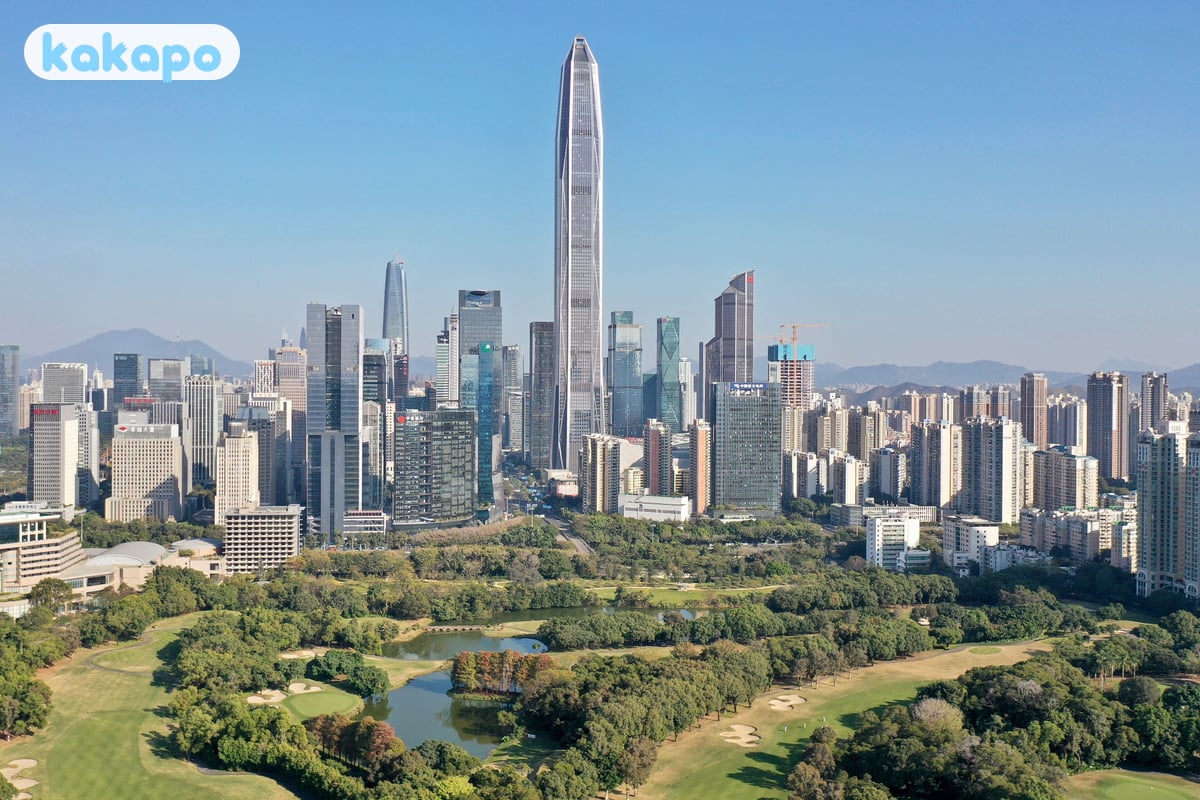
Shenzhen — population ~17 million, in Guangdong province directly across the border from Hong Kong — is China's tech-megacity. Built from a fishing village to the world's first Special Economic Zone (1980); now home to Tencent, Huawei, BYD, DJI, and a startup density that rivals Silicon Valley. Crime against tourists is rare; the city is modern (most buildings post-1990); the Metro is excellent and English-friendly; English support at hotels is decent.
The honest concerns are mostly logistical. The Shenzhen-Hong Kong border has multiple crossings (Lo Wu, Lok Ma Chau / Futian, West Kowloon HSR, Sha Tau Kok, Wenjindu) — choosing the right one matters and the Hong Kong-side immigration time can be unpredictable. Pearl River Delta summer typhoons (Cat 4-5 strikes have happened — Mangkhut 2018, Saola 2023, Yagi 2024) hit Shenzhen hard. The Nantou old town (the only meaningful pre-1980 heritage in Shenzhen) has been gentrified into restaurant-and-cafe district. The standard mainland-China cashless / blocked-internet rules apply. Hong Kong-mainland visa policies have shifted — most Western nationalities can use the 240-hour visa-free transit policy (introduced 2024) or the longer-standing visa-free option for Pearl River Delta.
The US State Department lists China at Level 2; UK FCDO has no specific Shenzhen advisories. Both note the standard China-context concerns rather than tourist-street risks.
| Night safety | 75/100 |
|---|---|
| Scam / petty-crime risk | Medium |
| Violent crime (tourists) | Low |
| Most common scams | pickpocketing on Metro and at Dongmen pedestrian street; counterfeit Apple products at Huaqiangbei; Asian-style 'I'll show you the way' commission scams |
| Safer neighbourhoods | Futian, Luohu, Nanshan |
| Data sources cited | 4 |
| Last verified |
What the score means — 85/100
- Personal safety (90) — high. Shenzhen is calm; petty pickpocketing on Metro and at Dongmen pedestrian street is the main risk.
- Transport (92) — Shenzhen Metro 17 lines (one of world's largest); HSR connects to Hong Kong, Guangzhou, Beijing; Shenzhen Bao'an International Airport (SZX); Hong Kong Airport (HKG, 50 km via cross-border bridge).
- Healthcare (84) — Shenzhen People's Hospital, University of Hong Kong-Shenzhen Hospital, plus international clinics; serious cases medevac to Hong Kong (1 hour).
- Air quality (70) — moderate; PRD industrial regional pollution; coastal breeze helps; less polluted than Beijing/Xi'an but more than Hong Kong.
The Hong Kong border crossings — choosing the right one
- Lo Wu (Luohu): classic crossing; Shenzhen Metro Luohu station; busy commuter route; can be very long queues at peak.
- Lok Ma Chau / Futian: Metro Line 4 to Futian Checkpoint; faster than Lo Wu; useful for connecting to Hong Kong's MTR East Rail.
- West Kowloon HSR Border: this is the modern way — board the high-speed rail at Futian / Shenzhen North / Guangzhou South, arrive directly at Hong Kong West Kowloon station. 50 min from Futian to West Kowloon. Border check on the train; saves the queue chaos.
- Shenzhen Bay (Shekou): car/coach crossing; useful for cross-border buses to specific HK destinations.
- Hong Kong-Zhuhai-Macau Bridge: shuttle bus from western Shenzhen / Zhuhai to HK Airport area; rarely used by Shenzhen-based visitors.
- Time estimates: at off-peak, border crossing 30-45 min; at peak (Friday evening, Sunday evening, Chinese holidays), 2-3+ hours.
- Documents: passport with valid Chinese visa AND Hong Kong's separate immigration entry (most Western nationalities get HK visa-free).
- Don't try to cross with cash >USD 5,000: declaration required.
China visa-free options — 240-hour and PRD
- 240-hour visa-free transit: introduced December 2024; most Western nationalities can transit through China for up to 10 days visa-free if entering and exiting via different ports OR same port. Covers Shenzhen and the wider PRD region.
- How it works: declare at immigration on arrival; passport + onward ticket to a third country (or HK/Macau) within 240 hours. Some restrictions on areas you can visit.
- Pearl River Delta visa-free: longer-standing schemes also cover Guangdong; confirm current rules.
- Tourism visa: for longer or multiple-entry, full Chinese tourist visa (L) required; apply at Chinese embassy/consulate; processing 4-10 days.
- Hong Kong as base: most international visitors use Hong Kong as base and day-trip Shenzhen via train.
- Don't overstay: Chinese immigration enforces strictly.
- Confirm rules before flying: visa-free transit programmes have changed multiple times since 2024; check Chinese embassy website.
Pearl River Delta typhoons
- Season: June-November, peak August-October. PRD takes direct strikes most years.
- Recent severe events: Typhoon Yagi 2024 (devastated Hainan and northern Vietnam, lashed PRD); Typhoon Saola 2023 (Cat 4 brushed PRD); Typhoon Mangkhut 2018 (Cat 5 hit Hong Kong/Macau, also lashed Shenzhen).
- Signal system: Hong Kong-style 1-3-8-9-10 typhoon signals; Shenzhen follows similar protocols.
- What closes: HSR services suspend; Bao'an Airport diverts; Metro keeps running underground; ferries to Hong Kong cancel.
- Cross-border travel during typhoons: HK-Shenzhen border crossings remain open but transport disruption can leave you stuck.
- Insurance: cancellation cover August-October.
- Best windows: late October-December (post-typhoon, dry, mild); late February-May (warming, before peak humidity).
Areas — Futian, Luohu, Nanshan, Shekou

Recommended bases: Futian (central business) — Shangri-La Futian, Park Hyatt Shenzhen, JW Marriott; near Coco Park dining and Shenzhen Convention Center; HSR connection to HK at Futian Station. Luohu (older central) — near Lo Wu border crossing; mid-range hotels; Dongmen pedestrian shopping. Nanshan — modern tech business district (Tencent HQ); mid-range business hotels. Shekou — older expat area; Sea World district; Shekou Cruise Terminal.
Stay aware: Dongmen pedestrian street — dense crowds; pickpocket precautions. Around Luohu Station — chaotic at peak commuter hours.
There are no genuinely dangerous neighbourhoods in central Shenzhen.
Nantou Old Town — the gentrified heritage
- What it is: Nantou (Xin'an Old City) was the historic county seat of the Bao'an district before 1980. The only meaningful pre-1980 heritage left in Shenzhen.
- Recent gentrification: revitalised 2018-2020 by URBANUS architects; restored Ming/Qing era buildings now host coffee shops, restaurants, design studios, and a small archaeology museum.
- Visiting: free; subway Line 1 to Taoyuan station + 10 min walk. Half-day visit.
- What's there: South Gate, Drum Tower, Confucian Temple, restored Lingnan-style courtyards mixed with new design.
- Photography: permitted; ask before photographing residents (the area still has residents living among the gentrified spaces).
- Pickpocket precautions: standard precautions in the busy central section.
Tech, Huaqiangbei, OCT Loft — what to actually do
- Huaqiangbei: the world's largest electronics market; Huaqiang Electronics Market North + South + SEG Plaza. 30,000+ small vendors selling every electronic component imaginable. Walking-tour worthy; watch for counterfeit Apple products and the Asian-style "I'll show you the way" commission scams.
- Tencent Headquarters tour: limited; not generally open to public.
- Huawei Headquarters / Songshan Lake Campus: Dongguan side; visitor tours available with advance booking.
- OCT Loft: art-and-design district built into former overseas-Chinese-town factory; cafés, galleries, design shops; family-friendly.
- Window of the World: theme park with miniature global landmarks; touristy but family-fun; CNY 220 entry.
- Splendid China Folk Village: similar — China-in-miniature theme park; cultural performances.
- Dafen Oil Painting Village: 8,000+ artists producing reproductions and originals; legendary for "Van Gogh by the metre" workshops.
Money, food, emergency numbers
- Currency: Chinese yuan (CNY/RMB). $1 ≈ CNY 7.2.
- Cards: foreign Visa/Mastercard increasingly accepted at chains; small shops cashless via Alipay or WeChat Pay (set up Alipay's Tour Card before arriving).
- Tipping: not customary.
- Food: Cantonese dim sum, hot pot (Haidilao multiple), Chao Shan-style seafood; international everywhere. Coco Park (Futian) and Sea World (Shekou) have international restaurant clusters.
- Tap water: not drinkable. Bottled or kettle-boiled.
- Internet/VPN: Google, Facebook, Instagram, X all blocked. Set up VPN before flying.
- Shenzhen Bao'an Airport (SZX): 35 km northwest; Metro line 1+11 CNY 8 (50 min); taxi/Didi CNY 100-150.
- Hong Kong Airport (HKG): alternative; 50 km via cross-border bridge or HSR + ferry; useful if HK-onward.
- Emergency: 110 (police), 119 (fire), 120 (ambulance). Tourist hotline 12301.
- Hospitals: Shenzhen People's Hospital (+86 755 2553 3018); University of Hong Kong-Shenzhen Hospital (+86 755 8691 3333).
- SIM: passport required for Chinese SIM. eSIM (Airalo China-friendly) easier.

Frequently asked questions
Is Shenzhen safe to visit in 2026?
Yes — Shenzhen scores 84/100 here, with the same framing caveat as the rest of China. The US State Department lists China at Level 3 ('reconsider travel') mainly for exit-ban risks affecting business travellers, journalists and dual nationals; UK FCDO is similar. For ordinary tourists on a short Hong Kong-Shenzhen day trip or weekend, the practical risk is very low — Shenzhen is a 20-million-resident tech megacity with extremely low street crime, modern metro and high-speed rail infrastructure, and heavy CCTV-and-uniformed-police presence. The realistic visitor risks are the visa/border-crossing logistics at Luohu and Futian, the language gap (English thinner than Shanghai outside hotel zones), and WeChat Pay payment lock-in.
Is Shenzhen safe at night?
Yes — exceptionally so. Coco Park, OCT Loft, Shekou Sea World (the expat-friendly bar district), and the Futian CBD all stay busy until late and are genuinely safe for solo walking. Metro runs until ~23:00; after that DiDi (Chinese Uber, set up the app with passport + foreign card before arrival) is the realistic option. The biggest after-dark issue is taxi-driver overcharging from Bao'an Airport (SZX) and from the border crossings — use the official taxi rank only, or take the Metro Line 11 from SZX or just walk through Luohu/Futian crossings directly to the metro.
How does the Luohu border crossing and visa work post-COVID?
Mostly back to pre-2020 normal, with key differences. The Luohu and Futian border crossings between Hong Kong and Shenzhen are the world's busiest land borders and reopened fully in early 2023; queues at peak (Friday evening Hong Kong→Shenzhen, Sunday evening reverse) can be 30-60 minutes. Visa rules: most foreign nationals need a tourist L-visa for mainland China obtained at a Chinese embassy or visa centre in advance. The Shenzhen 5-day visa-on-arrival at Luohu (the old SEZ-only visa) has been suspended since 2020 and as of 2026 has not been restored. The 144-hour visa-free transit applies in the Pearl River Delta if you're flying through SZX with onward to a third country — same rules as Shanghai. Hong Kong-passport holders can use the e-channels. Always carry the passport with the visa stamp; spot ID checks happen on the metro.
What scams should I watch out for in Shenzhen?
Two main patterns. (1) Huaqiangbei electronics-market overcharging and counterfeit goods — Huaqiangbei is genuinely the world's largest electronics market and a fascinating visit, but bargaining is expected (start at 40% of the asking price), 'brand' goods are usually fakes, and 'official Apple' stalls are not authorised resellers. Test electronics before leaving the stall; warranty doesn't exist. (2) Taxi-driver airport meter manipulation at SZX — use the Metro Line 11 instead (CNY 7 to Futian, 35 minutes). The 'tea house' scam common in Shanghai exists in Shenzhen too around the Diwang Mansion area but is less prevalent. ATM-skimming at non-bank machines is moderate; use Bank of China, ICBC, or HSBC ATMs.
Can you drink tap water in Shenzhen, and what about payments?
Tap water — no, despite Shenzhen having one of China's more modern water systems. The supply is treated to GB standards but old pipes and rooftop water-tank storage mean locals universally drink boiled or bottled, and you should too. Use bottled for brushing teeth on a short trip. Payments — same Shanghai story applies: WeChat Pay and Alipay are dominant, cash is increasingly refused, foreign Visa/Mastercard works only at international-chain hotels and at airport shops. Set up Alipay's 'tourist mode' or WeChat Pay's international-card linking BEFORE flying; both now allow passport-based registration with a foreign card. Carry CNY 500-1,000 cash backup. The Hong Kong Octopus card does not work across the border in Shenzhen — get the Shenzhen Tong (transit card) at any metro station for CNY 50 deposit.
Sources
Run a business in Shenzhen?
Show visitors your Shenzhen business is a safe choice. The free Verified by Kakapo badge puts Shenzhen's live safety score on your website, links back to your verified page, and updates itself. No cost.
Get the free badge →