


Is Madrid, Spain Safe? A 2026 Travel Safety Guide
Sol-Gran Vía pickpockets, Lavapiés mixed reality, Real Madrid match days, and 40°C summers — the realistic risks of Spain's capital.

Madrid is broadly safe for tourists, with the realistic risks concentrated in pickpocketing on the Sol-Gran Vía-Plaza Mayor circuit and on Metro line 1, the 40°C+ summer heat that hospitalises visitors who push too hard, and the dense crowd dynamics on Real Madrid match days at the Bernabéu.
Spain sits at low advisory levels in both UK FCDO and US State Department guidance. Violent crime against tourists is rare. Madrid's overall homicide rate is among the lowest of European capitals.
The honest framing for first-time visitors: Madrid runs late. Dinner is 9-10pm; clubs open at 1am; the city's liveliest hours are when other cities are asleep. The pickpocket pattern is concentrated and avoidable. The summer heat is the underrated genuine risk.
What surprises most first-time visitors is how un-touristed Madrid still feels for a European capital. Barcelona gets twice the visitor numbers; Madrid's tourist density outside Sol-Gran Vía-Plaza Mayor is genuinely low, and you can sit in a tasca in Chamberí or Lavapiés and be one of two foreigners in the room. Madrileños are direct, loud, and warm — much closer to a Mediterranean rhythm than the slightly-formal Catalans. Greet bar staff with "hola, buenas" when you walk in, ask for a "caña" (small beer) rather than a "cerveza", and tip a couple of coins, not 15%.
The 2026 context: Madrid was officially Europe's most-visited capital by overnight stays in 2024-2025, overtaking Paris during the post-Olympics dip. That has pushed prices in Sol/Gran Vía up sharply but the broader city remains affordable. The Metro's new Línea 11 extension finally connects Cuatro Caminos to Conde de Casal via central Madrid (opened phased through 2025); the EMT bus tap-to-pay rolled out citywide last year (just tap a contactless card or phone). The summer heat is escalating year-on-year — 2024 saw Madrid's first official 42°C city centre reading; bring the precaution seriously.
| Night safety | 77/100 |
|---|---|
| Scam / petty-crime risk | Medium |
| Violent crime (tourists) | Low |
| Most common scams | pickpocketing on Metro line 1; bar-bill inflation in tourist-strip places near Sol |
| Safer neighbourhoods | Chamberí, Lavapiés, Salamanca |
| Data sources cited | 4 |
| Last verified |
What the score means — 82/100
- Healthcare (88) — Spain has universal healthcare; Madrid's public hospitals (Gregorio Marañón, La Paz, 12 de Octubre) are excellent.
- Transport (86) — Madrid Metro is one of Europe's largest networks. 12 lines, very cheap, very clean.
- Night (82) — central Madrid is alive late and policed. Spain's "tardeo" (afternoon-evening drinking) shifts the actual peak from typical Northern European hours.
- Personal safety (76) — moderate. Pickpocketing concentrates on specific lines and tourist sites.
Sol, Gran Vía, and Metro line 1
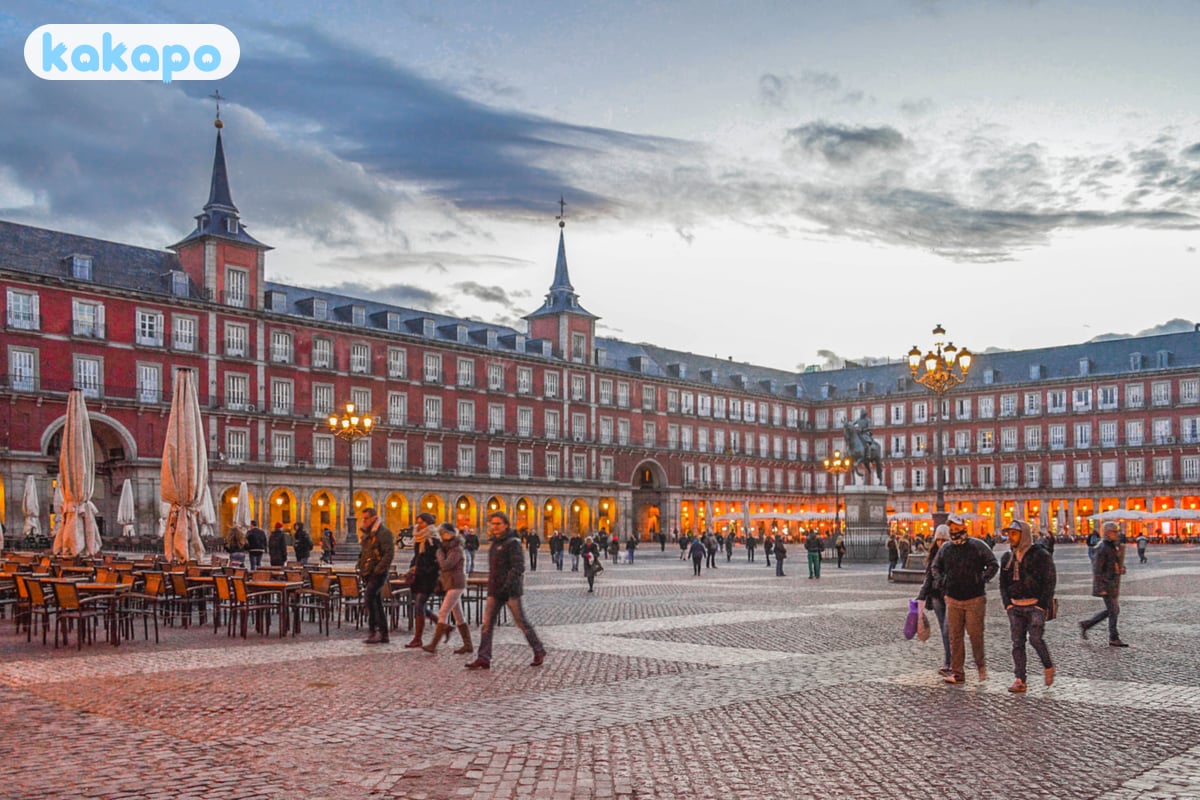
- Puerta del Sol: the geographic centre and Madrid's most-pickpocketed square. Phone in front pocket.
- Gran Vía: similar density, especially around Plaza España and Callao.
- Metro line 1: the airport line. Pickpocket teams work the morning rush. Phone away.
- Plaza Mayor at peak hours; Mercado de San Miguel; the Prado / Reina Sofía / Thyssen museum queues.
- The "what's that on your shirt?" mustard scam: someone sprays you, a "kind stranger" helps clean it, your wallet's gone. Don't let strangers touch you.
- "Free flamenco show" flyers: usually low-quality bar shows with high mandatory drink minimums.
Areas — comfortable everywhere a tourist would go
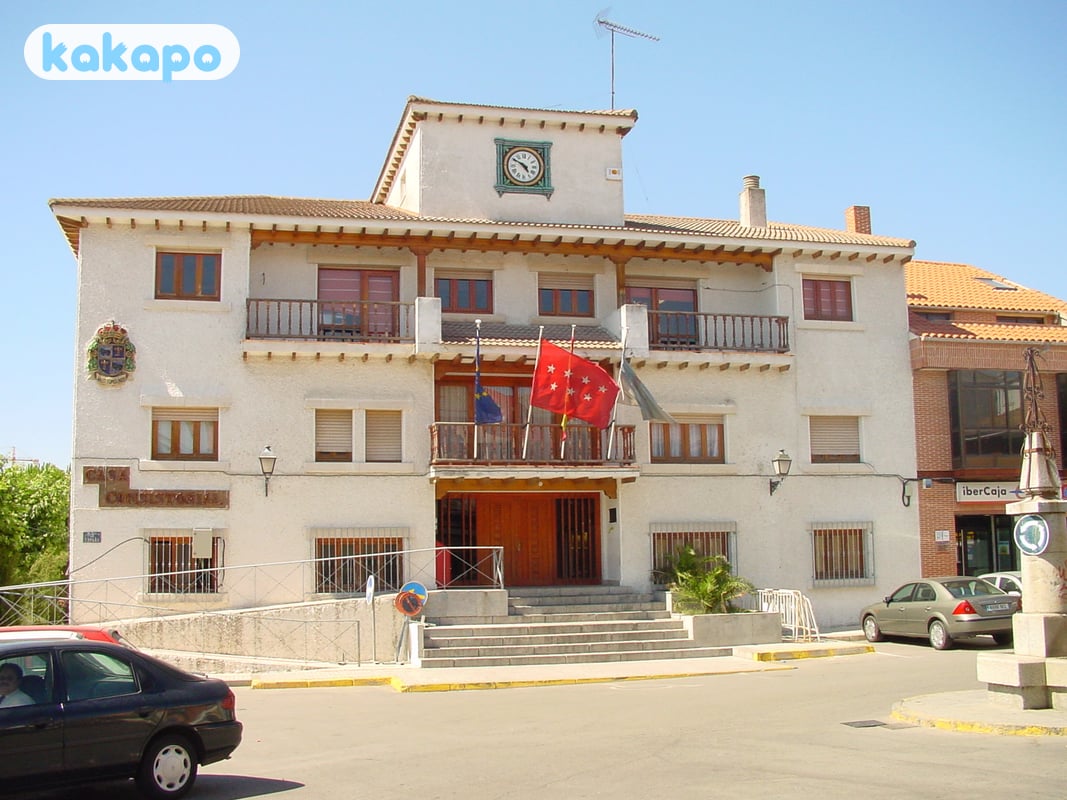
Comfortable everywhere: Sol, Gran Vía, Salamanca (upscale), Chueca (LGBTQ+, lively), Malasaña (artistic, fitting hipster), Las Letras (literary historic), La Latina (tapas crowd), Embajadores' main streets.
Lively, late-night fine: Calle de Atocha, Calle de la Cava Baja, Plaza Santa Ana.
Mixed: Lavapiés — multicultural, gentrifying. Daytime fine, vibrant; some streets at 3am quieter and ambient drug use visible. Tirso de Molina — at night, ambient street activity.
Stay aware after dark: parts of outer Carabanchel and Vallecas — working-class, no tourist relevance, higher reported crime. Tourists rarely have a reason to be there.
Summer heat — genuinely dangerous
- Madrid summers (June-August) regularly hit 38-42°C. The 2022 and 2023 heatwaves caused multiple heat-related deaths in the Madrid region.
- Plan around the heat: outdoor sightseeing 8-10am or after 7pm. Mid-day in a museum (Prado, Reina Sofía both excellent and air-conditioned) or tapas in a covered terraza.
- The Spanish siesta exists in summer for a reason. Your hotel is likely the smart afternoon stop.
- Hydrate aggressively. Public water fountains throughout central Madrid.
- Hat, SPF 50, electrolytes.
Metro, taxis, the airport
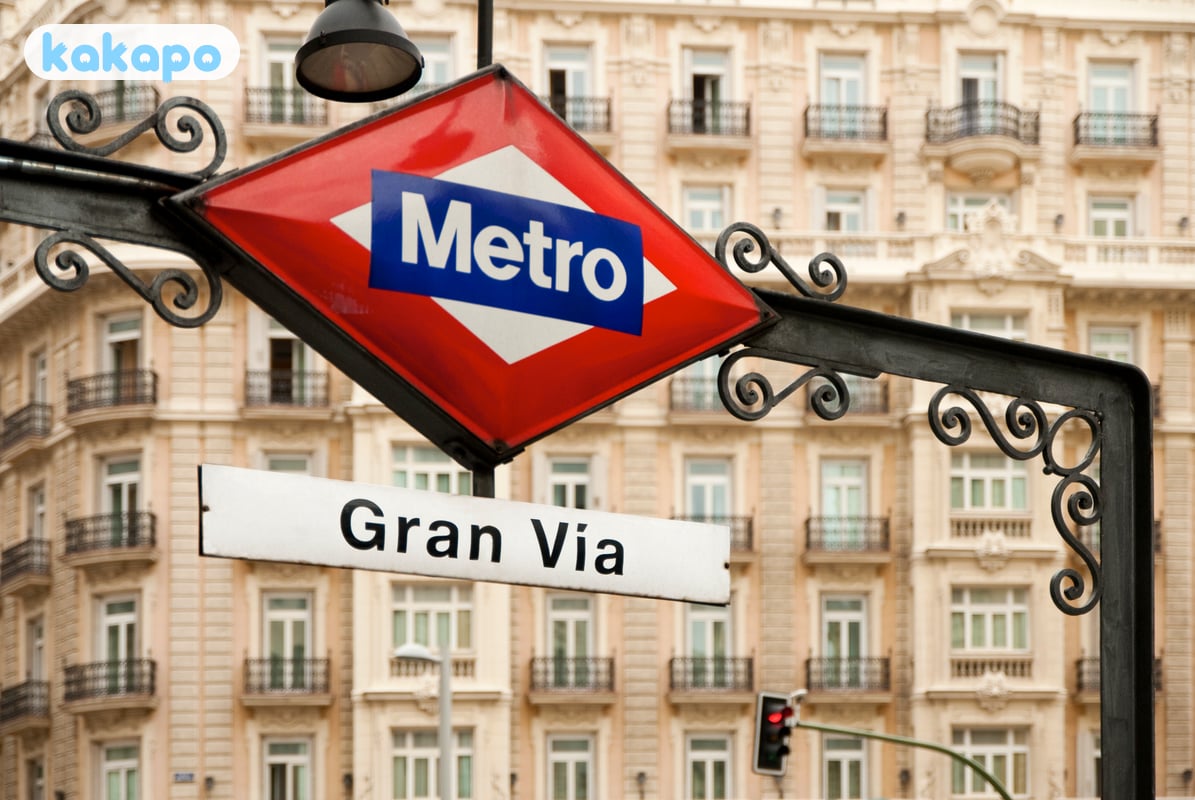
- Madrid Metro: 12 lines. Single ticket €1.50-2 (zone-dependent). 10-trip card €12.20.
- Taxis: white with red diagonal stripe. Regulated, metered. Airport flat-rate to most central addresses €33.
- Cabify and Bolt: both work. Uber operates as a regulated chauffeur service.
- Madrid-Barajas (MAD) to city centre: Metro line 8 €4.50-5, ~30 min. Cercanías commuter rail €2.60. Taxi flat €33. Express bus €5.
- Renfe AVE high-speed trains: Madrid-Barcelona ~2h30m, Madrid-Sevilla 2h30m, Madrid-Valencia 1h45m. Excellent.
Real Madrid match days, festivals

- Real Madrid home games at the Bernabéu: ~80,000 fans. Around match days, Metro Bernabéu and Lima stations get crushed; pickpocketing spikes.
- Atlético Madrid: Cívitas Metropolitano stadium. Less centrally located, similar dynamics.
- San Isidro festival (May): Madrid's patron-saint festival. Street fairs, busy, broadly safe.
- Pride (early July): one of Europe's biggest. Fully family-friendly; Chueca is the centre.
- Demonstrations: occasional, especially in Sol, Cibeles, Plaza Mayor. Most peaceful.
Scams + the Sol/Gran Vía pickpocket pattern
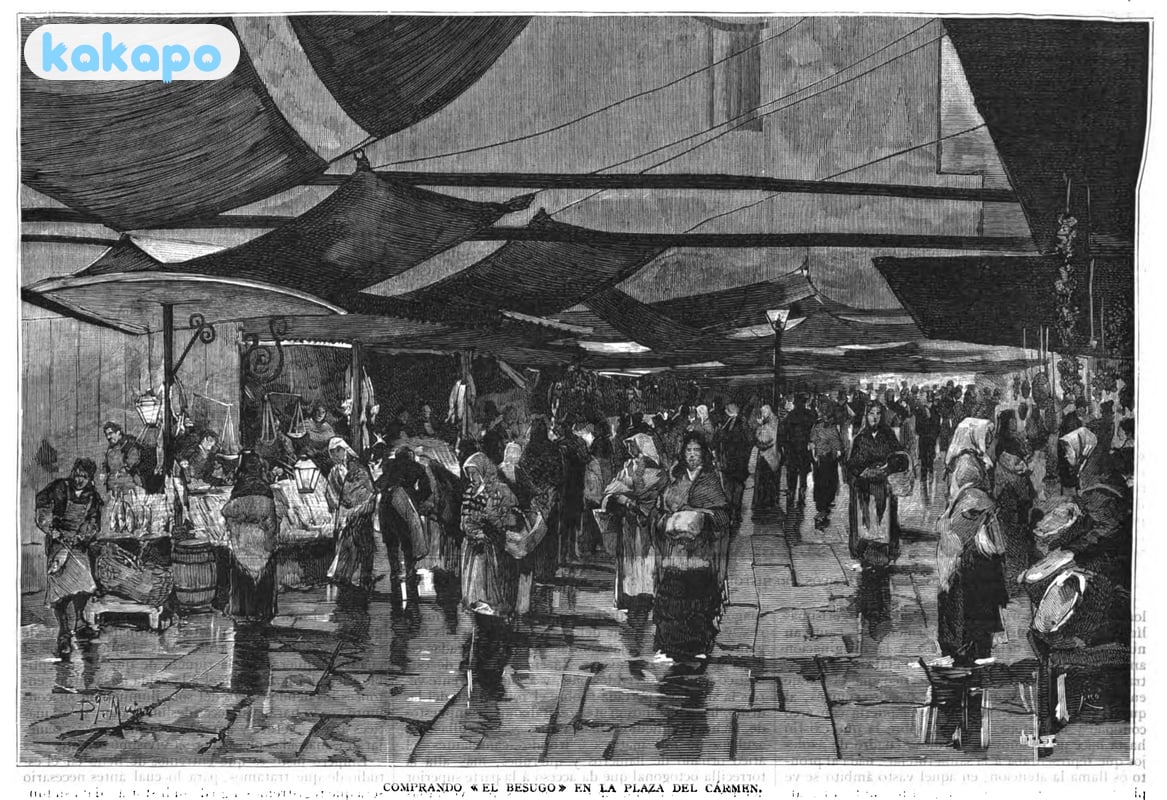
- Puerta del Sol + Gran Vía pickpocket teams: Madrid's central plaza is one of Europe's most documented pickpocket zones. Teams of 3-5 work the busy stretches, especially during early-evening paseo + on weekend nights. Bag in front, phone in zipped pocket, hand around the wallet on the Metro.
- Metro Line 1 + Line 5: the two highest-pickpocket lines, especially around Sol, Gran Vía, Tirso de Molina. Tomada en cuenta — the Spanish term for "you've been watched"; means crews have already marked tourists.
- Petition / clipboard scam at Puerta del Sol: classic European pattern. Women approach with deaf-aid clipboard; aggressive demand for €20+ in cash; partner picks pocket. Never sign, never reach for wallet, never break stride.
- "Found ring" gold-ring scam: someone picks up brass ring near your feet, offers it cheap. Walk past.
- "Friendly local" rosemary giver in Plaza Mayor + outside Almudena Cathedral: gypsy women press rosemary into your hand, "read your palm" + demand €10-20. Decline at start; don't accept anything.
- Bar-bill inflation in tourist-strip places near Sol: a few places run high-margin tabs. Reputable Madrid bars post drink prices behind the bar; ask before ordering.
- ATM skimming: prefer bank-branch ATMs (BBVA, Santander, CaixaBank, ING) over freestanding street ones around Puerta del Sol.
- Card-terminal DCC: always pay in EUR, never "your home currency".
Day trips — Toledo, Segovia, El Escorial
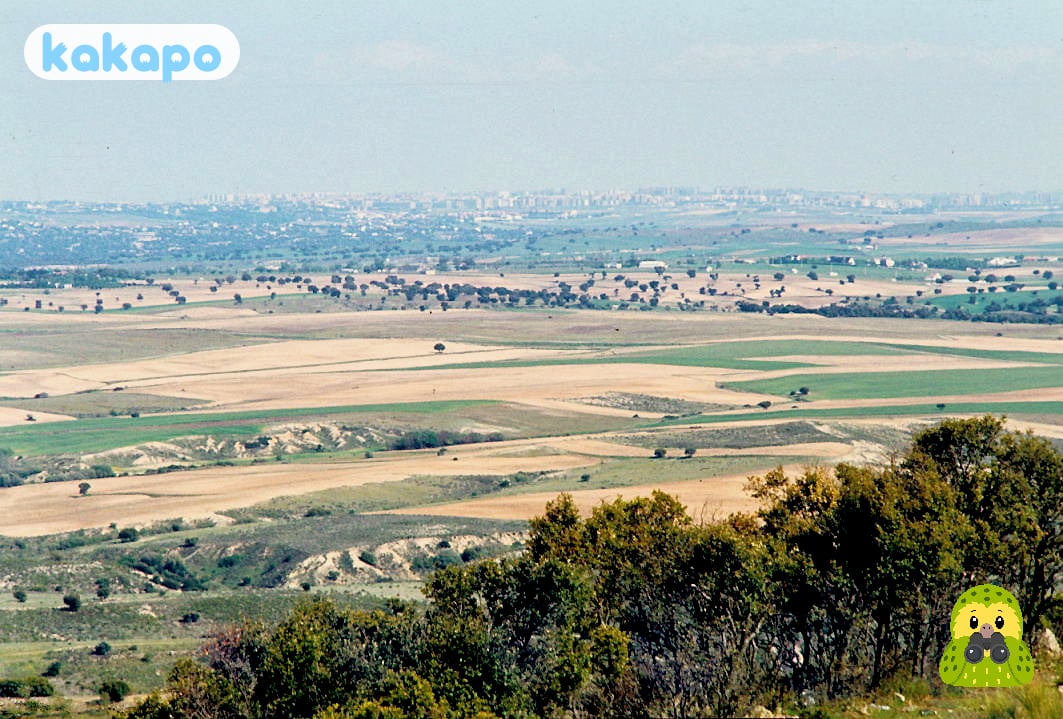
- Toledo: 30 min by AVE (high-speed rail) from Atocha to Toledo. UNESCO walled hilltop city; Jewish + Christian + Muslim history layered in stone. Half-day workable; full-day if you want the cathedral + Alcázar + Santo Tomé church.
- Segovia: 30 min by AVE from Chamartín. The Roman aqueduct (still standing, 2,000 years old), the Disney-castle Alcázar, suckling pig at Mesón de Cándido. Easy day-trip.
- El Escorial: 1h by Cercanías commuter rail from Atocha. Habsburg royal monastery-palace complex, library + crypt of the Spanish kings. Half-day visit.
- Aranjuez: 50 min by Cercanías. Royal palace + gardens. Underrated, calmer than Toledo.
- Ávila: 90 min by train. Medieval walls preserved in full; Saint Teresa pilgrimage site. Less-touristed than Segovia.
- Salamanca: 1h30 by AVE. Spain's oldest university + Plaza Mayor + golden sandstone architecture. Better as overnight.
- Valle de los Caídos / Cuelgamuros: controversial Franco-era monument near El Escorial. Reopened in 2019 after Franco's remains were exhumed. Politically charged; check current visit status.
- Tour from Sol: organised half-day tours (Toledo, Segovia) sell for €30-60 from kiosks around Sol. Most are legitimate but rushed — independent train + walking is better if you have a full day.
Neighbourhood-by-neighbourhood breakdown
- Sol and Centro — geographic and tourist heart. Plaza Mayor, Mercado de San Miguel, the Royal Palace edge. Heavily policed, very safe; this is where pickpocketing is most concentrated but never violent.
- Las Letras / Barrio de las Letras — south-east of Sol, the literary quarter (Cervantes lived here). Calle Huertas, Plaza Santa Ana for tapas. Very safe, charming, slightly less touristed than Sol.
- La Latina — south of Plaza Mayor. Sunday flea market (El Rastro), best tapas crawl in the city along Cava Baja. Heavily local, very safe, get busy on Sunday afternoons.
- Malasaña and Chueca — north of Gran Vía. Malasaña is the indie/vintage neighbourhood; Chueca is the LGBTQ+ centre (Pride explodes here in early July). Both safe day and night.
- Salamanca — north-east of centre, Madrid's upmarket district. Designer shopping on Serrano, calm residential streets. Boring but extremely safe.
- Lavapiés and Embajadores — south of Sol. Most multicultural barrio: Bangladeshi, Senegalese, Moroccan, Spanish. Gentrifying fast, full of small restaurants and street art. Daytime fully fine; some quieter streets at 3am have visible ambient drug use but tourists rarely have incidents.
- Chamberí — north-west of Sol, residential and middle-class. Calle Ponzano is one of the city's best tapas streets. Very safe, almost no tourists, great if you want to feel like a local.
If it's your first time visiting
- Best arrival airport: Madrid-Barajas (MAD), 13km north-east. Metro Line 8 runs to Nuevos Ministerios in 30 minutes (€4.50-5 including airport supplement). Cercanías commuter train C1 from T4 to Atocha is €2.60 in 25 minutes. Regulated taxi to central is €33 flat. Uber and Cabify both work but rarely beat the train.
- Buy a 10-trip Metrobús card (€12.20, shared between Metro and EMT buses) at any Metro vending machine, or just tap a contactless bank card on Metro turnstiles (rolled out 2024). Single is €1.50-2 depending on zones.
- Best neighbourhood for your first night: Las Letras for atmosphere, La Latina for tapas, Malasaña for indie/young, Salamanca for calm upmarket. Avoid booking directly in Sol unless you don't mind 24-hour noise and the densest pickpocket zone outside your front door.
- Day 1, jet-lag friendly: walk from Plaza Mayor through La Latina down to El Rastro area, climb back via Calle Cava Baja for a tapas lunch, end at Retiro park before the heat. Reset for the late dinner that Madrid actually requires.
- Common rookie mistakes: trying to eat dinner at 19:30 (most kitchens don't open until 20:30 and locals don't sit down until 22:00); ordering "una cerveza" expecting the small Spanish glass (ask for "una caña" — €1.50-2.50, half the size); accepting a sprig of rosemary "as a gift" from women near Plaza Mayor (followed by an aggressive €10-20 demand); sitting at the terraza instead of the bar in tourist-strip places (terraza adds 20-40% to the bill); standing still in the Sol pedestrian zone with a phone in a back pocket.
- Book the Prado, Reina Sofía, and Thyssen online — saves 30-90 minutes of queueing on summer days. Reina Sofía is free 19:00-21:00 daily (book the free slot online too).
- If you visit in July or August, plan around the heat — outdoor 8-11am and after 19:00; museums and a long lunch in the middle. The Retiro park has shaded paths if you must walk in mid-afternoon.
- Don't drive in central Madrid. The "Madrid Central" low-emission zone fines non-registered cars automatically. Use Metro and Cabify only.
Practical info — emergency numbers
- European emergency: 112.
- Police: 091.
- Local Madrid police: 092.
- Ambulance: 061.
- Tourist Police: at major sites (English-speaking).
- Hospital General Universitario Gregorio Marañón: +34 91 586 8000.
Bring: a card without foreign-transaction fees, comfortable shoes, an unlocked phone (Movistar, Vodafone, Orange Spain prepaid SIMs at the airport), reef-safe sunscreen, and travel insurance documentation. Tap water is safe to drink (Madrid is famous for its water — piped from the Sierra de Guadarrama).
Frequently asked questions
Is Madrid safe to visit in 2026?
Yes. Madrid is one of the safer European capitals. US State Department lists Spain at Level 2 (general European terrorism baseline); UK FCDO has no overall advisory against travel. Real concerns are pickpocketing around Sol + Atocha + Gran Vía, summer heat (38-42°C July-August), and occasional protests at Cibeles + Sol — not violent crime.
Is Madrid safe at night?
Yes for central Madrid (Sol, Gran Vía, Malasaña, Chueca, La Latina, Lavapiés) — well-lit, well-policed, alive until 03:00+. Standard urban awareness applies: stick to busy streets, use Uber/Cabify/Free Now for distances over 5-10 blocks, watch for the bracelet/petition pickpocket pattern in Puerta del Sol pedestrian zones.
What's the most dangerous area of Madrid?
Madrid doesn't have specific tourist 'no-go' zones. The most-pickpocketed corridor is Sol → Gran Vía → Atocha. Lavapiés + Embajadores have some after-dark grittiness but are gentrifying + tourist-active. Outer barrios (Vallecas, Carabanchel, Usera) are residential + not on visitor itineraries. The metro Line 1 + Line 5 are pickpocket-active at peak hours.
Is Madrid safe for solo female travellers?
Yes. Madrid ranks well on solo-female-safety indices for European capitals. Standard precautions: phone in front pocket, no street-taxi rides solo late at night (use Cabify/Uber), watch your drink in nightlife. Madrid's nightlife runs late + women routinely walk home alone in central neighbourhoods.
Can you drink tap water in Madrid?
Yes. Madrid's tap water comes from Sierra de Guadarrama reservoirs + is among Spain's best. Drinkable at every restaurant + bar; ask for 'agua del grifo'. Some restaurants will push bottled — both are fine.
What's the biggest scam to avoid in Madrid?
The rosemary-twig pattern at Plaza Mayor + Puerta del Sol — a woman thrusts a sprig at you 'for blessing' then demands €5-20 + lifts your wallet during the handoff. Walk past with hands in pockets. Other recurring scams: bird-poop/mustard distraction, fake football-match ticket touts at Bernabéu, 'tourist menu' overpricing on Plaza Mayor (walk 2 streets out for normal prices).
Do I need to worry about terrorism in Madrid?
Spain's terrorism baseline is at 'high' since the 2017 Barcelona attack — visible armed police at Atocha + Sol + the major museums is normal. Practical day-to-day impact on visitors: zero. No specific attack has occurred in Madrid since 2004 (the Atocha bombings).
Recent travel news for Madrid
All travel news →Wildfires and flash floods across Spain: what travellers in Madrid need to know
A wildfire inland from Valencia forced about 1,000 evacuations on 22 August while flash floods on the Catalan coast triggered more than 200 rescues. Madrid is unaffected directly, but the fire belt west of the capital and the summer heat make day trips and long distance travel the parts of a Madrid itinerary worth planning around.
Madrid protests erupt over housing crisis as rents surge amid tourism pressure
Protesters in Madrid took to the streets May 28 to demand action on soaring rents and housing shortages driven by tourism and immigration growth.
Sources
Run a business in Madrid?
Show visitors your Madrid business is a safe choice. The free Verified by Kakapo badge puts Madrid's live safety score on your website, links back to your verified page, and updates itself. No cost.
Get the free badge →