


Is Mallorca, Spain Safe? A 2026 Travel Safety Guide
Magaluf 'balconing' deaths, summer road traffic, the Tramuntana hike weather, cove rip currents, and the realistic risks of the largest Balearic island.

Mallorca is one of the safer Mediterranean islands for tourists. Crime against visitors is rare; the island's tourism economy is built on safety. The realistic risks for visitors are the well-documented "balconing" tragedies (drunk hotel-balcony falls, mostly in Magaluf and Arenal — several deaths a year), summer road traffic on the narrow Tramuntana coast roads, occasional rip currents at the smaller cove beaches, and the genuine summer heat (35°C+).
Spain sits at Level 2 on the US State Department's advisory list (terrorism). UK FCDO is similar. The honest framing for first-time visitors: Mallorca is large (3,640 km²), with very different "Mallorcas" depending on where you base. Palma is the cosmopolitan capital city. Magaluf / Arenal are the budget-party British/German strips. Sóller / Deià / Valldemossa are the artistic Tramuntana mountain towns. Cap Formentor / Pollença are the quieter north. Each has different safety considerations.
In 2026, the political backdrop has shifted. The 2024 "No Se Vende" anti-tourism protests — tens of thousands marching through Palma in July 2024 under the banner "Mallorca is not for sale" — were the most visible expression of a Balearic islands-wide pushback against mass tourism, short-term-rental saturation, and the cost-of-living squeeze on local residents. The Balearic government responded with a 2026 cap on new ETV (vivienda turística) short-term rental licences, tighter cruise-ship daily limits in Palma port, and visible enforcement of the existing "drunk tourism" decree across Magaluf, S'Arenal and Sant Antoni (Ibiza). What this means for visitors: no real safety implication, but expect the occasional sticker, banner or chant aimed at the tourism economy generally — not at you personally. Booking a licensed ETV apartment or staying in established hotels removes the moral question entirely.
Practical transport in 2026: from Palma airport (PMI) the EMT Bus 1 runs every 15 minutes to Plaça d'Espanya in central Palma for EUR 5 (35 minutes); a taxi is EUR 25-35; Bolt/Cabify operate but are typically dearer than the bus. The historic Palma-Sóller train (vintage 1912 wooden carriages, the only one of its kind still running in Spain) is EUR 25 each way through the Tramuntana foothills and is a small-d destination in itself. The EMT city bus inside Palma is EUR 2.50 single. The ferry to the protected Cabrera archipelago south of Mallorca runs EUR 50 day return from Colònia de Sant Jordi. June-September is the cruise-overflow peak — three or four ships docked simultaneously turning the Palma old town into a corridor — and the genuine 35°C+ heat begins.
| Night safety | 71/100 |
|---|---|
| Scam / petty-crime risk | Medium |
| Violent crime (tourists) | Low |
| Most common scams | balconing tragedies in Magaluf and Arenal; pickpocketing in Magaluf and Arenal; drink-spiking in Magaluf and Arenal |
| Safer neighbourhoods | Palma de Mallorca centre |
| Data sources cited | 4 |
| Last verified |
What the score means — 86/100
- Healthcare (86) — Spanish public + private; Hospital Universitari Son Espases is the major facility.
- Air quality (86) — high. Sea breeze.
- Personal safety (84) — high. Petty theft on busy beaches; otherwise low.
- Transport (84) — buses, the historic Sóller train, ferries; rental car for serious exploration.
Balconing — the warning every parent wants their teen to read
Mallorcan authorities and UK/Spanish governments publish annual "balconing" death statistics. The pattern: drunk young adult, hotel balcony, attempted jump or climb between adjacent balconies, fall from 4-12 storeys. Around 5-10 fatalities a year on the island.
- Where: heavily concentrated in Magaluf, Arenal, Palma Nova hotels. Fewer at family-resort north Mallorca and almost none at upscale Tramuntana hotels.
- The pattern: 18-25-year-olds, alcohol, often returning to the wrong room and "trying to get to my mate's balcony", or jumping into the pool from height.
- Hotels: increasingly install higher balcony rails, anti-climb features. Some now eject guests caught balconing.
- Spanish law: balconing on hotel balconies is now an administrative offence — fines up to €60,000.
- Travel insurance: most policies exclude alcohol-related accidents. A balconing fall is rarely covered.
- If you're with a young group: this is the safety conversation that has saved lives. Have it before the trip.
Beaches — coves, currents, the Med

- Mallorca's beaches range from long lifeguarded city beaches (Palma, Magaluf) to small turquoise coves (Cala Mondragó, Es Trenc, Cala Varques).
- Lifeguarded beaches: yellow/red flag system. Heed it.
- Cove beaches: often unlifeguarded; rip currents possible during stronger swells. Don't swim alone in remote coves.
- Jellyfish: increasingly common in late August. Check the daily local press for jellyfish reports.
- Cliff jumping: at Cap de Formentor and similar — looks fun, has injured many. Don't.
- Sun: 35°C summer days, severe UV. Reef-safe sunscreen, hat, mid-day shade.
The Tramuntana — driving and hiking
- The Serra de Tramuntana: UNESCO mountain range along the north-west coast.
- Driving the Sa Calobra road: famous switchback. Narrow, two-way, busy in summer. Slow tourist drivers + impatient locals = stress. Drive in the morning.
- Hiking the GR-221 ("Dry Stone Way"): 8-day trek from Andratx to Pollença. Beautiful and demanding.
- Day hikes: Sa Foradada (cliff arch, 90 min), Castell d'Alaró (3 hours), Torrent de Pareis (gorge, advanced).
- Weather: changes fast in the mountains. Carry water + windproof layer.
- Cycling Sa Calobra: pro-cycling pilgrimage. 26 hairpins descending; the climb back up is brutal.
Transport, scooters, the airport
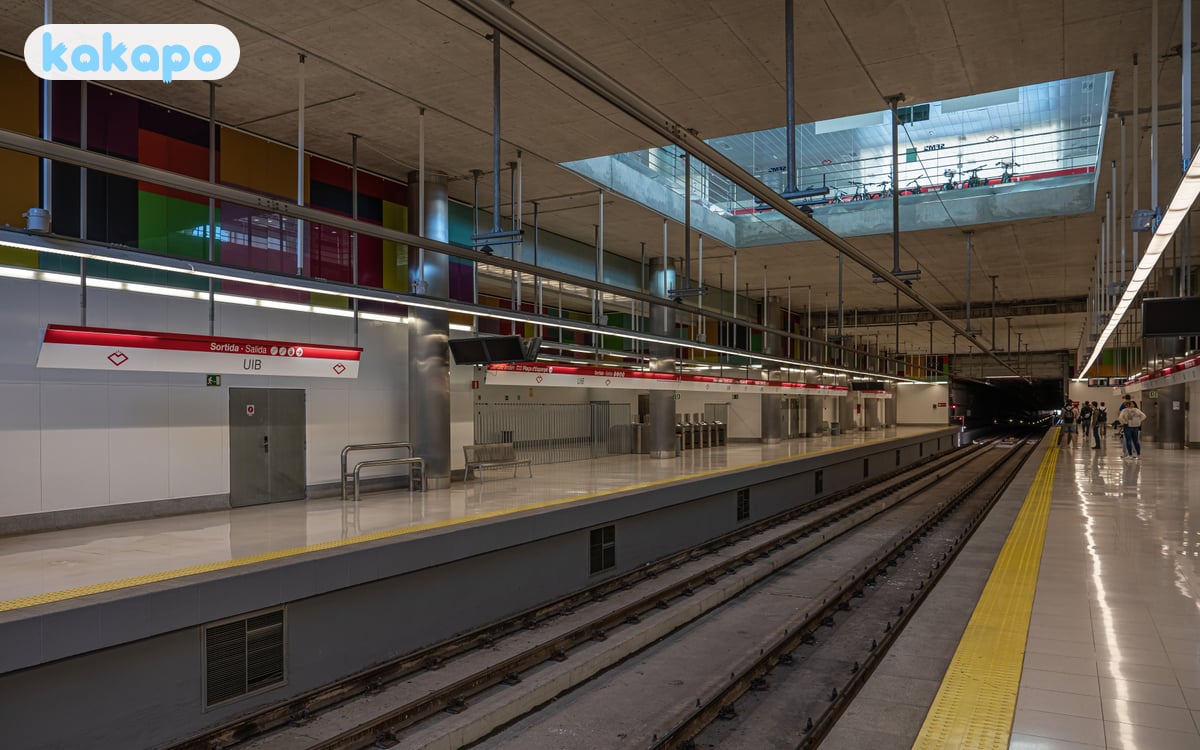
- Buses (TIB): extensive island network from Palma. €3-6 typical fares.
- Sóller train: historic 1912 narrow-gauge. Touristy and pleasant.
- Palma Metro: 2 lines; useful for university and outer suburbs.
- Taxis: white, honest.
- Bolt and Cabify: operate in Palma.
- Car rental: most useful for exploring. Drive on the right; mountain roads narrow. Check rental insurance excess.
- Scooter rental: tempting, but Mediterranean drivers + tight roads + unfamiliar tourists = a meaningful crash rate. Helmet required by law.
- Palma Airport (PMI): 8 km east of Palma. Bus 1 €5 to centre. Taxi €25-35.
Magaluf and Arenal — the party strips
- The strip: Magaluf's "Punta Ballena" and Arenal's "Bierstrasse" / "Calle del Jamón" — concentrated party streets, mostly British and German tourists, cheap drinks, late-night chaos.
- Crime: pickpocketing, drink-spiking, occasional fights. Petty crime levels much higher than in Palma proper.
- Drink-spiking: documented. Watch your drink.
- Drugs: openly sold but illegal; police sting operations are common.
- Crackdown laws: since 2020, the Balearic government has restricted "all-you-can-drink" promotions, balcony parties, and street drinking on the strip.
- If you're after the party: stay in a reputable hotel (not a "party hotel"); group walking home is safer than solo; don't use balconies for anything other than smoking.
Money, food, the cost story
- Currency: Euro (€).
- Cards: universal.
- Tipping: 5-10%.
- Cost: Palma upscale dinner €40-70; cove restaurant lunch €25-40; budget meal €12-18.
- Tap water: technically safe but locally tastes mineral-heavy; many drink bottled.
Districts and resort areas — where to base
- Palma de Mallorca centre — La Seu cathedral, the historic Almudaina palace, the Es Baluard contemporary-art museum on the old sea wall, and the medieval lanes of the casc antic. Comfortable any hour, well-policed, the photogenic Mallorcan city most first-timers underestimate.
- La Lonja and Santa Catalina — Palma's two genuinely lived-in nightlife neighbourhoods. La Lonja runs old tapas bars and the Saturday market (Mercat de l'Olivar is two streets up). Santa Catalina is the gentrified market quarter where most of the new restaurants opened post-2018; the food hall (Mercat de Santa Catalina) is the casual lunch pick.
- Sóller and the wooden tram — 30 minutes by the 1912 train through the mountains, then a separate vintage tram down to the fishing harbour of Port de Sóller. A perfect day trip if you're based in Palma; an equally good 2-3-night base in shoulder season.
- Deià — the Robert Graves village clinging to the Tramuntana coast on the MA-10. Tiny (~700 residents), exquisite, expensive. The Belmond La Residencia and the Cala Deià pebble cove are the anchors.
- Valldemossa — where Chopin and George Sand spent the famously miserable winter of 1838-39. The Cartoixa monastery, cobbled lanes, day-tripper coach traffic peaks 11am-3pm; stay overnight if you want it calm.
- Pollença and Cap de Formentor — the quieter north. Pollença Old Town climbs 365 Calvari steps to the chapel above; the Cap de Formentor lighthouse road (now restricted to bus/bike in summer to manage congestion) runs out to one of the Med's most dramatic headlands.
- Alcúdia Old Town and bay — Roman walls, family-resort bay, the largest wetland reserve in the Balearics (s'Albufera) just inland. Comfortable family base, less party-density than the south coast.
- Cala d'Or — the east-coast cove cluster — turquoise inlets, mid-range resort hotels, calmer than the south-west party strips.
- Magaluf and S'Arenal — the British and German package-holiday zones. Punta Ballena (Magaluf) and the Bierstrasse / Calle del Jamón (S'Arenal) are the concentrated party strips; family-resort sections of both bays exist but are awkwardly adjacent to the noise. The post-2020 "drunk tourism" decree limits all-you-can-drink and street drinking; it's a noticeable but partial constraint.
- Serra de Tramuntana and the MA-10 — the UNESCO mountain range and the spectacular coastal road threading Andratx-Estellencs-Banyalbufar-Valldemossa-Deià-Sóller. The defining Mallorca drive; allow a full day, drive in the morning before the tour buses, and pull over for the miradors at Ses Animes and Sa Foradada.
If it's your first time visiting
- From PMI airport: EMT Bus 1 to Plaça d'Espanya runs every 15 minutes, EUR 5, 35 minutes, the obvious choice if you're heading into Palma. Taxi EUR 25-35 fixed-rate to centre; Bolt/Cabify operate but typically aren't cheaper. For Magaluf/Alcúdia/Sóller, hire a car at the airport — the long-term resort transfers eat the savings.
- Ride the Palma-Sóller train once. EUR 25 one way in vintage 1912 wooden carriages on a narrow-gauge line through Tramuntana orange groves. Continue on the separate wooden tram down to Port de Sóller for lunch (EUR 8 single). Saturday morning is the busiest; weekday mornings are calm.
- Understand the 2024 "No Se Vende" context. Anti-mass-tourism protests in 2024 led to a 2026 ETV (short-term-rental licence) cap, tighter cruise limits, and visible enforcement of the drunk-tourism decree in Magaluf and S'Arenal. No safety implication for visitors, but staying in established hotels or licensed ETVs is the ethical baseline; treat any anti-tourism graffiti or sticker as background, not personal.
- EMT Palma city bus is EUR 2.50 single, contactless tap-and-pay, runs late on the main lines. Useful for cathedral-to-Santa Catalina-to-Es Baluard moves without rejoining the cruise crowd.
- Day trip to Cabrera EUR 50 boat-and-walk return from Colònia de Sant Jordi — a protected uninhabited archipelago south of Mallorca, capped at 200 visitors a day, the antidote to a peak-season Palma morning. Book a week ahead in summer.
- Avoid June-September if you can. Cruise overflow peaks (three or four ships docked simultaneously), accommodation prices roughly double, and the genuine 35°C+ heat begins. April-May and October are the sweet spots — Tramuntana hiking is at its best.
- Magaluf and S'Arenal have a known British-and-German party density. Punta Ballena (Magaluf) and the Bierstrasse / Calle del Jamón (S'Arenal) are the concentrated strips; old-town Palma, Sóller, Deià, Pollença and Alcúdia old town are essentially separate worlds. Pick your base intentionally.
- For Tramuntana hiking, carry 2-3 litres of water per person, real sun protection, and proper boots — the GR-221 "Dry Stone Way" sees genuine summer dehydration cases. The Castell d'Alaró (3 hours), Sa Foradada (90 min) and Torrent de Pareis (advanced, full day) are the classic day hikes.
- Eat sobrassada and ensaimada. Sobrassada is the local cured paprika-spiked sausage spread on warm bread (Forn de Sant Joan in Palma is the obvious stop); ensaimada is the coiled lard-pastry breakfast of choice. Both at Mercat de l'Olivar for a fraction of restaurant prices.
- Common rookie mistakes: renting from unlicensed scooter and quad shacks near Magaluf (the "insurance" isn't real; damage disputes cost EUR 500+); cliff-jumping at Cap de Formentor; driving Sa Calobra in the afternoon when it's a single-lane bottleneck; assuming Magaluf and old-town Palma are the same place.
Practical info — emergency numbers
- European emergency: 112.
- Policía Nacional: 091.
- Guardia Civil: 062.
- Tourist Police (Foreign Tourist Assistance Service): +34 902 102 112 — English.
- Hospital Son Espases: +34 871 205 000.
Bring: reef-safe sunscreen, water shoes for rocky coves, comfortable hiking shoes for the Tramuntana, a contactless card, an unlocked phone, and travel insurance with adventure-sports if you plan to hike or cycle.
Frequently asked questions
Is Mallorca safe to visit in 2026?
Yes — Mallorca scores 84/100 here, one of the safer Mediterranean islands. Spain sits at US State Department Level 2 (baseline terrorism) and UK FCDO is similar. Crime against tourists is rare across most of the island. The realistic risks are concentrated and specific: 'balconing' falls in Magaluf, Arenal and Palma Nova hotels (5-10 fatalities a year, mostly drunk 18-25-year-olds attempting to climb between balconies); narrow Tramuntana mountain roads in summer traffic; rip currents at unlifeguarded coves like Cala Varques; and August jellyfish. Pickpocketing is a Palma issue rather than an island-wide one.
Is Mallorca safe at night?
Mostly yes, with the Magaluf/Arenal asterisk. Palma centre — La Lonja, Santa Catalina, the cathedral area — is comfortable solo at any hour. Tramuntana villages (Sóller, Deià, Valldemossa) are sleepy and safe. The Magaluf 'Punta Ballena' strip and Arenal's 'Bierstrasse'/'Calle del Jamón' are different: drink-spiking, pickpocketing, occasional fights, drug touts, late-night chaos. The Balearic government has restricted all-you-can-drink promotions and street drinking since 2020 but the strips still concentrate trouble. If you're after the party, group walking home beats solo, and balconies are for smoking only — not climbing.
Is Mallorca safe for solo female travellers?
Yes, especially if you base in Palma, the Tramuntana villages or the quieter north (Pollença, Cap Formentor). Palma's tapas culture and the Santa Catalina market neighbourhood work well solo. The historic Sóller train and bus walks to Deià are routine solo experiences. Magaluf and Arenal are less pleasant for solo women — not unsafe by violent-crime standard, but the harassment density on the strip is high. Drink-spiking is documented on Punta Ballena; standard precautions if you go. Cove beaches like Cala Mondragó and Es Trenc are family-saturated and feel secure.
Can you drink tap water in Mallorca?
Technically yes — Mallorca tap water meets Spanish drinking standards and is safe. Practically, most locals drink bottled because the island's groundwater is mineral-heavy and tastes briny, especially in Palma and the south. You won't get sick from tap water but you may not enjoy it. Restaurants will serve bottled by default; tap (agua del grifo) on request. Carry refillable bottles and top up at hotels — many have filtered taps. On Tramuntana hikes water is essential; carry 2-3 litres in summer when the GR-221 trail sees real dehydration cases.
What's the biggest scam to avoid in Mallorca?
Scooter and quad-bike rental from unlicensed shacks near Magaluf — the bikes are often dodgy, the 'insurance' isn't real, and damage disputes cost €500+ on return. Use established rental chains. Beyond that: Tramuntana 'private guided' boat tours from Port de Sóller and Port d'Andratx run double the price of the operator-licensed boats leaving from the same pier. Magaluf nightclub touts offering 'free entry + drink' funnel you into venues that charge €15-20 minimums once you're inside. Taxi scams are rare — fares are honest, white cabs, metered. Watch your drink rather than your wallet on the strip.
How real is the 'balconing' risk and how do I avoid becoming a statistic?
Genuinely real and entirely avoidable. The pattern is consistent: 18-25-year-olds, alcohol, returning to the wrong hotel room and trying to climb across, or jumping from balcony into pool. 5-10 deaths a year on Mallorca, heavily concentrated in Magaluf, Arenal and Palma Nova hotels. Balconing is now an administrative offence in Spain with fines up to €60,000, and many hotels eject guests caught doing it. Most travel insurance excludes alcohol-related accidents — a fall is rarely covered. If you're with a young group, have the conversation before the trip and treat balconies as smoking spaces only. Stay in family-resort north Mallorca or Tramuntana hotels if you want to remove the temptation entirely.
Sources
Run a business in Mallorca?
Show visitors your Mallorca business is a safe choice. The free Verified by Kakapo badge puts Mallorca's live safety score on your website, links back to your verified page, and updates itself. No cost.
Get the free badge →