The headline finding
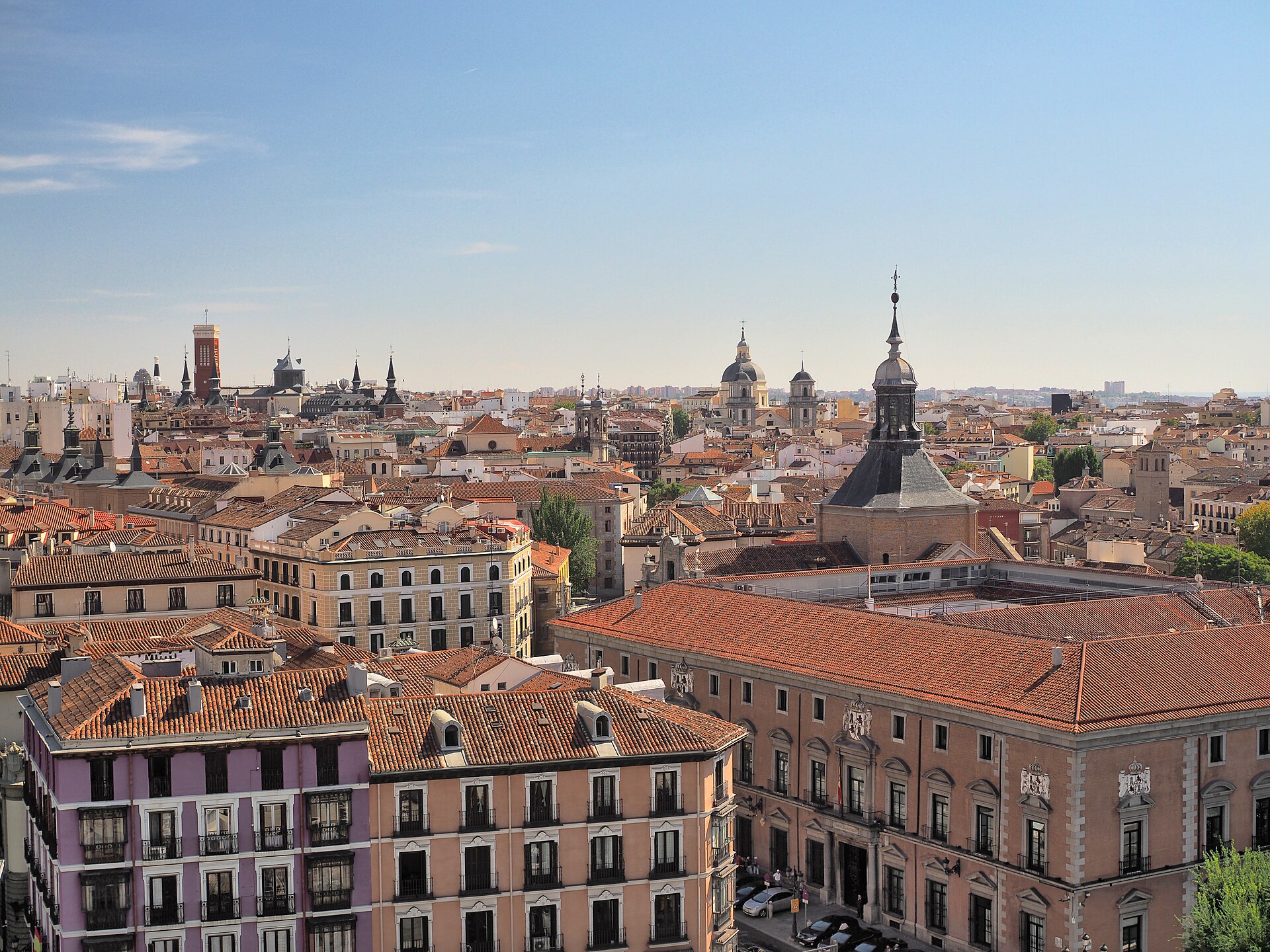
Protesters gathered in Madrid on May 28, 2026, to voice growing frustration over skyrocketing rents and an acute housing shortage that has made the Spanish capital increasingly unaffordable for residents. According to Deutsche Welle, the demonstrations reflect widespread anger over a crisis that has placed housing among the top concerns nationwide. The protests come amid sustained pressure on Spain's rental market, driven by a combination of tourism growth and immigration-driven population increases that have pushed demand far beyond available supply.
The demonstration underscores a tension that has been building for years in Madrid and other major Spanish cities: the collision between a booming tourism economy and the housing needs of local residents. While the protests themselves pose no direct safety threat to visitors, they signal a broader shift in local sentiment that travelers to Madrid should understand, particularly as debates over tourism's role in the housing crisis intensify across Spain.
The May 28 action is the latest in a series of housing-related protests across Spain, where rental costs have surged in recent years even as wages have failed to keep pace. Madrid, as both the political capital and one of Europe's most visited cities, sits at the epicenter of these competing pressures.
What the data shows
Spain's housing crisis has multiple drivers, but tourism's role has become a central point of contention. The proliferation of short-term rental platforms has converted long-term housing stock into tourist accommodation, particularly in city centers where travelers prefer to stay. Deutsche Welle's report identifies tourism as one of two major demand drivers—alongside immigration-driven population growth—that have strained Spain's housing supply.
While the DW article does not provide specific rent-increase figures for Madrid, the national context is stark. Housing has consistently ranked among Spaniards' top three concerns in recent opinion polls, competing with unemployment and economic worries. The fact that protesters felt compelled to take to the streets on May 28 suggests the issue has reached a tipping point where traditional political channels feel inadequate to residents seeking relief.
The timing of the protests—late May, at the beginning of peak tourist season—is likely not coincidental. Madrid's visitor numbers typically surge from May through October, with the accompanying spike in short-term rental demand and prices. For local residents competing for the same housing stock, this seasonal pressure compounds year-round affordability challenges.
Why this matters for travelers visiting Madrid
For travelers, Madrid's housing crisis translates into several practical realities. First and most directly, accommodation costs in the Spanish capital have risen substantially, and visitors should expect to pay premium prices, particularly in central neighborhoods like Malasaña, Chueca, Sol, and Lavapiés where tourist demand is highest. The same market forces driving residents to protest—limited supply, surging demand, short-term rental proliferation—also affect the nightly rates travelers encounter when booking their stays.
Second, the protests reflect a growing undercurrent of frustration with tourism's impacts on local quality of life. While Madrid has not seen the intensity of anti-tourism activism experienced in Barcelona or Palma de Mallorca—where protests have occasionally turned confrontational—the May 28 demonstrations signal that residents are increasingly willing to publicly challenge policies they perceive as favoring visitors over locals. Travelers may notice a cooler reception in some neighborhoods, particularly those experiencing rapid touristification, or encounter protest activity during their visits.
Third, understanding the housing debate helps contextualize policy changes that may affect visitors. Spanish cities have experimented with various regulatory approaches to managing short-term rentals, from outright bans in certain neighborhoods to strict licensing requirements. Madrid's city government faces pressure to act, and any new restrictions could affect accommodation availability or pricing for future trips. Travelers planning visits in coming months should build in flexibility and book earlier than they might have in the past, as regulatory uncertainty may reduce the pool of available short-term rentals.
Context and background
Madrid's housing affordability crisis is part of a broader pattern affecting major European cities, but Spain's situation is particularly acute due to the scale of its tourism economy. Spain welcomed a record 85 million international visitors in 2024 (pre-pandemic peak), making it the world's second-most-visited country after France. Madrid and Barcelona absorb a significant share of those arrivals, with Madrid hosting approximately 10 million overnight tourists annually in recent years.
The Spanish capital's rental market has tightened progressively since the mid-2010s, when the post-financial-crisis recovery began and short-term rental platforms gained widespread adoption. Platforms like Airbnb and Vrbo enabled property owners to earn substantially more from tourist rentals than from long-term leases to residents, creating a powerful economic incentive to remove units from the traditional rental market. Central Madrid neighborhoods that once housed working- and middle-class madrileños have gradually transitioned to tourist accommodations and upscale housing, displacing long-term residents in a process advocates call "touristification."
Immigration has also played a role, as Deutsche Welle notes. Spain has become an increasingly attractive destination for migrants from Latin America, North Africa, and elsewhere in Europe, drawn by economic opportunities, language ties, and quality of life. This population growth—welcomed by many Spaniards and economically beneficial in an aging society—has nonetheless added pressure to housing markets that were already tight.
The political response has been fractured. Madrid's city government, led by conservatives generally friendly to business interests, has been slower to restrict short-term rentals than Barcelona's more progressive administration. This policy divergence has made Madrid an attractive alternative for property investors restricted in Catalonia, potentially concentrating pressure in the capital. At the national level, the coalition government has proposed measures to increase housing supply and regulate rentals, but implementation has been uneven and progress slow.
Housing protests in Spain have a long history, with movements like the Plataforma de Afectados por la Hipoteca (PAH, or Platform for Mortgage Victims) mobilizing effectively after the 2008 financial crisis. The May 28 Madrid protest fits into this tradition of grassroots organizing around housing rights, though the current focus has shifted from foreclosures and evictions to rental affordability and the tourism-housing nexus.
What it means in practice
Expect higher accommodation costs: Budget €80-150+ per night for basic private accommodation in central Madrid, with prices climbing during peak season (May-October) and major events. Hostels and shared accommodation offer cheaper alternatives, typically €25-50 per night.
Book earlier and confirm carefully: Regulatory uncertainty around short-term rentals means some listings may be unlicensed or face sudden removal. Book through platforms with strong traveler protections, confirm your reservation a few days before arrival, and have backup options.
Consider alternative neighborhoods: Areas like Tetuán, Carabanchel, Usera, and Vallecas offer lower prices and a more authentic local experience, with excellent metro connections to central tourist sites. You'll pay 20-40% less than in Sol or Malasaña.
Be aware of protest activity: Housing demonstrations may occur with little advance notice, particularly on weekends. Protests are generally peaceful but can cause temporary disruptions to traffic and public transport. Check local news or ask your accommodation host about any planned actions during your stay.
Respect local sensitivities: In heavily touristed neighborhoods, be mindful that your presence contributes to tensions residents are actively protesting. Respect noise ordinances (especially late at night), support local businesses rather than international chains, and avoid behavior that reinforces negative stereotypes about tourists.
Understand the regulatory landscape: Madrid's city government may introduce new restrictions on short-term rentals in response to protests and political pressure. If you're planning a trip several months out, monitor news about potential policy changes that could affect accommodation availability.
Long-term stays face particular challenges: Digital nomads and remote workers considering extended stays in Madrid should be aware that the rental market for locals is extremely competitive. Expect to pay €1,200-1,800/month for a one-bedroom apartment in central neighborhoods, with landlords often requiring significant deposits, proof of Spanish income, and long-term contracts.
What we don't know yet
The Deutsche Welle report does not provide specific details about the size of the May 28 protest, the organizing groups involved, or any specific policy demands protesters articulated. Without this information, it's difficult to assess whether the demonstration represents a marginal group or a broad-based movement, and whether it's likely to influence Madrid's city government to adopt stricter regulations on short-term rentals or tourism-related housing pressures.
We also don't know how Madrid's rental costs compare to other major European capitals currently, or how rapidly they've risen in the past year—context that would help travelers understand whether Madrid remains a relative bargain or has become prohibitively expensive. The article references Spain-wide concerns but doesn't provide Madrid-specific data on vacancy rates, the share of housing stock devoted to short-term rentals, or recent price trends.
Finally, it's unclear whether this protest is an isolated event or the beginning of a sustained campaign that might escalate in visibility and intensity during the summer tourist season. Travelers planning visits in June through September should monitor whether housing activism becomes a regular feature of Madrid's public life.
Bottom line
Madrid remains welcoming to travelers, but visitors should understand that their presence occurs against a backdrop of genuine local hardship around housing affordability. The May 28 protests don't pose safety concerns, but they do signal that accommodation costs are rising and that some residents view tourism as part of the problem. Book thoughtfully, budget generously for lodging, and travel with awareness of the tensions your visit navigates.
Cited sources
Reporting from the outlets below.
Frequently asked questions
Is Madrid safe to travel to right now?
Protesters in Madrid took to the streets May 28 to demand action on soaring rents and housing shortages driven by tourism and immigration growth. See Kakapo's live Madrid safety report for the up-to-date composite score, neighbourhood-by-neighbourhood breakdown, and per-source advisories from US State Dept, UK FCDO, Canadian government, and Australian Smartraveller.
What happened in Madrid?
Madrid protests erupt over housing crisis as rents surge amid tourism pressure. Protesters in Madrid took to the streets May 28 to demand action on soaring rents and housing shortages driven by tourism and immigration growth. This is a trend based on reporting from major travel-news outlets — see the cited sources below for the original coverage.
Should I cancel my trip to Madrid?
Most travel-safety events do not require cancelling a planned trip. Read the "What it means for travelers" section above for the specific guidance, check the live Madrid safety report for the current overall score, and consult your travel insurance for cancellation eligibility. Kakapo updates the Madrid safety profile as new advisories land.
Where can I find more travel safety news?
Kakapo publishes new travel-safety updates as events develop, sourced from BBC, Reuters, the Guardian, Al Jazeera, Deutsche Welle, France 24, US State Dept, and UK FCDO. Visit the live travel-news feed at kakapo.travel/travel-news for the latest.