


Is Los Angeles, United States Safe? A 2026 Travel Safety Guide
Car break-ins, Skid Row, freeway driving, the 2025 wildfire context, the earthquake risk, and the realistic risks of California's biggest city.

Los Angeles is one of America's most-discussed cities for safety, and the actual answer for tourists is more nuanced than headlines suggest. In tourist neighbourhoods (Santa Monica, Beverly Hills, West Hollywood, parts of downtown, Pasadena), crime against visitors is uncommon. The realistic risks are car break-ins (a city-wide property crime), the Skid Row open-air homelessness crisis east of downtown, the very real freeway driving challenge for first-time visitors, the air-quality and wildfire context (especially after the catastrophic January 2025 Palisades and Eaton fires), and longer-term earthquake risk.
The US sits at Level 2 on UK FCDO advisory (gun violence, terrorism — generic). The honest framing for first-time visitors: LA is huge (~3.9 million in city, 13 million metro), spread across a basin between mountains and Pacific. There is no "downtown LA" experience the way there is in NYC or Chicago — visitors typically split time between Hollywood, Santa Monica, Beverly Hills, and downtown.
What surprises most first-time visitors is that LA isn't really a city in the European sense — it's a basin full of distinct towns linked by freeways. Beverly Hills, Santa Monica, West Hollywood, Pasadena, Long Beach, and Culver City are all separately incorporated municipalities; the Sunset Strip alone runs through three different cities. Angelenos are friendly, casual, and famously car-centric; "where are you from?" is a sincere question and most conversations include some version of how long the drive was. Tip 20% by default at sit-down restaurants (Californian wage floor doesn't change the cultural expectation), and accept that "the 405" is always slow.
In 2026, the practical updates: the January 2025 Palisades and Eaton fires were among the most destructive in California's modern history — Pacific Palisades and Altadena lost thousands of homes, but tourist neighbourhoods (Hollywood, Santa Monica, Beverly Hills, West Hollywood, downtown) weren't directly burned; reconstruction is slow and the LA County wildfire-recovery process is the dominant local political story; the LA Metro K Line direct connection to LAX opened in 2024 and is the cleanest airport transit option; the city is in active prep for the 2028 Summer Olympics — expect ongoing infrastructure works through 2026-2027; California's tap-to-pay TAP card has rolled out across Metro, Metrolink, and most municipal buses; and Waymo driverless taxis operate in defined service zones now (Santa Monica, downtown, parts of Hollywood). Wildfire smoke remains the year-round air-quality wildcard.
| Night safety | 58/100 |
|---|---|
| Scam / petty-crime risk | Medium |
| Violent crime (tourists) | Low |
| Most common scams | car break-ins; Skid Row open-air homelessness crisis; Hollywood Boulevard at 2am pickpockets |
| Safer neighbourhoods | Santa Monica, Beverly Hills, West Hollywood |
| Data sources cited | 4 |
| Last verified |
What the score means — 74/100
- Healthcare (88) — Cedars-Sinai, UCLA, USC are world-class. Without insurance, ER visits run $1,500-5,000+.
- Transport (78) — LA Metro has expanded; rideshare is the practical default; rental car is most common for tourists.
- Personal safety (72) — pulled down by car break-ins, Skid Row, and the wider context. Tourist-area violent crime is uncommon.
- Air quality (70) — moderate. Basin smog + summer wildfire smoke = some of the US's worst air days in late summer/autumn.
Freeway driving — the LA learning curve
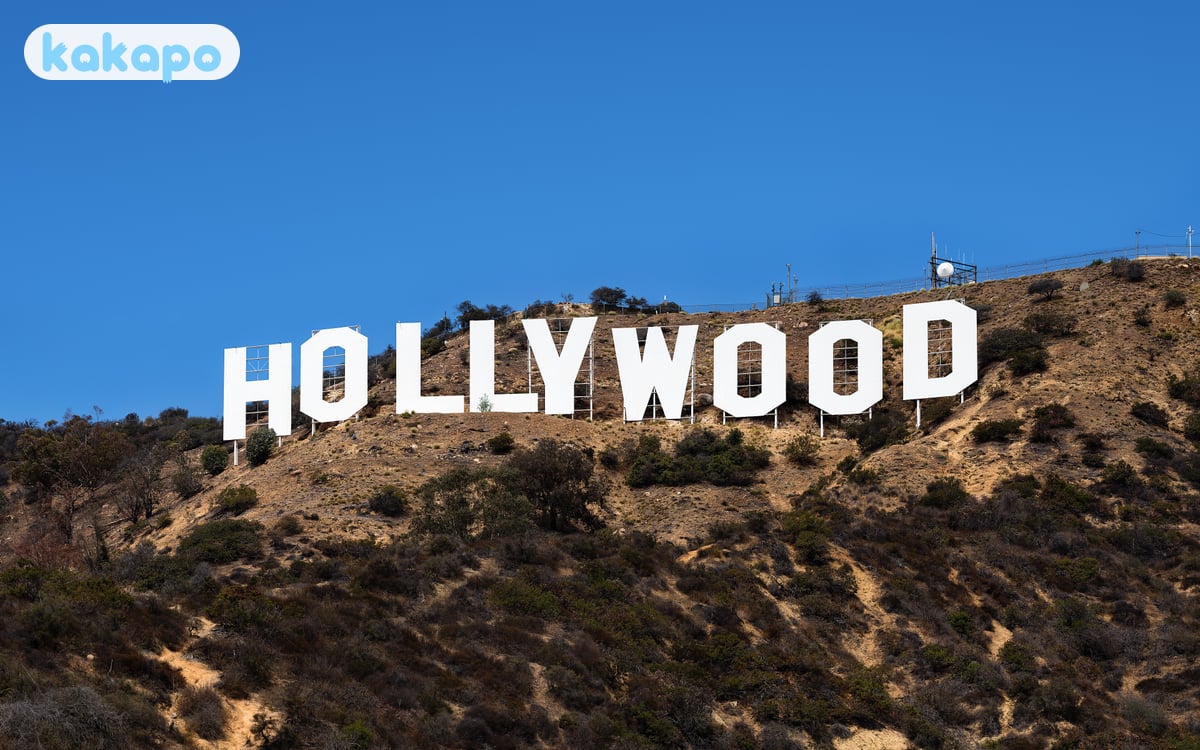
- The 405, 101, 110, 10, 5: LA's freeway names. Locals say "the 405" not "405". You'll spend serious time on them.
- Traffic: 7-10am and 4-7pm rush hours. Build buffer time.
- Lane discipline: aggressive lane-changing is normal. Stay in the second-from-right lane on long stretches.
- Carpool / HOV lanes: marked with diamonds. Empty looks tempting but $500+ ticket if caught solo.
- Fender benders: never leave the scene. Take photos. Exchange info.
- If you don't drive comfortably: Uber + Metro is genuinely doable in LA but expensive and slow. Plan for fewer destinations per day.
- Don't drive after a single drink: California DUI tolerance is 0.08 BAC and enforcement is strict.
Car break-ins
- LA's signature property crime, like SF.
- Tourist hot spots: Hollywood/Highland, Griffith Observatory, Venice Beach, Runyon Canyon, Malibu PCH pull-outs.
- The defence: leave nothing visible. Park in attended garages where possible.
- Don't stash bags in the trunk in the parking lot: thieves watch.
Skid Row and downtown context
- Skid Row: a 50-block area east of downtown LA, between roughly 3rd / Main and 7th / Alameda. The largest concentrated homelessness crisis in the US.
- What's there: tent encampments, open drug use, mental-illness crisis. Confronting.
- Risk to passers-by: violent crime in Skid Row is low for tourists; the population is overwhelmingly self-harming.
- Practical advice: don't walk through casually. The Arts District is just east; Little Tokyo just west — both fine. Drive or rideshare around Skid Row, not through it.
- Don't photograph people in distress.
- Downtown LA generally: improving. The financial district, Bunker Hill, LA Live, Grand Central Market, the Broadway theatre district are tourist-fine in daytime; busier at night, sketchier in the in-between hours.
Wildfires — the 2025 context
- January 2025: the Palisades and Eaton fires destroyed thousands of homes in Pacific Palisades and Altadena. Among the most destructive Californian fires in modern memory.
- Tourist-relevant impact: most tourist areas (Hollywood, Santa Monica city, West Hollywood, Beverly Hills, downtown) were not directly burned, though wildfire smoke severely affected air quality across LA for weeks.
- Long-term: California's fire seasons are now year-round. Mountain-edge neighbourhoods (Malibu, Pacific Palisades, Topanga, Calabasas, parts of the San Gabriel foothills) are the high-risk zones.
- If wildfires are active during your trip: heed emergency alerts. Air quality (Cal Fire AQI app) can drop to hazardous levels rapidly.
- Travel insurance: most policies cover wildfire-evacuation cancellations.
- Smoke air quality: even when fires are 50 km away, smoke layers settle in the LA basin. N95 masks help; asthmatics bring inhalers.
Earthquake context
- LA: sits on the San Andreas fault and many smaller faults. Last "Big One" was 1994 Northridge (6.7M).
- Probability: USGS estimates ~60-70% chance of a magnitude 6.7+ in the LA area in the next 30 years.
- Day-to-day tourist risk: small. Modern hotels are seismically engineered.
- If a tremor hits: drop, cover, hold. Don't run outside during shaking.
Areas — where to base
Recommended for visitors: Santa Monica (beach, walkable, family-friendly), Beverly Hills (upscale, very safe), West Hollywood (gay-friendly, nightlife, walkable), Hollywood (touristy core), Pasadena (residential, museums), Marina del Rey / Venice (beachy, gentrified), Downtown LA's Arts District / Little Tokyo / Grand Central Market (revived).
Stay aware: Skid Row (above), parts of South LA / Compton / Watts (these news-headline neighbourhoods are not on tourist itineraries — you wouldn't end up there). Hollywood Boulevard at 2am — pickpockets and characters.
Transport — Metro, rideshare, the airport
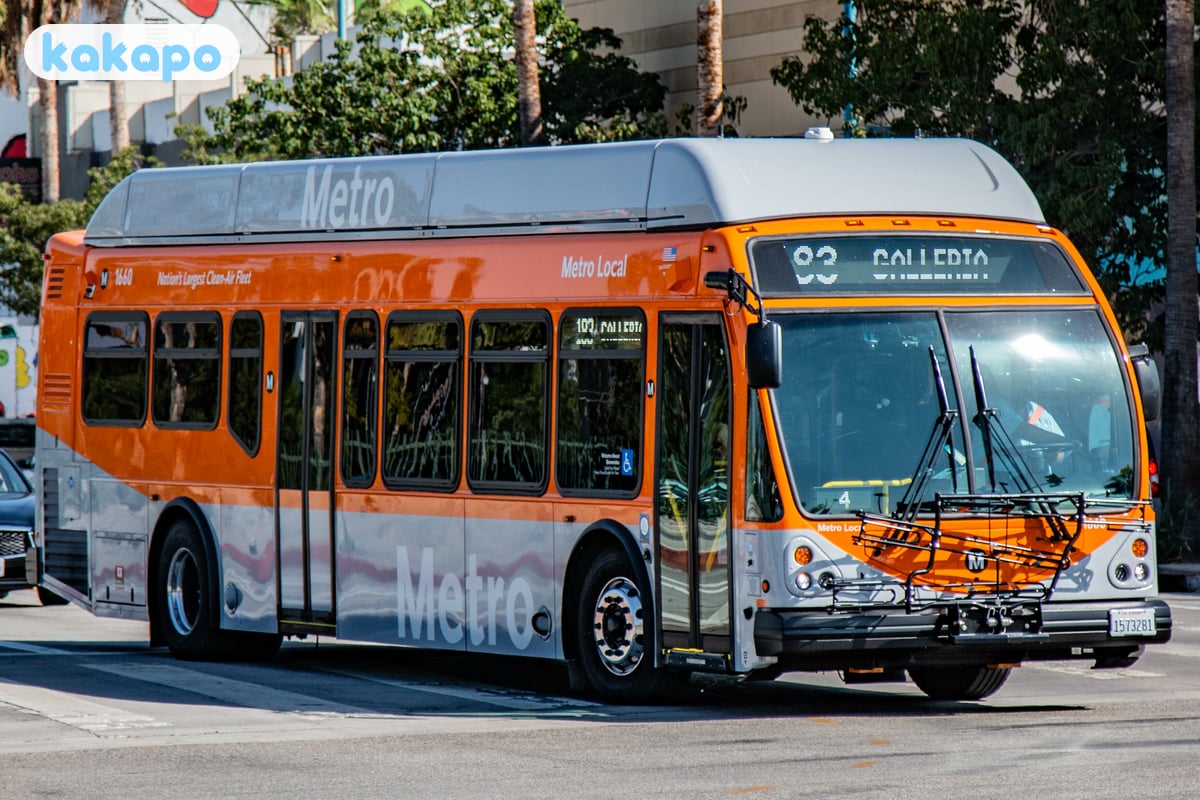
- LA Metro: 6 lines. Expanded recently; useful for some routes (downtown-Hollywood, downtown-Santa Monica via Expo, downtown-Long Beach). $1.75 single, $5/day TAP card.
- Uber + Lyft: cheaper than taxis; ubiquitous.
- Waymo: driverless taxis live in some LA neighbourhoods.
- Rental car: the default for most LA visitors.
- LAX Airport: 28 km west of downtown. LAX-it shuttle to FlyAway buses and rideshare pickup points (don't try to get a rideshare directly at terminal). The new Metro K Line direct connection opened 2024.
Money, food, the cost story
- Currency: US dollar.
- Tipping: 18-22% in restaurants.
- Tax: 9.5% sales tax in LA County.
- Cost: hotels $200-450/night standard; dinner $35-80/person.
- Tap water: safe (mineral-heavy in some areas).
Neighbourhood-by-neighbourhood breakdown
- Santa Monica — beach city west of LA proper. The Pier, Third Street Promenade, Palisades Park. Walkable (rare for LA), family-friendly, very safe. The cliffs above Palisades Park have the best free LA sunset.
- Venice and Marina del Rey — south of Santa Monica. Venice Beach boardwalk (eclectic, hippie, some homelessness around the boardwalk south end); Abbot Kinney for boutique shopping. Marina del Rey is calmer marina-side. Day-walkable; evening solo Venice boardwalk less recommended.
- Beverly Hills and West Hollywood — Rodeo Drive, the Sunset Strip, the boutiques on Melrose. Beverly Hills is famously safe (its own private police); WeHo is the LGBTQ+ nightlife centre. Both very safe.
- Hollywood — the tourist anchor. Hollywood Boulevard, Walk of Fame, Chinese Theatre, Capitol Records Tower. Busy daytime; pickpockets and aggressive costumed characters work the area; sketchier after 22:00.
- Downtown LA (DTLA) — Bunker Hill financial district, LA Live, the Arts District, Little Tokyo, Grand Central Market, the Broadway theatres. Daytime business-busy; evening event-driven (Crypto.com Arena, Music Center); some in-between hours feel empty. The Arts District east edge runs right up against Skid Row.
- Skid Row — 50 blocks east of DTLA, between roughly 3rd/Main and 7th/Alameda. The US's largest concentrated homelessness crisis. Drive around, not through; walk only the Arts District (east edge) or Little Tokyo (west edge).
- Pasadena — north-east, suburb feel. Old Town Pasadena, the Norton Simon and Huntington museums. Very safe, calm, residential.
- Silver Lake, Echo Park, Los Feliz — hip east-side neighbourhoods. Indie cafés, vintage shops, the Hollywood Sign hikes from Griffith Park. Generally very safe.
- Compton, Watts, South LA — news-headline neighbourhoods that aren't on any tourist itinerary. Higher reported crime; no reason to visit.
- Malibu and Pacific Palisades — coastal canyon neighbourhoods. Spectacular but high wildfire risk; the 2025 fires devastated parts of both.
If it's your first time visiting
- Best arrival airport: LAX is the main international gateway, 28km west of downtown. The new Metro K Line connects LAX-City via the LAX/Metro Transit Center (since 2024) — $1.75 plus TAP card, around 40 minutes to downtown. Uber/Lyft pickup is at the LAX-it lot (free shuttle from terminals); rideshare to Hollywood/Beverly Hills is $35-65. FlyAway buses to Union Station are $9.75 in 40 minutes. Rent a car only if you're driving outside the central neighbourhoods.
- Plan around the traffic. LA freeway names always take "the" (the 405, the 101) and rush hour is 7-10am and 4-7pm. A 15-mile trip can take 20 minutes or 90 — build buffer. Use Waze rather than Apple/Google Maps for live LA-specific routing.
- Best neighbourhood for your first night: Santa Monica for beach/walkable; Beverly Hills for upmarket safety; Hollywood for tourist-icon proximity but expect noise; West Hollywood for nightlife. Avoid booking in deep DTLA or near Hollywood Boulevard east of Vine for your first stay.
- Day 1, jet-lag friendly: walk the Santa Monica Pier and Third Street Promenade, drinks at sunset on a Hotel Casa del Mar terrace, dinner at a beach-adjacent restaurant. Lets you ease into the time zone without sitting in traffic.
- Common rookie mistakes: leaving anything visible in a rental car (LA's signature property crime — leave bags in trunk only before getting near the destination, not at the destination); driving in the carpool/HOV lane solo (the diamond-marked lane requires 2+ occupants; ticket is $500+); driving after a single drink (California 0.08 BAC and strict enforcement); tipping 10% in a restaurant (20% is the floor; service-included is essentially never noted); walking from a downtown hotel to Skid Row "to see it" (don't); under-budgeting parking (downtown lots are $25-50/day, restaurants charge $15-30 for valet, hotel parking is $40-75/night extra).
- Pre-book Universal Studios, Disneyland, the Griffith Observatory parking shuttle, and a TV-show taping. Walk-ups exist but you'll waste hours queueing.
- Have N95 masks and the Cal Fire AQI app installed before you fly. Wildfire smoke can drop air quality to "hazardous" in hours, even when fires are 100km away.
- Don't drive Mulholland Drive at night — it's stunning by day, treacherous and accident-prone at night, and the pull-outs are car-burglary targets.
Practical info — emergency numbers
- Emergency: 911.
- LAPD non-emergency: 877-275-5273.
- Cedars-Sinai ER: 310-423-3277.
- UCLA Medical Center ER: 310-825-2111.
Bring: travel insurance with full medical, comfortable walking shoes, an unlocked phone (T-Mobile, AT&T, Verizon), N95 masks if visiting in wildfire season, and Cal Fire AQI app for air quality.
Frequently asked questions
Is Los Angeles safe to visit in 2026?
Yes, with sharp neighbourhood variation — LA scores 76/100. UK FCDO and US State Department treat the US at routine baseline; LA itself is low-advisory. The defining LA reality is the Westside vs South LA split: Santa Monica, Venice (with the Boardwalk caveat), Beverly Hills, West Hollywood, Culver City, Sawtelle, Brentwood, the South Bay beach cities (Manhattan, Hermosa, Redondo) — all routine. Hollywood proper after dark, Skid Row in downtown, parts of South LA south of the 10, and Watts have very different crime reads. The realistic risks are vehicle break-ins (LA's defining property crime, with bag-snatch from car-window the dominant pattern), homelessness density (more visible than dangerous; Skid Row specifically should be avoided rather than walked through), the 2025 Palisades and Eaton wildfire aftermath context (Palisades and Altadena are still partly rebuilding), freeway driving, and Pacific rip currents at unguarded beaches.
Is Los Angeles safe at night?
Mostly yes, with strict neighbourhood-by-neighbourhood read. Santa Monica's 3rd Street Promenade and Pier, Venice Abbot Kinney (not the Boardwalk after dark), Beverly Hills, West Hollywood's Sunset Strip, Culver City Downtown, Downtown Arts District restaurants, Koreatown, Silver Lake and Los Feliz Sunset Junction are all well-lit and busy late. Hollywood Boulevard around the Walk of Fame is touristy but the side streets thin to sketch by 23:00; the area east of La Brea / Vine after midnight is not where you want to walk. Skid Row (5th and San Pedro / 6th and Main area) — daytime only, ideally not at all. The Metro Rail E Line (formerly Expo) runs Santa Monica to Downtown LA in ~50 minutes and is the cheapest reliable late-night option to about midnight — the trains run; the platforms (especially 7th/Metro and Pico) have visible homelessness and the security read varies by night. Uber and Lyft are the default for after-hours rides — surge pricing is real but supply is universal.
What's the biggest risk to be aware of in Los Angeles?
Vehicle break-ins. LA's defining property crime — smash-and-grab on parked cars at trailhead lots (Runyon Canyon, Griffith Park, Temescal Canyon), shopping centres (the Grove, Century City, the Beverly Center), tourist parking (Hollywood Boulevard, Santa Monica Pier, the Getty), and Airbnb / hotel street parking. NEVER leave anything visible — not bags, not chargers, not jackets, not USB cables (yes, signals an iPhone is in there). Transfer valuables to the trunk BEFORE you arrive at the destination. Second is the wildfire-season reality (October-December Santa Ana winds; the January 2025 Palisades fire destroyed ~6,800 homes in Pacific Palisades and the Eaton fire destroyed ~9,400 in Altadena, both still partly rebuilding) — check airnow.gov for AQI during your visit. Third is earthquake exposure (the 30-year M6.7+ probability on the San Andreas remains substantial); know how to drop-cover-hold-on, and don't sleep in pre-1980 un-retrofitted soft-story apartments if you have a choice.
Can you drink tap water in Los Angeles?
Yes — LADWP supplies LA tap water from a mix of California State Water Project, Colorado River, Owens Valley aqueduct and local groundwater, meets EPA and California Division of Drinking Water standards, and is genuinely safe. Tastes vary by neighbourhood and time of year — Westside often tastes harder, Eastside slightly different — many residents use under-counter filters (Brita, Pur, reverse-osmosis) for taste preference rather than safety. Brushing, ice, all fine. The 2025 Palisades fire produced post-fire 'do not drink' notices for the immediate burn-zone supplies — those have been lifted in most areas; check ladwp.com if you're staying in the Palisades or Altadena rebuilding zones.
Should I worry about homelessness in LA?
Be aware, not afraid. LA has the largest unsheltered homeless population in the US — ~75,000+ across the county per the 2024 LAHSA count — and the visibility is much higher than in most other US cities. Tent encampments around Skid Row (5th-7th and San Pedro-Main in DTLA), parts of MacArthur Park, sections of the Venice Boardwalk, the 110 freeway underpasses and certain Metro stations are the realistic concentration zones. The risk to visitors is mostly indirect — mental-health crises, drug-use scenes, and aggressive panhandling that's startling but rarely violent — rather than targeted crime. The right calibration: don't walk through Skid Row, don't sleep in your car in public lots, don't engage with someone clearly in mental-health crisis (call 988 or LAPD non-emergency 877-275-5273 if you're worried), give to organised charities (Union Rescue Mission, LA Mission, the Midnight Mission) rather than street-level if you want to help. The dignity-level here matters — these are people in crisis, not props for visitor anxiety.
Sources
Run a business in Los Angeles?
Show visitors your Los Angeles business is a safe choice. The free Verified by Kakapo badge puts Los Angeles's live safety score on your website, links back to your verified page, and updates itself. No cost.
Get the free badge →