


Is Istanbul, Turkey Safe? A 2026 Travel Safety Guide
Sultanahmet, the airport-taxi scams, the seismic fault under the city, and the realistic visitor risks of one of the world's most visited cities.

Istanbul is one of the most-visited cities in Europe and broadly safe for tourists, with the realistic risks concentrated in airport transfers, specific scam clusters around Sultanahmet, and the underlying seismic risk that the city has been preparing for over the last 20 years.
The UK FCDO and US State Department list Turkey at Level 2 ("exercise increased caution"), with specific warnings about parts of the south-east near the Syrian border (well outside Istanbul). For Istanbul itself, the advisory level is the same general European baseline — vigilance for the residual terror-threat context, especially around government buildings and large gatherings.
Sultanahmet — the tourist core (Hagia Sophia, Blue Mosque, Topkapı, Grand Bazaar) — is heavily policed and feels notably safer than its size and crowd density would suggest. The neighbourhoods that need a bit more awareness are Beyoğlu/Taksim after dark and the rougher edges of Aksaray. Most visitors don't go there.
Visiting Istanbul for the first time, the thing that catches most travellers off-guard isn't scams — it's the size. Istanbul stretches 100km along the Bosphorus and is genuinely two continents; "going to the Asian side for dinner" is a ferry ride or a Marmaray train, not a metro hop. First-time visitors who try to cover Sultanahmet, the Grand Bazaar, Galata, Taksim, and Kadıköy in one or two days end up exhausted and seeing little well. Pick one zone per day and stay with it.
In 2026, the specific things that have changed since pre-pandemic include: the Turkish lira's sustained inflation means prices in local currency look alarming but USD/EUR equivalents are still travel-friendly — €1 = ~₺35-40 at time of writing, so a ₺900 taxi to Sultanahmet is around €25; the new Istanbul Airport (IST) is fully bedded in and connected via the M11 metro to Gayrettepe (₺75, 30 minutes); the Hagia Sophia now operates as a functioning mosque again, with prayer-time closures and a paid tourist entry of €25 for upper-gallery access; and the post-2023-earthquake context has put Istanbul's own seismic risk back in the public conversation, with retrofitting works visible across many older neighbourhoods.
| Night safety | 76/100 |
|---|---|
| Scam / petty-crime risk | Medium |
| Violent crime (tourists) | Low |
| Most common scams | friendly local carpet/shoe scam in Sultanahmet; shoeshine drops a brush scam in Sultanahmet; VIP bar scams in Beyoğlu |
| Safer neighbourhoods | Sultanahmet, Sirkeci, Eminönü |
| Data sources cited | 4 |
| Last verified |
What the score means — 73/100
- Healthcare (80) — Istanbul has world-class private hospitals (Memorial, American Hospital, Acıbadem) that draw medical tourists from across the region. International-standard, English-speaking.
- Night (76) — Sultanahmet, Beyoğlu, and Karaköy are alive late and well-policed. Specific outer districts (Aksaray after midnight, parts of Taksim's quieter side streets) need awareness.
- Transport (76) — Istanbulkart-based metro, tram, ferry, and bus network is good. Airport-taxi scams drag the score.
- Personal safety (72) — moderate. Pickpocketing in Grand Bazaar and the trams; otherwise low-violence-against-tourists.
Airport taxis — the long-running scam

Istanbul's airport-taxi scene is the most consistently complained-about visitor risk. Both airports are relevant:
- Istanbul Airport (IST) — the main airport. Real taxi metered fare to Sultanahmet: ~₺700-900 (2026 prices, ~$20-25 USD). Scammers quote ₺2,000-3,000 fixed.
- Sabiha Gökçen (SAW) — the budget airport on the Asian side. Real metered fare to Sultanahmet: ~₺1,200-1,500 (longer, includes tunnel/bridge tolls).
- Use the official taxi rank only. Drivers approaching you inside the terminal are unregulated.
- Insist on the meter ("taksimetre"). If the driver refuses, get out and take the next taxi. Drivers know their licence is at risk if reported.
- The "credit card machine isn't working" scam — pay with cash if possible, or insist on a working machine.
- Best alternative: take the IST Havaist airport bus (~₺125, 90 min to Taksim). Or the M11 metro to Gayrettepe, then change. Dramatically cheaper, no scam exposure.
- Bitaksi or Uber — Bitaksi is the local ride-share equivalent; works well. Uber operates in Istanbul as a regulated taxi service.
Areas — Sultanahmet, Beyoğlu, the Asian side
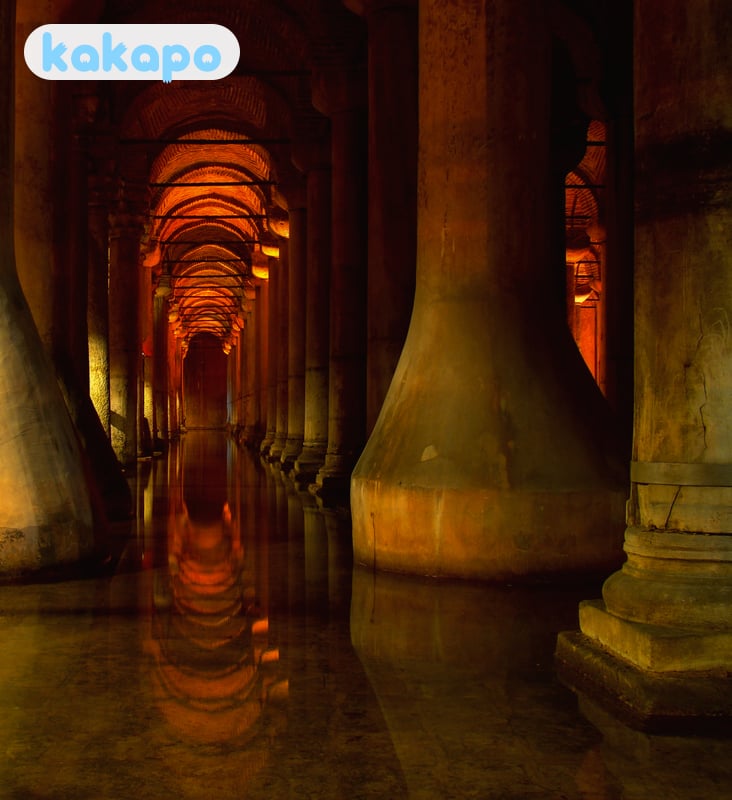
Comfortable everywhere: Sultanahmet (the tourist core), Sirkeci (around Topkapı and the rail station), Eminönü (the ferry hub), Karaköy (modern bars and galleries), Galata, Beyoğlu's main tourist axis (İstiklal Avenue), Beşiktaş, Ortaköy, Levent (financial district), Kadıköy and Moda on the Asian side.
Stay aware after dark: Aksaray and Laleli — older budget-tourist district, mixed vibe; daytime fine, late-night solo walks less comfortable. Tarlabaşı (off İstiklal) — gentrifying but still rough; tourists rarely have a reason to be in the back streets.
Demonstrations: Taksim Square is the historical site of major political gatherings. Periodic marches; police sometimes block access. Avoid the area when marches are scheduled (consult local news).
The bridges and ferry crossings: the Galata Bridge is a tourist favourite; the Bosphorus ferries are safe and recommended (line Eminönü-Üsküdar, ₺17, 20 min — best cheap city tour anywhere).
Sultanahmet and Grand Bazaar scams
- "Friendly local" carpet/shoe scam — overly-helpful Turkish-speaking man offers to "show you Istanbul" or "tell you about my country." Conversation ends at his cousin's carpet shop / leather workshop / tea house with high-pressure sales. Polite firm "no, thank you, I have plans" and walk on.
- "Shoeshine drops a brush" scam — shoeshiner walking ahead of you "drops" a brush, you pick it up to be helpful, he offers a "free" shine that turns into ₺200-500 demand. Walk on.
- Grand Bazaar carpet shops — most are fine, but the high-pressure ones can hold you in for an hour with ₺500 of "free" tea. Set a firm exit time before entering.
- Restaurant tourist menus immediately around Hagia Sophia — Turkish prices are negotiable; the listed prices often exclude "service" or "bread." Confirm before ordering.
- Currency exchange offices ("Döviz") in tourist areas have terrible rates. Use ATMs at Garanti BBVA, İş Bankası, Ziraat for euro/USD-to-lira withdrawals.
- "VIP bar" scams in Beyoğlu — the same touted-bar pattern as Roppongi/Patpong: nice-looking man invites you for "one drink," you find yourself with a ₺10,000 bill and uncomfortable men blocking the door. Don't follow strangers to bars.
Earthquake risk — the underrated background fact
Istanbul sits very close to the North Anatolian Fault. Major earthquakes have hit the region historically (1999 İzmit M7.6); seismologists have warned for years that another major Marmara-region quake is likely within decades.
- Building codes: Turkey strengthened post-1999 codes substantially, but a great deal of Istanbul's housing stock predates those codes.
- For visitors staying 3-7 days: the realistic risk during a short trip is low. We don't recommend "earthquake-aware" hotel selection — but if you're staying in the very oldest part of Sultanahmet (some buildings 100+ years old), be aware that older masonry is more vulnerable.
- If you feel a tremor: get away from glass shop fronts, get under a sturdy table indoors, don't run downstairs.
- AFAD (Disaster and Emergency Management) issues alerts; phones in Turkey receive automatic seismic alerts.
Trams, ferries, and crossing the Bosphorus

- Istanbulkart is the universal public-transport card. Buy one on arrival at the airport or any metro station (₺50 deposit + your topup). Works on metro, trams, ferries, buses.
- Tram T1 (the historic peninsula tram) connects Bağcılar through Sultanahmet to Kabataş. Useful and pickpocket-active during peak hours.
- Bosphorus ferries — multiple operators (City Lines, Şehir Hatları). Eminönü to Üsküdar / Kadıköy / Beşiktaş runs every 15-20 min. Cheap, scenic, recommended.
- Marmaray — the underwater rail tunnel connecting Europe and Asia. Modern, fast, very useful for Sirkeci-Üsküdar in 4 minutes.
- Driving in Istanbul: chaotic. Traffic jams routine. We don't recommend renting a car in the city; for day trips to Princes' Islands or Şile, use public transport.
Neighbourhood-by-neighbourhood breakdown
- Sultanahmet — the tourist core on the historic peninsula. Hagia Sophia, Blue Mosque, Topkapı Palace, Basilica Cistern, Grand Bazaar. Heavily-policed, very safe day and night. The shoe-shine and carpet-shop scams are the dominant annoyances.
- Eminönü and Sirkeci — the ferry terminals, Spice Bazaar, Galata Bridge base. Crowded by day, calmer at night. Safe; pickpockets work the bazaar and tram stops.
- Karaköy and Galata — north side of the Golden Horn. Galata Tower, the hip restaurant strip, the climb up to Istiklal. Safe and increasingly polished; the narrow streets up the hill are pleasant evening walking.
- Beyoğlu and Taksim — modern Istanbul. Istiklal Avenue (the pedestrian boulevard), Taksim Square, the side-street nightlife. Safe on Istiklal proper; the back streets of Tarlabaşı (one block west) are rougher and unnecessary for visitors. Touted-bar scams happen on the Istiklal side streets after midnight.
- Beşiktaş and Ortaköy — north along the European Bosphorus shore. Beşiktaş is the local-residential neighbourhood with markets and football; Ortaköy is the Instagram-postcard waterfront with the mosque under the bridge. Both safe, both calmer than Beyoğlu.
- Kadıköy and Moda (Asian side) — across the Bosphorus by ferry from Eminönü or Karaköy. Local-foody-creative neighbourhood, weekend-market culture, Bagdat Caddesi. Safer-feeling and less touristy than anything on the European side. The 20-minute ferry across is a highlight in itself.
- Üsküdar (Asian side) — older, more conservative, more religious. Beautiful waterfront mosques (Mihrimah Sultan, Şemsi Paşa). Safe; modest dress appreciated.
If it's your first time visiting
- Best arrival airport: Istanbul Airport (IST), the main hub. To Sultanahmet: the M11 metro to Gayrettepe then transfer to M2 to Şişhane / Vezneciler (~₺75, 60 min), or the Havaist H-2 bus to Taksim or H-4 to Sultanahmet (~₺125, 90 min), or a metered taxi from the official rank (~₺700-900, 45-60 min). Sabiha Gökçen (SAW) on the Asian side: Havabus to Kadıköy or Taksim (~₺100), or taxi (~₺1,200-1,500).
- Buy an Istanbulkart on arrival. Universal card for metro, tram, ferry, bus, funicular. ₺70 deposit + topup at any station or kiosk. The Istanbul transit system is excellent and cheap (₺17-20 per ride); doing it without a card is needlessly painful.
- Best neighbourhood for your first night: Sultanahmet if you want to walk to the major sites from your door; Karaköy or Galata if you want a hipper, less-touristy base with quick tram access to Sultanahmet; Beyoğlu/Cihangir if you want nightlife and modern Istanbul. Avoid first-time bookings in Aksaray (cheap but scrappy), Laleli (old budget-tourism, mixed vibe), or anything advertised as "near the airport."
- Day 1, jet-lag friendly: walk Sultanahmet — Blue Mosque, Hagia Sophia (book online to skip the queue), the Hippodrome obelisks, Basilica Cistern. Lunch at Hocapaşa Sokağı. Afternoon Grand Bazaar (4,000 shops; close at 7pm, closed Sundays). Everything within 1km, all flat.
- Common rookie mistakes: picking up a dropped shoe-shine brush "to help" (it's the shoe-shine scam, you'll be charged ₺500); accepting a "free tea" invitation at a carpet shop in the Grand Bazaar (high-pressure sale follows, expect to spend 90 minutes wriggling out); changing money at "Döviz" exchange offices in tourist areas (terrible rates — use a Garanti BBVA or İşbank ATM instead); wearing shorts inside the Blue Mosque or Hagia Sophia (women need a headscarf — provided at the entrance — and everyone needs covered shoulders and knees); and tipping by percentage (round up or 10% is normal; 18-22% American-style isn't expected).
- Use BiTaksi or Uber for taxis, not street hails. The "broken meter" scam is real with hailed yellow taxis. BiTaksi (the Turkish equivalent of Bolt/Uber) shows the fare upfront and bypasses haggling.
- Crossing the Bosphorus: take the public ferry, not a tour boat. Eminönü to Kadıköy is ₺17 and 20 minutes, with views worth €100. Multiple routes: Eminönü, Karaköy, Beşiktaş on the European side connect to Kadıköy and Üsküdar on the Asian.
- Mosque visits: prayer times mean closures of 30-60 minutes 5 times a day, plus Friday midday Jumu'ah (longer). Check the day's prayer times before planning Hagia Sophia / Blue Mosque. Shoes off, carry them in the plastic bag provided.

Practical info — emergency numbers
- Police: 155.
- Ambulance: 112.
- Fire: 110.
- Tourist police: at major sites (Sultanahmet square has a permanent tourist-police office); English speakers available.
- American Hospital (Şişli): +90 212 444 3777 — international-standard.
- Memorial Hospital: multiple sites, all 24h ER.
Bring: modest clothing for mosque visits (women bring a headscarf — provided at major mosques but bring your own as backup), comfortable shoes for cobbles and steep streets, a card without foreign-transaction fees, an unlocked phone (Turkcell, Vodafone, Türk Telekom prepaid SIMs at the airport), and travel insurance. Tap water is technically drinkable but visitors universally use bottled.
Frequently asked questions
Is Istanbul safe to visit in 2026?
Yes. Istanbul is broadly safe for tourists with the well-documented Sultanahmet + Taksim scam patterns. US State Department lists Türkiye at Level 2 (terrorism baseline + south-east border carve-outs which aren't on tourist routes). UK FCDO has no overall advisory against Istanbul travel. Real concerns: the carpet/shoe-shine scams, currency-exchange manipulation, occasional protests at Gezi Park/Taksim, and the standard Levantine-summer heat.
Is Istanbul safe at night?
Yes for central tourist areas (Sultanahmet, Karaköy, Galata, Beyoğlu, Taksim Square). Istiklal Caddesi is alive until 03:00. Standard precautions: stick to main streets, use BiTaksi or Uber rather than street taxis (the 'broken meter' scam is real), watch belongings in dense crowds near Galata Tower + Spice Bazaar.
What's the biggest scam to avoid in Istanbul?
The 'friendly shoe-shine drop' — a shoe-shiner walks ahead of you + drops a brush; you pick it up + hand it back; he 'thanks' you with a free shine that turns into a ₺500-1000 charge with intimidation. Walk past + don't pick anything up. Other patterns: carpet-shop bait-and-switch ('come for tea, just look'), 'broken meter' taxis (use BiTaksi/Uber), currency-exchange office hidden commissions (use bank ATMs).
Is Istanbul safe for solo female travellers?
Yes for central tourist areas, with cultural awareness. Modest dress around mosques (shoulders + knees covered + headscarf — provided at the entrance to Hagia Sophia + Blue Mosque). Catcalling is common in some districts but rarely aggressive. Use Uber/BiTaksi rather than street taxis at night. Hagia Sophia is now functioning as a mosque again — prayer-time closures mid-day.
Can you drink tap water in Istanbul?
Technically yes — Istanbul's tap water is treated + safe. Practically no — most locals + visitors prefer bottled. The taste is chlorinated + harder than European standards. Bottled water is cheap (₺10-15 / ~$0.30). Ice in restaurants is from filtered/bottled water + safe.
Is Istanbul safe given the political/regional context?
Yes for visitors. Türkiye's domestic politics + the Syria/Iraq border (1,200 km from Istanbul) generate headlines but don't affect Istanbul tourism. Periodic protests at Taksim Square + Gezi Park — generally peaceful + avoidable. The 2016 coup attempt + 2003 + 2016 attacks are historical context; current threat level remains 'baseline elevated' but no specific Istanbul attack since 2017.
Are Hagia Sophia + Blue Mosque safe + open to visitors?
Yes — both are open to visitors but operate as functioning mosques with prayer-time closures (5 daily prayers, typically 30-60 min each + Friday midday Jumu'ah). Hagia Sophia entry ticket €25 + queue. Blue Mosque free entry. Dress code at both: shoulders + knees covered + headscarves for women (provided at entrance). Shoes off + carried in plastic bags (provided).
Sources
Run a business in Istanbul?
Show visitors your Istanbul business is a safe choice. The free Verified by Kakapo badge puts Istanbul's live safety score on your website, links back to your verified page, and updates itself. No cost.
Get the free badge →