


Is Istanbul Safe for Solo Female Travellers? Turkey 2026 Guide
The Sultanahmet old city, the Beyoğlu nightlife strip, the Asian-side Kadıköy, and an honest read on harassment, dress norms, and the Istanbul-specific patterns solo women actually encounter.

Istanbul — Turkey's largest city, the trans-continental megalopolis on the Bosphorus, the second-most-visited city in Europe in 2024 (after Paris) — is among the more solo-female-friendly major cities in the broader Middle Eastern region. Turkish secular tourism infrastructure is well-developed; the central Sultanahmet, Beyoğlu, and Kadıköy districts have visible Turkish National Police and Jandarma presence; the cultural baseline in Istanbul (more than in Anatolian Turkey) treats Western female tourists in standard tourist clothing as normal, not transgressive.
The honest read for 2026: violent crime against tourists is low and incidents are rare, but street harassment from men is a more persistent reality than in Western European capitals — catcalling, prolonged staring, occasional unwanted approaches in markets and tourist areas. The Beyoğlu/Taksim nightlife district has long-running drink-spike warnings particularly affecting solo female tourists, the taxi-meter-refusal pattern is universal, and conservative-dress expectations apply at mosques and in less-touristy neighbourhoods (Fatih, parts of Üsküdar). The 2023 earthquake's effect was minimal on Istanbul itself but the city has tightened building inspection.
This guide covers the Istanbul-specific solo-female reality, neighbourhood differences, the Beyoğlu protocol, and the practical norms.
| Night safety | 60/100 |
|---|---|
| Scam / petty-crime risk | Medium |
| Violent crime (tourists) | Low |
| Safer neighbourhoods | Sultanahmet, Beyoğlu |
| Data sources cited | 4 |
| Last verified |
Neighbourhood breakdown for solo female travellers
- Sultanahmet (old city): the tourist core with Hagia Sophia, Blue Mosque, Topkapi, Grand Bazaar. Heavily policed, dense with tourists, generally comfortable. Carpet-shop and restaurant tout attention can be persistent but not threatening.
- Beyoğlu (Taksim, Galata, Cihangir): the nightlife and cosmopolitan district. Mostly comfortable; Istiklal Avenue is heavily walked all hours; the side streets off Istiklal are where the drink-spike pattern concentrates.
- Karaköy and Galata: gentrified café-and-boutique area, very comfortable; some of Istanbul's best solo-female-friendly cafés and bars.
- Kadıköy (Asian side): hipster-bohemian district, the most relaxed solo-female environment in central Istanbul — Moda neighbourhood especially.
- Üsküdar (Asian side): traditionally conservative; modest dress more important; lovely for daytime mosque visits but less of a solo-evening choice.
- Fatih (Çarşamba area): conservative neighbourhood; appropriate dress essential; not a tourist-comfort zone for solo women in shorts/strappy tops.
Street harassment — the honest picture
- The pattern: catcalling, prolonged staring, occasional approaches asking "where are you from" leading to invitations for tea/dinner. More common than in Western European capitals but rarely escalates to physical aggression.
- Hotspots: Sultanahmet square (carpet-shop touts use friendliness as the conversation hook), Grand Bazaar (carpet/leather shop owners), Beyoğlu side streets late at night.
- The Turkish "merhaba" approach: many touts open in English ("Hello, where are you from?") — the cultural script expects a polite refusal; clipped "no thank you" and continuing to walk is the correct response, not engagement.
- Dress and harassment: in Sultanahmet/Beyoğlu/Kadıköy, standard tourist clothing (jeans, shorts in summer, T-shirts) is normal and worn by locals; doesn't materially affect harassment levels. In conservative neighbourhoods (Fatih, parts of Üsküdar), modest covering shoulders/knees reduces unwanted attention.
- The response protocol: don't engage, don't smile politely, don't make eye contact, walk on. Engaging even briefly invites continued approach. If persistent, walk into a hotel lobby, café, or police checkpoint.
- Reporting: physical harassment or assault should be reported to Turkish National Police (155). Tourist Police speak English; the experience is generally taken seriously in central Istanbul.
Beyoğlu and Taksim nightlife — the protocol
- The geography: Istiklal Avenue is the main pedestrian drag, walked all hours, well-lit. The side streets off Istiklal (Asmalı Mescit, Nevizade) contain most of the bars and restaurants.
- The drink-spike pattern: solo female tourists at Beyoğlu side-street bars have been a documented target. The pattern: friendly local invites you to "his friend's bar," drinks are spiked, the bill arrives at 5,000-10,000 lira and physical intimidation enforces payment. UK FCDO has specifically warned about this since the 2010s.
- The fix: never accept an invitation to a bar from a stranger met on the street; choose your own bar; never let your drink out of sight; pay as you go rather than running a tab.
- Reputable bars/clubs: 360 Istanbul (rooftop, Mikla, Sortie at Kuruçeşme — these are mainstream venues with menu pricing and salaried staff.
- The Asian-side alternative (Kadıköy): bars in Kadıköy/Moda are markedly less scammy and more solo-female-friendly. The Marmaray train under the Bosphorus takes 15 minutes from Sirkeci to Ayrılık Çeşmesi.
- Going home: BiTaksi (Turkey's standard ride-hailing) or Uber Taxi — both safer than street-hailed taxis at night.
Transport and the taxi situation
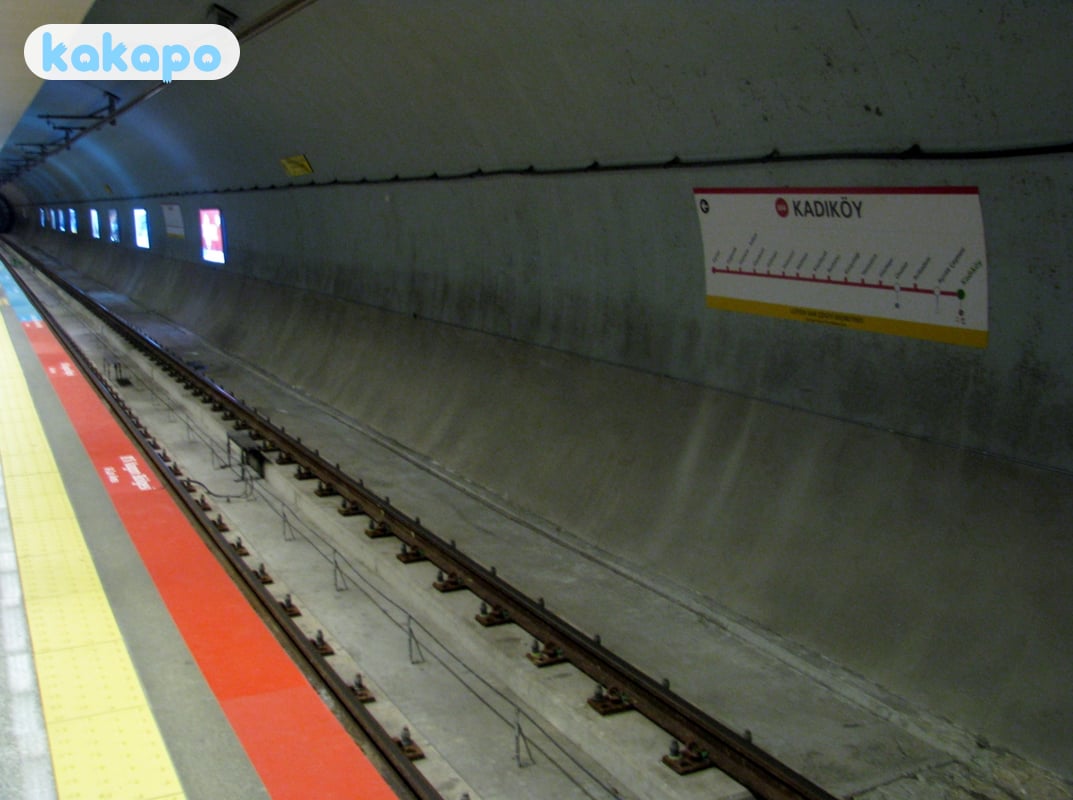
- Istanbul metro and tram: extensive, safe, female-friendly. Sultanahmet, Beyoğlu, Karaköy all served. Operates approximately 06:00-00:30.
- Marmaray (under-Bosphorus train): connects European and Asian sides in 4 minutes from Sirkeci to Üsküdar. Cheap, safe, fast.
- The taxi meter refusal pattern: street-hailed Istanbul taxis routinely refuse the meter and quote inflated fares to foreigners. The fix: BiTaksi or Uber Taxi (both summon licensed taxis with mandatory meter use), or insist on meter and exit if refused.
- The classic taxi scams: the "your money is fake" switch (driver swaps your 200-lira note for a 20 and demands more), the "the meter is broken" inflation, the route-padding around Sultanahmet. Pay with exact change where possible; photograph the taxi plate.
- Ferries: Bosphorus ferries (the most pleasant Istanbul transit experience) are safe and recommended for crossing or for sightseeing.
- The airport (IST): from central Istanbul use the M11 metro line to IST (~45 minutes), Havaist airport buses, or BiTaksi. Avoid solicited drivers at the airport.
Dress, mosques, and Ramadan
- Standard tourist dress: jeans, T-shirts, shorts in summer are all normal in Sultanahmet, Beyoğlu, Kadıköy. Modesty isn't required in tourist Istanbul.
- Mosque visits: covering hair, shoulders, knees is mandatory for women entering any mosque (Blue Mosque, Süleymaniye, etc.). Headscarves are provided at major tourist mosques but bringing your own is more comfortable.
- Conservative neighbourhoods: in Fatih, parts of Üsküdar, the Eyüp area, more modest dress (covered shoulders, knees) reduces stares and unwanted attention.
- Ramadan: in 2026 Ramadan falls in February-March. Eating, drinking, and smoking in public during daylight is technically tolerated for tourists but considered insensitive in conservative neighbourhoods. Restaurants stay open serving tourists; many close briefly at iftar.
- Alcohol: widely available in Beyoğlu, Kadıköy, hotels; less common in Sultanahmet (some restaurants don't serve). 2024 alcohol-tax increases have made bar tabs notably higher.
- LGBT note: Pride parades have been banned in Istanbul since 2015; same-sex relationships are legal but social acceptance varies. Same-sex couples are advised to be discreet in conservative areas.
If something happens
- 112 — Turkey unified emergency.
- 155 — Police.
- Tourist Police (Yabancılar Polisi): in Sultanahmet near the tram stop; English-speaking.
- American Hospital (Amerikan Hastanesi) and Acıbadem hospitals: international-standard Istanbul medical care.
- UK Consulate General Istanbul: +90 212 334 6400.
- US Consulate General Istanbul: +90 212 335 9000.

Frequently asked questions
Is Istanbul safe for solo female travellers in 2026?
Yes — among the more solo-female-friendly major cities in the broader Middle Eastern region. Violent crime against tourists is low, Turkish National Police visibility in central districts is high, and the tourism infrastructure (Sultanahmet, Beyoğlu, Kadıköy) is well-developed. The honest catches are persistent street harassment from men (catcalling, prolonged staring, friendly-approach touts), the Beyoğlu drink-spike scam targeting solo women in side-street bars, and the universal taxi-meter-refusal pattern. Use BiTaksi or Uber Taxi, never accept a bar invitation from a street stranger, and use the response protocol of clipped 'no thank you' to all unsolicited approaches.
What is the Beyoğlu drink-spike scam?
A documented pattern targeting solo female tourists (and male tourists too): a friendly local on Istiklal Avenue or surrounding streets invites you to 'his friend's bar' nearby, drinks are spiked, the bill arrives at 5,000-10,000 lira (sometimes more) and physical intimidation enforces payment by card. UK FCDO has specifically warned about this since the 2010s. The fix is simple: never accept an invitation to a bar from a stranger met on the street, choose your own bar, never let your drink out of sight, and pay as you go rather than running a tab. Mainstream venues (360 Istanbul, Mikla, hotel rooftops) are scam-free.
How much harassment will I actually experience in Istanbul?
More than in Western European capitals but less than in some other Mediterranean cities. The pattern is catcalling, prolonged staring, and friendly-approach touts (the 'merhaba, where are you from' opener) particularly in Sultanahmet (carpet shops, restaurant touts), Grand Bazaar, and Beyoğlu side streets late at night. Physical escalation is rare in central Istanbul. The response protocol: don't engage, don't smile politely, don't make eye contact, walk on. Engaging briefly invites continued approach. In Kadıköy and Karaköy harassment is markedly lower.
What should I wear in Istanbul as a solo female traveller?
In Sultanahmet, Beyoğlu, Karaköy, and Kadıköy: standard tourist clothing is normal — jeans, T-shirts, shorts in summer, dresses, all worn by local Istanbul women. Modesty is not required in tourist Istanbul. For mosque visits (Blue Mosque, Süleymaniye, any mosque): covering hair, shoulders, and knees is mandatory; major tourist mosques provide headscarves, but bringing your own is more comfortable. In conservative neighbourhoods (Fatih, parts of Üsküdar, Eyüp), covered shoulders and knees reduce stares and unwanted attention.
Are Istanbul taxis safe and how do I avoid scams?
Licensed taxis are physically safe but the meter-refusal and route-padding scams are universal. The standard fixes: use BiTaksi (Turkey's standard ride-hailing app) or Uber Taxi — both summon licensed taxis with mandatory meter use, eliminating the negotiation. For street-hailed taxis, insist on the meter and exit if refused. Other classic scams: the 'your money is fake' switch (driver swaps your 200-lira note for a 20), the 'broken meter' inflation, the route-padding around Sultanahmet. Pay exact change where possible; photograph the taxi plate.
Is the Beyoğlu nightlife scene safe for solo women?
Yes for mainstream venues (360 Istanbul rooftop, Mikla, hotel-rooftop bars, the major Karaköy gastro-bars) — menu pricing, salaried staff, scam-free. Avoid the side-street bars that operate the drink-spike pattern, and never follow a street-met stranger into 'his friend's bar.' The Asian-side Kadıköy/Moda nightlife is markedly less scammy and more solo-female-friendly; the Marmaray train under the Bosphorus takes 15 minutes from Sirkeci. Going home: BiTaksi or Uber Taxi, not street-hail.
Is the Asian side of Istanbul safer for solo women than the European side?
Kadıköy and Moda on the Asian side are among the most relaxed solo-female environments in central Istanbul — hipster-bohemian, café-and-bookshop dense, light on tourist touting, far less harassment than Sultanahmet or Beyoğlu side streets. The Marmaray train makes the cross-Bosphorus commute easy (15 minutes Sirkeci to Ayrılık Çeşmesi). Üsküdar on the Asian side is more conservative — lovely for daytime mosque visits and Bosphorus views but less suited to solo female evenings. The Asian side is a strong base for solo female travellers wanting calmer Istanbul.
What should I do if I'm harassed or scammed in Istanbul?
For street harassment that escalates physically: 155 for police; in central Sultanahmet/Beyoğlu, walk to the Tourist Police office near the Sultanahmet tram stop — English-speaking officers and the experience is taken seriously. For taxi scams: photograph the plate, dispute the fare, contact BiTaksi/Uber if applicable. For drink-spike scams or bar over-billing: do not pay, contact 155, the Tourist Police prioritise these cases. For lost passport: file a police report then contact your consulate. UK Consulate +90 212 334 6400; US Consulate +90 212 335 9000.
Sources
Run a business in Istanbul?
Show visitors your Istanbul business is a safe choice. The free Verified by Kakapo badge puts Istanbul's live safety score on your website, links back to your verified page, and updates itself. No cost.
Get the free badge →