


Is Jeddah, Saudi Arabia Safe? A 2026 Travel Safety Guide
The Saudi legal code (post-2019 reforms), Hajj/Umrah pilgrimage gateway, the Mecca non-Muslim closure, Al-Balad UNESCO etiquette, summer 45°C+ heat, and the realities of Saudi Arabia's most cosmopolitan city.

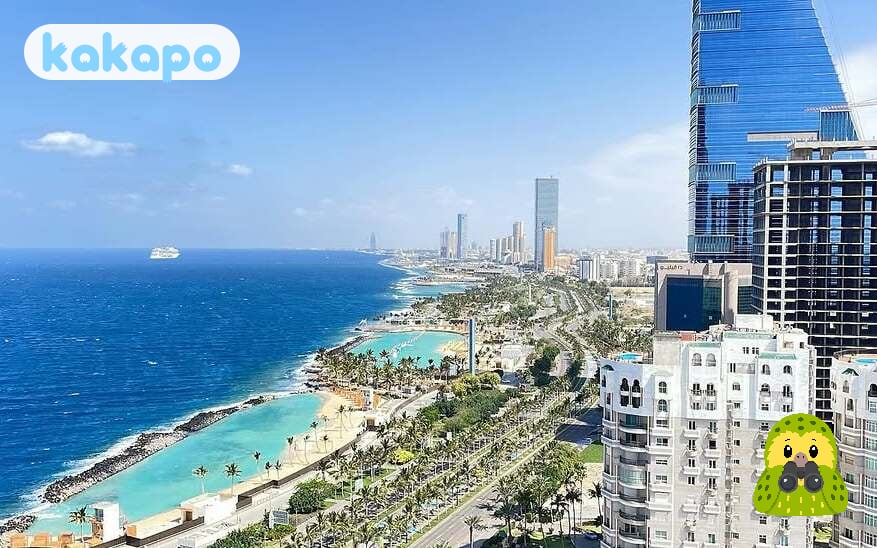
Jeddah — population ~5 million, Saudi Arabia's second-largest city on the Red Sea — is the country's most cosmopolitan urban centre. It's been the historic gateway for Hajj and Umrah pilgrims to Mecca (75 km east) for over 1,400 years, has the most relaxed social atmosphere of any Saudi city (since the 2019 Vision 2030 reforms), and is the new tourism front-of-house for international visitors. Crime against tourists is essentially nonexistent; English support at major hotels is universal.
The honest concerns are about the legal code (substantially reformed since 2019 but still conservative by Western standards), the Mecca / Medina closure to non-Muslims (visitors who attempt to enter face deportation and 5+ year bans), the Hajj season (June-July annually, currently — based on lunar calendar; Jeddah hotels triple in price; pilgrim crowds at airport are intense), extreme summer heat (45-48°C July-August with humidity), and the etiquette at Al-Balad (the UNESCO Old Town with restored Hijazi architecture). Saudi Arabia's tourism visa (introduced 2019) makes Jeddah genuinely accessible to international leisure visitors for the first time.
The US State Department lists Saudi Arabia at Level 2; UK FCDO has no specific Jeddah advisories but warns about regional tensions and the legal code. Both note the standard heat, modesty, and Mecca-area context.
| Night safety | 80/100 |
|---|---|
| Scam / petty-crime risk | Low |
| Violent crime (tourists) | Low |
| Most common scams | attempting to enter Mecca as a non-Muslim |
| Safer neighbourhoods | Corniche, Hera District, Al-Balad |
| Data sources cited | 4 |
| Last verified |
What the score means — 84/100
- Personal safety (92) — exceptional. Crime against tourists is essentially nonexistent.
- Transport (80) — King Abdulaziz International Airport (JED); Haramain HSR connects to Mecca/Medina (45 min); Uber/Careem dominant; Jeddah Metro under construction.
- Healthcare (88) — King Faisal Specialist Hospital, International Medical Center, Saudi German Hospital — world-class private care; King Abdulaziz University Hospital public.
- Air quality (76) — moderate; sandstorms (haboob) periodic; summer haze; coastal location helps vs Riyadh.
Saudi legal code — the post-2019 reforms
- Tourism visa: introduced September 2019; 1-year multi-entry, ~$80; covers most Western nationalities; e-visa via visa.visitsaudi.com or arrival visa for many. Saudi Arabia genuinely opened to international leisure tourism.
- Dress code: women NO LONGER required to wear abaya in public (since 2019); modest dress (covered shoulders, knees, no transparent or tight clothing) still expected; head covering not required for non-Muslim women in Jeddah (though sometimes useful in Al-Balad mosques). Men: long trousers, no tank tops in public; standard.
- Alcohol: still illegal in Saudi Arabia (despite recent rumours of pilot reforms). Don't bring; possession penalties severe; no licensed bars.
- Public conduct: holding hands as married couple is fine; kissing in public is not advised. Same-sex relationships are illegal (death penalty technically exists for some offences); enforcement against discreet visitors is rare but the legal risk is real.
- Drugs: zero tolerance, including some prescription medications. Death penalty exists for trafficking. Check before bringing prescription drugs.
- Photography: don't photograph people without permission (especially women), military/government buildings, royal palaces. Phone-camera at airport / border posts can result in detention.
- Ramadan: don't eat, drink, or smoke in public during daylight (penalties for non-Muslims are usually warning + fine). Hotels have screened mid-day food zones.
- Religion: non-Muslim worship is technically restricted to private homes/embassies; don't proselytize; Bibles in personal-use quantity (1-2) generally OK in baggage.
- Public events / concerts: dramatically expanded since 2019 (Jeddah Season festival, MDLBeast Soundstorm music festival, BLACKPINK and other major international acts have performed in Saudi Arabia). Mixed-gender crowds standard at modern venues.
Mecca and Medina — non-Muslim closure
- Mecca: closed to non-Muslims. Roads into Mecca have police checkpoints; passport-and-visa class are checked. Non-Muslims attempting to enter face deportation, 5+ year ban from Saudi Arabia, possible imprisonment.
- Medina: the Prophet's Mosque (Masjid al-Nabawi) and the immediate sacred area (Haram) are closed to non-Muslims; the rest of Medina city is technically accessible but police enforcement varies.
- For Muslim visitors (Umrah/Hajj): standard Saudi Hajj/Umrah visa procedures; Hajj season (June-July currently — varies with lunar calendar); Umrah year-round. Reputable agents handle visa, transport, accommodation.
- Don't try to "sneak in": Mecca road checkpoints are intensive; Saudi police seriously enforce.
- Hajj season impact on Jeddah: 2-3 million pilgrims per Hajj; King Abdulaziz Airport (JED) becomes the world's busiest pilgrimage hub; hotel prices triple; traffic everywhere.
- Best windows for non-pilgrim visit: avoid Hajj season (currently June-July; check current year's lunar calendar) and Ramadan if you want quiet.
Summer heat — Red Sea humidity is brutal
- July-August: 35-45°C; sometimes 48°C+; high humidity from Red Sea (35-50%); felt-temperature regularly exceeds 50°C.
- Heat-stroke: tourists who underestimate are over-represented in ED admissions. Saudi Civil Defence runs heat-warning campaigns; outdoor activities suspended in some peak periods.
- Defences: heavy hydration (3-4L water/day); ORS sachets; indoor mid-day breaks (Red Sea Mall, Mall of Arabia, Roshana Mall are AC-cold); avoid 11:00-16:00 outdoor activities; cotton long sleeves (paradoxically cooler).
- Best windows: November-March (mild, 18-28°C; peak tourist season); avoid June-August.
- UV: extreme; SPF50+ daily; reef-safe at Red Sea diving.
- Cold seasons (Dec-Feb): pleasant; light jacket evenings.
- Sandstorms (haboob): occasional; AQI hits "hazardous" briefly; N95 mask if outdoors.
Al-Balad — Old Town UNESCO etiquette
- Al-Balad (Historic Jeddah): UNESCO World Heritage since 2014; restored Hijazi-coral-stone-and-roshan-window houses; the historic pilgrimage merchant quarter. Walking-friendly; restoration ongoing.
- Famous houses: Beit Nassif, Beit Banaja, Beit Sharbatly — restored heritage homes open as museums.
- Souks: Souk al-Alawi (oldest), Souk al-Nada (textiles), Souk al-Bedu — atmospheric; bargaining expected; SAR.
- Photography: permitted at houses and street level; don't photograph people without permission (especially women); residents live here.
- Mosques in Al-Balad: Al-Shafi'i Mosque (oldest, 800 years) — non-Muslims may visit non-prayer-time exteriors; interior access varies; ask.
- Modesty: even Jeddah's relatively-relaxed modern centre expects modest dress; Al-Balad is more conservative — covered shoulders/knees; women may want light scarf for atmosphere.
- Best timing: late afternoon (16:00-20:00 winter; 17:30-21:30 summer) — cooler; locals out; restored heritage buildings lit.
- Restoration ongoing: some streets blocked for renovation; check current access.
Areas — Corniche, Al-Balad, Obhur, Hera
Recommended bases: Corniche / Hera District — modern coastal area; Ritz-Carlton Jeddah, Park Hyatt, InterContinental, Movenpick; near North Corniche and the famous King Fahd Fountain. Al-Balad area — boutique heritage stays in restored Hijazi houses; atmospheric. Obhur (north of Jeddah) — beach resort area with private resort beaches (Andalusia Resort, Eveden); 30 km from city. Tahlia Street area — central; restaurants, mid-range hotels.
Stay aware: there are no genuinely dangerous neighbourhoods in Jeddah for tourists. Standard urban precautions.
Transport — Haramain HSR, airport, Uber
- King Abdulaziz International Airport (JED): 19 km north of city; new Terminal 1 opened 2018 (Hajj-pilgrim capacity). Direct flights from major Asian, European, North American hubs.
- Airport-to-city: Uber/Careem SAR 50-100 to central Jeddah; airport bus SAR 12; taxi SAR 80-150.
- Haramain High Speed Railway: opened 2018; Jeddah-Mecca 30 min, Jeddah-Medina 2 hr; SAR 75-150. Connects Mecca/Medina (Muslim only) and Jeddah/KAEC (anyone). Modern, comfortable.
- Uber and Careem: dominant ride-hail; default for tourists.
- Driving: drive on the RIGHT. Saudi driving culture aggressive; high-speed; foreign visitors generally use Uber.
- Women driving: legal since 2018. Some rental companies still hesitant with female foreign drivers — ask in advance.
- Jeddah Metro: under construction; Phase 1 partial open 2025-26; not yet citywide.
Money, food, emergency numbers
- Currency: Saudi riyal (SAR). $1 ≈ SAR 3.75.
- Cards: contactless universal at hotels, malls, restaurants; cash for souks.
- Tipping: 10-15% restaurants; SAR 5-10 for porters; SAR 20-50 for tour guides.
- Food: Hijazi cuisine (Jeddah's regional) — saleeg (spiced rice), mandi/madhbi (slow-cooked meat over rice), foul (fava bean breakfast); abundant Lebanese and Syrian restaurants; international chains everywhere.
- Tap water: legally drinkable but locals filter; bottled universal at hotels.
- Visa: tourist e-visa via visitsaudi.com; ~$80 for 1-year multi-entry; most Western nationalities eligible.
- Cultural events: Saudi Tourism Authority publishes Jeddah Season events; check before booking.
- Red Sea diving: world-class — Sharm Obhur, Yanbu (3 hr north), Farasan Islands. Reputable operators (Desert Sea Divers, Sea Yanbu); all PADI-affiliated.
- Emergency: 911 (police, fire, ambulance — universal Saudi number); Saudi Tourism Hotline 930.
- Hospitals: International Medical Center (+966 12 215 0001); Saudi German Hospital Jeddah (+966 12 263 0000); King Faisal Specialist Hospital (+966 12 215 0011).
- SIM: STC, Mobily, Zain at JED — SAR 50-150 for tourist data packages; passport required.
Frequently asked questions
Is Jeddah safe to visit in 2026?
Yes — Jeddah scores 84/100. UK FCDO advises against travel within 10km of the Yemen border and parts of the Eastern Province but treats Jeddah, Riyadh and the broader Hejaz at standard caution; US State Department keeps Saudi Arabia at Level 2 with the same Yemen-border carve-out. Vision 2030 reforms have transformed the visitor experience since 2019 — Saudi e-visa, Hayya electronic visa for Umrah/concerts, mixed-gender public spaces, women driving, music venues, public cinema. Crime against visitors is genuinely rare. The realistic risks are extreme summer heat (45-48°C with humidity June-September), Houthi missile/drone incidents (the 2019 Abqaiq strike and intermittent 2022-2024 events around Riyadh and southern provinces — Saudi air defence intercepts most), aggressive driving, and remembering you're still in a country where some behaviours are legally prohibited (alcohol, public PDA, anti-government commentary).
Is Jeddah safe at night?
Yes. The Corniche (now the longest waterfront in the world post-renovation), Al-Balad UNESCO Old Town, Boulevard Riyadh-style entertainment zones, the Red Sea Mall, Tahlia Street and Roshan Front are well-lit and busy until late. Saudis genuinely live nocturnally in summer because of the heat — the Corniche at midnight is family central with kids on scooters. Careem and Uber both run reliably; the Jeddah Metro is under construction (Line 1 partial in 2026). Women travelling solo can move freely; the formal modest-dress rule has been relaxed to 'modest and respectful' rather than abaya-required, though loose long sleeves and ankle-length is still the safe call. The deeper Al-Balad alleys after midnight are quiet rather than threatening — go in daylight for the photography.
What's the biggest risk to be aware of in Jeddah?
Road traffic and summer heat. Saudi Arabia has one of the highest road-fatality rates per vehicle in the developed world; aggressive lane-cutting, very high speeds on the Madinah Road and the Haramain corridor, and a tradition of red-light running are the daily reality. Use Careem/Uber rather than rent a car for short visits. Summer heat (45°C+ midday, June-September) is the second risk — Saudis genuinely don't go outside between 11:00 and 18:00, and visitors who do attempt walking Al-Balad in July routinely end up in ER with heat exhaustion. Also: Mecca and Madinah are off-limits to non-Muslims by law (signs, police checks on the road in). Bringing alcohol, pork or pornography through customs remains a serious offence — the Vision 2030 reforms haven't touched that.
Can you drink tap water in Jeddah?
No — almost all of Jeddah's drinking water is desalinated Red Sea water from SWCC plants, delivered through a network with substantial older pipework. The water is technically potable at the plant but municipal distribution produces variable taste and locals universally drink bottled (Nova, Aquafina, Berain) — 5L jugs are delivered to homes. Hotels in the 4-5 star tier all provide bottled water in rooms; tap is acceptable for brushing, ice in established restaurants is fine. Bottled is cheap and ubiquitous.
What's the Hayya e-visa, and what about pilgrimage timing?
Hayya is Saudi Arabia's electronic visa platform — the same system used for Umrah/Hajj pilgrim permits, FIFA World Cup 2034 attendance, Formula 1 events and large concerts. Visitor e-visa (e-Tourist Visa) is the separate parallel system for general tourism, and it's available to ~60+ nationalities through visa.visitsaudi.com. The pilgrimage timing matters: Umrah and especially Hajj (5-6 days in Dhu al-Hijjah, June 2026) push Jeddah hotel occupancy to ~98% with prices 3-5x normal — King Abdulaziz Airport (JED) is the entry for pilgrims so the airport runs at saturation. If you're a non-Muslim tourist, avoid Jeddah in the Hajj week. Outside Hajj/Umrah, the Hijri calendar's Ramadan (March 2026) means restaurants closed during daylight — plan accordingly.
Sources
Run a business in Jeddah?
Show visitors your Jeddah business is a safe choice. The free Verified by Kakapo badge puts Jeddah's live safety score on your website, links back to your verified page, and updates itself. No cost.
Get the free badge →