


Is Goa, India Safe? A 2026 Travel Safety Guide
What's safe in North vs South Goa, why drowning is the dominant risk, and how the drug-bust scene actually works.

Goa is unlike anywhere else in India for safety. The realistic risks aren't urban crime or transport chaos — they're drowning at unguarded beaches, scooter accidents on rural roads, and a drug-tourist police-sting culture that catches travellers out every season.
India sits at Level 2 on the US State Department's advisory, with specific call-outs for crime against women. Goa's tourist-area crime is generally low; the practical risk profile shifts seasonally and geographically.
The two big distinctions: North Goa (Anjuna, Baga, Calangute, Vagator) is the busy, party-oriented coast — clubs, nightlife, Russian and British package tourism. South Goa (Palolem, Agonda, Patnem, Colva) is the quiet, beach-resort coast — yoga retreats, families, small fishing villages. The risks differ enough that the guide handles them separately below.
| Night safety | 55/100 |
|---|---|
| Scam / petty-crime risk | Medium |
| Violent crime (tourists) | Low |
| Most common scams | drug-tourist police stings; beach vendor pressure; government tourist office scams |
| Safer neighbourhoods | Palolem, Agonda, Benaulim |
| Data sources cited | 4 |
| Last verified |
What the score means — 81/100
Goa is at the high end of the "caution" band, near the "good" border:
- Night (76) — the highest sub-band. North Goa beaches are alive until late; South Goa is quiet but well-lit at the resorts.
- Personal safety (74) — petty theft on beaches, occasional aggressive vendors, drug-related police interactions.
- Healthcare (72) — Goa Medical College and several private hospitals (Manipal, Dr. Bhandare) handle most cases. Mumbai is 1h flight for serious evacuations.
- Transport (70) — scooter accidents are the #1 visitor health issue.
Drowning — the underrated dominant risk

Goa has the highest per-capita beach drowning rate in India. The reason: many of the most photogenic beaches are unguarded outside the official lifeguard stations.
- Drishti Marine is the lifeguard service contracted by the Goa government. Red-and-yellow flags = swim between them. Red flags only = no swimming. Look for the Drishti tower before entering the water.
- Rip currents are common, especially May (pre-monsoon), monsoon (June-Sept — beaches officially closed), and October (post-monsoon).
- Alcohol + swimming is the consistent factor in fatalities. Don't swim after drinking.
- Best lifeguarded beaches: Calangute, Baga, Anjuna, Palolem, Colva, Benaulim, Agonda. Most have Drishti towers.
- Beaches without lifeguards: Vagator's smaller coves, Cola, Cabo de Rama. Not safer for being quiet.
Scooters — Goa's other dominant risk
Renting a scooter is part of the Goa experience. It's also the most common way to end a Goa trip in a clinic.
- Helmet is legally required for both rider and passenger. Police checkpoints fine non-compliance ₹500-1,000 on the spot.
- You need an International Driving Permit if you don't have an Indian licence. Rental shops are often lax; police checks are not. Without an IDP, your travel insurance is void if you crash.
- Roads: most are tarmac in good condition; rural roads change to dirt without warning. Goan roundabouts are chaotic; cows, dogs, and pedestrians are everywhere; monsoon roads have potholes filled with water that hide larger holes.
- Drink-driving is endemic in Goa and a leading cause of accidents. The Indian limit is 0.03% BAC — lower than most countries. Don't ride after even one beer.
- Helmets sold by rental shops are often the cheap "ISI-mark" kind. They will not save your life in a serious crash; they will save you from a fine. Spend the extra ₹500 on a better helmet from a Goa motorcycle shop if you'll ride a lot.
Drugs — the police-sting reality
Cannabis and harder drugs are widely available in North Goa and have been for decades. They are also illegal under India's NDPS Act, and the penalties are severe (10-20 years for "commercial quantity" offences).
- Police stings at clubs and parties are real and ongoing. Foreign passport-holders are not exempt.
- "Charas dealer + plainclothes officer" is the most common version: the same person who sold you the substance has a partner waiting around the corner.
- Even small "personal use" quantities can mean weeks in pre-trial detention while the case goes through court. Indian bail processes for foreign drug offenders are slow.
- The honest framing: if you don't engage, you're fine. Goa is not Amsterdam. The legal risk is genuine, the deterrent isn't theatrical.
Monsoon — June to September is a different country
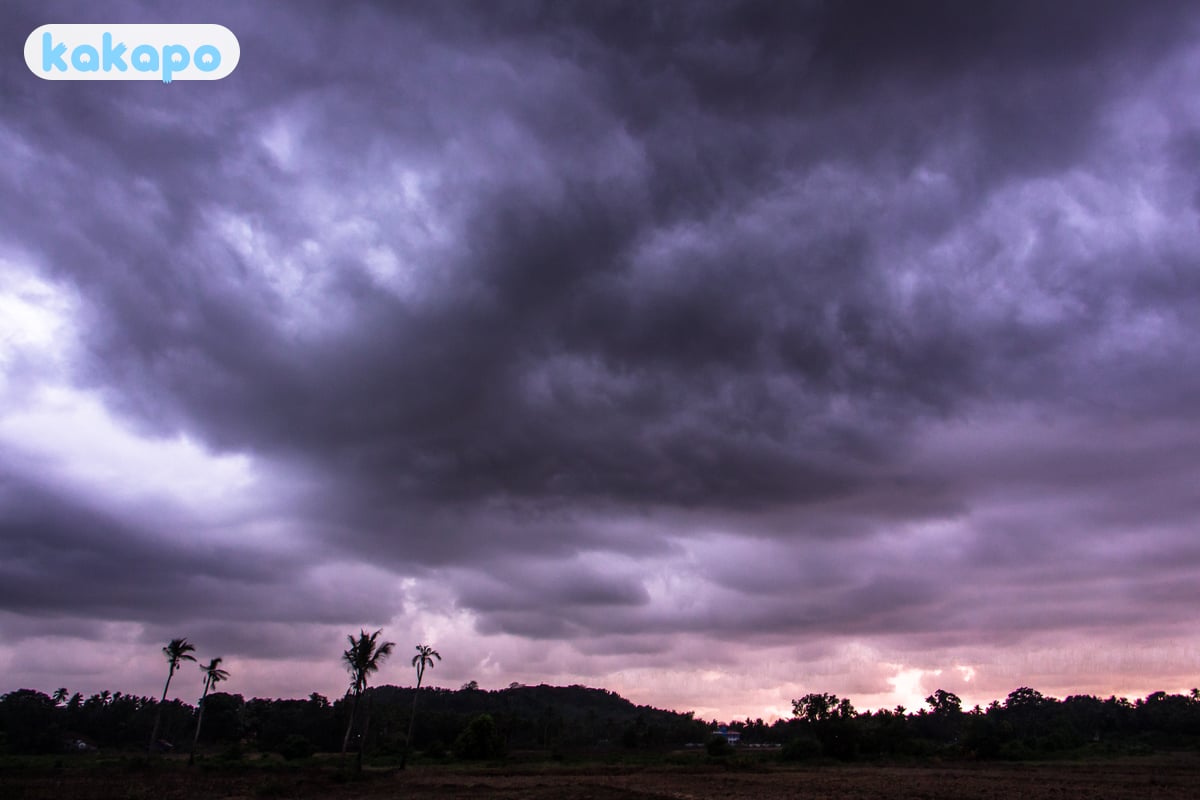
Goa essentially closes for tourism between June and September:
- Beach shacks dismantle by end-May (regulation requires it before monsoon storms).
- Many hotels close for the season for renovations.
- Beaches officially closed for swimming. Rip currents are extreme.
- Watersports (parasailing, jet-ski) suspended.
- Counterweight: monsoon Goa is genuinely beautiful, prices crash, and inland (Dudhsagar Falls, the spice plantations) is at its best. But it's not a beach trip.
- Best time: November-February (peak), October and March (shoulder, fewer crowds).
Scams and money
- Beach vendor pressure — sarong sellers, fruit sellers, henna artists. They walk the beach. Polite, firm "no" repeated as needed.
- "Government" tourist office scams — only the Goa Tourism Development Corporation (GTDC) is real. Anything else is a private agent.
- Boat-tour overcharging — dolphin-watching cruises from Calangute or Baga: real prices ₹400-600/person for a shared 2-hour trip. Anything 4× that is a tourist tax.
- Card cloning — use ATMs at major banks (HDFC, ICICI, SBI). Avoid free-standing kiosks.
- Currency: Indian rupee. Cards work at most restaurants and hotels but cash is needed for beach shacks, scooter rental, and small shops.
North Goa vs South Goa — which suits you
North Goa: Anjuna (Wednesday flea market, party scene), Baga (clubs and watersports), Calangute (mass tourism), Vagator (quieter, cliff views), Morjim (Russian community, sea turtles). Best for nightlife, watersports, social-tourism. Higher rate of petty theft and scooter accidents.
South Goa: Palolem (palm-fringed crescent, yoga, families), Agonda (quieter than Palolem), Patnem (yoga retreats), Colva (mass-tourism but less wild than North), Benaulim (resorts, families). Best for families, retreats, quiet beach time. Lower nightlife scene; some restaurants close by 11pm.
Distance between the two: ~65km, ~1.5h by taxi. Many visitors split a trip between both.
Practical info — emergency numbers
- National emergency: 112.
- Police: 100.
- Ambulance: 102 (free).
- Tourist police: dedicated tourist police force in Goa with stations at major beaches.
- Drishti Marine (beach lifeguards): +91 832 2271111.
- Best private hospital: Manipal Hospital, Dona Paula. ER 24h.
Bring: an IDP if you'll ride a scooter, oral rehydration salts, reef-safe sunscreen (SPF 50+), modest clothing for inland temple visits, and travel insurance documentation. Tap water is not safe; bottled water is universal.
Frequently asked questions
Is Goa safe to visit in 2026?
Yes for tourists with standard precautions — Goa scores 73/100 here, at the high end of the 'caution' band. India sits at US State Department Level 2 ('exercise increased caution'). Goa's tourist-area crime is generally low and the atmosphere is unlike anywhere else in India — relaxed, coastal, English-spoken. The realistic risks are not urban crime: drowning at unguarded beaches (Goa has India's highest per-capita beach-drowning rate), scooter accidents on rural roads (the #1 visitor health issue), drug-tourist police stings that catch travellers every season, and the monsoon shutdown (June-September) that's essentially a different country with beaches officially closed for swimming.
Is Goa safe at night?
Yes in the busy tourist strips. North Goa beaches (Anjuna, Baga, Calangute, Vagator) stay alive late with clubs, shacks and party scenes — the standard nightlife precautions apply, especially around the bigger venues for drink-spiking. South Goa (Palolem, Agonda, Patnem, Colva, Benaulim) is quiet by 11pm but well-lit at resorts. The biggest practical night-time risk is the drive home — drink-driving is endemic on Goan roads and rural taxis disappear after midnight. Pre-arrange a return taxi or stay walking-distance from your venue. Don't ride a scooter after drinking — Indian limit is 0.03% BAC, lower than most countries.
Is Goa safe for solo female travellers?
More so than most of India, but with specific watch-outs. The Western tourist normalisation in North Goa beach areas produces a more comfortable environment than Delhi or Agra. Verbal harassment is reported but rarely physical in tourist zones. Honest advice: stay in established hotels rather than backpacker shacks if solo; use Goa Tourism Department-licensed taxis or Ola; don't accept open drinks from strangers in clubs (drink-spiking is the most-reported solo-female incident pattern); avoid isolated beach walks after dark; consider South Goa (Palolem, Patnem) for a quieter, family-saturated and yoga-retreat-saturated atmosphere. Helplines: 112 (general), 1091 (women), 1363 (tourist). Tourist police have dedicated stations at major beaches.
Can you drink tap water in Goa?
No. Stick to bottled or filtered. Tap water in Goa is unsafe and food poisoning is a routine issue — typical sources are ice in drinks at smaller shacks, salads washed in tap water, and street-vendor preparations. Bottled is cheap (INR 20-40 for 1L) and universal. Hotel-restaurant ice at established places is generally safe; beach-shack ice less so. Brush teeth with bottled water to be fully safe. Carry oral rehydration salts (Electral). Reef-safe sunscreen SPF 50+ is essential — UV is intense Oct-Mar.
What's the biggest scam to avoid in Goa?
The drug-and-police sting, by a significant margin in legal-consequence terms. Cannabis and harder drugs are widely available in North Goa, also illegal under India's NDPS Act with severe penalties (10-20 years for 'commercial quantity' offences). Police stings at clubs and parties are real and ongoing — foreign passport-holders are not exempt. The most common version: the same 'charas dealer' who sold you the substance has a plainclothes-officer partner waiting around the corner. Even small 'personal use' quantities can mean weeks in pre-trial detention while the case slowly clears Indian courts; bail processes for foreign drug offenders are slow. Don't engage. Beyond drugs: boat-tour overcharging on Calangute/Baga dolphin cruises (real price INR 400-600/person shared), beach-vendor pressure (firm 'no' repeated), and fake 'government' tourist offices (only GTDC is real).
What are the rules for renting a scooter in Goa?
Scooter accidents are Goa's most common way to end a trip in a clinic. Legal requirements: helmet mandatory for rider and passenger (police checkpoints fine non-compliance INR 500-1,000 on the spot); an International Driving Permit is required if you don't hold an Indian licence (rental shops are lax, police are not, and crashing without an IDP voids your travel insurance). The cheap 'ISI-mark' helmets that rental shops provide will save you from a fine but not a serious crash — spend INR 500 on a better helmet from a motorcycle shop if you'll ride a lot. Roads: mostly tarmac in good condition, but rural roads switch to dirt without warning, cows and dogs and pedestrians are everywhere, and monsoon potholes hide larger holes under water. Indian alcohol limit is 0.03% BAC — don't ride after even one beer.
Sources
Run a business in Goa?
Show visitors your Goa business is a safe choice. The free Verified by Kakapo badge puts Goa's live safety score on your website, links back to your verified page, and updates itself. No cost.
Get the free badge →