


Is Amsterdam, Netherlands Safe? A 2026 Travel Safety Guide
Bicycles, canals, the photography rules in the Red Light District, and the things first-time visitors actually get caught out by.

Amsterdam is one of the safest tourist cities in Europe for crime, and the realistic risks are almost entirely physical: getting hit by a bicycle, falling into a canal, or pushing the cannabis tolerance further than you should.
Both the UK FCDO and the US State Department list the Netherlands at their lowest advisory level. Crime against tourists is uncommon. Petty pickpocketing happens on Damrak, around Centraal Station, and on busy tram lines, but at a much lower density than Paris, Barcelona, or Rome.
The single most important practical fact for first-time Amsterdam visitors: this is a city built for bicycles, not pedestrians. Stepping into a bike lane without checking is the most common way to start a trip in an Amsterdam clinic.
What surprises most first-time visitors isn't the bikes or the coffee shops — it's how deeply un-touristy Amsterdam feels once you step three streets off Damrak. The Jordaan is half housing co-ops and brown cafés where locals drink jenever after work; De Pijp is the Turkish-Surinamese-Dutch market neighbourhood that just happens to have great bars; the Negen Straatjes are eight-century-old streets full of people who live there. Treat the canals as a working city rather than a film set and you'll have a much better time than visitors who try to compress everything into the kilometre between Centraal and Dam.
In 2026, the things that have shifted: the city's "Stay Away" campaign aimed at British stag groups is still active and the Red Light District windows are being progressively relocated to a planned "erotic centre" outside Centrum (still under construction, not yet open); cannabis tourism to coffee shops has been formally restricted for non-residents in pilot zones — enforcement is patchy but expect to be asked for a Dutch residence card at some Centrum shops; OV-chipkaart paper tickets are gone (just tap your contactless bank card on trams, metro, and NS trains); and the city has dramatically expanded 30 km/h speed limits across central neighbourhoods, which has marginally reduced bike-vs-pedestrian collisions but not eliminated them.
| Night safety | 78/100 |
|---|---|
| Scam / petty-crime risk | Medium |
| Violent crime (tourists) | Low |
| Most common scams | Damrak tourist trap; pickpocketing at Centraal Station; fake cocaine sold on the street |
| Safer neighbourhoods | Jordaan, De Pijp, Oud-Zuid |
| Data sources cited | 4 |
| Last verified |
What the score means — 85/100
- Healthcare (92) — Dutch healthcare is excellent. OLVG and AMC are the major emergency hospitals. EU citizens with EHIC pay nothing; non-EU pay full cost up front but get an itemised bill for travel-insurance reimbursement.
- Transport (90) — GVB trams, metro, buses, and ferries form an efficient network. NS trains connect to the rest of the country.
- Personal safety (86) — petty theft on Damrak and Centraal Station; otherwise low. Violent crime against tourists is rare.
- Night (82) — central districts (Jordaan, De Pijp, Centrum) are alive late and well-policed. The Red Light District has a permanent police presence.
Bicycles — the actual #1 tourist hazard
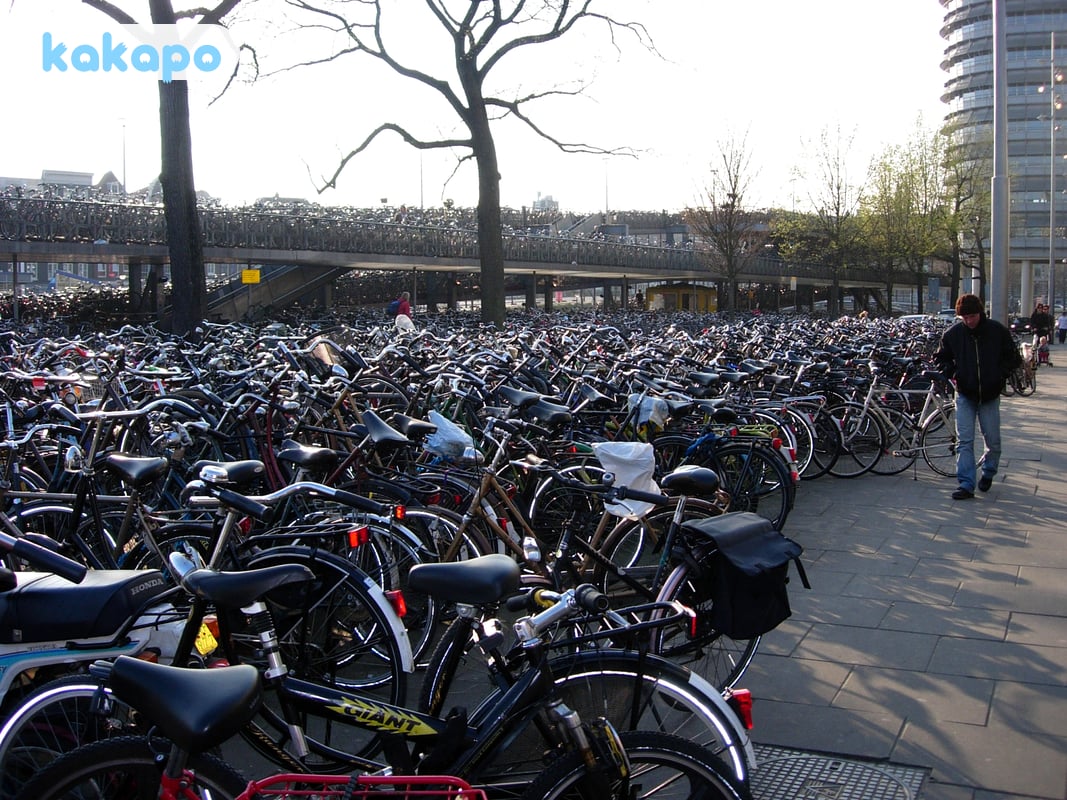
Amsterdam has more bicycles than residents. The cycle infrastructure (red-asphalt lanes throughout the city) is extensive and used at speeds that catch tourists out.
- The red asphalt is a bike lane. Walking on it = getting hit. Stand on the cobbles or pavement; cross only at marked crossings.
- Look BOTH ways even on one-way streets — bikes and mopeds frequently go the wrong way.
- Tram tracks: don't walk on the tram corridor. Trams come quietly and at speed; tourists getting clipped by a tram is a recurring incident.
- Bicycle accidents involving tourists account for a meaningful share of OLVG emergency-room cases in summer.
- If you rent a bike: use the lanes, signal turns with your hand, lock your bike with two locks (theft is the #1 reported property crime in the city).
- Trams (lines 1, 2, 4, 5, 13, 14, 17) are the workhorse network. Tap on with a bank card; tap off when you exit.
Canals and falling in
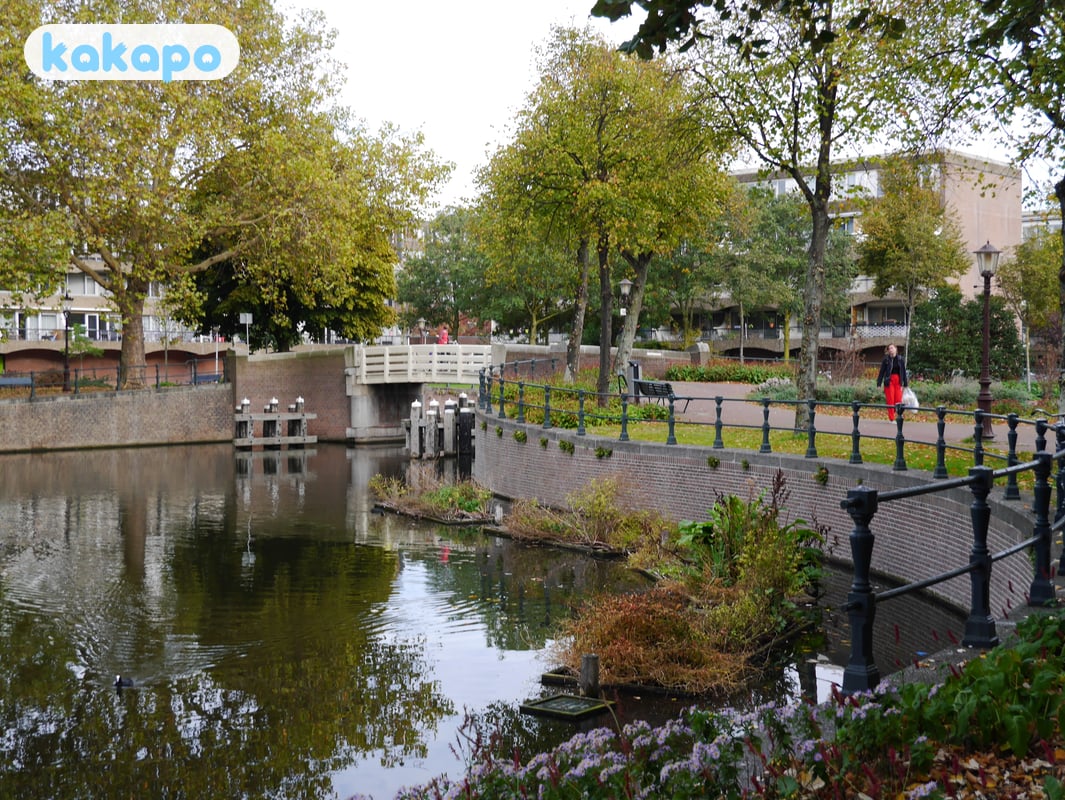
Amsterdam has 165 canals; many are unfenced. Drowning incidents involving tourists, almost always alcohol-related, are recurring enough that the city installed warning signs.
- The water is colder than it looks year-round. Cold-water shock is the actual killer, not depth.
- Canal sides are slippery — moss, algae, occasional ice in winter.
- Tourist drownings cluster around the Red Light District canals at 2-4am, after late-night drinking.
- If someone falls in: don't jump in. Call 112. Throw a flotation device or rope. Strong canal-side currents from boat traffic make rescue swims dangerous.
- Boat tours are very safe — operators are licensed, lifejackets onboard.
Red Light District — the rules
De Wallen (the Red Light District) is a working area of legalised, regulated sex work. It's also full of tourist crowds. Etiquette matters.
- No photographs of the windows. This is enforced — both by the workers (a window will close, a partner will appear) and by city ordinance. Your camera being smashed by an offended worker has happened.
- Don't loiter or take selfies in front of windows. Walk through.
- The streets are heavily policed — large municipal-police presence after dark.
- "Cocaine" sold on the street — almost always not cocaine. Often dangerous compounds. Hospitalisations from "fake cocaine" are recurring.
- Aggressive drug touts at the Centraal Station end and around Oudezijds Achterburgwal — wave them off; police actively work the area.
Cannabis cafés — the tolerance miscalibration
Cannabis is sold in licensed coffee shops and is broadly tolerated for personal use. Visitors regularly underestimate Dutch cannabis strength compared to what they're used to at home.
- "Edibles" (space cake) are slow-onset and frequently overdosed by tourists who eat a second slice "because the first didn't work." 90 minutes later they're in an Uber to the hospital.
- Coffee shops sell cannabis, not coffee. The places with espresso machines and brunch are "cafés." Don't confuse them.
- Truffles (psilocybin) are sold at "smart shops" — legal because they're truffles not mushrooms (a regulatory loophole). Effects are real psychedelic; first-timers should not take them alone in a hotel room. Bad-trip incidents are a real burden on Amsterdam's health system.
- Outside the licensed shops: anything you're sold on the street is unverified. See "fake cocaine" above.
- Edible-induced tourist hospital visits are the single most-publicly-discussed Amsterdam health-tourism statistic. The mayor of Amsterdam has actively campaigned for visitors to be more cautious.
Scams and money
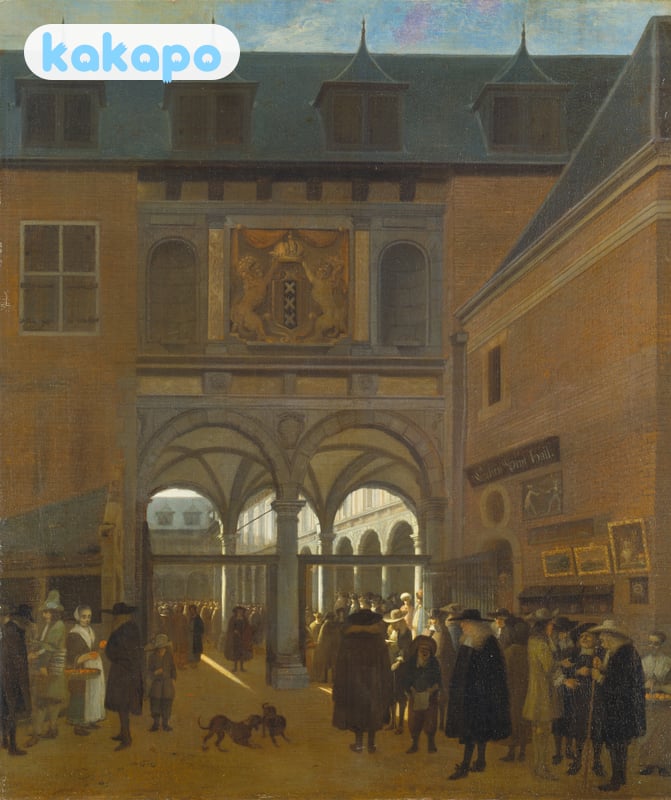
- Damrak tourist trap: the strip from Centraal to Dam Square is wall-to-wall overpriced restaurants and currency-exchange storefronts with terrible rates. Walk into the Jordaan or De Pijp for honest prices.
- "GeldWisselkantoor" / "GWK" currency exchanges — overpriced; ATMs at ING, ABN AMRO, Rabobank give better rates.
- Pickpocketing at Centraal Station and on tram 2 (the airport-tourist line) — keep phone in front pocket.
- Cards: the Netherlands is overwhelmingly card-friendly, but Dutch businesses often only accept Maestro/V Pay (Dutch domestic cards) — Visa/Mastercard works in most tourist-facing places but supermarkets (Albert Heijn, Jumbo) sometimes don't accept foreign Visa. Bring some euro cash.
Neighbourhood-by-neighbourhood breakdown
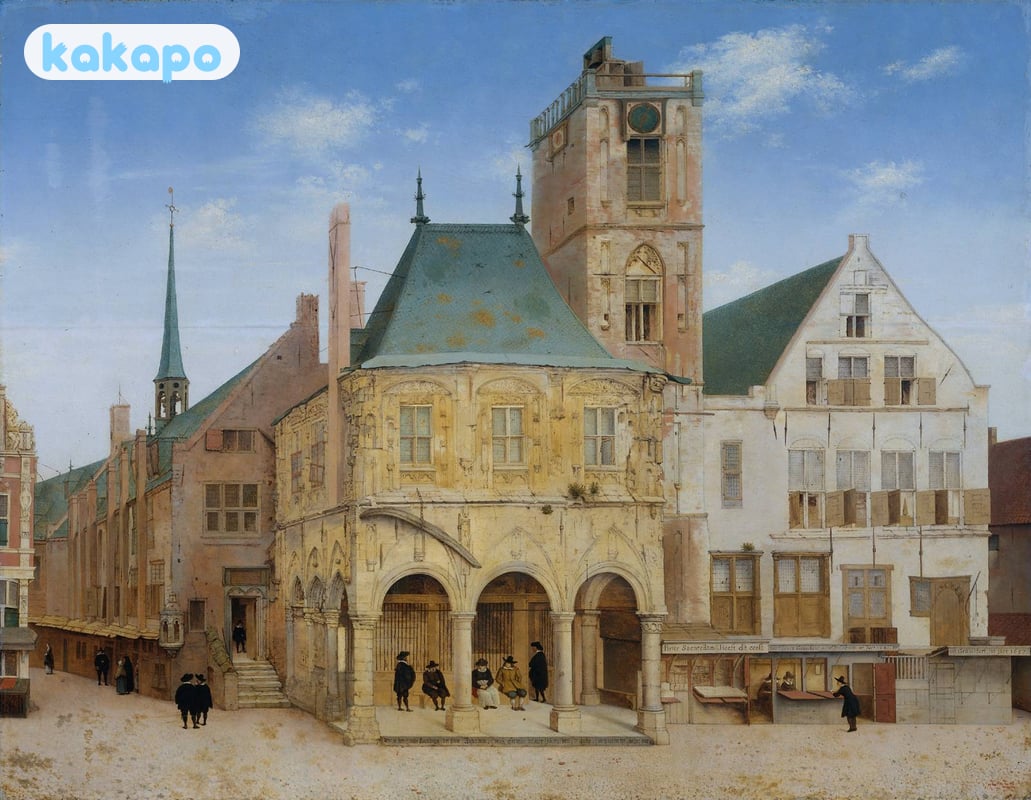
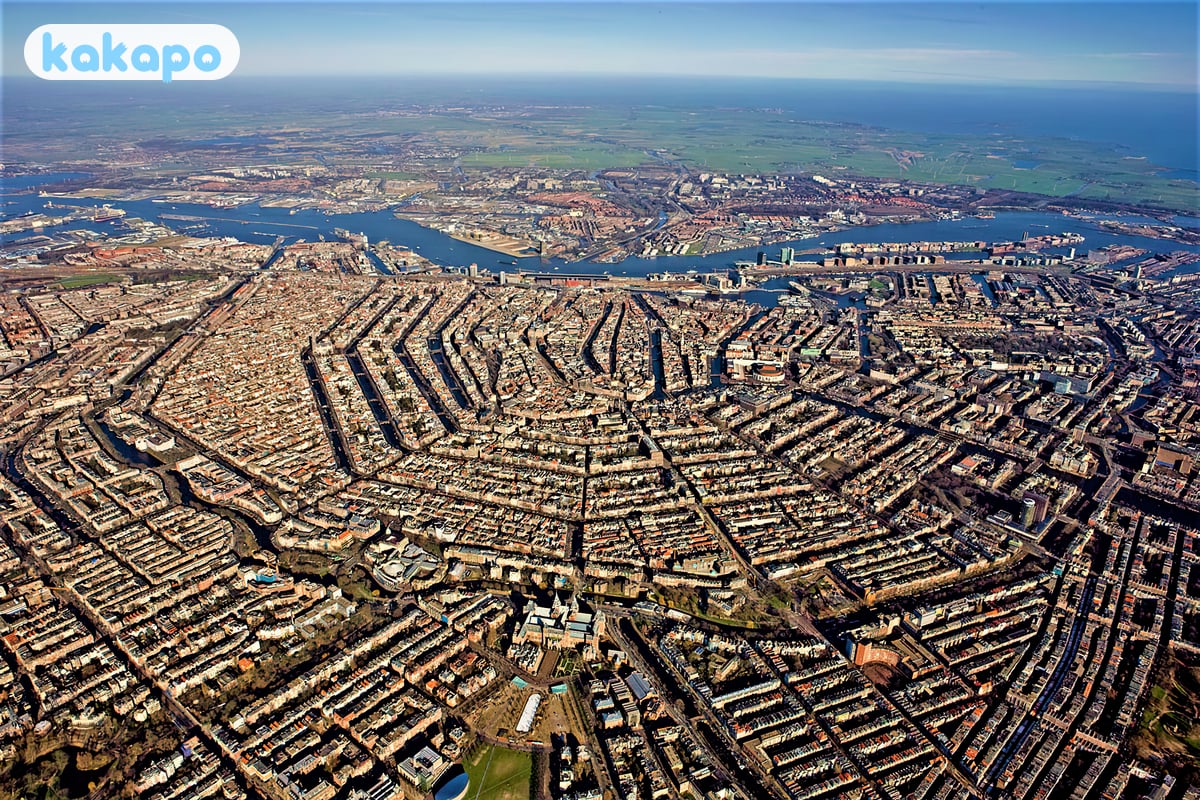
- Centrum (Canal Ring + Dam) — UNESCO-listed canal belt, the postcard Amsterdam. Heavily policed, very safe day and night. Damrak between Centraal and Dam Square is the only stretch in central Amsterdam where pickpockets reliably work.
- De Wallen (Red Light District) — sub-section of Centrum, fully safe and patrolled, just rowdy after 23:00 on weekends. Cameras forbidden in front of windows; "Stay Away" billboards aimed at British stag groups are still up.
- Jordaan — west of the Prinsengracht. Old working-class neighbourhood turned charming, narrow streets, brown cafés, Anne Frank House. Extremely safe; great for an evening walk.
- De Pijp — south of Centrum. Albert Cuyp market, Surinamese rotis, the Heineken Experience. Diverse, friendly, very safe; nightlife is buzzier and less touristy than central.
- Oud-Zuid (Museum Quarter) — Rijksmuseum, Van Gogh, Vondelpark. Affluent, residential, very safe. Best base if you want calm.
- Noord (across the IJ ferry) — the post-industrial creative side: NDSM wharf, A'DAM Tower, EYE Filmmuseum. Free 24h ferry from Centraal. Safe and worth a day; some empty industrial stretches at night are just empty, not threatening.
- Bijlmer / Zuidoost — far south-east, by Bijlmer ArenA. Genuine residential district with higher reported crime stats than central; you won't be there unless you've got a concert at Ziggo Dome. Daytime around the arena is fine.
If it's your first time visiting
- Best arrival airport: Schiphol (AMS), 15 minutes by train into Centraal. NS Sprinter or Intercity costs €5.90, runs every 10 minutes. A taxi at the regulated rank is €40-50. Skip Uber unless surge is low — the train is genuinely faster.
- Skip the OV-chipkaart, just tap your contactless bank card directly on the readers when boarding any tram, metro, bus, or NS train. €1.08 boarding + ~€0.18/km, capped per day. Apple Pay and Google Pay both work.
- Best neighbourhood for your first night: Jordaan for atmosphere, De Pijp for nightlife, Oud-Zuid for calm. Avoid booking on Damrak or directly next to Centraal — they exist but you'll be in the loudest, scammiest stretch of the city.
- Day 1, jet-lag friendly: walk the Jordaan canal loop (Prinsengracht to Brouwersgracht), grab apple pie at Winkel 43, drift down to the Negen Straatjes for lunch, end at Vondelpark before sunset. Zero queues, lots of walking, no need to book anything.
- Common rookie mistakes: stepping onto red asphalt without looking (it's a bike lane — you will be hit); buying a "space cake" on Damrak (overpriced, often weak, sometimes adulterated); standing still on tram platforms (everyone is in motion); confusing a "coffee shop" with a "café" (the first sells cannabis, the second sells espresso); tipping 20% (Dutch service is included — round up to the next euro or add 5-10%).
- Book the Anne Frank House the moment your dates are confirmed. Tickets release in batches roughly 6 weeks ahead and sell out in hours. Same for the Van Gogh Museum on weekends.
- If you rent a bike, ride like you mean it. Tentative tourist cyclists are more dangerous than confident ones — locals expect you to hold your line. Use the lanes, signal with your arm, and don't stop in intersections for photos.
- The weather is genuinely bad. Bring waterproofs even in summer. A horizontal-rain day in July is normal.
Practical info — emergency numbers
- European emergency: 112.
- Police (non-emergency): 0900-8844.
- OLVG Hospital (East and West locations): +31 20 599 9111. Both have 24h emergency rooms.
- AMC (Amsterdam UMC, Academic Medical Center): large teaching hospital with English-speaking staff.
- Tourist police: there's a dedicated police office at the Centraal Station for tourists; English-speaking duty officers.
Bring: a contactless bank card (Maestro/V Pay or Visa/Mastercard), an unlocked phone (KPN, Vodafone NL, T-Mobile prepaid SIMs), waterproof outer layer (this is the Netherlands), and travel insurance documentation. Tap water is excellent.
Frequently asked questions
Is Amsterdam safe to visit in 2026?
Yes. Amsterdam is among the safer European capitals. US State Department lists Netherlands at Level 1 (lowest tier). Real concerns: pickpocketing on tram 2 + 5 + around Centraal Station, the Red Light District after midnight (rowdier than dangerous), bike-vs-pedestrian collisions, and the coffee-shop tourist-trap pricing.
Is the Red Light District (De Wallen) safe?
Yes for visitors during evening hours when it's busiest + most-policed. Photographing the windows is forbidden + can get your phone snatched + smashed by enforcers. Avoid the Zeedijk + smaller alleys at 3-4am solo. Standard urban awareness applies; violent crime against tourists is rare.
Is Amsterdam safe at night?
Yes for central Amsterdam (Jordaan, Canal Ring, De Pijp, Oud-Zuid). Late-night trams + buses run, Uber/Bolt work. Stay aware around Centraal Station + the Red Light District after 02:00 (drunk-tourist density + occasional pickpockets). The Bijlmer (south-east outer district) has higher crime stats but isn't on tourist itineraries.
What's the biggest scam to avoid in Amsterdam?
Coffee-shop tourist-strip pricing — touristy Damrak/Leidseplein shops sell €30-60 'space cakes' that are €15-25 in real coffee-shops a few blocks away. Counterfeit / over-priced 'Bulldog' merchandise. Restaurant pricing on Damrak (avoid; walk to Spui or Jordaan). Bicycle rental damage charges — photograph the bike at pickup.
Is Amsterdam safe for solo female travellers?
Yes. The Netherlands consistently ranks among Europe's safest for solo women. Standard precautions: phone in pocket on the tram, watch belongings on Centraal Station platforms, use Uber/Bolt for late-night solo rides rather than wandering through Red Light District alone. Women routinely cycle home at 2am.
Can you drink tap water in Amsterdam?
Yes — Dutch tap water is excellent + safe + free at every restaurant (ask for 'kraanwater'). Some Amsterdam restaurants will push bottled but tap is universally available + good.
Is cycling in Amsterdam safe for tourists?
Yes but the actual risk is bike-vs-pedestrian (tourist walks into a bike lane). The cycling infrastructure is amazing + Amsterdam locals are fast + impatient. Tourist tips: walk on pavements not bike lanes (red asphalt = bike lane, grey = pedestrian), look both ways before crossing any street, signal turns. If renting a bike, ride defensively + don't stop in the middle of intersections for photos.
Sources
Run a business in Amsterdam?
Show visitors your Amsterdam business is a safe choice. The free Verified by Kakapo badge puts Amsterdam's live safety score on your website, links back to your verified page, and updates itself. No cost.
Get the free badge →