


Is Mumbai, India Safe? A 2026 Travel Safety Guide
What's actually risky in Mumbai — monsoon flooding, the deadliest commuter rail on Earth, and the Colaba pickpockets.

Mumbai is one of the safer mega-cities in India for crime per capita, but the realistic risks for visitors are physical: monsoon flooding (Mumbai's rains are heavier than Kolkata's), traffic chaos, the world's deadliest commuter rail system (Mumbai's local trains see 3,000+ deaths per year), and the Colaba-area aggressive vendor scams. Crime against tourists is moderate; pickpocketing in CST and Bandra concentrated areas; violent crime against tourists rare.
India sits at Level 2 on the US State Department's advisory. The 2008 terror attack remains in collective memory; the policing pattern at major hotels (Taj Mahal Palace, Trident, Oberoi) and CST station is heavy. The visible Mumbai of crowded streets, glass towers, and slum-skyscraper contrast is real.
The honest framing for first-time visitors: Mumbai isn't "dangerous." It's exhausting. Plan around the heat, the rains, and the crowd density.
What surprises most first-time visitors is the sheer density of contrast. Mumbai is a megacity of 22 million spread across an island and outer suburbs, and a single 5-minute walk can take you from a Bombay Stock Exchange suit's morning coffee to a vada-pav stall outside a 100-year-old textile mill to a Dharavi tannery exporting leather to Italy. Mumbaikars are direct, fast-talking, and proud of the city's hustle culture; greet with "namaste" (formal) or just "hi/hello"; use your right hand for everything (left is impolite); accept that lines are aspirational concepts; and don't be shocked by the "Indian head wobble" — it often means "yes" or "I understand", context-dependent.
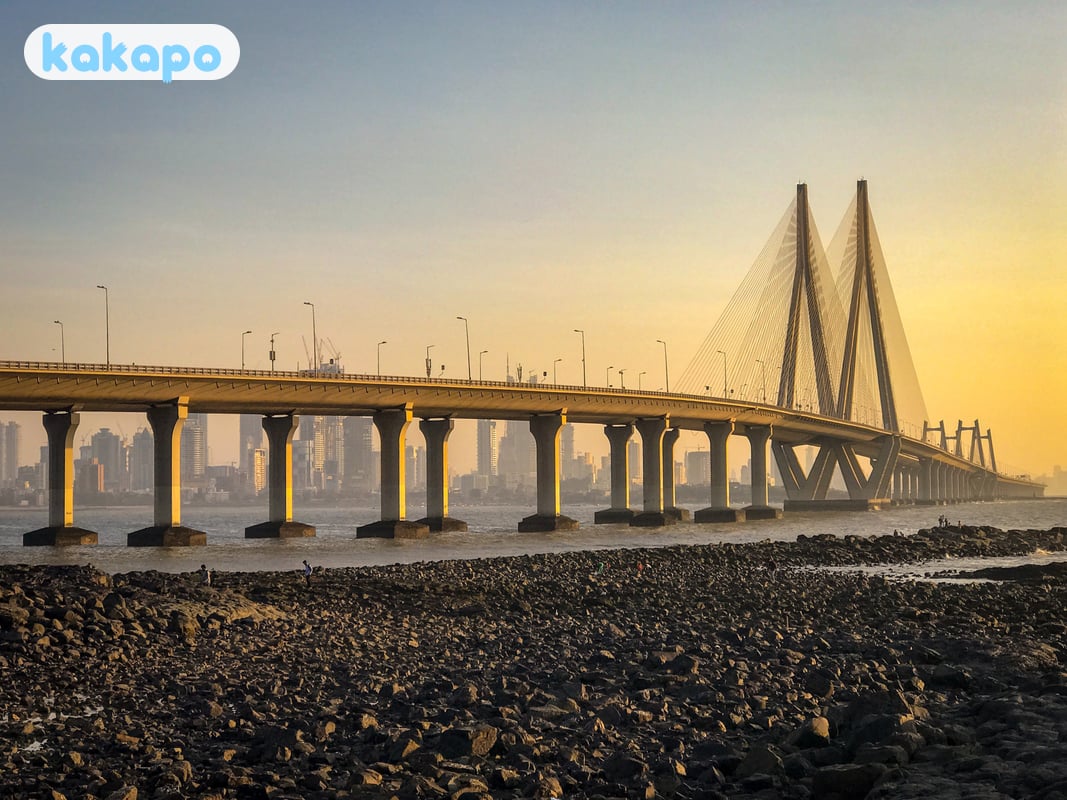
In 2026, the practical updates: Mumbai Metro lines 2A, 7, 3 (the underground Aqua Line) are increasingly the alternative to the chaotic locals — the Aqua Line from Cuffe Parade through south Mumbai to Aarey is the practical upgrade; the new Coastal Road from Marine Drive to Worli has cut the south-to-suburbs commute dramatically; Mumbai's Trans-Harbour Sea Link (Atal Setu, opened January 2024) connects the city to Navi Mumbai and the new airport (NMI) which is on phased opening through 2026; UPI digital payments (PhonePe, Google Pay, Paytm) are universal at street stalls now — set one up before arrival; and the new airport BLR via Atal Setu is much faster than reaching CSMIA from Navi Mumbai. Monsoon 2024 saw three major flooding events; 2025 was milder. Air quality in winter has worsened, with December-February AQI now in unhealthy territory most days.
| Night safety | 50/100 |
|---|---|
| Scam / petty-crime risk | Medium |
| Violent crime (tourists) | Low |
| Most common scams | Colaba-area aggressive vendor scams; free Dharavi tour pitches at Chhatrapati Shivaji Maharaj Terminus (CST); auto-rickshaw fare scams |
| Safer neighbourhoods | Colaba, Marine Drive, Lower Parel |
| Data sources cited | 4 |
| Last verified |
What the score means — 72/100
- Healthcare (78) — Mumbai has world-class private hospitals (Lilavati, Kokilaben, Hinduja) on a par with Delhi or Bangalore. Best in India.
- Personal safety (72) — moderate. Pickpocketing in tourist zones; less-than-Delhi crime rates per capita; violent crime against tourists rare.
- Night (70) — Marine Drive, Bandra-West, Colaba, Lower Parel are alive late and well-policed. Outer Mumbai quieter.
- Transport (56) — the lowest sub-band. Mumbai's local trains are a genuinely deadly commuter system; traffic is heavy.
Monsoon — the dominant safety story June-September
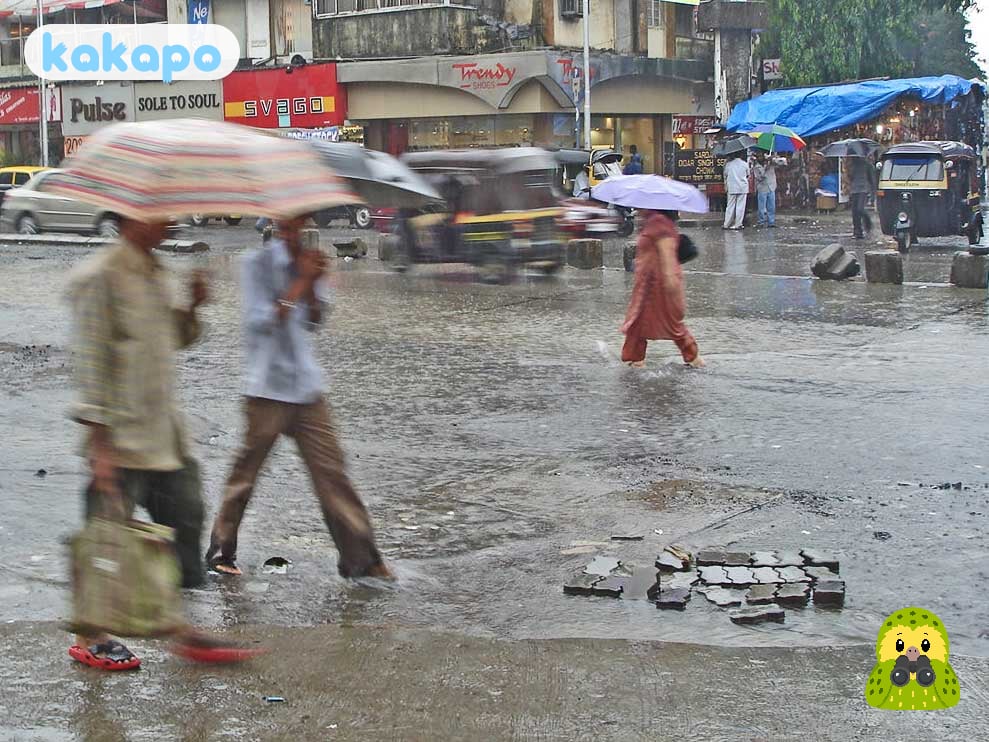
Mumbai's monsoon is the most underestimated visitor concern. The 2005 Mumbai floods killed over 1,000 people; smaller flooding events affect the city annually.
- Average June-Sept rainfall: 2,400+ mm. Most cities globally don't get that in two years.
- Street flooding: knee-to-chest deep water in central Mumbai during heavy rain. Trains stop running on flooded sections.
- Hidden hazards in floodwater: open manholes (the iconic Mumbai-monsoon-fatality story is people falling into uncovered drains), exposed wiring, snakes/rats displaced into buildings.
- Don't drive flooded roads. Cars stall; people drown trying to escape from cars.
- Travel insurance with weather-disruption cover useful — flight delays during heavy monsoon are common.
- Best time to visit: October-March (dry, pleasant). November-February the comfortable season.
Mumbai local trains — genuinely deadly
The Mumbai Suburban Railway (the "locals") is the world's most-used commuter rail system and statistically the deadliest. ~3,000-3,500 fatalities per year — falls from doors of moving overcrowded trains, track-crossing accidents, and electrocution from contact with overhead wires.
- For tourists: avoid peak-hour locals. The 8-10am and 5-7:30pm crush is genuinely unsafe — first-time riders fall off, get crushed, or lose belongings.
- Off-peak locals (mid-day, weekends) are fine. Use them; they're the practical way to see Mumbai's spread.
- Women's compartments exist on every train (clearly marked). Use them.
- The newer Metro lines (Aqua, Yellow, Red) and the Monorail are calmer alternatives where they go.
- Don't sit in train doorways with feet hanging out — the iconic Bollywood image is a leading cause of fatality.
Areas — Colaba, Bandra, the suburbs

Highly recommended for visitors: Colaba (Gateway of India, Taj Mahal Palace, Causeway shopping — main tourist anchor; pickpocketed at the famous spots), Marine Drive / Nariman Point (the famous "Queen's Necklace" promenade), Bandra-West (Mumbai's coolest district — restaurants, boutiques, Bollywood star residences), Khar / Juhu (residential / beach), Lower Parel (high-end, business, Phoenix Mills mall).
Visit, manage expectations: Dharavi — the famous slum. Reality Tours runs ethical, community-vetted slum tours. The "I'll guide you for free through Dharavi" pitches at CST station are scams. Solo visits not advised.
Daytime only: Crawford Market / Mohammed Ali Road — the historic Muslim quarter and famous food street. Daytime busy and food-incredible; very crowded.
Avoid as a tourist: most far-suburban Mumbai, the slum belts (Govandi, Mankhurd, parts of Kurla), the eastern industrial waterfront. No tourist relevance.
Demonstrations: occasional in central Mumbai. Most peaceful.
Colaba and CST scams
- "Free Dharavi tour" pitches at Chhatrapati Shivaji Maharaj Terminus (CST) and around the Gateway: usually rip-offs. Use Reality Tours or skip.
- "Get high quality" scarf / drum / chess set from beach vendors at Juhu or Marine Drive: marked-up tourist goods. Polite "no" works.
- Auto-rickshaw fare scams: agree the fare beforehand or insist on the meter. Inside Mumbai, autos are everywhere.
- "You dropped this!" + wallet pickpocket: distraction theft at CST and the Causeway. Phone in front pocket.
- Card-cloning at gas stations: use ATMs inside HDFC, ICICI, SBI branches.
- Tourist menu prices at the Causeway-front restaurants: 50% more than 200m away. Walk inland.
- Currency: Indian rupee. Cards work everywhere mid-range and up.
Uber, autos, and the Mumbai airport
- Ola and Uber: both work; Ola is the local original. Cheaper than US/EU; the realistic visitor recommendation.
- Auto-rickshaws: don't operate in central Mumbai (south of Bandra). Use them in the suburbs.
- Black-and-yellow taxis: legacy fleet, increasingly rare. Metered.
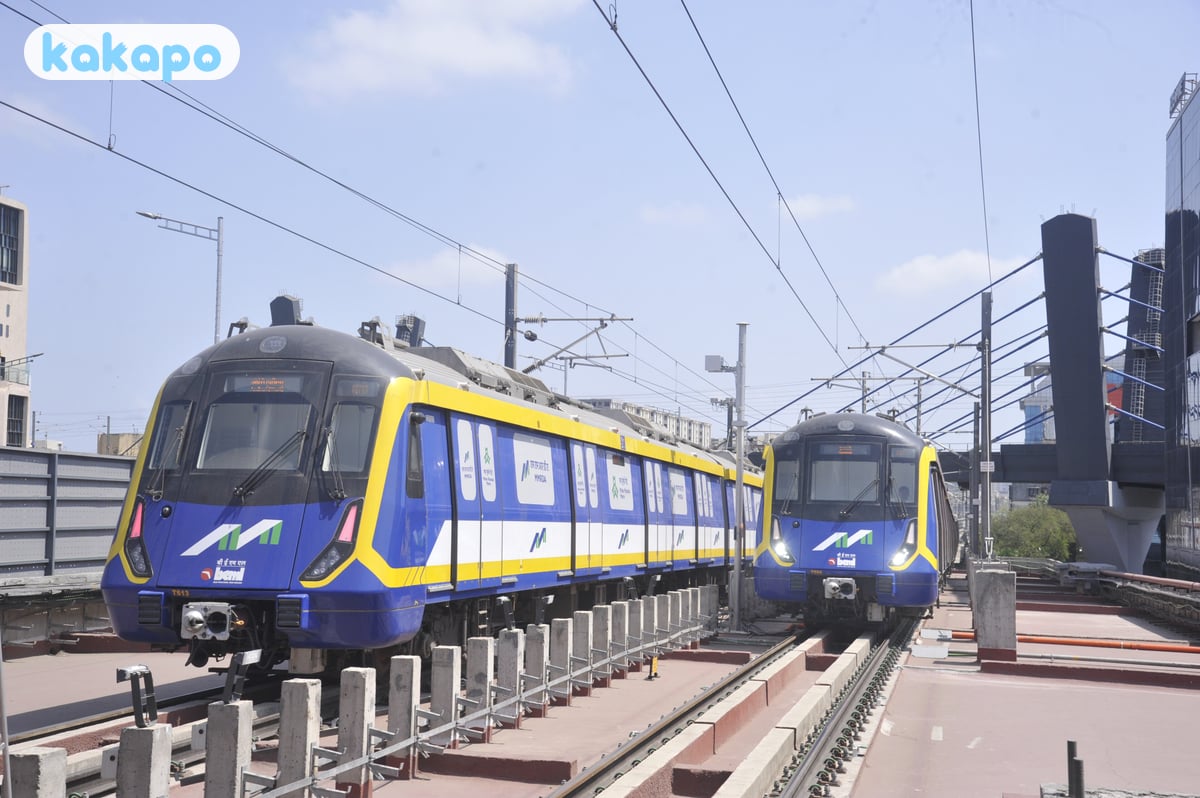
- Mumbai Metro: rapidly expanding network. Aqua, Yellow, Red, and the newer lines provide alternatives to the chaotic locals.
- BEST buses: extensive, cheap, slow.
- Mumbai Airport (BOM): 30-90 min to central Mumbai depending on traffic and which terminal. Allow 90 min from Bandra to T2 in evening rush.
Neighbourhood-by-neighbourhood breakdown
- Colaba — southern tip of the island. Gateway of India, Taj Mahal Palace, Causeway shopping, the Prince of Wales Museum. Tourist anchor; heavily policed since 2008; pickpockets work the Gateway plaza. Very safe day and evening.
- Marine Drive and Nariman Point — the famous "Queen's Necklace" promenade. Walkable, scenic, very safe day and night; the sunset crowd is one of the city's signature scenes.
- Fort and Kala Ghoda — north of Colaba, the historic art district. Galleries, the Asiatic Society, beautiful Victorian/Edwardian buildings. Daytime walking; very safe.
- Lower Parel and Worli — upscale mid-island. Phoenix Mills/Palladium mall, the Bandra-Worli Sea Link views, glass-tower business district. Very safe.
- Bandra-West — north of the Sea Link. The cool district: Hill Road shopping, Linking Road, Bandstand promenade (with views of Shah Rukh Khan's Mannat house), the best mid-priced restaurant strip in Mumbai. Vibrant, very safe day and night.
- Khar and Juhu — north of Bandra. Juhu Beach is famous for sunset and street food (pani puri, bhel puri at Juhu Chowpatty). Both very safe; Juhu gets crowded but never threatening.
- Powai and Andheri — northern business districts, around the new airport. Office/residential, mostly safe; less tourist-relevant.
- Crawford Market and Mohammed Ali Road — historic Muslim quarter. Daytime busy and food-incredible (Ramadan evening food street is one of the great Asian eating experiences); very crowded.
- Dharavi — Asia's largest slum, between Mahim and Sion. Reality Tours runs ethical community-vetted tours; the "I'll guide you for free" pitches at CST are scams. Don't visit alone.
- Avoid as a tourist: most far-suburban Mumbai (Govandi, Mankhurd, parts of Kurla), the eastern industrial waterfront.
If it's your first time visiting
- Best arrival airport: Chhatrapati Shivaji Maharaj International (BOM) for now. Terminal 2 handles international. Pre-book an Uber or Ola from inside the terminal (the official app rank, not driver touts) — 30-90 minutes to central Mumbai depending on traffic and time of day. Allow 90 minutes from Bandra at evening rush. The new Navi Mumbai International (NMI) is phasing in through 2026.
- Pre-install Uber, Ola, and a UPI payment app (PhonePe, Google Pay India). UPI is how Mumbai pays for everything from chai to luxury hotels; cards work for mid-range and up.
- Best neighbourhood for your first night: Colaba for sightseeing (Taj Mahal Palace, Gateway, the Causeway), Marine Drive for the sea view, Bandra-West for cool/young energy, Lower Parel for upmarket. Avoid booking deep in the suburbs (Andheri/Goregaon) unless you have a specific reason — the commute to south Mumbai is brutal.
- Day 1, jet-lag friendly: walk from the Gateway of India along Marine Drive at sunset, dinner at Trishna (Fort) or Bombay Canteen (Lower Parel) — book ahead. Low-stress, scenic, lets you read the rhythm.
- Common rookie mistakes: riding a Mumbai Local at peak hour (8-10am, 17-19:30 — genuinely dangerous for first-timers — use the Metro or Uber instead); drinking tap water (universally bottled or filtered — even brushing teeth with tap risks an upset stomach); wading through monsoon floodwater (leptospirosis cases spike post-flood; open manholes are the iconic fatality); haggling at established malls or restaurants (only the street markets and auto-rickshaws bargain); accepting "guide" or "free Dharavi tour" pitches at CST station (always a kickback shop run).
- Book restaurants ahead. Trishna, Britannia & Co., Bombay Canteen, Masala Library — Mumbai's marquee restaurants need 3-7 days' booking, and weekend dinner at the new wave (Americano, Papa's, Ekaa) needs 2-3 weeks.
- Drink only from sealed bottles or established hotels. Mumbai's tap water is treated but the distribution network and monsoon contamination make it risky for visitors. Avoid ice in non-tourist venues, raw veg/salad, and unsealed street juices.
- Use Reality Tours for Dharavi. The "drive-by slum" experience is voyeuristic; their walking tours with local guides who live in the area, visits to community projects, and meals in local kitchens are the ethical and safe option (around INR 1,200 per person).
Practical info — emergency numbers
- National emergency: 112.
- Police: 100.
- Ambulance: 102 / 108.
- Tourist Helpline: 1363.
- Lilavati Hospital (Bandra): +91 22 6932 4444.
- Kokilaben Dhirubhai Ambani Hospital: +91 22 4269 6969.
Bring: oral rehydration salts, mosquito repellent (DEET 30%+), modest clothing, an unlocked phone (Airtel, Jio, Vi prepaid SIMs), a card without foreign-transaction fees, and travel insurance documentation. Tap water not safe; bottled is universal.
Frequently asked questions
Is Mumbai safe to visit in 2026?
Yes, with the caveat that 'safe' here means safer than Delhi for crime per capita but physically much more demanding. India sits at US State Department Level 2 and UK FCDO advises standard caution; violent crime against tourists is rare. The real concerns are physical and seasonal — June-September monsoon flooding (2,400mm+ of rain, the 2005 floods killed over 1,000), the world's deadliest commuter rail (~3,000-3,500 fatalities/year on Mumbai locals), heavy traffic, and the Colaba/CST aggressive vendor scams. Our overall score is 67/100. Stay in Colaba, Bandra-West, Marine Drive or Lower Parel and use Ola/Uber and the Metro.
When is monsoon season and how bad does Mumbai actually flood?
June through September, with average rainfall over 2,400mm — most cities globally don't get that in two years. Streets routinely flood knee-to-chest deep in central Mumbai during heavy rain, local trains stop on flooded sections, and the iconic fatality pattern is people falling into uncovered manholes hidden by floodwater. Other hazards: exposed wiring, snakes and rats displaced into buildings, cars stalling and people drowning trying to escape. The 2005 deluge killed over 1,000. Don't drive flooded roads; don't wade. Flight delays during heavy monsoon are routine — travel insurance with weather-disruption cover is genuinely useful. Best visiting window is October-March, with November-February the comfortable peak.
Are Mumbai's local trains really the deadliest in the world?
Statistically yes — the Mumbai Suburban Railway sees roughly 3,000-3,500 fatalities a year from falls out of overcrowded doorways on moving trains, track-crossing accidents and electrocution from overhead wires. Don't ride during the 8-10am or 5-7:30pm crush as a first-time visitor — that's where most tourist injuries happen. Off-peak (mid-day, weekends) locals are fine and the practical way to see Mumbai's spread. Use the clearly-marked women's compartments. Never sit in train doorways with feet hanging out — the iconic Bollywood image is a leading cause of death. The newer Metro lines (Aqua, Yellow, Red) and the Monorail are calmer alternatives where they go.
Is Mumbai safe for solo female travellers?
More so than Delhi but with the same India-baseline precautions. Mumbai has lower per-capita harassment statistics than Delhi or Agra and a cosmopolitan tourism economy that produces a more comfortable atmosphere. Modest dress (shoulders and knees covered) helps, especially in Old Delhi-style markets and at Crawford Market. Use Ola or Uber after dark rather than auto-rickshaws or street taxis; use the women's compartments on local trains and the Metro. Stay in Colaba, Bandra-West or Lower Parel. Solo dining at Marine Drive cafés or Bandra restaurants is routine. Helplines: 112 (general), 1091 (women), 1363 (tourist).
What's the biggest scam to avoid in Mumbai?
The 'free Dharavi tour' pitch at Chhatrapati Shivaji Maharaj Terminus (CST) and around the Gateway of India — these are usually rip-offs ending in commission shops. If you want to see Dharavi, book Reality Tours, a vetted community-run ethical operator; never accept walk-up offers. Other recurring patterns: auto-rickshaw fare scams (insist on the meter or agree fare beforehand — autos don't operate south of Bandra anyway, so use Ola/Uber in central Mumbai); the 'you dropped this!' wallet-distraction pickpocket at CST and the Causeway; card-cloning at gas stations (use bank-branch ATMs at HDFC, ICICI or SBI inside); and tourist-menu pricing at Causeway-front restaurants that drops 50% if you walk 200m inland.
Can you drink tap water in Mumbai?
No — stick firmly to bottled or filtered. Mumbai's tap water is treated but the distribution network, monsoon contamination and your hotel's storage tanks combine to make it unsafe for visitor consumption. Bottled water is cheap (INR 20-40 for 1.5L) and ubiquitous. Avoid ice in non-tourist-grade venues, raw vegetables and street fresh juice unless vendor turnover is obviously high. Brushing teeth with tap is generally fine for short stays but bottled is safer. Hotel-restaurant ice is generally safe (industrial cylinder ice with the hole). Critically, never wade through monsoon floodwater — leptospirosis incidence post-flood in Mumbai is significant.
Recent travel news for Mumbai
All travel news →Mumbai sees 'Cockroach' movement protests spread from Delhi: a traveler's guide
India's youth-led protest movement over exam paper leaks has spread from New Delhi to Mumbai, with demonstrations and sit-ins in the city. The gatherings are peaceful for the most part and localized to protest grounds and civic areas, but they can bring crowds, police presence, and traffic disruption.
Mumbai monsoon: building collapse kills six as heavy rain floods the city
A building collapse during intense monsoon rain has killed six people in Mumbai, and authorities have issued heavy-rain advisories with school and college closures. Travelers should expect waterlogging, local train and road disruption, and plan around the wettest hours.
Sources
Run a business in Mumbai?
Show visitors your Mumbai business is a safe choice. The free Verified by Kakapo badge puts Mumbai's live safety score on your website, links back to your verified page, and updates itself. No cost.
Get the free badge →