


Is Agra, India Safe? A 2026 Travel Safety Guide
What's actually risky about visiting the Taj Mahal — the scams, the road from Delhi, the pollution, and how to handle each.

Agra is the Taj Mahal city, and the Taj is one of the safest tourist sites in India — heavily policed, X-ray screening at the gates, prohibited-items list strictly enforced. The realistic safety risks for visitors aren't inside the monument; they're getting to and from it, the air you breathe in winter, and the surprisingly aggressive scam economy around the surrounding tourist zone.
Both the UK FCDO and the US State Department list India at Level 2 ("exercise increased caution"), with specific call-outs for crime against women and tourist scams. For a typical Taj day-trip done with a reputable operator, the practical risk is low; for an independent traveller staying overnight in the Taj Ganj area, awareness matters.
This guide covers Agra specifically, not the wider "Golden Triangle" experience. If you're driving down from Delhi for the day, the Transport section is the one to read first.
The geography that matters for visitor planning: Agra sits on the south bank of the Yamuna river in Uttar Pradesh, 230 km south of Delhi by the Yamuna Expressway. The three monuments that justify the trip — the Taj Mahal, Agra Fort, and the smaller Itimad-ud-Daulah ("Baby Taj") across the river — form a 3-km triangle, all reachable by foot or short auto-rickshaw. The Mehtab Bagh garden directly across the Yamuna from the Taj is the third great viewpoint. Almost everything that goes wrong for visitors happens in the kilometre of streets immediately south and west of the Taj's South and West Gates — the Taj Ganj tourist bazaar — where the touts, the gem shops, and the unlicensed guides concentrate. The Cantonment area to the south-west (where the Cantt railway station sits) is calmer, has the better hotels, and is the realistic base for most western visitors.
Timing is more important here than in almost any other Indian city. The Taj closes Fridays. Sunrise (gates open ~30 minutes before sunrise; 06:00 in summer, 06:30-06:45 in winter) is the cool, clear, photographable slot — mid-day is hot, hazy, and crowded. October-March is comfortable; April-June regularly hits 45°C; July-September is monsoon with humidity making the marble glare unbearable. The two windows that work for most travellers are October-early-November (pre-stubble-burning smog) and February-March (post-winter-smog, pre-heat).
| Night safety | 55/100 |
|---|---|
| Scam / petty-crime risk | High |
| Violent crime (tourists) | Medium |
| Most common scams | fake tour guides outside the Taj Mahal; auto-rickshaw fare doubling |
| Safer neighbourhoods | Cantonment area, Taj Ganj, Sadar Bazaar |
| Data sources cited | 4 |
| Last verified |
What the score means — 74/100
Agra sits in the "caution" band — the lower of the two yellow bands in our scale. The breakdown:
- Transport (55) — the lowest sub-band, by a wide margin. Agra-Delhi road traffic is among the highest-fatality stretches in India per kilometre. Auto-rickshaw and motorcycle rates dominate the city; air quality and traffic chaos are real.
- Healthcare (60) — Agra has private hospitals (Ratan Jyoti Netralaya, Pushpanjali) but they aren't on a par with Delhi or Mumbai. For anything serious, evacuate to Delhi.
- Personal safety (64) — petty crime, aggressive scams, and (per Indian government statistics) higher reported crime-against-women rates than most South Indian cities.
- Night (70) — surprisingly the highest sub-band; the Taj area itself is well-policed and well-lit at night, and most visitors stay in the Taj Ganj or Sadar Bazaar area which is busy with returning visitors until late.
Scams — the long, specific list

Agra is one of the most aggressive scam economies in India. None of these are violent. All of them are designed to separate tourists from money efficiently.
- The "free tour guide" / fake guide. A polite English-speaking man approaches outside the Taj or your hotel offering to "show you around for free, just tip what you like." He's not licensed (real ASI guides have laminated badges) and the tour ends at his cousin's marble shop / gem store / carpet workshop where you'll be pressured to buy. The escape: politely decline at the start. Real ASI-licensed guides queue inside the East and West Gates.
- The gem scam. A reputable-looking shop owner proposes a "tax-free gem export business": you buy gems from him, take them home, and sell them to his "associate" for triple. The gems are worthless paste, the associate doesn't exist. India's ASI and tourism authorities have warned about this for 30+ years. Scale: meaningful. Don't engage.
- "Closed today, sir" rickshaw redirect. Driver tells you the Taj is closed and offers to take you to "a much better" temple/shop. The Taj is closed only on Fridays; check the official ASI site.
- Marble inlay shop pressure. Genuine Agra marble craft exists (the Pietra Dura technique); the workshops rented as photo-stops on tour itineraries are often middlemen. If you want real, the Sheroes Hangout café and Agra's craft cooperatives are the trustworthy buyers.
- Photo scams — child or adult approaches asking for a photo with you, then demands payment. Polite firm "no, thank you" and walk on.
- Auto-rickshaw fare doubling — agree the fare before getting in. Government meters exist; drivers regularly refuse them. Use Ola or Uber where possible.
The Taj Mahal itself — what's allowed in
Inside the Taj Mahal complex is one of the safest, most controlled tourist environments in India. ASI security is professional. A few practical points:
- Closed Fridays. The other six days, gates open ~30 min before sunrise.
- Sunrise is the experience. Crowd thinner; air clearer; light more flattering than midday.
- Buy tickets online at the official ASI portal (asi.payumoney.com) — saves the queue and avoids ticket-counter touts.
- Allowed in: phone, small camera, water bottle, wallet. Prohibited: tripods, drones (huge fine), any food, any tobacco, any large bags. Free luggage storage at each gate.
- Inside the mausoleum: shoe covers required (provided with foreign-tourist tickets) or remove shoes entirely.
- Photography: allowed in the gardens; strictly prohibited inside the mausoleum chamber (this is enforced).
Getting to Agra — the Yamuna Expressway
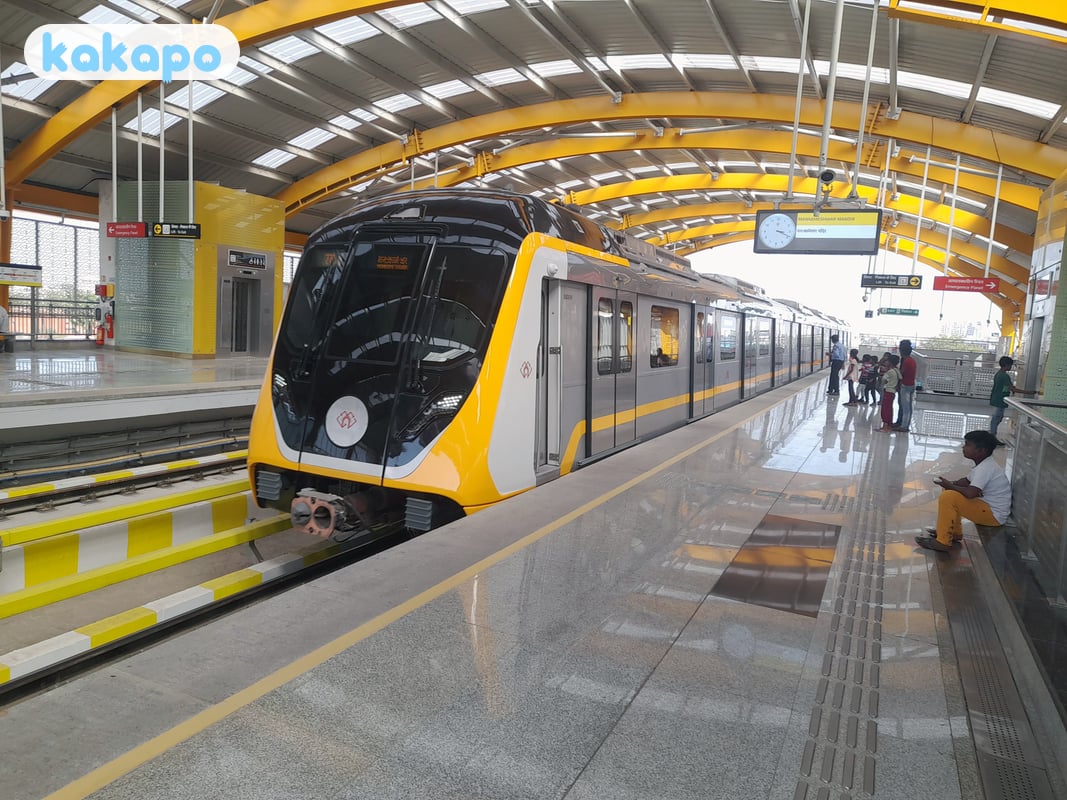
If you're coming from Delhi (most visitors are), you have three options:
- Gatimaan Express train from Hazrat Nizamuddin to Agra Cantonment — ~1h40m. Indian Railways' fastest train. Punctual, clean, safe. The single best option.
- Yamuna Expressway by car — 165km, 3-3.5h. The expressway is well-built but has a high accident rate due to driver fatigue, fog in winter, and over-speeding. Use a reputable car service; avoid driving yourself.
- Tour bus — cheapest but slowest (5-6h with stops, often full of mandatory shop visits). The "Same Day Taj Tour" coach companies vary wildly — read recent reviews carefully.
Inside Agra: Ola and Uber work. Auto-rickshaws are everywhere; agree fare beforehand. Cycle rickshaws are fine for short distances.
Air quality — the seasonal warning
Agra has serious air pollution, especially in October-February. The Yamuna basin traps emissions from the Mathura oil refinery, agricultural stubble burning, and Delhi-NCR pollution.
- Winter mornings: AQI routinely hits 300-400+ ("hazardous"). Breathing this for a day-trip won't kill you; for someone with asthma or heart conditions, it's worth thinking about.
- Bring an N95 mask if visiting Nov-Feb.
- The Taj Mahal closes during severe Delhi smog episodes if visibility drops below safety thresholds. Rare but happens.
- Summer (April-June) — opposite problem. 45°C+ heatwaves. Arrive early, leave by mid-morning. Heatstroke has been the cause of multiple recent tourist hospitalisations.
Food, water, and Delhi belly
- Tap water: not safe to drink. Bottled or boiled only. Ice in drinks, salads washed in tap water, and street vendors are the typical illness sources.
- Food poisoning is common but rarely serious; takes 24-48h to clear. Pack oral rehydration salts.
- Vegetarian / "thali" restaurants with high turnover (Pinch of Spice, Esphahan, Dasaprakash) are reliable. Hotel restaurants are universally safe.
- Pharmacies ("medical stores") are everywhere. Most basic medications are available without prescription.
- Vaccinations: standard (Hep A, Typhoid). Rabies series recommended if you'll be off the tourist circuit.
Solo female travel — honest framing
Indian government and FCDO statistics both report that India has higher rates of crime against women — including against foreign visitors — than most countries. This is true for Agra as well as elsewhere. The honest practical advice:
- Stay in mid-range or upscale hotels, not Taj Ganj guesthouses, if you're solo female.
- Hire a driver rather than auto-rickshaws, especially after dark.
- Avoid the Yamuna riverbank at the back of the Taj at any time.
- Dress modestly — covered shoulders + knees. This is cultural, not legal, but universally appreciated.
- If something happens: 112 is the women's helpline + general emergency. Keep your country's embassy contact number saved offline.
Neighbourhoods — where to stay, where to be wary
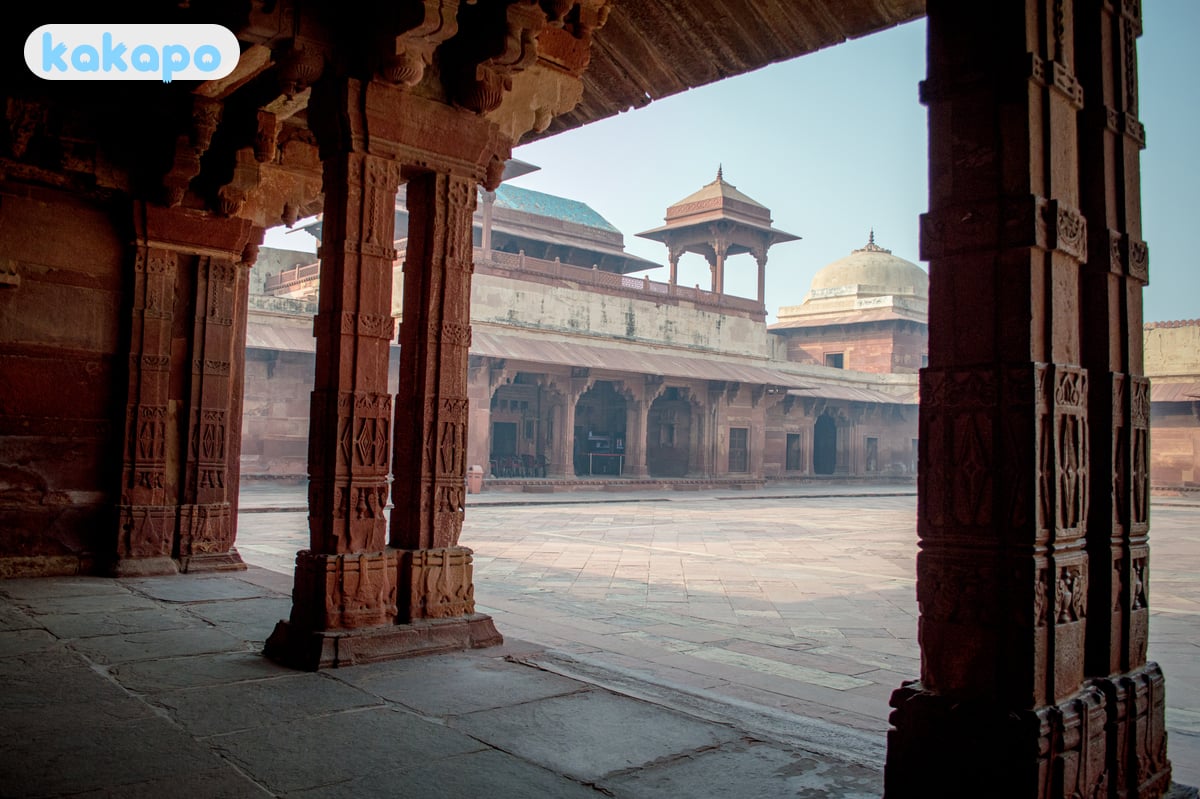
- Taj Ganj — the warren of narrow lanes directly south of the Taj Mahal's South Gate. The cheap backpacker district: guesthouses (Hotel Sheela, Saniya Palace) with rooftop views straight onto the dome, ₹100-500 a night, and the densest concentration of touts, fake guides, and "tax-free gem export" shops anywhere in India. Daytime fine for a stroll to a rooftop sunset; solo women should avoid the back lanes after dark.
- Sadar Bazaar / The Mall — the colonial-era civil-lines area 2 km south-west of the Taj, around Sadar Bazaar market and Mahatma Gandhi Road. The mid-range hotels, the trustworthy restaurants (Pinch of Spice, Dasaprakash South Indian, Esphahan at the Oberoi), pharmacies, and the better marble-craft cooperatives (Sheroes Hangout café-run by acid-attack survivors, UPSIDC craft emporium). The base most western tourists actually use.
- Agra Cantonment (Cantt) — south-west of the city, anchored by Agra Cantt railway station (Gatimaan Express from Delhi terminates here). Wide military-era roads, the better international-chain hotels (Trident, Courtyard by Marriott, Crystal Sarovar Premiere), and the airport (AGR, very limited flights). Quietest base.
- Tajganj East / Shilpgram — the eastern approach to the Taj's East Gate. The official ASI ticket counter for the East Gate is here, plus the Shilpgram craft village (UP Tourism-run, more honest than Taj Ganj for marble shopping). Less tout pressure than the South Gate side.
- Mehtab Bagh + the north bank of the Yamuna — directly across the river from the Taj, reached by a 15-minute auto-rickshaw via the Strachey Bridge. The "moonlight garden" with the perfect head-on Taj view at sunset. Almost no tourist infrastructure on this side — go for the view, return south for food.
- Agra Fort area — 2.5 km west of the Taj along the river. The 16th-century Mughal fort (₹650 foreign / ₹50 Indian; combined Taj+Fort ticket saves ₹50). Surrounding streets are local rather than touristy; auto-rickshaws to Sadar Bazaar are ₹50-80.
- Fatehabad Road — the four-lane road running south-east from the Taj East Gate. Lined with the larger hotels (ITC Mughal, Jaypee Palace, Radisson) on big plots set back from the road. Convenient if you have a driver; walking is harder because there are no pavements.
- Sikandra + Akbar's Tomb — 10 km north-west on the Delhi road. Akbar the Great's mausoleum in a walled deer-park; ₹310 foreign. A worthwhile stop if you're driving back to Delhi.
- Fatehpur Sikri — the abandoned Mughal capital 40 km west; ₹610 foreign. A half-day side-trip; shared taxis from Idgah Bus Stand ₹50 a head, private car ₹1,500-2,000 return.
- Areas to skip — the Yamuna riverbank behind the Taj (quiet, unlit, occasional muggings); the alleyways east of Jama Masjid late at night; any "off-the-tourist-trail" guide-led visit to a residential gem workshop.
If it's your first time visiting
- Getting in — the Gatimaan Express from Hazrat Nizamuddin (Delhi) to Agra Cantt is the single best option: 1h40m, ~₹775 in AC Chair Car, departs 08:10. Returns 17:50. Book on IRCTC two weeks ahead; foreign-tourist quota helps. A private car along the Yamuna Expressway is 3-3.5h, ₹4,500-7,000 each way through a hotel desk; cheaper Ola Outstation works but with less driver vetting.
- Buy Taj tickets online — asi.payumoney.com, ₹1,300 for foreigners (includes mausoleum entry; bottled water and shoe-covers). The "VIP skip-the-queue" touts at the gate are selling you the same ticket with a markup. Print or screenshot the QR; phone signal at the gates is spotty.
- Sunrise slot is the only one that matters — gates open 06:00 summer / 06:30 winter, 30 minutes before sunrise. Be at the East Gate (less queue than the West) 45 minutes before opening. Mid-day in March-October is photographic suicide — haze and heat ruin the marble's reflective range.
- Best base neighbourhoods: Sadar Bazaar for mid-range walkability (Hotel Sidhartha, Hotel Atulyaa Taj); Cantonment for higher-end international chains (Trident, Courtyard); Fatehabad Road for resort-style (ITC Mughal, Oberoi Amarvilas with the only direct Taj view from rooms). Skip Taj Ganj guesthouses unless you genuinely want backpacker vibe.
- Combined ticket — the ASI sells a same-day combined ticket covering Taj, Agra Fort, Itimad-ud-Daulah, Sikandra and Fatehpur Sikri for ₹1,750 foreign (vs ₹2,880 separately). Only useful if you really are doing them all in one day; most travellers split across two days.
- Auto-rickshaw fares — Taj Ganj to Agra Fort ₹100-150; Cantt to Taj ₹200-250; Sadar Bazaar to anywhere central ₹80-120. Drivers will quote double; agree before boarding. Ola/Uber both work and remove the negotiation entirely.
- Eat where the tour groups eat — counterintuitive but works: Pinch of Spice (Fatehabad Road), Dasaprakash South Indian (Gwalior Road), Joney's Place (Taj Ganj backpacker staple, honest). Hotel restaurants at the Trident and Oberoi are universally safe. Avoid street food on a one-day visit — 24-48h of Delhi belly will eat the trip.
- Cash + cards — ATMs at the Cantt station, Sadar Bazaar (HDFC, SBI), and at the Taj East Gate. ₹2,000 notes are still in circulation but harder to break; carry ₹100s and ₹500s for autos and small purchases. Cards work at hotels and bigger restaurants; not at most autos, marble shops, or street vendors.
- Common rookie mistakes — visiting on a Friday (Taj closed); arriving mid-day in summer; accepting any "free guide" approach outside the gates; saying yes to a "quick visit to my friend's shop" on the way to the Taj (that's the gem-scam funnel); flying domestic to AGR airport (almost no flights; everyone uses Delhi DEL + train); forgetting to pre-book the Gatimaan return ticket (sold-out same-day forces an expensive private car back).
Practical info — emergency numbers
- National emergency: 112 — works for police, ambulance, fire.
- Police: 100.
- Ambulance: 102 (free) or 108 (private).
- Tourist police: Agra has a dedicated tourist police force at the Taj. Approach in uniform; insignia visible.
- Best private hospital: Pushpanjali Hospital, Agra. ER 24h.
Bring: a card without foreign-transaction fees (Visa/Mastercard work; Amex less reliably), an unlocked phone (Indian eSIM or Airtel/Jio prepaid SIM at the airport), a printed accommodation address in Hindi (helpful for non-English-speaking auto drivers), and oral rehydration sachets.
Frequently asked questions
Is Agra safe to visit in 2026?
Yes for tourists with the standard India precautions — Agra scores 65/100 here, in the 'caution' band. Both UK FCDO and US State Department list India at Level 2 ('exercise increased caution') with specific call-outs for crime against women and tourist scams. The Taj Mahal complex itself is one of the safest tourist sites in India — heavily policed, X-ray screening, professional ASI security. The realistic risks are not violent: aggressive vendor scams in the surrounding Taj Ganj zone, gemstone and 'tax-free export' schemes specifically flagged by the FCDO, the Yamuna Expressway road from Delhi (high accident-rate stretch), and the genuinely hazardous winter air pollution (AQI 300-400+ Nov-Feb).
Is Agra safe at night?
Yes — surprisingly, Agra night scores higher than its other sub-bands. The Taj Ganj area and Sadar Bazaar stay busy with returning visitors and hotel-restaurant trade until late, the police presence around the Taj is visible day and night, and the lighting in tourist zones is reasonable. Solo walking from a Pinch of Spice or Esphahan dinner back to a Taj Ganj hotel is routine. Avoid the Yamuna riverbank at the back of the Taj at any time of day or night — quiet, unlit, and reports of muggings. Use Ola or Uber for transport after dark rather than negotiating with auto-rickshaws at fare-doubled rates.
Is Agra safe for solo female travellers?
Workable with standard India precautions. Indian government and FCDO statistics both report higher rates of crime against women — including foreign visitors — than most countries; this applies to Agra. Honest advice: stay in mid-range or upscale hotels rather than Taj Ganj guesthouses; hire a driver instead of auto-rickshaws, especially after dark; avoid the Yamuna riverbank at the back of the Taj at any time; modest dress (shoulders and knees covered) is cultural rather than legal but universally appreciated. The Taj Mahal complex itself with its heavy ASI security and tourist police is one of the more comfortable places in India for solo women. Helplines: 112 (general/women's), 1091 (women), 1363 (tourist).
Can you drink tap water in Agra?
No. Stick to bottled or filtered. Tap water in Agra is contaminated and the typical cause of tourist food-poisoning episodes via ice in drinks, salads washed in tap water, and street-vendor preparations. Bottled is cheap (₹20-40 for 1L) and ubiquitous. Hotel-restaurant ice is generally safe; street-stall ice is not. Brush teeth with bottled water to be fully safe. Carry oral rehydration salts (Electral) — food poisoning is common but rarely serious, typically clearing in 24-48 hours.
What's the biggest scam to avoid in Agra?
The 'tax-free gem export' scheme. A reputable-looking Sadar Bazaar or Taj Ganj shop owner proposes a 'business opportunity': you buy gems for thousands of dollars and an 'associate' will buy them from you back home for triple. The gems are coloured glass; the associate doesn't exist. UK FCDO has a permanent gem-scam advisory specifically for Jaipur and Agra; annual losses run into millions across thousands of victims. Other recurring patterns: 'free tour guide' approaches outside the Taj that end at the cousin's marble shop (real ASI guides have laminated badges and queue inside the East and West Gates); 'closed today, sir' rickshaw redirect to a 'better' temple-shop (the Taj is closed Fridays only — check the ASI site); auto-rickshaw fare doubling (use Ola or Uber); and unofficial 'VIP entry / skip queue' touts at the ticket counters (buy online at asi.payumoney.com).
How dangerous is the Agra winter air pollution really?
Genuinely hazardous for sensitive groups. From October through February the Yamuna basin traps emissions from the Mathura oil refinery, agricultural stubble burning across Punjab and Haryana, and Delhi-NCR vehicular pollution. Winter mornings routinely hit AQI 300-400+ ('hazardous'). For a one-day Taj visit by a healthy adult this won't cause lasting harm but you'll feel sore-throat and irritated eyes; for travellers with asthma, COPD, or cardiovascular conditions it's worth either rescheduling to October or March-September or visiting with N95/FFP2 masks and rescue inhalers. The Taj itself has occasionally closed during severe Delhi smog episodes when visibility drops below safety thresholds. April-June is the opposite problem — 45°C+ heatwaves with multiple tourist heatstroke hospitalisations. October and March are the sweet spots.
Sources
Run a business in Agra?
Show visitors your Agra business is a safe choice. The free Verified by Kakapo badge puts Agra's live safety score on your website, links back to your verified page, and updates itself. No cost.
Get the free badge →