


Is Foshan, China Safe? A 2026 Travel Safety Guide
The Wing Chun martial-arts heritage, Pearl River Delta pollution, the Guangzhou metro extension, summer typhoons, and the realities of one of China's most-overlooked second-tier cities.

Foshan — population ~9.5 million, in Guangdong province directly west of Guangzhou — is one of the Pearl River Delta's industrial heartlands and a city that punches above its tourist weight thanks to its martial-arts and ceramics heritage. Bruce Lee's ancestral hometown is here; Ip Man (the famous Wing Chun grandmaster, Bruce Lee's teacher) is from here; the surviving Wing Chun lineage hubs are here. Crime against tourists is rare; the central Chancheng district is walkable; English support is limited compared to Guangzhou.
The honest concerns are environmental and practical. Pearl River Delta air pollution is chronic — winter PM2.5 regularly hits unhealthy levels; the cluster of factories (ceramics, furniture, electronics) and dense road traffic combine. Foshan is essentially fused with Guangzhou by the Guangzhou Metro extension (Line 1, 7, 28 reach into Foshan; the Guangzhou-Foshan Metro Line 2 entirely within Foshan); the door-to-door integration is the modern travel reality. Summer typhoons hit the Pearl River Delta hard (peak August-October); flooding and wind damage occasional. The standard mainland-China cashless / blocked-internet rules apply.
The US State Department lists China at Level 2; UK FCDO has no specific Foshan advisories. Both note the standard China-context concerns rather than tourist-street risks.
| Night safety | 80/100 |
|---|---|
| Scam / petty-crime risk | Medium |
| Violent crime (tourists) | Low |
| Most common scams | pickpocketing in tourist crush zones at Ancestral Temple |
| Safer neighbourhoods | Chancheng, Lingnan Tiandi, Nanhai |
| Data sources cited | 4 |
| Last verified |
What the score means — 89/100
- Personal safety (88) — high. Foshan is calm; petty pickpocketing in tourist crush zones at Ancestral Temple is the main risk.
- Transport (84) — Foshan Metro 5 lines + Guangzhou Metro extensions; HSR connects to Guangzhou and the wider PRD; Guangzhou Baiyun Airport (CAN) 30 km away is the gateway.
- Healthcare (78) — Foshan First People's Hospital and Foshan Hospital of TCM are the regional referrals; some English-speaking private facilities; serious cases medevac to Hong Kong (2 hours) or Guangzhou.
- Air quality (64) — chronically poor in winter; PRD industrial cluster + traffic; AQI 100-200+ Nov-Mar normal.
Wing Chun heritage — Ip Man and Bruce Lee
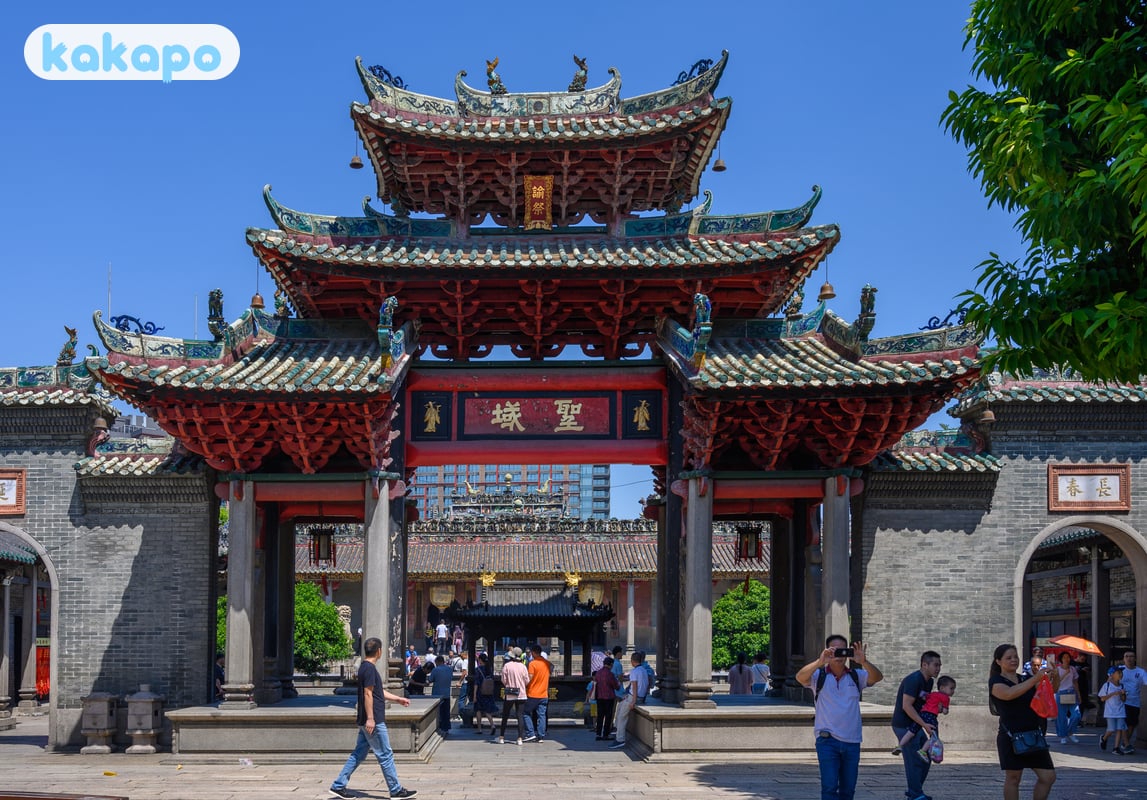
- Foshan Ancestral Temple (Zumiao): 9th-century working temple; site of Wong Fei-Hung Memorial Hall (the famous Cantonese folk-hero/martial-artist) and adjacent Ip Man Tong (museum dedicated to the Wing Chun grandmaster). CNY 20 entry; central Chancheng district.
- Bruce Lee Ancestral Home (Ngo Mei Hauk): in Junan Town, Shunde district; small museum at the family's Hakka-ancestor home; CNY 15 entry. Bruce Lee was born in San Francisco and grew up in Hong Kong but his father was from this Foshan village.
- Wing Chun lineage halls: several active Wing Chun training schools accept short-term foreign students (Pan Nam Wing Chun lineage hall in central Foshan is a notable spot); week-long training programmes available through reputable schools (Ving Tsun Athletic Association ties).
- Don't expect every "Wing Chun school" to be authentic — some are tourist-trap photo-and-souvenir operations. Pre-research before paying for training.
- Photography: temple inner shrines often restrict; museums permit; ask first.
- Don't pose disrespectfully at Wong Fei-Hung memorial — he is a serious folk-hero figure to Cantonese visitors.
Pearl River Delta air quality
- Numbers: Foshan winter PM2.5 averages 50-90 µg/m³; 2024 winter peaks hit 200+ during inversions. WHO guideline is 5 µg/m³ annual.
- Why: PRD ceramics/furniture factories (Foshan is China's "ceramics capital"), shipping and trucking through Pearl River, neighbouring Guangzhou industrial cluster, regional dust events.
- If air-sensitive: bring N95 masks; many hotels now provide air purifiers (ask). Asthma sufferers should bring extra medication.
- Indoor refuge: malls (Lingnan Tiandi, Foshan Tian'an Plaza) are AC and generally cleaner than outdoor.
- Best windows: October-December (post-typhoon, before winter heating); late February-April (warming, before summer humidity).
- Worst: December-February for air; June-August for combination of humidity, heat, and afternoon thunderstorms.
- AQI checking: IQAir, Plume Labs, AirVisual all reliable for Foshan readings.
Guangzhou-Foshan integration — the metro reality
- Foshan and Guangzhou are fused: cross-city metro lines, 25 km between centres, similar character. Many tourists day-trip Foshan from a Guangzhou base.
- Guangzhou-Foshan Metro: Line 1 (within Foshan, opened 2010); Line 2 (within Foshan, opened 2021); Line 3 (under construction); Guangzhou Metro Line 7 extension into Foshan. Single ticket CNY 4-12; covers 80% of cross-city tourist routes.
- HSR: Guangzhou-Foshan multiple stations; Foshan station served by HSR to Guangzhou, Shenzhen, and the Pearl River Delta cluster.
- Guangzhou Baiyun Airport (CAN): 30 km north; Guangzhou Metro line 3 (CNY 7, 50 min) or Foshan-CAN airport bus.
- Hong Kong access: Guangzhou-Hong Kong HSR (1 hr) or Foshan-Hong Kong overnight ferry.
- Stay in Guangzhou: most international visitors will base in Guangzhou (more international hotels, restaurants, English) and day-trip Foshan attractions. Foshan-only visit makes sense if you're tied to a martial-arts school programme.
Pearl River Delta typhoons
- Season: June-November, peak August-October. PRD takes direct strikes most years.
- Recent severe events: Mangkhut 2018 (Cat 5 hit Hong Kong/Macau, also lashed PRD); Saola 2023 (Cat 4 brushed PRD); various smaller. Foshan inland enough to escape direct storm-surge damage but heavy rain causes urban flooding.
- Signal system: PRD follows the Hong Kong-style 1-3-8-9-10 typhoon signal system. Signal 8+ = most businesses close; transit reduces.
- What closes: HSR services suspend; Guangzhou-Foshan metro keeps running underground; Baiyun airport diverts.
- Storm-surge zones: Foshan is inland but Pearl River and tributary flooding catches low-lying areas (parts of Nanhai district).
- Insurance: cancellation cover Aug-Oct.
- Best windows: late October-December (post-typhoon, dry, mild); late February-May (warming, manageable).
Areas — Chancheng, Lingnan Tiandi, Nanhai
Recommended bases: Chancheng (central old town) — walking distance to Ancestral Temple and Lingnan Tiandi; mid-range hotels (Hyatt Place Foshan, Hilton Garden Inn Chancheng). Nanhai district — newer business district; Hampton, business-traveller focused. Shunde (south) — famous for Cantonese cuisine; food-tour worthy but accommodation thin.
Lingnan Tiandi: restored heritage shopping/restaurant district adjacent to Ancestral Temple — mostly pastiche but pleasant evening walk; pickpocket precautions at peak crowds.
There are no genuinely dangerous neighbourhoods in central Foshan.
Transport, driving, the cashless context
- Metro: simple, cheap, comprehensive coverage of central Foshan and connections to Guangzhou.
- Didi: works city-wide; supports foreign cards in-app since 2023.
- Cashless: WeChat Pay and Alipay dominant. Foreign Visa/Mastercard increasingly accepted at chains; small shops/taxis cashless via app. Set up Alipay's Tour Card before arriving.
- Foreign cards at hotels and large restaurants: now widely accepted. Small noodle shops, taxis, market vendors: cashless via app or actual cash.
- Internet/VPN: Google, Facebook, Instagram, X all blocked. Set up VPN before flying.
- Driving: drive on the RIGHT (China). Foreign licences not valid in China. Hire car-and-driver if you want flexibility.
- Buses: extensive but Chinese-language signage; not tourist-friendly.
Money, food, emergency numbers
- Currency: Chinese yuan (CNY/RMB). $1 ≈ CNY 7.2.
- Tipping: not customary.
- Food: Foshan is part of greater Cantonese cuisine territory; Shunde is famously the "best food in China" by some reckonings — fresh fish, congee, double-skinned milk pudding, lou shui chicken. Reputable restaurants in central Chancheng around Lingnan Tiandi; Shunde district worth a food day-trip.
- Tap water: not drinkable. Bottled or kettle-boiled.
- Heat / humidity: 28-35°C with humidity June-September; mild but humid winter (10-18°C).
- Emergency: 110 (police), 119 (fire), 120 (ambulance). Tourist hotline 12301.
- Hospitals: Foshan First People's Hospital (+86 757 8319 4023); Nanhai District People's Hospital; serious cases Sun Yat-sen Memorial Hospital Guangzhou (+86 20 8133 2199) or Hong Kong.
- SIM: passport required for Chinese SIM. eSIM (Airalo China-friendly options) easier.
Frequently asked questions
Is Foshan safe to visit in 2026?
Yes — Foshan scores 80/100 with personal safety at 88. The Pearl River Delta industrial city (~9.5 million, just west of Guangzhou) is calm and walking around central Chancheng district is unremarkable. The US State Department lists China at Level 2; UK FCDO has no specific Foshan advisories. The dominant concerns are environmental: chronic Pearl River Delta air pollution (winter PM2.5 50–90 µg/m³, peaks 200+) and Pacific typhoon strikes August–October. Pickpocketing in tourist crush zones at the Ancestral Temple (Zumiao) and Lingnan Tiandi is the main petty-crime risk.
Is Foshan safe at night?
Yes — central Chancheng is well-policed and walkable any hour. Lingnan Tiandi (the restored heritage shopping/restaurant district adjacent to the Ancestral Temple) is pleasant evening walking with pickpocket precautions at peak crowds. There are no genuinely dangerous neighbourhoods in central Foshan. Didi works city-wide and supports foreign cards in-app (since 2023); the Guangzhou-Foshan Metro Lines 1, 2 and the Guangzhou Line 7 extension run cross-city. Emergency: 110 (police), 119 (fire), 120 (ambulance), tourist hotline 12301.
What's the Wing Chun training scam to avoid?
Not every 'Wing Chun school' is authentic — some are tourist-trap photo-and-souvenir operations charging premium for posed snaps in the courtyard. Foshan's genuine Wing Chun lineage includes Pan Nam Wing Chun's central hall and other Ving Tsun Athletic Association-tied schools that accept short-term foreign students for week-long programmes. Pre-research before paying for training; look for instructor lineage and Ving Tsun Athletic Association ties. The Ip Man Tong museum adjacent to the Ancestral Temple (CNY 20 with the Temple) is the legitimate Ip Man pilgrimage; the Bruce Lee Ancestral Home in Junan Town, Shunde (CNY 15) is the other authentic stop.
Can you drink tap water in Foshan?
No — tap water is not drinkable across mainland China. Hotels provide kettles and free bottled water; boiled tap is the local default. WeChat Pay and Alipay dominate payment; set up Alipay's Tour Card before flying so you can use foreign Visa/Mastercard in-app. Foreign cards work at chains and big restaurants; small noodle shops, taxis and market vendors are cashless via app or cash. Google, Facebook, Instagram and X are all blocked — install a paid VPN (ExpressVPN, Astrill) before arrival.
How exposed is Foshan to typhoons?
Significantly — the Pearl River Delta takes direct typhoon strikes most years (Mangkhut 2018 hit Hong Kong/Macau and lashed the PRD; Saola 2023 brushed). Season runs June–November, peak August–October. The PRD follows the Hong Kong-style 1-3-8-9-10 signal system; Signal 8+ means most businesses close and transit reduces. Foshan is inland enough to escape storm-surge damage but heavy rain causes urban flooding (parts of Nanhai). HSR services suspend; Guangzhou-Foshan metro keeps running underground; Baiyun airport diverts. Buy cancellation cover for Aug–Oct trips.
Sources
Run a business in Foshan?
Show visitors your Foshan business is a safe choice. The free Verified by Kakapo badge puts Foshan's live safety score on your website, links back to your verified page, and updates itself. No cost.
Get the free badge →