


Is Bari, Italy Safe? A 2026 Travel Safety Guide
Bari is reasonably safe for a working port city. The honest concerns: ferry-port logistics, Bari Vecchia pickpocketing, the day-trip drives, and the working-port edge.

Bari is one of southern Italy's working port cities, often used as the ferry hub for Greece (Patras, Igoumenitsa), Croatia (Dubrovnik), and Albania (Durrës). Crime against tourists is moderate. The realistic concerns are practical: ferry-port logistics catch out first-timers (the port is chaotic; check-in 2h+ ahead), Bari Vecchia (the Old Town) has a working-class density that puts pickpockets in the warmer crowds, the day-trip drives to Lecce / Matera / Polignano / Alberobello are demanding for non-Italian drivers, and Bari has more port-city edge than Florence-tier expectations allow for.
Italy sits at Level 2 on the US State Department advisory (terrorism, baseline). UK FCDO is similar and notes pickpocketing in major Italian cities. The honest framing: Bari is mid-sized (~320,000), Puglia's capital, with strong food + historical-monument density. The 2010s + 2020s saw significant Bari Vecchia gentrification — the "scary" reputation is largely outdated, but it's still rougher around the edges than tourist-Italy capitals.
The defining experiences: Bari Vecchia (with the famous orecchiette grandmas on Strada delle Orecchiette), Basilica di San Nicola, Castello Svevo, the Lungomare promenade, day trips to Polignano a Mare + Alberobello + Matera + Lecce.
| Night safety | 65/100 |
|---|---|
| Scam / petty-crime risk | Medium |
| Violent crime (tourists) | Medium |
| Most common scams | pickpockets in Bari Vecchia; boarding scams at the ferry port; bag-snatch from scooters |
| Safer neighbourhoods | Bari Vecchia, Murat, Lungomare Nazario Sauro |
| Data sources cited | 4 |
| Last verified |
What the score means — 78/100
- Healthcare (84) — Policlinico di Bari is the regional reference centre.
- Air quality (82) — Adriatic + cruise/ferry port adds NO₂ on busy days.
- Transport (82) — bus + suburban rail (Ferrotramviaria, Sud-Est) + Bari Centrale main station; walkable centre.
- Personal safety (78) — moderate. Bari Vecchia + ferry port + station are the pickpocket spots.
Ferry port — the practical reality
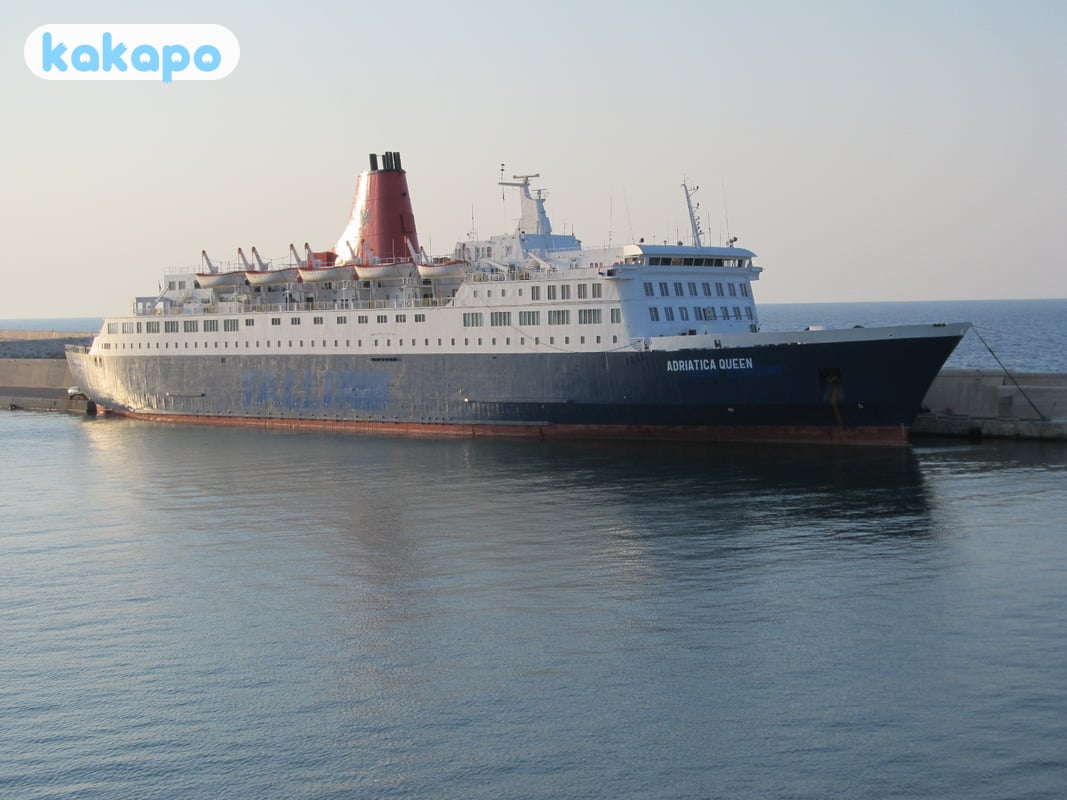
- Operators: Superfast Ferries, Anek, Grimaldi (Greece + Adriatic), Ventouris (Albania), Jadrolinija (Croatia).
- Routes: Bari → Patras 14-16h, Igoumenitsa 9-10h, Durrës 9h, Dubrovnik 7h.
- Cost: deck passenger €60-€100; cabin €100-€200; with car €200-€500 depending on season.
- Check-in: 2 hours before sailing, 3 hours if taking a vehicle. Port is large + signage limited.
- Walking from station to port: 25 min through the city. Bus 20 connects Bari Centrale to the port (Stazione Marittima).
- Pickpockets at the port: real. Cross-body bag in front; never set bags down to read paperwork.
- Boarding scams: don't accept "help" from non-uniformed strangers near the port; agree taxi fares upfront.
Bari Vecchia — Old Town reality
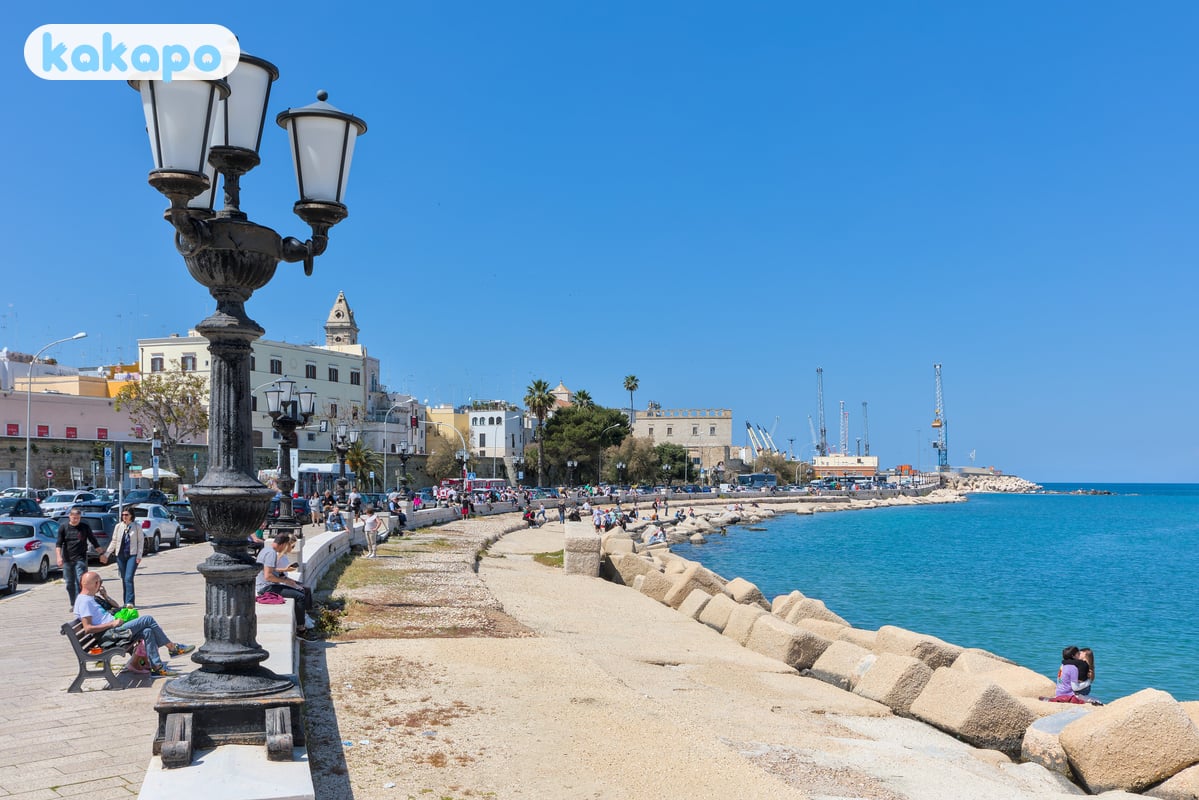
- What it is: medieval walled-quarter, narrow alleys + densely packed apartments. Real working-class neighbourhood layered with tourist sights.
- Strada delle Orecchiette: the famous lane where local women make orecchiette pasta on doorsteps. Buy a kg for €5-€8.
- Pickpockets: meaningful in the Vecchia tourist crush + market mornings. Front pocket only; bag in front.
- Late at night in Bari Vecchia: gentrified bar streets (around Piazza Mercantile + Strada del Carmine) are safe. Deeper residential alleys are local rather than touristic — fine but quieter.
- Bag-snatch from scooters: a Puglian variant. Walk on the building side; bag on building-side shoulder.
- Photography of locals: ask permission; the orecchiette grandmas tip but expect attention.
Lecce, Matera, Polignano, Alberobello
- Polignano a Mare: 30 min by Trenitalia, ~€3. Cliff-top old town + the famous Lama Monachile cove. Day-trippable.
- Alberobello: 1h by Sud-Est train, ~€5. UNESCO trulli (cone-roofed houses). Touristy + busy in summer.
- Lecce: 1h30m by Trenitalia high-speed, ~€10-€20. Baroque masterpiece — "Florence of the South". Worth a 2-day stay.
- Matera: 1h drive (or Sud-Est train). Sassi cave-dwellings UNESCO. Spectacular; book a sasso hotel for atmosphere.
- Driving Puglia: roads decent; tractors + scooters share narrow rural lanes. Patience.
- Sud-Est train: real but slow + limited Sundays. Worth knowing schedule before relying on it.
Bari Centrale + the surrounding streets
- Bari Centrale station: well-maintained inside; the streets immediately south + east have a port-city edge.
- Pickpockets: meaningful at platforms + bus interchange.
- Late at night south of the station: not dangerous in the violent sense but quieter + grittier; take a taxi rather than walk solo.
- Hostels around the station: choose ones with good late-evening reviews + 24h reception.
- Lockers at Centrale: limited; the KiPoint left-luggage office handles bags.
Food, water, scams

- Puglian food: orecchiette al cime di rapa, bombette, panzerotti, focaccia barese, mozzarella di Andria.
- Best non-touristy restaurants: Mastro Ciccio, Le Travi, Allo Stretto. The Lungomare seafood places are touristy but reliable.
- Water: tap is safe. Bottled is the norm in restaurants.
- Coperto: €1-€3/person standard. Not a scam.
- "Per-100g fish" pricing: ask the per-kg rate before ordering whole branzino. Bills can shock.
- Tipping: 5-10% if happy.
Trains, buses, the airport
- Bari Karol Wojtyła Airport (BRI): 8 km west. Ferrotramviaria train to Bari Centrale ~€5, 15 min. Bus 16 also works.
- Trenitalia Frecce: Bari ↔ Rome 4h, Naples 4h, Milan 7h via the Adriatic Frecciarossa.
- Sud-Est regional trains: Salento + trulli country.
- Currency: euro. Cards everywhere; cash for some markets.
- ATMs: bank-branch (UniCredit, Intesa) for the best rates.
- Driving: avoid Bari Vecchia (ZTL fines). Park at the port garages or Larga Adua.
Quarters of Bari — where to base yourself
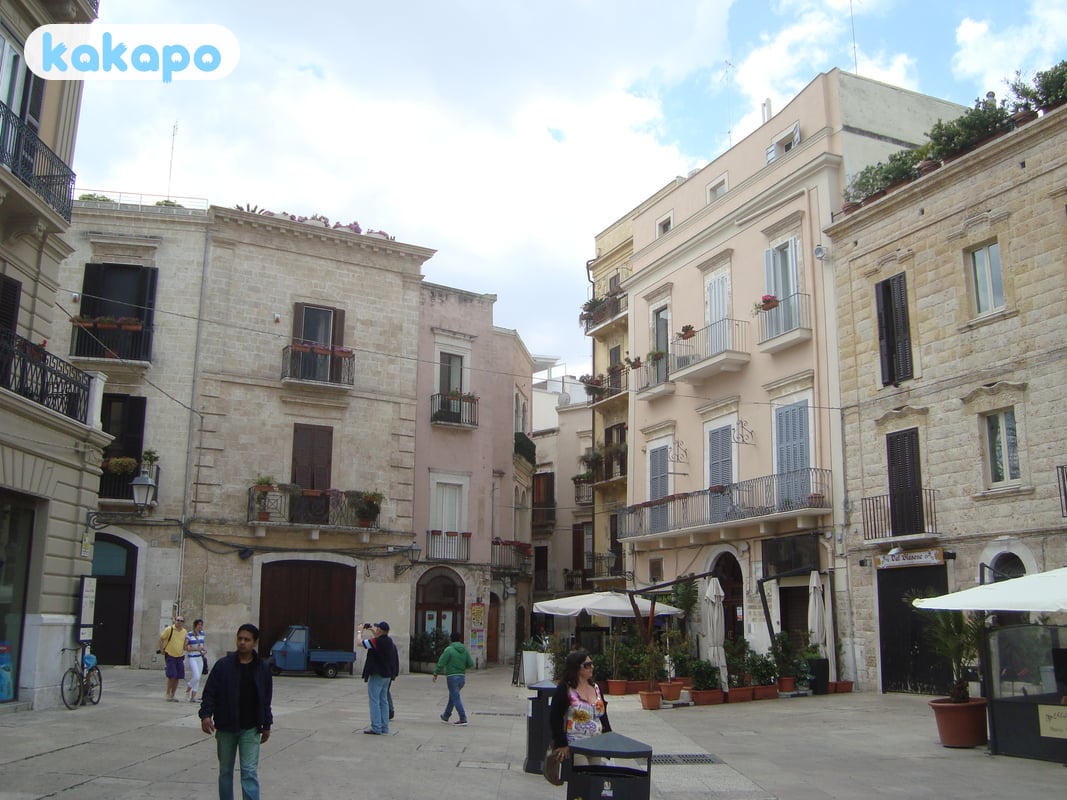
- Bari Vecchia (the Old Town / Città Vecchia) — the medieval walled quarter on the headland, narrow whitewashed alleys, doorstep orecchiette grandmas on Strada delle Orecchiette (selling fresh handmade pasta €5-8/kg), the Basilica di San Nicola (free, the bones of Saint Nicholas / Santa Claus in the 11th-century crypt), Cattedrale di San Sabino, Castello Svevo (€7). The gentrified bar streets around Piazza Mercantile and Strada del Carmine are safe and lively late; deeper residential alleys are local rather than touristic. Stay here (B&Bs €80-180) for the atmospheric base.
- Murat (the 19th-century grid south of the Old Town) — the planned Bourbon-era city: wide straight boulevards (Via Sparano the pedestrian shopping spine, Corso Cavour, Via Argiro), the Teatro Petruzzelli opera house, the Piazza Umberto I market, the chain hotels (NH Bari, Mercure, Boscolo). The practical first-night base — flat streets, taxi access, walkable to both Old Town and the Lungomare. Rooms €100-200.
- Lungomare Nazario Sauro + Lungomare Imperatore Augusto — the 5km waterfront promenade, Italy's longest, running south from the Old Town past the Margherita Theatre and Pane e Pomodoro beach. The classic Italian evening passeggiata route; pizzeria and gelato density. Bag-snatch from scooters is the local variant — walk on the building side with bag on the building-side shoulder.
- Quartiere Libertà — the working-class quarter immediately south of Bari Centrale, undergoing slow gentrification. Officina degli Esordi cultural centre, the smaller weekend markets, cheaper rents and cheaper trattorias. The streets immediately around the station have a port-city edge late at night; take a taxi rather than walk solo after 23:00.
- Stazione Marittima (the ferry port) — the working port north of the Old Town. Superfast, Anek, Grimaldi, Ventouris, Jadrolinija for Greece/Croatia/Albania crossings. Not a place to stay; allow 2 hours minimum for check-in (3 hours with a vehicle). Bus 20 connects Bari Centrale to the Stazione Marittima in 15 minutes; walking it is 25 minutes through the city.
- San Pasquale + Madonnella (south coastal) — residential, the start of the long Lungomare south to Pane e Pomodoro beach. Quiet, family-friendly, decent value B&Bs (€70-140). The 1930s rationalist architecture along Lungomare Starita is unique to Bari.
- Poggiofranco + Carrassi (south inland) — leafy residential, Policlinico di Bari (the regional reference hospital, +39 080 559 1111), the Apulian regional government offices. Not for tourist accommodation; useful to know where the hospital is.
- Japigia + San Cataldo (further south) — peripheral residential quarters, the route to the airport via the SS16. Bari Karol Wojtyła Airport (BRI) is 8km west via Ferrotramviaria train (€5, 15 min) or Bus 16. Pizzomunno beach further south is the local Sunday escape.
- Polignano a Mare and Monopoli (technically separate towns, 30-45 min south by Trenitalia €3-5) — the postcard cliff-top village with Lama Monachile cove and the larger fishing port of Monopoli. The best day-trip combination for first-time visitors who want to see "Puglia beyond Bari" in half a day.
If it's your first time visiting
- Best arrival: Bari Karol Wojtyła Airport (BRI) — Ryanair, easyJet, Lufthansa, ITA Airways, Wizz Air. Ferrotramviaria train (Bari Aeroporto station inside the terminal) to Bari Centrale every 30 min, €5, 15 min. Bus 16 also covers the route (€1.20, 30 min). Taxi €25-30 fixed. From Rome: Frecciarossa Bari ↔ Roma Termini direct in 4h, €30-80. From Naples: 4h via the Adriatic Frecciargento, €45-65.
- Best neighbourhood for your first night: Murat district for chain-hotel reliability, flat streets and taxi access (NH Bari, Mercure, Boscolo, €100-200); Bari Vecchia B&Bs for atmosphere (€80-180); avoid first-time bookings immediately south of Bari Centrale (quartiere Libertà is fine by day, gritty late). The ferry-port hotels are functional, not characterful.
- Eat orecchiette where the orecchiette is made. Strada delle Orecchiette (Arco Basso, Bari Vecchia, mornings 09:00-13:00) is where the local women hand-roll fresh pasta on doorsteps — €5-8/kg in plastic bags, dried €10-15. Buy a bag and a bottle of Primitivo to take home. Eat the cooked version at Mastro Ciccio (panini-and-pasta institution, €8-15), Le Travi for the Lungomare upgrade, Al Pescatore for fish, or the Lungomare seafood places (ask the per-kg branzino rate before ordering or the bill shocks).
- The day-trip combinations: Polignano a Mare + Monopoli (30-45 min south by Trenitalia, half a day, €3-5 return); Alberobello UNESCO trulli (1h by Sud-Est train, €5, half day); Matera Sassi cave-dwellings (1h drive or Sud-Est train, full day, the spectacular UNESCO sight); Lecce "Florence of the South" (1h30m Frecciarossa, €10-20, deserves an overnight). Sud-Est regional trains are slow and have limited Sunday service — check schedules.
- Bag-snatch defence is non-optional in Bari. Scooter-borne snatchers work the Lungomare and the streets connecting Bari Centrale to the Old Town: walk on the building side, bag on the building-side shoulder, cross-body and zipped. Front-pocket-only for phones and wallets. Pickpockets work the ferry port (Stazione Marittima) and Bari Centrale platforms — never set bags down to read paperwork.
- Ferry to Greece, Croatia, Albania: if Bari is your departure point, check in 2 hours before sailing (3 hours with a car). Superfast Ferries and Anek to Patras (14-16h) and Igoumenitsa (9-10h), Ventouris to Durrës (9h), Jadrolinija to Dubrovnik (7h). Deck passenger €60-100, cabin €100-200, with car €200-500 depending on season. Don't follow non-uniformed strangers offering help with paperwork.
- Driving Puglia: hire a car for the inland trulli + Matera + Salento loops; avoid Bari Vecchia (ZTL fines for non-residents). Park at the Stazione Marittima garages or Larga Adua. Rural roads are decent but tractors and scooters share narrow lanes — patience. Italian DUI is strict; do not drink at lunch and drive in the afternoon.
- Common rookie mistakes: walking from Bari Centrale to the Old Town at 23:00 (the quartiere Libertà streets in between have a port-city edge — take a taxi); ordering whole fish on the Lungomare without asking the per-kg rate (€80-150 surprise bills); driving a non-ZTL-cleared car into Bari Vecchia; missing the orecchiette grandmas (they pack up after 13:00); booking back-to-back ferry-and-train without 2-hour port buffer; expecting Florence-tier tourist polish (Bari is a working southern port city — that's its character, not a flaw).
- Cash and cards: contactless everywhere mid-range up; cash for the orecchiette grandmas, the smallest trattorias, and bus tickets. UniCredit and Intesa Sanpaolo ATMs at bank branches for the best rates — always decline DCC ("pay in euros, not in dollars/pounds").
Practical info — emergency numbers
- European emergency: 112.
- Carabinieri: 112.
- Coast Guard (port): 1530.
- Polizia ferroviaria (rail/Centrale): 113.
- Policlinico di Bari: +39 080 559 1111.
Bring: trainers with grip for cobbles, sun protection, a refillable water bottle, a cross-body anti-snatch bag, a contactless card, an unlocked phone, and travel insurance.
Frequently asked questions
Is Bari safe to visit in 2026?
Yes — Bari scores 80/100 and is reasonably safe for a working port city. Italy sits at Level 2 in US State Department guidance (terrorism baseline); UK FCDO is similar and specifically notes pickpocketing in major Italian cities. Crime against tourists is moderate. The realistic concerns are practical rather than violent: ferry-port logistics catch out first-timers (the port is chaotic, check-in 2h+ ahead, 3h with a vehicle), Bari Vecchia (the Old Town) has working-class density that puts pickpockets in the warmer crowds, the day-trip drives to Lecce, Matera, Polignano and Alberobello are demanding for non-Italian drivers, and Bari has more port-city edge than Florence-tier expectations allow.
Is Bari safe at night?
Yes broadly. The gentrified bar streets of Bari Vecchia around Piazza Mercantile and Strada del Carmine are routinely walked late by locals and tourists, the Lungomare promenade is a classic Italian evening stroll, and the Murat district (the 19th-century grid south of the Old Town) is quiet and safe. The asterisk is the streets immediately south and east of Bari Centrale station — not dangerous in the violent sense but quieter and grittier; take a taxi rather than walk solo after 23:00. Deeper Bari Vecchia residential alleys are local rather than touristic — fine but you'll feel out of place. Free Now and Uber both work (Uber as taxi-hail since the regulatory dispute); insist on the taximetro. Carabinieri: 112; rail police at Centrale: 113.
What scams should I watch for in Bari?
Bag-snatch from scooters is the Puglian variant — walk on the building side of the pavement with bag on the building-side shoulder, particularly along the Lungomare and the streets connecting Bari Centrale to the Old Town. Pickpockets are real at the ferry port (Stazione Marittima) and Bari Centrale platforms — cross-body bag in front, never set bags down to read paperwork. Don't accept 'help' from non-uniformed strangers near the port (boarding scams). The 'per-100g fish' pricing trick on the Lungomare seafood places: ask the per-kg rate before ordering whole branzino or the bill can shock. Coperto (cover charge) of €1-3/person is standard and not a scam. ATM at bank-branch UniCredit or Intesa Sanpaolo only — decline DCC (always pay in euros).
Can you drink tap water in Bari?
Yes — Bari tap water is safe and meets EU standards (the Acquedotto Pugliese system is one of southern Italy's most reliable). Bottled is the cultural default in restaurants — 'acqua frizzante o naturale?' is the standard question — but you can ask for a carafe ('acqua del rubinetto') or refill at the numerous public fountains along the Lungomare. The Strada delle Orecchiette grandmas don't sell water but most Old Town cafés will refill a bottle. Coffee at the corner bar (caffè €1 standing, €2-3 sat) is the routine. Watch the Adriatic UV in summer — south Puglia gets full sun and SPF50 matters on the Lungomare and the day-trip beach stops at Polignano.
How do I actually navigate the Bari ferry port?
Allow 2 hours minimum (3 with a car) for check-in before sailing. The major operators are Superfast Ferries and Anek (Greece — Patras 14-16h, Igoumenitsa 9-10h), Grimaldi (Adriatic), Ventouris (Albania — Durrës 9h), and Jadrolinija (Croatia — Dubrovnik 7h). Deck passenger fares run €60-100; cabin €100-200; with car €200-500 depending on season. Walking from Bari Centrale to the port (Stazione Marittima) takes 25 minutes through the city; Bus 20 connects them and is the practical option with luggage. Don't follow non-uniformed strangers offering help with paperwork — confirmed boarding scams happen. Within the port, signage is limited, so identify your operator's check-in desk early. Bari Karol Wojtyła Airport (BRI) is 8km west with Ferrotramviaria train to Centrale ~€5 in 15 minutes.
Sources
Run a business in Bari?
Show visitors your Bari business is a safe choice. The free Verified by Kakapo badge puts Bari's live safety score on your website, links back to your verified page, and updates itself. No cost.
Get the free badge →