


Is Bologna, Italy Safe? A 2026 Travel Safety Guide
The porticoes, student-bar nightlife, the rail station rough edges, food-tour scams, and the realistic risks of Italy's oldest university city.

Bologna is one of Italy's safer mid-sized cities for tourists. Crime against visitors is moderate; the city's UNESCO-listed porticoes (~38 km of arcaded walkways) keep most pedestrian routes covered, lit, and well-trafficked.
The realistic risks for visitors are pickpockets in Piazza Maggiore and around the Two Towers (less than Milan or Rome but present), occasional drunkenness in the dense student-bar area around Via Zamboni after midnight, the Bologna Centrale station rough edges late at night, and the food-tour overcharging that has emerged with Bologna's "food capital of Italy" branding.
Italy sits at Level 2 on the US State Department's advisory list (terrorism). UK FCDO is similar. The honest framing for first-time visitors: Bologna is medium-sized (~390,000 in city, 1 million metro), home to the world's oldest university (1088), and the food capital of the Emilia-Romagna region (think Parmigiano-Reggiano, Prosciutto di Parma, balsamic vinegar, ragù alla bolognese — the actual real version, not "spaghetti bolognese").
Bologna's three nicknames tell you why people come: La Dotta (the learned — for the 1088 university, the world's continuously oldest), La Grassa (the fat — for the food), and La Rossa (the red — historically for the terracotta-roofed centre and the city's post-WWII left-wing politics). The 38 km of UNESCO-listed porticoes link almost the entire centro storico under arcade — practical for rain and sun, atmospheric at every hour, and the reason Bologna is one of the easiest Italian cities to walk for a half-day in summer heat. The two Towers (Asinelli and the leaning Garisenda) at the city's centre were partly closed for restoration through 2024-2025 — check current status before queuing.
2026 logistical detail worth knowing: Bologna's first tram line (Linea Rossa) opens in phases through 2026, connecting Borgo Panigale to the Fiera; Marconi Express monorail from Bologna Centrale to BLQ airport in 7 minutes (€11.50, runs every 7 min) remains the right airport answer; the Frecciarossa high-speed connection to Florence in 35 minutes, Milan in 1 hour and Rome in 2 hours makes Bologna a logical hub for an Emilia-Romagna + Tuscany loop; and the Bologna FICO Eataly World food theme park outside the centre has now closed (it failed commercially in 2021) — don't book it; it's the Mercato delle Erbe and Quadrilatero you actually want.
| Night safety | 68/100 |
|---|---|
| Scam / petty-crime risk | Medium |
| Violent crime (tourists) | Low |
| Most common scams | food-tour overcharging; pickpockets in Piazza Maggiore; overpriced restaurants around Piazza Maggiore |
| Safer neighbourhoods | Centro Storico, Quadrilatero |
| Data sources cited | 4 |
| Last verified |
What the score means — 85/100
- Healthcare (88) — Italian SSN; Sant'Orsola is one of Italy's largest hospitals.
- Personal safety (84) — high. Pickpocketing at tourist sites; otherwise low.
- Transport (84) — extensive bus network; small new tram opening 2026; very walkable centre.
- Air quality (78) — the lowest sub-band. Po Valley winter inversions affect Bologna too.
The porticoes — UNESCO and slippery

- The porticoes: 38 km of covered arcaded walkways through the historic centre. UNESCO-listed in 2021. Practical for rain and sun; aesthetic at all hours.
- Slippery floors: many porticoes have polished marble or stone floors that become very slippery when wet. Sturdy shoes with grip, especially in November-March.
- Cyclists in the porticoes: technically banned but common. Watch for them.
- The portico to San Luca: 3.8 km, ~666 arches climbing to the basilica. Famous walk; great views; requires fitness. About 1 hour up.
Student bar district — Via Zamboni

- Via Zamboni / Piazza Verdi: the university quarter. Late-night cheap bars, big student crowds, sometimes-loud weekend chaos.
- Crime: still low compared to Milan or Rome's nightlife districts. Petty theft and occasional bar fights.
- Drink-spiking: rare but reported. Watch your drink.
- "Aperitivo" (6-9pm): €8-12 for drink + buffet. Standard. Try Mercato delle Erbe.
- Walking home through porticoes at 3am: generally safe. Stick to the busier streets.
Bologna Centrale — rail-station context

- Bologna Centrale: major Italian rail hub (Frecciarossa to Milan, Rome, Florence, Venice).
- Daytime: fine. Restaurants, hotels, transport.
- Late evening / late night: rough sleepers, occasional aggressive begging in the area immediately around the station and the underpasses.
- The 1980 bombing memorial: at the station. The deadliest neo-fascist terror attack in post-war Italy (85 killed). Sober and worth a moment.
- If your overnight train is delayed: go to a 24h café or a hotel rather than sleeping at the station.
Food-tour scams and tourist-trap restaurants
- "Spaghetti bolognese": a tourist invention. Bolognese (ragù) is served with tagliatelle, never spaghetti. If a menu offers "spaghetti bolognese", it's a tourist restaurant.
- Pricing in immediately-around-Piazza-Maggiore restaurants: meaningfully inflated. Walk three blocks for genuine prices.
- Food tours: legitimate ones (€60-90 for 3-4 hours, multiple stops, real producers). Sketchy ones (cheap, generic, take you to commission shops). Read reviews carefully.
- Coperto: standard cover charge €2-4/person at sit-down restaurants. Legal and expected.
- Tipping: 5-10% if service charge isn't already added.
- Local specialties: tagliatelle al ragù, tortellini in brodo, mortadella, mortadella tortellini, lasagne verdi alla bolognese.
Transport, taxis, the airport
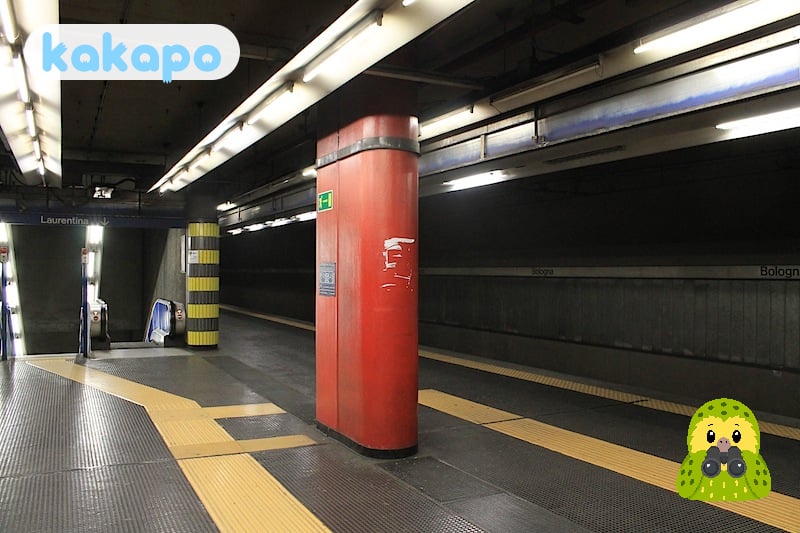
- Buses (TPER): extensive. €1.50 single. Tourist 24h pass €6.
- The new tram: phased opening from 2026. Currently Line Rossa partly running.
- Taxis: white, metered, honest. FREE NOW operates.
- Walking: the historic centre is walkable end-to-end in 30 min.
- Bologna Airport (BLQ): 6 km north. Marconi Express monorail €11.50 to Centrale (7 min, runs every 7 min). Taxi flat €25.
- High-speed trains: Frecciarossa to Milan 1h, Florence 35 min, Rome 2h, Venice 1h30m.
Money, food, the cost story
- Currency: Euro (€). Card-friendly.
- Tap water: safe.
- Food markets: Mercato delle Erbe (covered), Mercato di Mezzo (touristy), Quadrilatero (the gourmet maze around Via Drapperie). All worth walking.
- Lambrusco: the local sparkling red wine. Cheap and good.
Neighbourhood-by-neighbourhood breakdown

- Centro Storico + Piazza Maggiore — the medieval and Renaissance core, anchored by Piazza Maggiore (the broad ceremonial square with the Basilica di San Petronio), Fontana del Nettuno (Giambologna's Neptune fountain), Palazzo del Podestà and Palazzo d'Accursio. Pickpocket density at peak; otherwise comfortable any hour.
- Via dell'Indipendenza — the broad shopping spine running north from Piazza Maggiore to Bologna Centrale station, all under continuous porticoes. The retail centre (Coin, Zara, COS) and the standard tourist promenade. Cyclists and the new tram share parts of the road; cross at marked crossings.
- The porticoes (UNESCO) — 38 km of arcaded walkways across the historic centre, inscribed UNESCO in 2021. The famous San Luca portico is a 3.8 km, ~666-arch climb to the basilica on the southern hill (about 1 hour up, dramatic at sunset). Marble and stone surfaces get glass-slick in November-March rain; sturdy shoes essential. Cyclists technically banned in the porticoes but common — watch.
- Quadrilatero — the dense food-market grid east of Piazza Maggiore (Via Pescherie Vecchie, Via Drapperie, Via Caprarie). Salumerie hung with mortadella and prosciutto, fresh-pasta shops, cheese counters and aperitivo bars. Best at 10am for actual shopping; the after-work aperitivo crush (6-9pm) is the social hour. Pickpocket awareness in the standing crush.
- Two Towers + University Quarter (Via Zamboni / Piazza Verdi) — the world's oldest university (1088) shapes this whole eastern half of the centro storico. Via Zamboni is the main academic spine, Piazza Verdi the student social heart. Late-night cheap bars, big student crowds, weekend chaos but low real crime. The leaning Garisenda Tower next to Asinelli — partly closed for safety restoration through 2024-25, check current access.
- Bologna Centrale — the city's main rail station, 1.5 km north of Piazza Maggiore. France's-third-busiest equivalent for Italy: Frecciarossa to Florence (35 min), Milan (1h), Rome (2h), Venice (1h30m). The 2 August 1980 bombing memorial (85 killed; the deadliest neo-fascist attack in post-war Italy) is preserved on the station wall — sober and worth a moment. Rough sleepers and aggressive begging in the immediate area late at night; take a taxi if arriving past 23:00.
- Tortellini context — Bologna's signature pasta is tortellini in brodo (hand-folded ring pasta in capon broth), not "tortelloni" (larger, with ricotta) and not the lasagne-bolognese-spaghetti combination outsiders associate with the city. Tagliatelle al ragù is the actual pasta-with-meat-sauce; "spaghetti bolognese" is a tourist invention and a menu signaling sign. Best tortellini at Trattoria Anna Maria (Via delle Belle Arti), Sfoglia Rina (Via Castiglione), Drogheria della Rosa.
- Bolognina + the Fiera district — north of the rail station; gentrifying working-class with the Mercato Albani street market. The Fiera trade-fair complex generates business-traveller density during major fairs (Cosmoprof, Cersaie, Eima); hotel prices triple those weeks.
- San Luca + the Colli — the southern hills above the city, accessible via the famous 666-arch portico walk or the San Luca Express tourist bus. Sunset photo of Bologna laid out below.
If it's your first time visiting
- Best arrival: Bologna Airport (BLQ) → Marconi Express monorail to Bologna Centrale, €11.50, 7 minutes, every 7 min — the right answer. Taxi flat €25. From Frecciarossa hub: Florence 35 min (€20-50), Milan 1h (€30-80), Rome 2h (€40-100), Venice 1h30m (€25-60).
- Best base neighbourhoods: Centro Storico within 10 min walk of Piazza Maggiore (Grand Hotel Majestic, Hotel Corona d'Oro, Art Hotel Commercianti) for full immersion; near Via dell'Indipendenza for transport-and-shopping convenience; Quadrilatero / Mercato delle Erbe for food-focused proximity.
- Food pricing reality — a serious sit-down Bolognese dinner is €30-50 a head with wine; aperitivo crowd at the Quadrilatero (€8-12 for a drink with substantial buffet 6-9pm) is the cheaper alternative; tagliatelle al ragù at Trattoria Anna Maria runs €15. Coperto (€2-4 cover charge) is legal and expected; service charge sometimes auto-added — check before tipping.
- Shoes with grip — the polished marble portico floors are properly slippery in November-March rain. Sturdy soles. The 3.8 km San Luca portico walk-up needs real shoes, not sandals.
- Skip "spaghetti bolognese" — it doesn't exist in Bologna. The signal it sends is "tourist-priced menu in 5 languages." Order tagliatelle al ragù, tortellini in brodo, lasagne verdi alla bolognese, or mortadella. Pair with a glass of cool Lambrusco (the local sparkling red, surprisingly good with rich food).
- Public transport — TPER buses €1.50 single, €6 tourist 24h pass; new Linea Rossa tram opening 2026; the centre is fully walkable end-to-end in 30 minutes. No metro.
- Day-trip planning — Modena 35 min (Ferrari Museum, balsamic vinegar producers, Osteria Francescana); Parma 1h (Parmigiano-Reggiano, prosciutto producers, the Verdi country); Ravenna 1h15m (Byzantine mosaics, UNESCO); Florence 35 min (the Tuscany hub); Venice 1h30m.
- Common rookie mistakes — ordering spaghetti bolognese (instant tourist tax); skipping the Quadrilatero in favour of supermarket lunches (you came for the food); booking dinner at 7pm (locals eat 8-10pm); climbing San Luca in the heat of August midday (start early); planning Bologna during Cosmoprof or Cersaie trade fair weeks without realising hotels triple.
Practical info — emergency numbers
- European emergency: 112.
- Carabinieri: 112.
- Polizia di Stato: 113.
- Ambulance: 118.
- Sant'Orsola Hospital: +39 051 214 1111.
Bring: shoes with grip (slippery porticoes), an unlocked phone (Iliad, TIM, Vodafone Italia), a contactless card without foreign-transaction fees, an appetite, and travel insurance documentation.
Frequently asked questions
Is Bologna safe to visit in 2026?
Yes. Bologna is one of Italy's safer mid-sized cities. US State Department lists Italy at Level 2 (terrorism baseline). Crime against visitors is moderate — pickpockets at Piazza Maggiore and around the Two Towers are present but less aggressive than in Milan or Rome. The 38 km of UNESCO porticoes keep most routes covered, lit, and well-trafficked.
Is Bologna safe at night?
Yes. Via Zamboni and Piazza Verdi (the university quarter) are alive with students late into the night — cheap bars, occasional weekend chaos, but crime is low. Walking back to a hotel at 3am through the porticoes is generally fine on busier streets. The area immediately around Bologna Centrale station at late night has rough sleepers and aggressive begging — take a taxi if arriving late.
Is Bologna safe for solo female travellers?
Yes — comfortably so. The university-city culture, dense porticoes that keep walking routes lit and covered, and low base crime rate all support solo travel. Standard precautions on Via Zamboni weekend nights (drink-spiking is rare but reported). FREE NOW and white metered taxis operate.
Can you drink tap water in Bologna?
Yes. Bologna's tap water (Hera) is safe and extensively tested. Free at restaurants on request. Refill bottles anywhere. The Quadrilatero food market area has water fountains.
What's the biggest food scam to avoid in Bologna?
Any menu offering 'spaghetti bolognese' — it's a tourist invention. Authentic Bolognese ragù is served with tagliatelle, never spaghetti; a menu offering it signals a tourist restaurant with inflated prices. Pricing in restaurants immediately around Piazza Maggiore is meaningfully inflated — walk three blocks for genuine prices. Legitimate food tours run €60-90 for 3-4 hours visiting real producers; cheap generic tours typically funnel guests into commission shops.
Are the porticoes really slippery?
Yes, when wet. Many of the 38 km of UNESCO-listed porticoes have polished marble or stone floors that become genuinely slippery in November-March rain. Sturdy shoes with grip are essential. The 3.8 km portico walk up to San Luca basilica (~666 arches) is a famous hike — about 1 hour up, requires decent fitness, and the marble steps are particularly slick in wet weather. Cyclists in the porticoes are technically banned but common — watch for them.
Sources
Run a business in Bologna?
Show visitors your Bologna business is a safe choice. The free Verified by Kakapo badge puts Bologna's live safety score on your website, links back to your verified page, and updates itself. No cost.
Get the free badge →