


Is Bergamo, Italy Safe? A 2026 Travel Safety Guide
Bergamo is one of northern Italy's safer small cities. The honest concerns: the Città Alta cobbled climb, BGY shuttle scams, lake day trips, and winter inversion air quality.

Bergamo is one of northern Italy's safer small cities. Crime against tourists is low. The realistic concerns are practical: the funicular + cobbled climb to Città Alta (the UNESCO walled upper town that is the visitor highlight), the airport-shuttle scam ecosystem around Bergamo Orio al Serio (BGY) that catches out budget-airline arrivals, the day-trip pull toward Lake Como + Lake Iseo (which makes many travellers under-rate Bergamo itself), and Po-valley winter inversion air quality that pushes PM2.5 high on still cold days.
Italy sits at Level 2 on the US State Department advisory (terrorism, baseline). UK FCDO is similar. The honest framing for visitors: Bergamo is small (~120,000 in city, 600,000 metro), with a Venetian-walled hilltop "Città Alta" sitting above a 19th-century "Città Bassa". The 2020 COVID death toll here was severe; the city has fully recovered tourism-wise but the period left a quiet memorial culture.
The defining experiences: Città Alta + Piazza Vecchia + Cappella Colleoni, the Venetian walls (UNESCO), the funicolare to San Vigilio for the panoramic view, Accademia Carrara art museum, and day trips to Lake Como (1h drive) + Lake Iseo (45 min) + Milan (50 min by train).
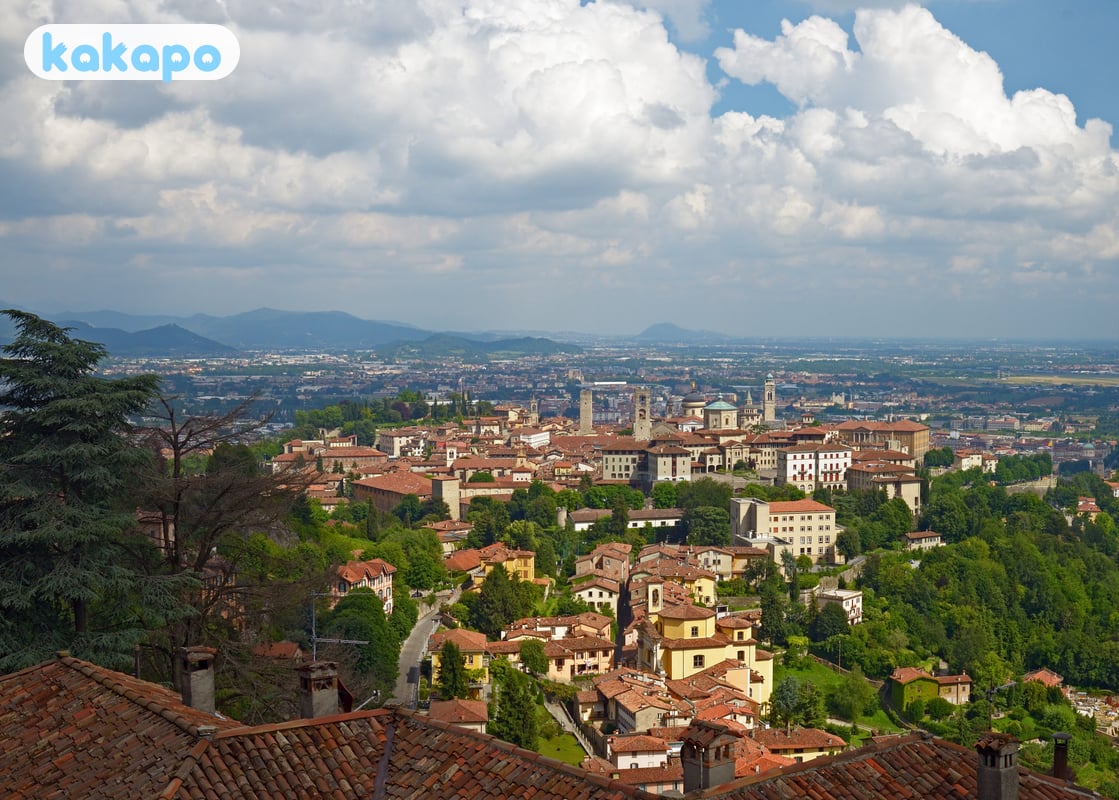
What surprises most visitors is how cleanly Bergamo splits into two cities stacked on top of one another. Città Alta is the medieval hilltop — Venetian walls, terracotta roofs, narrow stone alleys you reach via funicular or a knee-burning climb up Via San Tomaso. Città Bassa is the broad-boulevard 19th-century lower town where Bergamaschi actually live and work — the Sentierone shopping promenade, the Accademia Carrara, the train station and the bus terminals. The two are connected by the 1887 funicolare and by a handful of steep cobbled paths; the city operates as a vertical sandwich rather than a normal walkable centre.
The most common 2026 misread is treating Bergamo as a Milan suburb. It isn't — it's a former Venetian Republic outpost with its own dialect, food (casoncelli, polenta taragna, stracciatella ice cream which was invented here), and a wholly distinct urban character. The Ryanair-driven "Milan Bergamo" airport branding fuses the two cities for marketing but the 50-minute Trenord train is the only thing connecting them. If your itinerary is 24-48 hours, stay in Città Alta; if you have a 5am Ryanair departure, stay in Città Bassa near the station and bus links to BGY.
| Night safety | 69/100 |
|---|---|
| Scam / petty-crime risk | Medium |
| Violent crime (tourists) | Low |
| Most common scams | airport shuttle scam at Bergamo Orio al Serio; non-uniformed taxi offers; pickpockets at Bergamo Centrale |
| Safer neighbourhoods | Città Alta, Città Bassa, Borgo Santa Caterina |
| Data sources cited | 4 |
| Last verified |
What the score means — 88/100
- Personal safety (90) — very high.
- Healthcare (86) — Ospedale Papa Giovanni XXIII is among Italy's better regional hospitals.
- Transport (84) — ATB buses + funicular + train to Milan; small + walkable.
- Air quality (76) — Po-valley winter inversions push particulate up significantly. Sensitive lungs notice on still cold days.
Città Alta — funicular, climb, cobbles
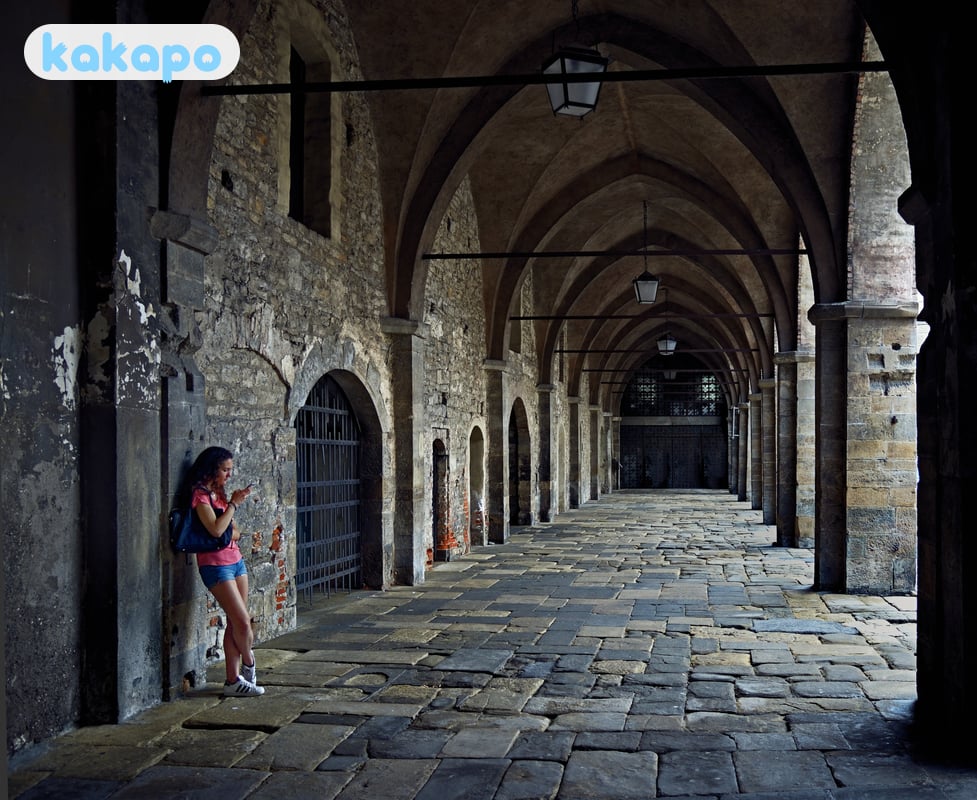
- The funicolare: 1887 funicular from Viale Vittorio Emanuele in Città Bassa to Piazza Mercato delle Scarpe in Città Alta. €1.50 single, runs every ~7 min, 5 min trip.
- Walking up: 25-30 min via Via San Tomaso + the Porta Sant'Agostino. Steep + cobbled. Sturdy shoes.
- Cobbles in Città Alta: irregular medieval stone; slick when wet.
- Wheeled luggage: bangs + breaks. Use the funicular if you're a hotel guest in Città Alta.
- San Vigilio funicular: a separate, second funicular from Città Alta to the upper Castle Hill. €1.50; panoramic.
- Wheelchair access: Città Alta is genuinely difficult; the funicular helps but the cobbles + slopes don't.
BGY airport shuttle — what to know
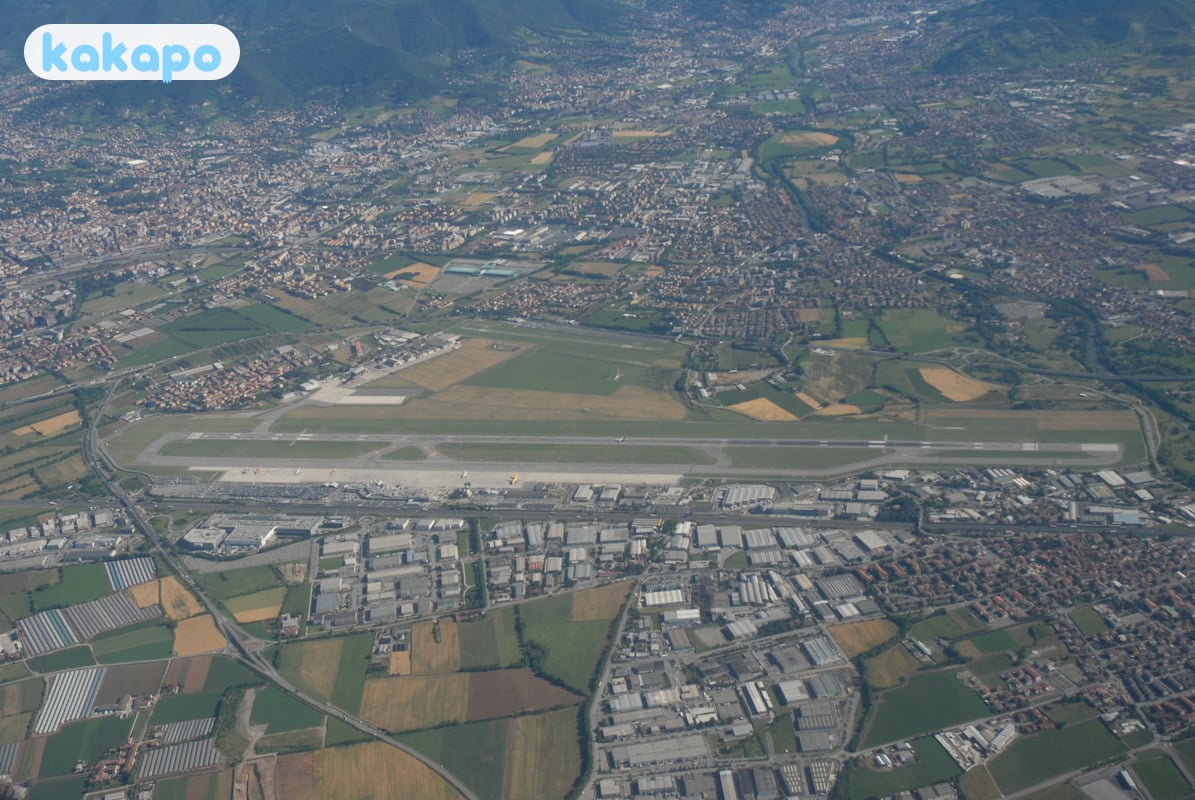
- Bergamo Orio al Serio (BGY): 5 km from city centre. Major Ryanair / EasyJet hub for "Milan Bergamo".
- The legitimate options: ATB Bus 1 to Bergamo train station €2.30, ~15 min. Orioshuttle direct to Milan Centrale €5-€10, ~50 min.
- Shuttle scam: at the airport exit, hawkers offer "shuttle to Milan" at €15-€25. Some are legitimate (Terravision, Flixbus) — others are scammers without buses.
- Don't follow strangers offering "shuttle": walk to the official bus stand outside arrivals.
- Taxis: regulated; ~€20-€30 to Bergamo centre, €100+ to Milan.
- Bus to Milan: ~€5-€10 with multiple operators; the bus stand is right outside arrivals.
- Late-night arrivals: airport-area taxis only after the last shuttle (~1am). Don't accept rides from non-uniformed offers.
Lake Como, Lake Iseo, Milan
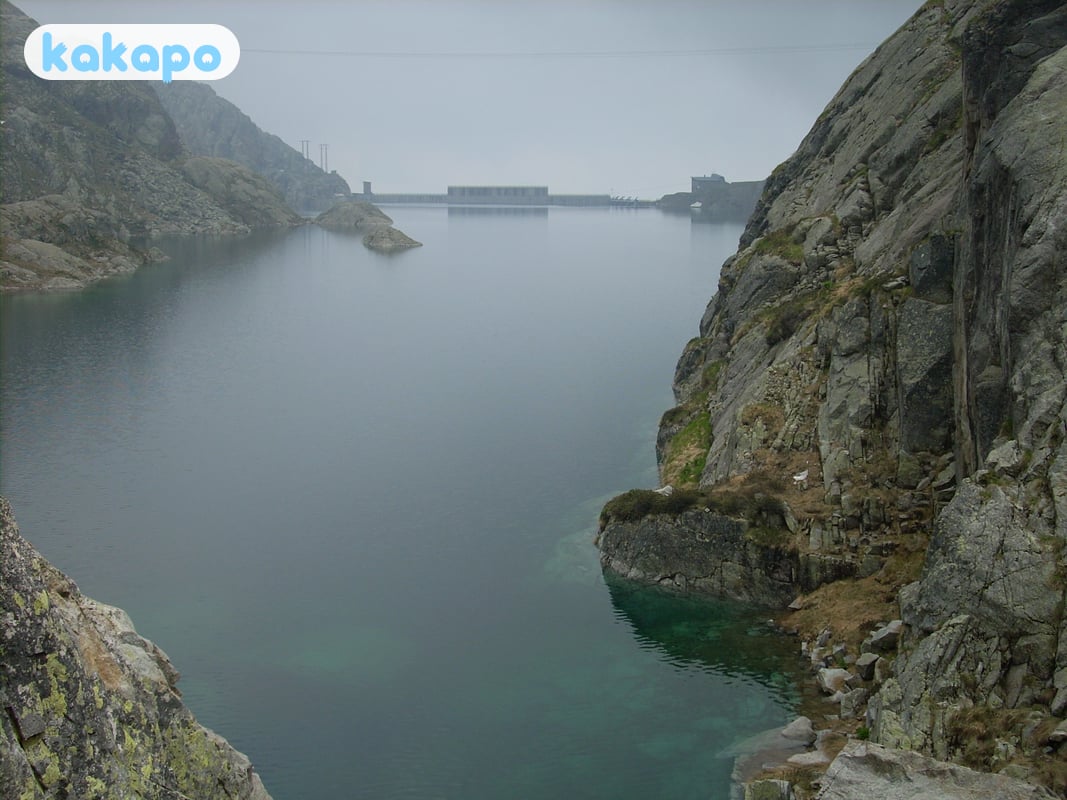
- Milan: 50 min by Trenord regional train, ~€7.
- Lake Como (Como): 1h by car, 1h30m by train via Milan. Bellagio more scenic but harder.
- Lake Iseo: 45 min by car or train. Less touristy than Como; Monte Isola is the highlight.
- Driving in lakes region: narrow lakeside roads; ferries cross most arms; patience.
- Brescia: 30 min by train; Roman + Venetian heritage; underrated.
- Pickpockets at Bergamo Centrale: low.
Winter cold + Po-valley air quality
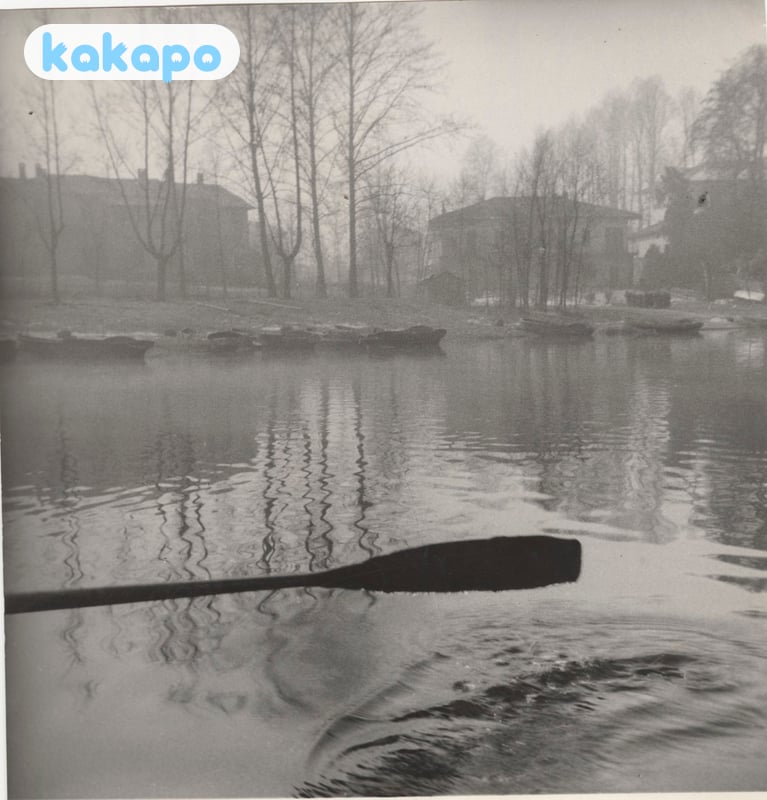
- December-February: -2 to 6°C standard, occasional -8°C cold snaps. Po-valley fog frequent.
- Inversion + smog: Bergamo + Milan + Brescia all suffer Po-valley winter inversions. Particulate (PM2.5/PM10) regularly exceeds EU limits.
- Sensitive lungs: bring an FFP2 mask or check ARPA Lombardia daily.
- Snow: a few days a winter in city; mountain roads to nearby ski resorts (Foppolo, Spiazzi di Gromo) need chains.
- Best months: May, September, October. Donizetti Festival is November.
Città Alta sights + restaurants
- Piazza Vecchia: Le Corbusier called it Italy's most beautiful square. Free to walk.
- Cappella Colleoni: Renaissance jewel; €5.
- Santa Maria Maggiore: free; ornate Baroque interior.
- Palazzo della Ragione + Campanone tower: €5; tower closed certain days.
- Restaurant pricing: Piazza Vecchia restaurants run higher than equivalents on Via Colleoni or down in Borgo Pignolo.
- Casoncelli alla Bergamasca: the local stuffed pasta; try at Trattoria Tre Torri.
- Late-night Città Alta: very safe; quiet by midnight.
Trains, buses, money
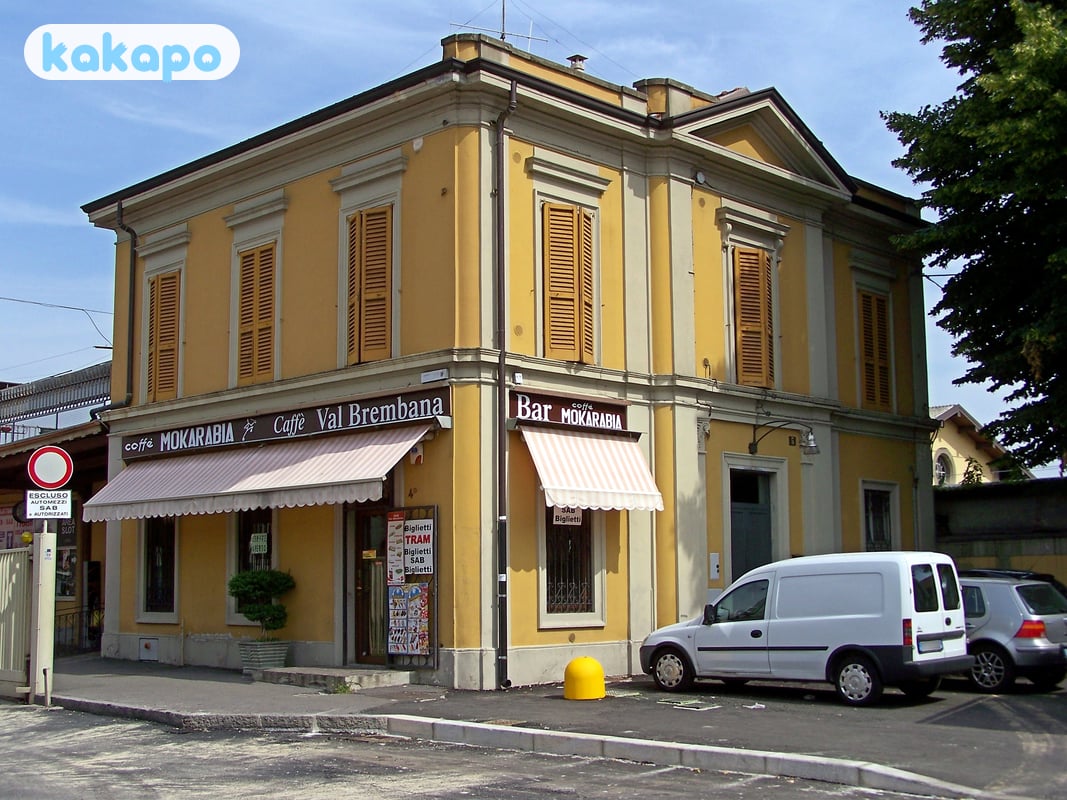
- Bergamo train station: Trenord regional to Milan + Brescia. Trenitalia Frecce only via Milan.
- ATB: city buses + the funiculars. €1.50 single, €4 day.
- Currency: euro. Cards universal.
- Driving: avoid Città Alta (ZTL fines); park at Parking Mura or Faceboom in Città Bassa.
- Day-trip rentals: collect at airport rather than centre.
- Tipping: 5-10%; coperto (€1-€3) standard.
Neighbourhood-by-neighbourhood breakdown
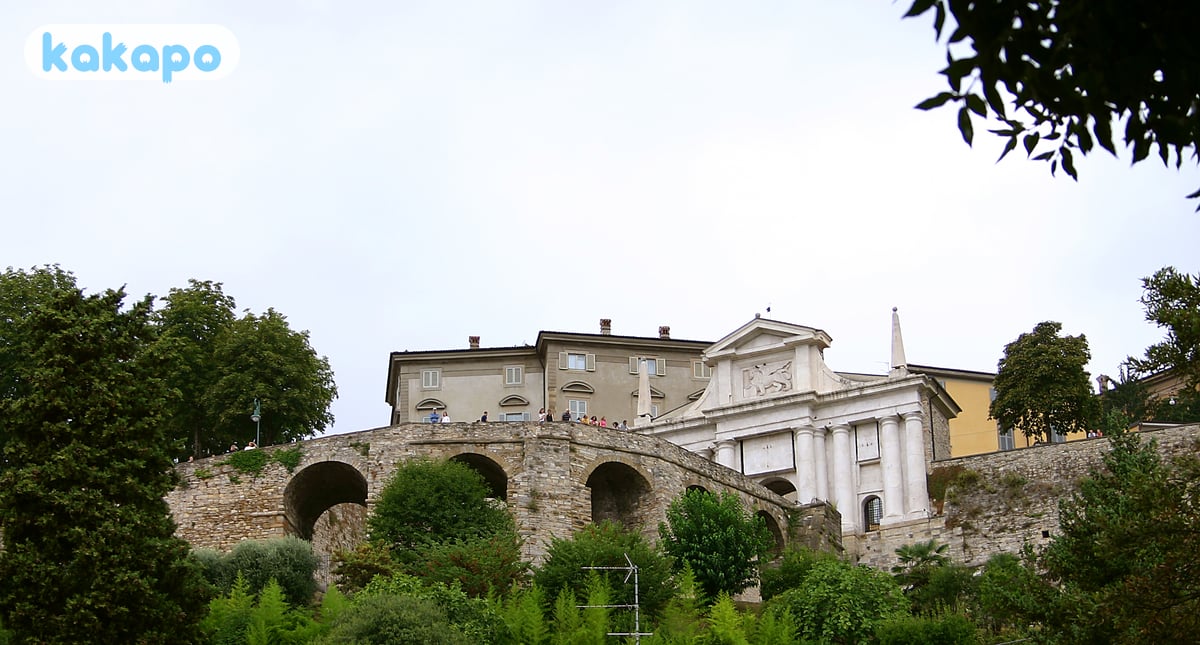
- Città Alta (the Upper Town) — the UNESCO-walled medieval city on top of the hill. Piazza Vecchia is the ceremonial heart with the Palazzo della Ragione, the Campanone tower (€5, closed Mondays) and the Contarini fountain. The Cappella Colleoni and Santa Maria Maggiore sit immediately behind on Piazza del Duomo. You reach it via the funicolare from Viale Vittorio Emanuele to Piazza Mercato delle Scarpe (€1.50, every 7 min, last departure ~00:30) or by walking up Via San Tomaso. Quiet by midnight; very safe.
- San Vigilio + the second funicular — a separate 1912 funicular from Città Alta up to the Castle Hill (€1.50). Panoramic restaurants (Baretto di San Vigilio) and the Visconti castle ruins. The walk down through the orchards is the better photograph than the ride up.
- Città Bassa + Sentierone — the 19th-century lower town. Sentierone is the broad pedestrian boulevard with the Teatro Donizetti, the Accademia Carrara art museum (Lotto, Bellini, Raphael; €12), and the GAMeC contemporary gallery. Borgo Pignolo immediately east is the antiquarian-shop district. Restaurants here are 30-40% cheaper than equivalents on Piazza Vecchia.
- Bergamo Centrale + the train station — Trenord regional services to Milano Centrale (50 min, €7) and Brescia (30 min, €5); Trenitalia Frecce only via Milan. The station area is calm and well-lit; no specific safety concerns. ATB Bus 1 from outside the station goes directly to Orio al Serio airport (€2.30, 15 min).
- Borgo Santa Caterina + Borgo Palazzo — north-east of the centre, increasingly gentrified residential streets with the best non-tourist osterie (Da Mimmo, Roof Garden Restaurant on top of the GombitHotel). Quiet, lived-in, Airbnb-friendly.
- Orio al Serio (BGY) airport — 5km south-east. The major Ryanair and EasyJet hub branded as "Milan Bergamo". ATB Bus 1 to Bergamo train station €2.30 (15 min); Orioshuttle / Terravision / Flixbus direct to Milano Centrale €5-10 (50 min). The bus stand is directly outside arrivals — walk past anyone offering "shuttle to Milan".
- The Milan rail connection — Trenord regional Bergamo ↔ Milano Centrale runs every 30 minutes during the day (50 min, €7). Milano Lambrate and Milano Porta Garibaldi alternatives exist. Bergamo makes a genuinely calmer Milan-area base than Milan itself.
- Stay aware — there are no specific tourist no-go areas in Bergamo. The bus station at Bergamo Centrale has occasional rough-sleeper presence late evening but no aggression; the whole urban envelope is uniformly low-crime.
If it's your first time visiting
- Best arrival: Trenord regional train from Milano Centrale (50 min, €7, every 30 min) is the right answer. From BGY airport, walk past the "shuttle to Milan" hawkers and take ATB Bus 1 to the train station (€2.30, 15 min) or Orioshuttle / Terravision direct to Milano Centrale (€5-10, 50 min, bus stand right outside arrivals).
- Pre-book the funicular smartcard — single ride €1.50, day ticket €4 from any tabaccaio or the funicular ticket machines covers both funicolari plus city buses. The 1887 Città Bassa-Città Alta funicular runs every 7 minutes until ~00:30; the San Vigilio funicular runs less frequently with longer evening gaps.
- Best neighbourhood for your first night: GombitHotel or Hotel Piazza Vecchia inside Città Alta (€180-280/night) if you want to wake up inside the walls and walk to Piazza Vecchia for breakfast; Petronilla or Mercure Bergamo Centro in Città Bassa near the station (€90-150) if you have an early BGY departure or want lower prices.
- Walking shoes with grip — irregular medieval cobbles in Città Alta become genuinely slippery in rain. Trainers with a real sole; not flat-soled boat shoes. Wheeled luggage will be destroyed on the climb up — use the funicular if you're staying in the upper town.
- Food beyond the Piazza Vecchia tourist menus — Casoncelli alla Bergamasca (stuffed pasta with butter, sage and pancetta) at Trattoria Tre Torri or Da Mimmo (€18-22); polenta taragna at Vineria Cozzi on Via Colleoni; stracciatella ice cream (invented in Bergamo in 1961 at La Marianna in Piazza Pontida) at La Marianna directly. Avoid the Piazza Vecchia tourist terraces for anything beyond a coffee.
- Air-quality awareness in winter — December-February Po-valley inversions push PM2.5/PM10 above EU limits on still cold days. ARPA Lombardia (arpalombardia.it) publishes daily AQI; on Code Red days an FFP2 mask is genuinely useful, especially for asthmatics. Bergamo itself sits slightly above the plain so air is incrementally better than Milan but the same regime applies.
- Day-trip planning — Milan (50 min Trenord, €7) is the easy one; Lake Iseo (45 min by car or 1h by train to Sarnico) is the underrated alternative to Como; Brescia (30 min Trenord, €5) for Roman+Venetian heritage at half the tourist density; Lake Como via Milan is doable but 2-3 hours each way and better as a separate overnight.
- Common rookie mistakes — trying to drive into Città Alta (ZTL fines around €100; park at Parcheggio della Fara or Parking Mura instead); treating BGY as "Milan" and booking a 90-minute taxi to a Milan city-centre hotel when the Orioshuttle is €5; missing the last funicular at 00:30 and discovering the alternative is a steep 30-minute cobbled climb; booking opera at Teatro Donizetti without checking that the November Donizetti Festival weeks (the city's biggest event) double hotel prices.
Practical info — emergency numbers
- European emergency: 112.
- Carabinieri: 112.
- Polizia: 113.
- Ospedale Papa Giovanni XXIII: +39 035 267 111.
- ARPA Lombardia (air quality): arpalombardia.it
Bring: trainers with grip for cobbles, FFP2 mask in winter, layered clothing, a contactless card, an unlocked phone, and travel insurance.
Frequently asked questions
Is Bergamo safe to visit in 2026?
Yes — Bergamo scores 88/100 and is one of northern Italy's safer small cities. Italy sits at Level 2 in US State Department guidance (terrorism baseline); UK FCDO is similar. Crime against tourists is low. The realistic concerns are practical: navigating the funicular and the steep cobbled climb to the UNESCO-walled Città Alta upper town (irregular medieval stone, slick when wet, brutal on wheeled luggage), the airport-shuttle scam ecosystem around Orio al Serio (BGY) that catches out Ryanair arrivals, and the Po-valley winter inversion air quality that pushes PM2.5 above EU limits on still cold days from December through February. The city's 2020 COVID death toll was severe and the period left a quiet memorial culture worth knowing about.
Is Bergamo safe at night?
Yes, very. The Città Alta around Piazza Vecchia (Le Corbusier's 'most beautiful square in Italy'), Via Colleoni, the Cappella Colleoni and Santa Maria Maggiore area are routinely walked late and quiet by midnight. The Città Bassa around Sentierone, Borgo Pignolo and the train station area are equally safe. There are no neighbourhoods to avoid in Bergamo. The funicolare from Viale Vittorio Emanuele to Piazza Mercato delle Scarpe runs until ~00:30 (€1.50, every ~7 minutes); after that it's a steep cobbled walk or a taxi up. Free Now and ItTaxi both work; expect €10-15 for a city hop. Carabinieri: 112; Polizia: 113; Ospedale Papa Giovanni XXIII: +39 035 267 111.
What's the deal with the BGY airport shuttle scam?
Bergamo Orio al Serio (BGY) is a major Ryanair and EasyJet hub marketed as 'Milan Bergamo' — 5km from Bergamo, 50km from central Milan. At the airport exit, hawkers offer 'shuttle to Milan' at €15-25; some are legitimate (Terravision, Orioshuttle, Flixbus) and some are scammers without buses or with overpriced services. The fix is to walk past anyone who approaches you and go directly to the official bus stand outside arrivals — ATB Bus 1 to Bergamo train station is €2.30 (~15 minutes), Orioshuttle and Terravision direct to Milan Centrale are €5-10 (~50 minutes), schedules posted on the bus stand. Taxis are regulated, ~€20-30 to Bergamo centre and €100+ to Milan. Late-night arrivals after the last shuttle (~01:00) leave only airport-area taxis — don't accept rides from non-uniformed offers.
Can you drink tap water in Bergamo?
Yes — Bergamo tap water is safe and excellent, sourced from Alpine springs and meeting EU standards. Carry a refillable bottle; public fountains around Piazza Vecchia and the Sentierone are drinkable. Restaurants will bring a carafe ('acqua del rubinetto') if you ask, though bottled (frizzante or naturale) is the cultural default. The bigger health issue in winter is Po-valley inversion air quality — Bergamo, Milan and Brescia all suffer December-February still-cold-day smog with PM2.5/PM10 regularly exceeding EU limits. Sensitive lungs should bring an FFP2 mask and check ARPA Lombardia daily AQI. The Casoncelli alla Bergamasca (local stuffed pasta with brown butter and pancetta) at Trattoria Tre Torri is the local food bet.
How do I actually navigate Città Alta and is the climb worth it?
Yes, completely worth it — but use the funicular. The 1887 funicolare from Viale Vittorio Emanuele in Città Bassa to Piazza Mercato delle Scarpe in Città Alta is €1.50 single, runs every ~7 minutes, takes 5 minutes. Walking up via Via San Tomaso and Porta Sant'Agostino is 25-30 minutes on steep cobbled streets — sturdy shoes essential and don't try with wheeled luggage (the stones will destroy the wheels). Inside Città Alta the cobbles are irregular medieval stone, slick when wet, and there's a second separate funicular from Città Alta up to San Vigilio Castle Hill (also €1.50) for the panoramic view. Wheelchair access is genuinely difficult. Piazza Vecchia restaurants charge a premium — walk down Via Colleoni or to Borgo Pignolo in Città Bassa for the same casoncelli at half the price.
Sources
Run a business in Bergamo?
Show visitors your Bergamo business is a safe choice. The free Verified by Kakapo badge puts Bergamo's live safety score on your website, links back to your verified page, and updates itself. No cost.
Get the free badge →