


Is Cagliari, Sardinia Safe? A 2026 Travel Safety Guide
Cagliari is comfortably safe by crime measure. The honest concerns: the ferry from mainland, summer 40°C heat, beach rip currents, and Gennargentu day trips.

Cagliari is one of Italy's safer cities by ordinary-crime measures. Crime against tourists is low and the centre is calm. The realistic concerns are environmental: the ferry from Civitavecchia / Naples / Genoa runs through 8-12 hours of Tyrrhenian sea state and gets cancelled in winter swell; Sardinian summer heat regularly tops 40°C and the African scirocco wind pushes humidity uncomfortable; Poetto + the southern beaches have rip currents stronger than people expect; and the Gennargentu mountains 100 km north are some of Italy's most remote terrain.
Italy sits at Level 2 on the US State Department advisory (terrorism, baseline). UK FCDO is similar. The honest framing for visitors: Sardinia has its own rural-banditry stereotype that is essentially historical now (the kidnapping era ended in the 1990s; tourist incidents zero). Cagliari itself is a calm Mediterranean port capital with strong food, a UNESCO-style fortified Castello quarter, and 8 km of public beach.
Cagliari is mid-sized (~150,000 in city, 430,000 metro). The Castello quarter, Bastione di Saint Remy, the Cathedral, the Roman amphitheatre, Poetto beach, the Saline pink-flamingo lagoon, and Nuragic-civilisation day trips (Su Nuraxi at Barumini) are the anchor experiences.
| Solo female safety | 88/100 |
|---|---|
| Night safety | 69/100 |
| Scam / petty-crime risk | Low |
| Violent crime (tourists) | Low |
| Most common scams | ferry cancellations due to winter Tyrrhenian swell; rip currents at Poetto and southern beaches; wildfire risk in Gennargentu mountains |
| Safer neighbourhoods | Castello quarter, Bastione di Saint Remy, Marina |
| Data sources cited | 4 |
| Last verified |
What the score means — 85/100
- Personal safety (88) — high. Sardinia consistently records lower crime than mainland Italy.
- Air quality (88) — Mediterranean, generally high.
- Healthcare (82) — AOU Cagliari (Brotzu) is the regional reference; complex care occasionally referred to mainland.
- Transport (80) — CTM buses, walkable centre; the rest of Sardinia needs a car.
Ferry from the mainland — sea state
- Routes: Tirrenia, GNV, Moby, Grimaldi from Civitavecchia (8-14h), Naples (14h), Genoa (20h), Livorno (12h).
- Cost: passenger from €30-€80; cabin €60-€200; with a car €150-€400 depending on season.
- Winter cancellations: Nov-March Tyrrhenian storms cancel sailings. Check the morning of departure.
- Summer high season: book 1-2 months ahead in July-August; ferries fill.
- Sea-sickness: meaningful in 2 m+ swell. Stugeron / wristbands beforehand if prone. Outside-cabin air helps.
- Alternative: fly into Cagliari (CAG) instead — much cheaper than people expect (€40-€100 from Rome/Milan).
- Driving onto the ferry: bring vehicle docs + insurance certificate.
Summer heat + the scirocco
- July-August: 33-38°C standard, regularly 40-43°C in heatwaves.
- The scirocco: hot dry African wind pushes Saharan dust + humidity. Several days a year reach 45°C+.
- Mid-day rule: 1-5pm get inside or in shade. Most non-tourist shops close.
- Wildfire risk: 2021 Oristano fires were catastrophic. Inland summer driving — confirm Protezione Civile alerts.
- Hydration: tap water is safe in Cagliari. Public fountains in Castello.
- Best months: April-mid-June, September-October. May has wildflower bloom + warm sea.
Poetto + Chia + the southern beaches — rip currents
- Poetto: 8 km city beach. Bus PF/PQ from centre. Lifeguards in summer.
- Calmona Tyrrhenian conditions: usually gentle.
- Wind days: when mistral or scirocco kicks in, Poetto and especially Chia/Pula generate genuine rip currents. Yellow/red flags posted.
- If caught in a rip: don't fight it; swim parallel to shore, then back in.
- Chia (Domus de Maria): 50 km southwest. Open Atlantic-facing; surf occasionally.
- Costa Verde + Piscinas: 100 km west; wilder, no lifeguards. Strong swimmers + groups only.
- Sea urchins: rocky areas. Aqua shoes useful.
- Jellyfish: Pelagia summers. Vinegar at lifeguard stations.
Castello quarter + Bastione
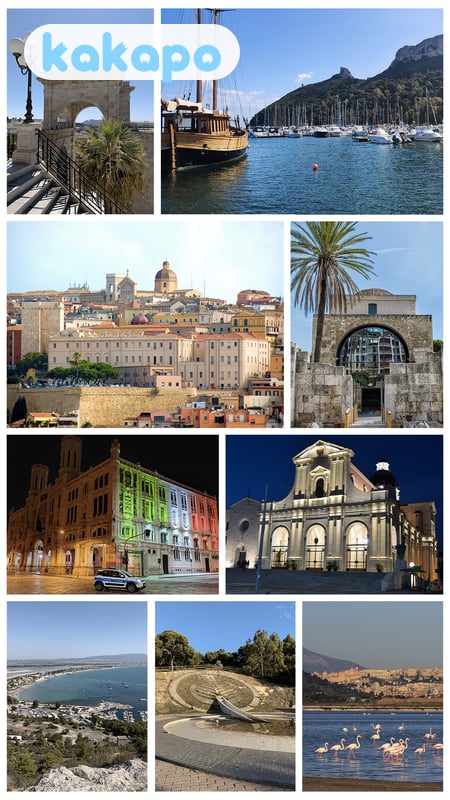
- Castello: the medieval walled-quarter. Cathedral, the two Pisan towers (San Pancrazio + Elephant), Bastione di Saint Remy.
- The climb up: cobbled steep streets. Or take the free Sardinian-style escalators / lifts from Via Roma.
- Bastione di Saint Remy: panoramic terrace; free. Best at sunset.
- Cobbles: cobble stones in Castello are slick when wet; sturdy shoes.
- Pickpockets: very low. Cagliari is calmer than mainland Italian cities.
- Late-night Castello: completely safe. Atmospheric.
Gennargentu + Supramonte day trips
- Su Nuraxi at Barumini: UNESCO Nuragic site, 60 km north. €15. The bronze-age stone tower is unique. Bus from Cagliari ~1h30m.
- Gennargentu mountains: 100-150 km north. Punta La Marmora 1,834 m. Real wilderness for Italy.
- Supramonte: limestone karst. Gola di Gorropu (Europe's deepest canyon, 500 m walls), Cala Luna, Cala Gonone.
- Don't off-trail: the mountain villages have local-rural-feeling roads with limited mobile signal. Go with a guide for serious walks.
- Driving: rural roads narrow; sheep on roads in spring. Nuoro province takes longer than the map suggests.
- Bandit-stereotype reality: the kidnapping era ended 1990s. Today, rural Sardinia is statistically among Italy's safest. Forget the stereotype.
- Best season for hiking: April-May, September-October. Summer is too hot; winter passes can close.
Buses, the airport, money

- Cagliari Airport (CAG): 7 km northwest. Train Trenitalia from airport to Cagliari Centrale €1.30, ~5-7 min, very frequent. Bus alternative same fare.
- CTM buses: €1.30 single, €3.30 day. Card-readable.
- Trains in Sardinia: ARST regional. The "Trenino Verde" tourist train through Gennargentu is summer-only + scenic.
- Driving: rental from airport ~€30-€60/day; manual gearbox + small car best for narrow roads.
- Currency: euro. Cards widely accepted; cash for small market stalls + rural villages.
- Coperto: €1-€2 standard.
Practical info — emergency numbers
- European emergency: 112.
- Carabinieri: 112.
- Coast Guard (sea rescue): 1530.
- Mountain rescue (CNSAS Sardegna): 112.
- AOU Cagliari (Brotzu): +39 070 539 1.
- Protezione Civile (wildfire alerts): protezionecivile.gov.it
Bring: trainers with grip, sun hat + SPF 50, refillable water bottle, swimwear, aqua shoes for rocky beaches, FFP2 if visiting in heavy-scirocco-dust days, a contactless card, and travel insurance.
Frequently asked questions
Is Cagliari safe to visit in 2026?
Yes. Cagliari scores 86/100 and Sardinia consistently records lower crime than mainland Italy. Italy sits at US State Department Level 2 (baseline terrorism caveat); UK FCDO is similar. Crime against tourists is low and the centre is calm. The realistic concerns are environmental: ferry sailings from Civitavecchia, Naples or Genoa get cancelled in winter Tyrrhenian swell; Sardinian summer heat regularly tops 40°C with the African scirocco wind pushing humidity uncomfortable; Poetto and the southern beaches have rip currents stronger than people expect; and the Gennargentu mountains 100 km north are some of Italy's most remote terrain.
Is Cagliari safe at night?
Yes, very. The Castello quarter and Bastione di Saint Remy are completely safe at night and atmospheric under lights. Via Roma waterfront, the Marina and Stampace areas stay lively until past midnight with families dining late, and pickpocketing is markedly lower than in mainland Italian cities. Solo women routinely walk home from restaurants. The rural-banditry stereotype that affects outside-Italy perceptions of Sardinia ended in the 1990s and has essentially zero relevance to tourist Cagliari today.
Is Cagliari safe for solo female travellers?
Yes, comfortably. Cagliari is calmer than mainland Italian port cities and one of the easier Italian capitals for solo women. Catcalling is mild by southern-Italian standards. The compact centre between Via Roma and the Castello is walkable in 20 minutes, and the Poetto beach bus runs frequently in summer. Solo women routinely hike the Bastione panoramas at sunset, take CTM buses, and dine alone in the Marina district. Standard precautions handle the only realistic risk: cross-body bag in front during summer market crush.
Can you drink tap water in Cagliari?
Yes. Cagliari tap water is safe and tested to EU standards. Locals drink it routinely. The Castello quarter has historic public fountains that flow drinkable water. Restaurants serve tap (acqua del rubinetto) on request, though Sardinian custom defaults to bottled — ask explicitly. Carry a refillable bottle: summer heat regularly tops 38°C, scirocco days reach 45°C, and 2-3 litres per person per day is realistic for active sightseeing.
What's the biggest scam to avoid in Cagliari?
Honestly, scams are rare in Cagliari — Sardinia is one of Italy's lowest-crime regions for tourism. The realistic risks are commercial rather than criminal: ferry-with-car bookings on third-party sites that mark up Tirrenia/GNV/Moby direct fares 20-30%; restaurants directly on Via Roma charging meaningfully above equivalents in the Marina backstreets; DCC at card terminals (pay in EUR); and 'private guide' tours of Su Nuraxi/Barumini that duplicate the official €15 site entry. Book ferries directly from operator websites and use the public CTM bus or rental car for the Nuragic sites.
How dangerous are the Sardinian beaches and the scirocco really?
The beaches are mostly gentle but the scirocco changes the picture. Poetto in normal Tyrrhenian conditions is calm and lifeguarded in summer. When mistral or scirocco kicks in, Poetto and especially Chia/Pula generate genuine rip currents — take yellow and red flags seriously. If caught in a rip, don't fight it; swim parallel to shore until clear, then back in. The scirocco itself (hot dry African wind) pushes Saharan dust and humidity, with several days each year reaching 45°C+ — heatstroke risk is real, and wildfire alerts via Protezione Civile become important if you're driving inland in summer. The wilder west-coast beaches (Costa Verde, Piscinas) have no lifeguards and are for strong swimmers in groups only.
Sources
Run a business in Cagliari?
Show visitors your Cagliari business is a safe choice. The free Verified by Kakapo badge puts Cagliari's live safety score on your website, links back to your verified page, and updates itself. No cost.
Get the free badge →