


Is Cairns, Australia Safe? A 2026 Travel Safety Guide
Box jellyfish, saltwater crocodiles, cassowaries, cyclones, the Reef boat operators, and the realistic risks of tropical Far North Queensland.

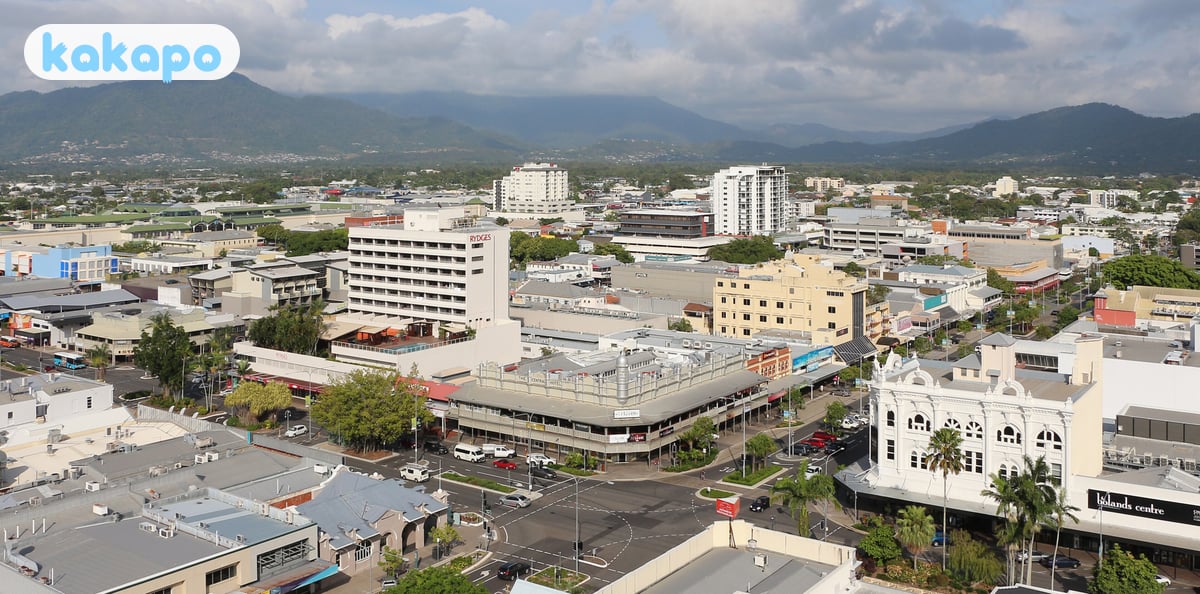
Cairns town itself is small (population 150,000), calm and exceptionally safe in the conventional sense — petty crime is low, violent crime against tourists is rare. The risks people actually need to think about are environmental.
This is genuinely the most wildlife-hazardous environment of any major Australian destination. Box jellyfish (chironex fleckeri) and irukandji can be lethal and have killed swimmers at unstinger-netted beaches. Saltwater crocodiles ("salties") are present in every tropical waterway from the Daintree south. Cassowaries — large flightless rainforest birds — can disembowel a human if cornered. Add tropical cyclones (Jasper made landfall just north of Cairns in December 2023, devastating Wujal Wujal and isolating communities for weeks), the world's strongest UV, and the safety reputation of dive-trip operators on the Reef, and you have the realistic picture.
The US State Department lists Australia at Level 1; UK FCDO has no advisories. Both note the tropical wildlife and cyclone context.
| Night safety | 83/100 |
|---|---|
| Scam / petty-crime risk | Low |
| Violent crime (tourists) | Low |
| Data sources cited | 4 |
| Last verified |
What the score means — 88/100
- Personal safety (88) — high. Cairns town is calm; the tourist score is dragged down by environmental hazards rather than crime.
- Transport (78) — Cairns Airport is 8 km north; no urban rail; Translink buses adequate, taxis available.
- Healthcare (82) — Cairns Hospital is a regional referral centre with hyperbaric chamber for diving incidents. Serious cases medevac to Brisbane.
- Air quality (88) — generally excellent; tropical wet-season storms wash air clean.
Box jellyfish, irukandji — the stinger season
This is the single most important Cairns safety point. Two species of box jellyfish in tropical Queensland waters can produce fatal stings. Both are most numerous Nov-May (Australian summer) but have caused stings in every month of the year.
- Chironex fleckeri (the major box jellyfish) — large, near-invisible. Sting is excruciating; severe stings have killed within minutes. ~70+ Australian deaths recorded historically.
- Carukia barnesi (irukandji) — thumbnail-sized, transparent. Sting initially mild then produces "irukandji syndrome" 20-40 min later: catastrophic blood pressure rise, vomiting, "feeling of impending doom". Has killed in Far North Queensland.
- Stinger nets: the patrolled enclosures at Palm Cove, Trinity Beach, Yorkeys Knob, and Ellis Beach are netted Nov-May. Netting blocks chironex but is too coarse to fully exclude irukandji.
- The rule: don't swim at any unpatrolled tropical beach Nov-May without a stinger suit. The risk applies in shallow water — children paddling at the shoreline have been stung.
- If stung: pour vinegar (kept at every patrolled beach) over the sting for 30 seconds. Don't rinse with fresh water — it triggers more nematocysts. Call 000 immediately.
- Cairns Esplanade Lagoon: chlorinated pool on the waterfront. Free, safe, busy. Use this rather than the muddy esplanade itself (which isn't a beach anyway).
Saltwater crocodiles — the 'be croc-wise' rules
Saltwater crocodiles inhabit every tropical waterway from the Daintree south past Townsville — including saltwater estuaries, freshwater rivers (despite the name), beaches near river mouths, and wetlands. Adult salties can reach 6m and 1,000 kg.
- Recent incidents: a 12-year-old girl was taken from a creek near Bamaga in mid-2024; a man fishing near Cooktown in 2023; a tourist in 2022 at the Daintree.
- The Queensland "Be Croc-Wise" rules: don't swim in any tropical waterway unless explicitly signed safe. Stand back at least 5 m from the water's edge when fishing or filling water bottles. Don't camp within 50 m of the water. Don't dispose of fish scraps near the water. Don't return to the same spot repeatedly — crocs learn human patterns.
- Daintree River cruises: safe (you're on the boat). Solo "wading to look at mangroves" is not.
- Reef beaches off Cairns: salties have been spotted at city beaches. Trinity Beach had a closure in 2023.
- Northern beaches sign: "Achtung Krokodil!" is not theatrical. Read the signage.
Cassowaries and other rainforest wildlife
- Southern cassowary: large flightless bird (1.5-2m, 50-80kg) of the Wet Tropics rainforest. Can run 50 km/h, kick with 12 cm dagger-claws, and has killed humans who approached or trapped it.
- Where: Mission Beach, Etty Bay, Daintree, Cape Tribulation. Often seen crossing roads. There are signed "Cassowary Crossing" zones — slow down, don't stop in front.
- Rules: never feed cassowaries. Stay 5+ m back. Don't run; back away slowly. If charged, place a tree between you and the bird.
- Snakes: Queensland has eastern brown snakes, taipans, death adders. Wear closed shoes on bushwalks; don't put hands into rock crevices or hollow logs.
- Spiders: redback bites are uncomfortable but rarely lethal with antivenom. Funnel-web spiders are NSW, not Queensland.
- Sea wasps and stonefish: stonefish are venomous bottom-dwellers — wear reef shoes when wading rocks.
- Sharks: bull sharks present at river mouths; reef sharks generally non-aggressive on Reef trips.
Cyclones and the wet season
- Cyclone season: Nov-Apr. Severity scale 1-5 (Category 5 catastrophic). Cairns has been hit hard several times: Larry (2006, devastated Innisfail south of Cairns), Yasi (2011, missed Cairns but flattened Tully), Jasper (2023, landfall just north — produced record rainfall and flooding).
- Jasper's aftermath: Cape Tribulation and Daintree communities cut off for weeks; Wujal Wujal evacuated; Cairns CBD escaped major damage but inland flooding was severe.
- Wet season generally (Dec-Mar): heavy daily rain, humid, hot. Many Reef trips and rainforest tours run weather-dependent — confirm before paying.
- If a cyclone is forecast: cell broadcasts and Bureau of Meteorology warnings. Cairns Airport closes when winds exceed limits. Don't try to drive out — roads close to flooding.
- Best dry-season window: May-October. Lower humidity, no stinger season for the bulk of it (though irukandji can appear), better visibility on the Reef.
Great Barrier Reef trips — operator choice and dive safety
- Choose AMSA-accredited operators: the Australian Maritime Safety Authority licenses commercial Reef vessels. Reputable operators (Quicksilver, Sunlover, Reef Magic, Tusa Dive) have strong safety records.
- Mooring fees + Reef tax: standard operator includes the Environmental Management Charge (~A$8). If suspiciously cheap, something's been cut.
- Diving: operators must follow Recreational Diving Safety Code. PADI/SSI certifications required for non-introductory dives.
- Decompression sickness: don't fly within 24 hours of a dive. Cairns Hospital has a hyperbaric chamber.
- Documented incidents: the 1998 disappearance of Lonergans (left at sea) led to industry-wide head-count reform — operators now do 3 separate counts. Modern incident rate is low.
- Snorkellers: deaths are usually from undiagnosed cardiac conditions in older swimmers. Don't snorkel solo.
- Reef bleaching context: 2024 mass bleaching was the worst on record. Northern reefs (Lizard Island area) more affected than the closer Cairns reefs.
UV, heat, and the Reef sun
- UV index: regularly 14-15 in summer (off the official scale). Sunburn in 8-10 minutes for fair skin.
- Reef boat decks: a major source of severe burns. Reapply SPF50+ every 90 min; wear a long-sleeve rash vest; hat with chin-strap.
- Reef-safe sunscreen: oxybenzone and octinoxate are banned in some marine parks. Choose mineral (zinc) sunscreen.
- Heat exhaustion: tourists hiking the Atherton Tablelands or Daintree without sufficient water are the typical case.
- Tropical thunderstorms: can produce lightning strikes — get off the water if a storm builds.
Money, transport, emergency numbers
- Currency: Australian dollar (AUD). $1 USD ≈ A$1.55.
- Cards: contactless universal.
- Cairns Airport (CNS): 8 km north. Sun Palm shuttle $20, taxi A$25-30, Uber $20-25.
- Driving up to Daintree / Cape Tribulation: Cape Tribulation road is sealed but narrow; Daintree River ferry is the only crossing; the Bloomfield Track north of Cape Trib is 4WD-only.
- Atherton Tablelands: highway driving; watch for cassowary crossings and cattle on roads.
- Emergency: 000 (police, fire, ambulance). Marine rescue 13 12 33.
- Hospital: Cairns Hospital (07 4226 0000) — regional referral centre with the hyperbaric chamber.
- Travel insurance: essential. Reef diving, motorbike-on-Cape-Trib, and helicopter tours often need extra cover declared.
Frequently asked questions
Is Cairns safe to visit in 2026?
Yes for crime — Cairns town is small, calm, and exceptionally safe in the conventional sense. The US State Department lists Australia at Level 1 and the UK FCDO has no advisories. The realistic risks are environmental and biological: box jellyfish and irukandji can be lethal at unstinger-netted beaches November-May; saltwater crocodiles inhabit every tropical waterway from the Daintree south; cassowaries can disembowel a cornered human; tropical cyclones are a November-April reality (Jasper devastated the region in December 2023); UV is the world's strongest; and the Great Barrier Reef itself demands a competent operator. The risks are manageable with information — Cairns Hospital even has a hyperbaric chamber for diving incidents.
Is Cairns safe at night?
Yes — the Esplanade, Lagoon area and central restaurant strip are calm and well-lit after dark. The Esplanade Lagoon (chlorinated, free, busy) is the safest evening swim in town. The standard late-night Australian nightlife cluster sits along the central bar strip on weekends; police presence is visible and incidents are rare by tropical-resort standards. The bigger night-time risks are environmental: don't walk onto unpatrolled mangrove or beach areas after dark (saltwater crocodiles are most active at dawn, dusk and night) and don't swim in the open ocean off the Esplanade — it's not a beach, it's a tidal mudflat with stinger and croc risk.
Is Cairns safe for solo female travellers?
Yes — Cairns is a very safe town for solo female travel by global standards. The dive-and-Reef tourism culture means hostels, group tours and day-boats are easy to join, and you'll rarely end up alone unless you choose to. Standard precautions apply at the central bars on weekends. The genuine risks (jellyfish, crocodiles, cyclones, sun) are non-gendered. On the Atherton Tablelands or Daintree day-trip drives, watch for cassowary crossings and don't drive at dawn or dusk because of kangaroos and cattle on the roads.
Can you drink tap water in Cairns?
Yes — Cairns tap water is treated by Cairns Regional Council to Australian Drinking Water Guidelines and is safe across the city, northern beaches and Port Douglas. Restaurants offer it free with meals. On remote Cape Tribulation and Daintree accommodation, supply is often rainwater tanks — usually safe but boil or filter if you're unsure of the system. After Cyclone Jasper in late 2023 some inland communities had boil-water notices for weeks; check current advisories if heading inland.
What's the biggest scam to avoid in Cairns?
Cairns has very little fraud, but Great Barrier Reef tour quality varies enormously and headline prices can mask cut corners. Choose AMSA-accredited operators that include the Environmental Management Charge (about A$8): Quicksilver, Sunlover, Reef Magic and Tusa Dive all have strong safety records. Suspiciously cheap day boats often skimp on crew-to-passenger ratios, head-counts (the 1998 Lonergan tragedy reformed the industry), or the actual reef sites visited. The other trap is unmarked airport-area touts — use the Sun Palm shuttle, a licensed taxi or Uber from the rank.
What do I do if I'm stung by a box jellyfish?
Get out of the water, pour vinegar over the sting for at least 30 seconds (every patrolled North Queensland beach keeps bottles on hand), do not rinse with fresh water — it triggers more nematocysts to fire — and call 000 immediately. For severe chironex stings, antivenom exists and Cairns Hospital stocks it. For irukandji stings, the giveaway is the delay: the initial sting is mild, then 20-40 minutes later catastrophic blood pressure, vomiting and a "feeling of impending doom" set in. Treat any tropical sting with a delayed severe reaction as an emergency. Prevention is much better: don't swim at any unpatrolled tropical beach November-May without a full-coverage stinger suit, and use the Esplanade Lagoon for casual swimming.
Sources
Run a business in Cairns?
Show visitors your Cairns business is a safe choice. The free Verified by Kakapo badge puts Cairns's live safety score on your website, links back to your verified page, and updates itself. No cost.
Get the free badge →