


Is Seychelles Safe? A 2026 Travel Safety Guide
The cyclone-free reputation, the very-expensive-everything reality, dive operator quality at Mahé/Praslin/La Digue, the inter-island ferries, and the realities of one of the Indian Ocean's safest destinations.

Seychelles — population ~100,000, an Indian Ocean archipelago of 115 islands ~1,500 km off East Africa's coast — is one of the world's safest tropical-island destinations. The three main inhabited islands (Mahé, Praslin, La Digue) host nearly all tourism. Crime against tourists is rare; English support is universal (English is one of three official languages — with French and Seychellois Creole). The country is one of the wealthiest in Africa per capita and the cost reflects it.
The honest concerns are mostly about cost, swimming, and the inter-island logistics. Seychelles sits north of the southwest Indian Ocean cyclone belt — direct cyclone hits are essentially unknown (the last meaningful direct strike was Felleng 2013, which was already weakening). Storms and heavy rain happen but the cyclone-free reputation is mostly accurate. The cost of a Seychelles holiday is genuinely eye-watering — even mid-range stays start at $300-500/night; meals at $40-80 per person; the islands are the most expensive Indian Ocean destination after Bora Bora. Beach swimming at the famous granite-boulder beaches has rip currents at certain monsoon times. Dive operator quality is generally high but ranges; the Cat Cocos / Cat Rose ferries between Mahé and Praslin are the standard inter-island transport.
The US State Department lists Seychelles at Level 1; UK FCDO has no advisories. Both note the standard tropical-disease and water-safety context.
| Night safety | 89/100 |
|---|---|
| Scam / petty-crime risk | Medium |
| Violent crime (tourists) | Low |
| Safer neighbourhoods | Victoria, Beau Vallon, Anse Royale |
| Data sources cited | 4 |
| Last verified |
What the score means — 91/100
- Personal safety (92) — exceptional. Seychelles is genuinely calm; petty theft from beach piles is the main reported issue.
- Transport (84) — Seychelles International Airport (SEZ) on Mahé; Cat Cocos / Cat Rose inter-island ferries; small inter-island flights (Air Seychelles, IDC Aviation); rental cars on Mahé and Praslin; bicycles on La Digue.
- Healthcare (80) — Seychelles Hospital (Victoria, Mahé) is the country's main hospital; serious cases medevac to South Africa or Réunion.
- Air quality (96) — among the world's cleanest; remote tropical-island location.
The cyclone-free reputation — mostly true
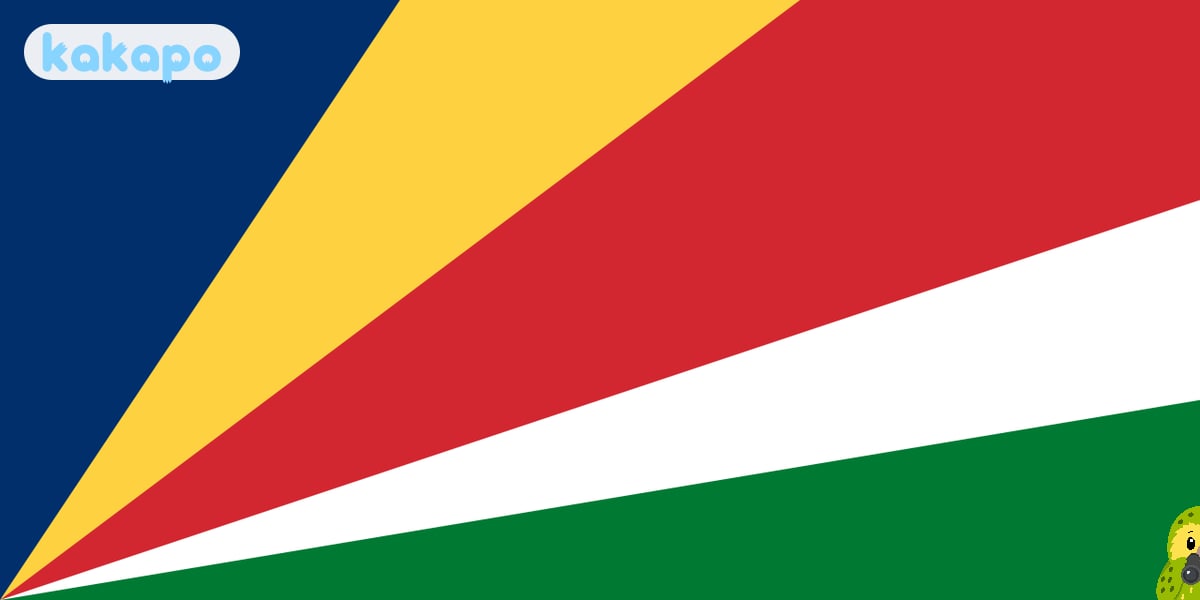
- Why: Seychelles sits at 4-10°S latitude — north of the southwest Indian Ocean cyclone belt. Tropical cyclones forming in the southern Indian Ocean almost always track south or southwest, missing Seychelles.
- Recent meaningful weather: Cyclone Felleng (2013) passed close (already weakening); Cyclone Bondo (2006) caused heavy rain on outer islands; nothing major in 10+ years.
- What does happen: occasional severe rain events (the southwest monsoon — May-September — brings strong winds and heavy rain); occasional tornadoes (rare but documented Mahé 2002, 2018).
- Northeast monsoon (Nov-March): warmer, calmer seas; the peak European/American tourist season.
- Southwest monsoon (May-September): cooler, windier (good for kitesurfing on the trade winds); slightly rougher seas.
- Best windows: April-May and October-November (between monsoons; calmest seas, best diving visibility).
- Climate change context: warming Indian Ocean has slowly extended cyclone-formation areas; future risk profile may shift.
- Don't worry about cyclones for a Seychelles trip in the way you would for Mauritius or Madagascar.
The very-expensive-everything reality
- Accommodation: budget guesthouses on Mahé and La Digue $80-150/night (basic but decent); mid-range $200-400; luxury resorts (North Island, Six Senses Zil Pasyon, Four Seasons Mahé, Constance Lemuria) $1,500-15,000/night.
- Food: restaurant meals SCR 600-1,800/person ($45-130). Cheap takeaway (Pizza Domino, Roti Hot, takeaway Creole) SCR 100-300. Resort food adds 30-50% premium.
- Inter-island ferry: Mahé-Praslin Cat Cocos SCR 900-1,800 ($65-130) one way; Praslin-La Digue SCR 200 short hop. Add up across an itinerary.
- Domestic flights: Mahé-Praslin Air Seychelles 15 min, $90-180; useful when ferries cancelled.
- Car rental: $40-80/day; petrol expensive (imported).
- Realistic budget for two: budget Seychelles week (guesthouses, mostly self-catering, ferry hops) ~$2,500-3,500 + flights. Mid-range ~$5,000-8,000. Luxury ~$15,000+.
- Don't expect bargaining: not a bargaining culture.
- Hidden costs: marine park fees ($30-50/person/day at Sainte Anne, Curieuse, Cousin); some beaches charge access (La Digue's Anse Source d'Argent SCR 150).
- Cards widely accepted; ATMs at airports and Victoria, fewer on Praslin and La Digue.
Diving — operator quality
- The Seychelles dive scene: world-class granite-boulder reefs, pristine coral, large pelagics (whale sharks Sept-Nov, manta rays, eagle rays).
- Reputable operators: Big Blue Divers (Mahé, multiple branches), Octopus Diver (Praslin), Trek Divers (La Digue). PADI 5-star.
- Skill level: most sites suitable for open water; some advanced (Brissare Rocks, Shark Bank) with currents.
- Decompression sickness: nearest hyperbaric chamber is in Victoria (Mahé). Don't fly within 24 hours of last dive (48 hours for repetitive multi-day diving).
- Whale shark season: September-November (when monsoon transition brings nutrient blooms); reputable operators follow distance protocols.
- Coral health: Seychelles reefs were damaged by 1998 and 2016 bleaching events; recovery uneven; some sites have mostly hard-coral skeletons.
- Reef-safe sunscreen: oxybenzone-free required at most marine reserves.
- Don't touch coral or wildlife: standard reef etiquette.
Inter-island ferries — Cat Cocos and the daily reality
- Cat Cocos (Mahé Victoria-Praslin): 1 hour each way, SCR 900-1,800 ($65-130), 4-5 daily departures. Modern fast catamaran.
- Cat Rose (Praslin-La Digue): 15-20 min, SCR 150-200 ($11-15), multiple daily departures. Small catamaran.
- Cancellations: rough seas during southwest monsoon (May-September) cancel some sailings; October-March generally calm.
- Sea-sickness: take dimenhydrinate before sailing if prone; the open-ocean stretch between Mahé and Praslin gets choppy.
- Booking: Cat Cocos website or Seychelles Bookings; book 1-2 days ahead in peak season.
- Air Seychelles inter-island: 15-min hops; useful when ferries cancelled or for sea-sickness-prone visitors. Small Twin Otter aircraft.
- Outer islands (Aldabra, Cosmoledo, Alphonse, Desroches): charter-boat or charter-flight access only; very expensive; mostly fishing-and-diving expeditions.
Where to stay — Mahé, Praslin, La Digue
Mahé (the main island): Victoria (the capital, only city), Beau Vallon (the main resort beach on north coast), Anse Royale (south coast). Recommended hotels: Avani Seychelles Barbarons, Hilton Seychelles Northolme, Four Seasons Mahé, Constance Ephelia. Most international visitors spend 1-3 nights on Mahé.
Praslin (2nd-biggest): 1-hour ferry from Mahé. Anse Volbert (Côte d'Or), Anse Lazio (one of the world's most-photographed beaches), Vallée de Mai (UNESCO — coco de mer palm forest). Recommended hotels: Constance Lemuria, Raffles Seychelles, Le Domaine de la Réserve.
La Digue (3rd, no cars): 15-min ferry from Praslin. Anse Source d'Argent (the iconic granite-boulder beach). Bicycles only (no cars allowed); 5 km × 3 km island. Mid-range stays: La Digue Island Lodge, Le Repaire Boutique Hotel.
Recommended itinerary: 2 nights Mahé + 3 nights Praslin + 2 nights La Digue is the classic week.
There are no genuinely dangerous neighbourhoods in tourist Seychelles.
Marine life and beach safety
- Beach swimming: lagoon beaches calm; some open-ocean facing beaches (Mahé north, Praslin some) have rip currents in monsoon.
- Stonefish: present; venomous; well-camouflaged. Reef shoes when wading on rocky areas.
- Sea urchins: black-spined urchins on rocky areas; reef shoes essential.
- Coral cuts: get bacterial infections quickly; carry antiseptic.
- Sharks: present (whitetip and blacktip reef sharks; bull sharks at river mouths) but attacks essentially unknown.
- Box jellyfish: not the lethal Australian variety in Seychelles.
- Loggerhead and hawksbill turtle nesting: protected beaches (Cousin, Aride); don't disturb; nest-marked areas off-limits at night.
- Reef-safe sunscreen: required at most marine reserves; mineral (zinc).
- Crocodiles: extinct in Seychelles; the country was once named for its crocodile population (cocodrile islands → Seychelles via French/Portuguese transcription error) but they died out in the 19th century.
Money, food, emergency numbers
- Currency: Seychellois rupee (SCR). $1 ≈ SCR 14.
- Cards: contactless universal at hotels, restaurants, larger shops; cash for Victoria market and small operators.
- Tipping: not historically customary; round up; tip dive crew $10-20 per day at end of trip.
- Food: Seychellois Creole cuisine — kreyol curry (with coconut milk), grilled bourgeois fish, octopus salad, mango pickles. Reputable: Le Restaurant La Plage (Praslin), Anchor Café (La Digue), Boat House (Mahé Beau Vallon).
- Tap water: legally drinkable in most resort areas but locals filter; bottled at hotels.
- Visa: visa-free entry for most nationalities (US, UK, EU, Australia, NZ, Canada, Japan, etc.) for stays up to 3 months; Travel Authorisation (TSA) required online before flying — confirm at seychelles.gov.sc.
- Heat / UV: 24-31°C across seasons; UV strong year-round; SPF50+; reef-safe at marine areas.
- Modesty: bikinis fine at resort beaches; modest in Victoria town and at religious sites.
- Emergency: 999 (police, fire, ambulance — universal); 112 mobile.
- Hospital: Seychelles Hospital Victoria (+248 4 388 000); serious cases medevac to South Africa (Netcare) or Réunion (CHU Réunion).
- SIM: Cable & Wireless or Airtel Seychelles at SEZ; SCR 100-300 for tourist data; passport required.
- Travel insurance: must include medevac (potentially helicopter to Mahé then international medevac).
Frequently asked questions
Are the Seychelles safe to visit in 2026?
Yes — Seychelles scores 90/100 here, one of the highest scores in any African destination guide. The US State Department lists Seychelles at Level 1 and UK FCDO at 'normal precautions'. Crime against tourists is uncommon and largely opportunistic (beach-bag theft, room break-ins at budget self-catering where doors are left unlocked). Violent crime against visitors is rare. Realistic risks are environmental and operational: monsoon-season storms (northwest monsoon December-March, southeast trades May-September with rough seas), strong rip currents at certain Mahé beaches, the islands' high cost of everything, and the inter-island ferry/flight logistics if you're visiting more than one island.
Is Seychelles safe at night?
Yes — the main tourist areas on Mahé (Beau Vallon, Eden Island, Victoria centre), Praslin (Côte d'Or, Anse Volbert) and La Digue (La Passe) are calm after dark, with low foot traffic and a small but visible police presence. Beau Vallon's bar strip stays active until 23:00-midnight. The areas to be a little cautious in are central Victoria after the office hours (the streets around the market empty fast and have isolated petty-theft reports) and unlit beaches anywhere; never sleep on beaches and don't leave belongings at a beach restaurant table while swimming. There's no Uber; taxis are official and metered (or fixed-rate) but pricey.
What scams should I watch out for in Seychelles?
Few — Seychelles has a small population (~100,000) and a tight tourism regulator (the STB), which limits scam volume. The patterns that do exist: taxi drivers at the airport sometimes quote 'flat rate' fares 20-40% above the official rate (use the regulated taxi rank with posted fares); excursion-boat operators occasionally collect fees for snorkel sites that include national-park entry, but the park fee turns out not to be paid on arrival (use SLA-licensed operators); currency-exchange at the airport offers worse rates than central Victoria bureaus. Always pay in SCR (Seychellois Rupee) rather than USD or EUR at restaurants — many establishments now quote in EUR and pocket the FX spread.
Can you drink tap water in Seychelles?
Officially yes on Mahé, with caveats elsewhere. The Public Utilities Corporation supplies treated water on Mahé that meets WHO drinking-water standards in the main urban areas (Victoria, Beau Vallon, Anse Royale). On Praslin and La Digue, supply is more variable — many resorts use additional in-house filtration and recommend drinking from the filtered tap or bottled. During the dry season (May-October on Praslin), water-rationing periods produce off-tastes. The safe default for visitors is bottled or filtered water everywhere, especially on La Digue. Carry a refillable bottle and use the resort refill stations. The currency mix between SCR and USD makes water pricing wildly variable: SCR 30 at a supermarket, USD 5 at a beach bar for the same bottle.
How do I choose between Mahé, Praslin and La Digue?
All three are worth visiting if you have a week, and they have meaningfully different characters. Mahé is the main island — international airport (SEZ), the capital Victoria, the best healthcare (Seychelles Hospital), the most restaurants and shopping, and beaches that range from busy (Beau Vallon) to spectacular and quiet (Anse Intendance, Petite Anse, Anse Major requires a hike). Praslin (15-minute Air Seychelles hop or 60-minute Cat Cocos ferry) has the Vallée de Mai UNESCO palm forest (where the coco de mer grows), Anse Lazio (often listed as one of the world's best beaches), and a calmer pace. La Digue (15-minute ferry from Praslin) is bicycles-and-ox-carts, Anse Source d'Argent (the granite-boulder beach in every Seychelles brochure), and basically no roads. The classic 7-night itinerary is 3 Mahé / 2 Praslin / 2 La Digue. Cruise ships occasionally call at Victoria's Port Mahé — when they do, day-trip beaches and the Vallée de Mai get crowded for 6-8 hours. Creole (Seselwa) is the local language but English and French are universal.
Sources
Run a business in Seychelles?
Show visitors your Seychelles business is a safe choice. The free Verified by Kakapo badge puts Seychelles's live safety score on your website, links back to your verified page, and updates itself. No cost.
Get the free badge →