


Is Port Louis, Mauritius Safe? A 2026 Travel Safety Guide
The 2013 flash-flood legacy, the Caudan Waterfront, the Indo-Mauritian-Creole working-city character, the cruise-ship-day-trip economy, and the realities of Mauritius's capital.

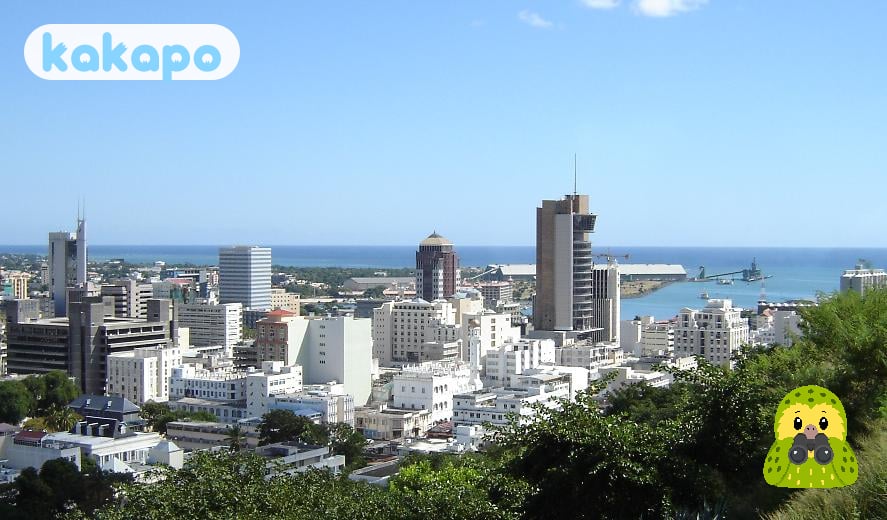
Port Louis — population ~150,000, the capital and main port of Mauritius — is a working harbour city most international tourists day-trip rather than overnight. The Caudan Waterfront mall and the Aapravasi Ghat UNESCO site are the main visitor anchors; the surrounding Central Market, the Champ de Mars racecourse, and the Place d'Armes give the city character. Crime against tourists is generally low at tourist-trafficked areas; petty issues at the Central Market and along Tranquebar district at night.
The honest concerns are about the 2013 flash flood (and the city's chronic urban-flooding vulnerability), the day-vs-night character split (Port Louis empties after working hours and is less safe walking; tourist day-visits are the standard), and the cruise-ship-economy dynamic (large day-trip groups overwhelm specific spots). The wider Mauritius context — cyclones, lagoon swimming, Indo-Mauritian-Creole-French cultural mix — is covered in our standalone Mauritius country guide.
The US State Department lists Mauritius at Level 1; UK FCDO has no advisories. Both note the standard cyclone and tropical-disease context.
| Night safety | 67/100 |
|---|---|
| Scam / petty-crime risk | Medium |
| Violent crime (tourists) | Low |
| Most common scams | pickpocketing at Central Market; petty crime in Tranquebar district at night |
| Safer neighbourhoods | Caudan, Plaine Verte, Champs de Mars |
| Data sources cited | 4 |
| Last verified |
What the score means — 85/100
- Personal safety (84) — high in tourist areas; pulled down by Central Market petty crime and Tranquebar district at night.
- Transport (78) — Sir Seewoosagur Ramgoolam International Airport (MRU, 45 km south); Port Louis ferry terminal (Caudan); Metro Express light rail (Port Louis-Curepipe, opened 2019); bus network adequate.
- Healthcare (84) — Apollo Bramwell, Wellkin, Fortis Darné private hospitals (suburban Port Louis); SSRN Hospital public; serious cases medevac to Réunion or Johannesburg.
- Air quality (84) — generally good Indian Ocean air; some traffic emissions in central Port Louis.
The 2013 flash flood and chronic flooding
- 30 March 2013: a sudden 3-hour cloudburst dumped 152mm of rain on Port Louis. Streets in central Port Louis turned to torrents; 11 people killed (many trapped in the underground Caudan car park); cars swept into the harbour. The most-deadly Port Louis disaster in modern times.
- Why so deadly: Port Louis sits in a steep-sided amphitheatre; rapid runoff from surrounding hills; old colonial drainage overwhelmed; flood-storage tanks built up over.
- Subsequent: Cyclone Belal (January 2024) again caused major flooding in Port Louis; multiple drownings.
- What floods: low-lying central Port Louis (around the Bazar Central, Royal Road, parts of Tranquebar); the Caudan area underground levels; the lower Plaine Verte district.
- Don't park in underground car parks during cyclone or heavy-rain warnings (Caudan parking, hotel basement parking — flooding traps cars).
- Don't wade flood streets: leptospirosis (Mauritius incidence elevated post-flood), sewage backup, electrocution.
- If a Cyclone Class III alert is issued: stay at hotel; expect Port Louis to flood; expect power outages.
- Best timing: avoid January-March peak cyclone for Port Louis day-visit if you have flexibility.
Caudan Waterfront — the tourist hub
- What it is: redeveloped harbour-side mall and entertainment district; restaurants, shops, casino, museums, ferry terminal.
- What's inside: Blue Penny Museum (Mauritian colonial history; the famous "Mauritian Blue and Red" stamps — the world's most valuable postage stamps); Le Suffren Hotel; Hennessy Park Hotel (across the road); Cafe LUX; multiple restaurants.
- Free to walk through: open 09:00-22:00.
- Cruise-ship days: when ships dock at Port Louis Harbour (typically December-March), the Caudan and Central Market are dense with cruise passengers; pickpocket precautions.
- Don't park underground in heavy-rain warning (see 2013 flood section).
- Caudan after dark: well-lit and safe; restaurants open until 22:00-23:00.
- Beyond Caudan toward Tranquebar/old Chinatown: less comfortable for solo visitors at night.
Central Market and the Aapravasi Ghat
- Central Market (Marche Central): working multi-floor produce-and-craft market in central Port Louis; ground floor produce/spices/fish; upper floor textiles, souvenirs, basket-weaving.
- Pickpocket precautions: dense crowds; standard precautions; bag in front.
- Bargaining: expected at upper-floor stalls; halve the first quote then settle around 60-70%.
- Don't accept "I'll show you the way" guides from market-area touts; they expect commission from shops they steer you to.
- Aapravasi Ghat (UNESCO 2006): the immigration depot where ~450,000 Indian indentured labourers entered Mauritius 1834-1910; small interpretive centre; free entry; modest dress; respectful behaviour.
- Why it matters: indentured labour replaced enslaved labour after 1835 abolition; Aapravasi Ghat is the historical anchor of Indo-Mauritian identity (~68% of modern Mauritian population).
- Allow 60-90 min for thoughtful visit.
Areas — Caudan, Plaine Verte, Champs de Mars, Tranquebar
Walking-tourist areas: Caudan Waterfront and adjacent Place d'Armes — central, walking, restaurants. Champ de Mars area — the southern hemisphere's oldest racecourse (1812), Saturday races atmospheric.
Stay aware after dark: Tranquebar district (working-class area east of central) — petty crime and (rare) muggings reported; not where tourists usually go anyway. Routes Royales (the colonial-era road grid) at night — sparsely populated after working hours.
Most visitors don't overnight in Port Louis: stay at coastal resorts (Grand Baie, Trou aux Biches, Le Morne, Belle Mare) and day-trip Port Louis. If you do stay: Le Suffren and Labourdonnais (both Caudan-adjacent) are the international-standard options.
Transport — Metro Express, ferries, getting around
- Metro Express: opened 2019; Port Louis-Curepipe light rail; useful for in-city Port Louis only; tap card MUR 60-100.
- Buses: extensive but slow; central Port Louis-to-airport via bus 198 MUR 50 (~90 min).
- SSR International Airport (MRU): 45 km south of Port Louis. Most international visitors transit through; few overnight in Port Louis.
- Ferries from Caudan: occasional services to Rodrigues Island (overnight ferry, 36 hr) and St Brandon (research expeditions).
- Cruise ship terminal: at Port Louis harbour; major Indian Ocean cruise stop (December-March peak).
- Driving: drive on the LEFT (British colonial). Port Louis traffic is the worst on the island; one-way colonial-era street grid confusing.
- Rental cars: cheap (MUR 1,200-2,500/day) but most tourists use resort transfers from MRU and only day-trip Port Louis.
The Indo-Mauritian-Creole working-city character
- Demographics: Port Louis is one of the most-Indo-Mauritian areas of the country (~70%+); also significant Sino-Mauritian (Chinatown) and Creole communities.
- Languages: Mauritian Creole (mother tongue for most), French (universally spoken), English (official), Bhojpuri (Indian-origin), Mandarin/Hakka (Sino-Mauritian).
- Cultural sites: Jummah Mosque (1850s, the central Port Louis mosque — visitable to non-Muslims at non-prayer times, modest dress), Tien Tan Pagoda (Chinese), Kaylasson Temple (Hindu, in Sainte Croix district north of Port Louis).
- Slavery / indenture history: sensitive but openly discussed in modern Mauritius. Aapravasi Ghat and Le Morne (UNESCO escaped-slave site) are key memorial spaces.
- Don't make casual ethnic comments; multi-ethnic Mauritian society is intentional and sometimes fragile.
- Religious harmony: Hindu temples, Catholic cathedrals (St Louis Cathedral central Port Louis), mosques, pagodas all coexist within walking distance.
- Cavadee festival (January-February): spectacular Hindu Tamil Mauritian festival; respectful spectator behaviour at Sockalingum Meenakshee temple area.
Money, food, emergency numbers
- Currency: Mauritian rupee (MUR). $1 ≈ MUR 45.
- Cards: contactless universal at restaurants, hotels, malls; cash for Central Market and street food.
- Tipping: not historically customary but increasingly expected at tourist restaurants; round up.
- Food: Mauritian Creole-Indian-Chinese fusion — dholl puri (split-pea flatbread, the city's street-food classic — eat at Dewa, Kapital Dholl Puri central Port Louis), gateau piment (chilli cakes), Creole curries, briani. Caudan restaurants (Cafe LUX, Bombay Brasserie) for sit-down.
- Tap water: legally drinkable in most areas but locals filter; bottled at hotels.
- Visa: 60-90 days visa-free for most Western nationalities; confirm before flying.
- Emergency: 999 (universal); 112 mobile. Tourist Police +230 213 5500.
- Hospitals: Apollo Bramwell (suburban Port Louis, +230 605 1000); SSRN Hospital (public, +230 209 3000).
- SIM: Emtel, Mauritius Telecom (my.t), Chili at MRU; MUR 200-500 for tourist data.
Frequently asked questions
Is Port Louis safe to visit in 2026?
Yes — Port Louis scores 82/100 here. US State Department lists Mauritius at Level 1 (standard precautions) and UK FCDO carries no specific advisories. Violent crime against tourists is rare. The realistic concerns are urban flash flooding (the 2013 cloudburst killed 11 people in central Port Louis and the 2024 Cyclone Belal again caused major flooding), petty pickpocketing at the Central Market on cruise-ship days, and the city's after-dark character shift — Port Louis is a working harbour city that empties of locals after office hours, making the centre quieter and less comfortable to walk alone late.
Is Port Louis safe at night?
The Caudan Waterfront is safe — well-lit, populated, restaurants open until 22:00-23:00, with the Le Suffren and Labourdonnais hotels as visible bases. Beyond Caudan the centre empties after working hours; the Tranquebar district (working-class area east of central) has reports of petty crime and rare muggings after dark, and tourists rarely have reason to go there. Most international visitors don't actually overnight in Port Louis — they stay at coastal resorts (Grand Baie, Trou aux Biches, Le Morne, Belle Mare) and day-trip the capital. If you do stay over: Caudan-adjacent hotels and a pre-booked taxi for late moves is the routine setup.
What's the biggest risk in Port Louis?
Urban flash flooding. The city sits in a steep-sided amphitheatre with surrounding hills funnelling rainwater into central streets, and old colonial drainage cannot handle modern cloudbursts. The 30 March 2013 event dumped 152mm in three hours, turned Royal Road into a torrent, and trapped people in the Caudan underground car park — 11 deaths. Cyclone Belal in January 2024 brought the same pattern. Never park in underground car parks during cyclone or heavy-rain warnings. Don't wade flooded streets — leptospirosis incidence spikes in Mauritius post-flood, plus sewage backup and electrocution risk. If a Class III cyclone alert is issued, stay at your hotel. The peak cyclone window is January to March; if you have flexibility, day-trip Port Louis outside it.
Can you drink tap water in Port Louis?
Technically yes — Mauritius water authorities treat municipal supply to drinkable standards, and many locals drink the tap water. In practice most hotels filter or provide bottled, and many visitors default to bottled for the first few days. Bottled water is cheap and ubiquitous. Avoid any tap water during and immediately after major rainfall events when treatment can be overwhelmed and boil-water advisories occasionally apply. Ice at established restaurants in Caudan and the international hotels is safe; at street stalls and the Central Market more variable.
What's the one unique thing to see in Port Louis?
Aapravasi Ghat — the UNESCO-listed immigration depot through which about 450,000 Indian indentured labourers entered Mauritius between 1834 and 1910 after the abolition of slavery. It's a small interpretive site near the harbour, free to enter, modest-dress, and is the historical anchor of modern Indo-Mauritian identity (around 68% of the country's population today). The combination of Aapravasi Ghat, the Le Morne UNESCO escaped-slave site on the south-west coast, the Central Market's Indo-Sino-Creole food culture, and the Blue Penny Museum at Caudan (home of the famous Mauritian Blue and Red stamps, among the world's most valuable postage stamps) makes Port Louis a more interesting day than its 'just the working capital' reputation suggests. Allow 60-90 minutes for Aapravasi Ghat with thoughtful attention.
Sources
Run a business in Port Louis?
Show visitors your Port Louis business is a safe choice. The free Verified by Kakapo badge puts Port Louis's live safety score on your website, links back to your verified page, and updates itself. No cost.
Get the free badge →