


Is San Juan, Puerto Rico Safe? A 2026 Travel Safety Guide
Hurricane season post-Maria/Fiona/Ernesto, the Old San Juan vs district reality, beach rip currents, and the realistic risks of the Caribbean's easiest US-domestic destination.

Old San Juan (the historic walled tourist core) is one of the safer Caribbean tourist neighbourhoods. Crime against visitors there is uncommon. The realistic risks for tourists are the city-wide property-crime statistics that don't match the Old San Juan experience (some outer San Juan neighbourhoods have meaningful crime), the Atlantic hurricane season (Puerto Rico has been hit hard — Maria 2017, Fiona 2022, Ernesto 2024), beach rip currents at certain spots, and the post-disaster electricity reliability question (Puerto Rico's grid is materially less reliable than mainland US).
Puerto Rico is a US territory; US travellers don't need a passport. Level 2 on the US State Department's advisory list is for the whole island ("exercise increased caution"). UK FCDO is similar.
The honest framing for first-time visitors: San Juan is large (~330,000 in city, 2 million metro). Old San Juan (the walled colonial centre), Condado (modern beachfront), Isla Verde (closer to the airport, more resorts), and Santurce (the gentrifying arts district) are the visitor anchors. Most visitors stay in Condado or Old San Juan. El Yunque rainforest is 45 min east; Vieques and Culebra islands are ferry-able from the east.
| Solo female safety | 78/100 |
|---|---|
| Night safety | 84/100 |
| Scam / petty-crime risk | Medium |
| Violent crime (tourists) | Low |
| Most common scams | pickpockets in Old San Juan; higher crime stats in outer San Juan neighbourhoods; beach rip currents at Condado and Isla Verde |
| Safer neighbourhoods | Old San Juan, Condado, Isla Verde |
| Data sources cited | 4 |
| Last verified |
What the score means — 78/100
- Healthcare (84) — Puerto Rico healthcare is part of US system; private hospitals (Auxilio Mutuo, Hospital del Maestro) are good.
- Air quality (84) — moderate-good coastal.
- Transport (80) — Tren Urbano + AMA buses + Uber.
- Personal safety (72) — pulled down by city-wide statistics. Old San Juan + tourist Condado are meaningfully safer.
Hurricane season — and the post-disaster electricity reality
- Atlantic hurricane season: June-November. Puerto Rico has been catastrophically hit: Maria (2017, ~3,000 dead), Fiona (2022), Ernesto (2024).
- The electricity grid: severely damaged 2017, slowly recovering, still less reliable than mainland US. Outages are routine. Hotels in tourist core have generators; smaller Airbnbs may not.
- Confirm generator backup for non-major-hotel bookings.
- If a hurricane is approaching: heed evacuation/shelter orders. Hotels follow established protocols.
- Travel insurance: confirm hurricane cover; book before storms are named.
- Best low-hurricane months: December-May.
Old San Juan — the tourist core
- Old San Juan: walled colonial centre. Cobbled streets, El Morro and San Cristóbal forts, the colourful houses.
- Daytime + evening: very safe. Cruise-ship-day crowds; pickpockets present.
- Cobbles + slope: narrow stepped streets. Sturdy shoes.
- El Morro fort: $10 entry. Open headland with cannons + lawn.
- Walking back to your hotel at 2am: stick to the busier La Fortaleza / San Justo / Cristo streets.
- San Sebastián Festival (mid-January): 4-day street party. Hotels +50%.
Areas — where to base, where to be aware
Recommended for visitors: Old San Juan (the historic core), Condado (beach + restaurants), Isla Verde (closer to airport), Santurce (gentrifying arts district — daytime fine, evening more variable).
Stay aware: Around Tren Urbano stations at night. La Perla (the historic-poor neighbourhood between El Morro and the sea — controversial: gentrifying, scenic, but historically had drug-trade reputation; "Despacito" was filmed here). Some "tour" companies do La Perla now; on your own daytime is increasingly OK, evening + alone less ideal.
Don't go casually: some outer-San Juan neighbourhoods (Loiza, parts of Río Piedras) — higher crime stats; not on tourist itineraries.
Beaches — Condado, Isla Verde, Vieques
- Condado Beach: city beach. Lifeguarded; rip currents on rougher days; heed flags.
- Isla Verde Beach: longer, similar profile.
- Ocean Park: between the two; quieter, family-friendly.
- Atlantic-side rip currents: real. Several drowning deaths each year.
- Flamenco Beach (Culebra): a 3-hour ferry day trip; world-class; calmer Caribbean side.
- Reef-safe sunscreen: increasingly required at marine sites.
- Bioluminescent bay (Mosquito Bay, Vieques): best on dark moonless nights with a kayak tour.
El Yunque rainforest day trip
- El Yunque: only US tropical rainforest. 45 min east of San Juan.
- Reservation required (since 2021): free on recreation.gov. Pre-book.
- Trails: La Mina Falls, Mt Britton tower. Slippery in rain (which is most days).
- Sturdy hiking shoes: not flip-flops. Falls happen.
- Don't swim above marked falls areas: drownings have happened.
- Bug spray: mosquitos present.
Transport, taxis, the airport
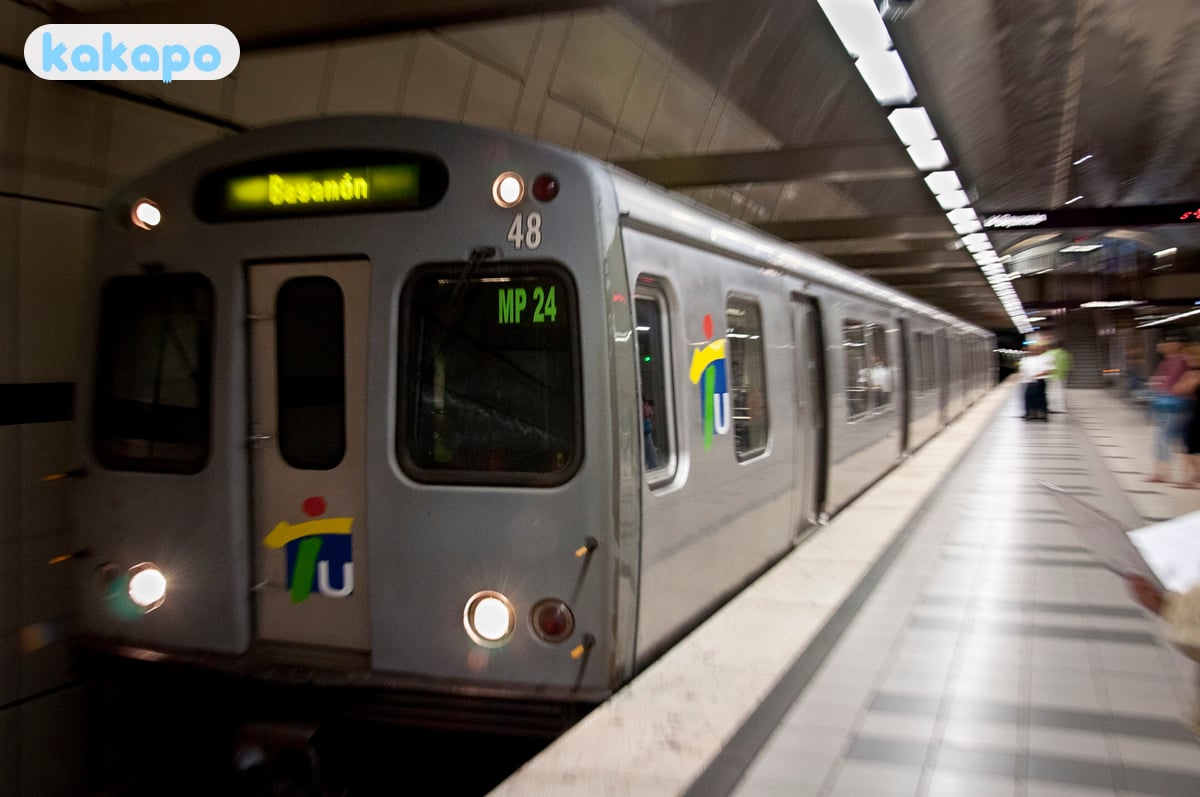
- Tren Urbano: 1 line; useful for Río Piedras / Santurce direction. Limited tourist relevance.
- AMA buses: extensive; not always tourist-easy.
- Uber + Lyft: both work in San Juan. The default tourist option.
- Taxis: with meter ("metro"); also fixed-rate from the airport.
- SJU Airport (Luis Muñoz Marín): 14 km east of Old San Juan. Pre-arranged taxi $19-25 to Condado / Isla Verde, $24 to Old San Juan. Uber $15-25.
- Rental car: useful for El Yunque + east coast; San Juan parking is hard.
Money, food, the cost story
- Currency: US dollar (Puerto Rico is US territory).
- Cards: universal.
- Tipping: 18-22% restaurants.
- Tax: 11.5% sales tax (high).
- Cost: hotels $250-500/night standard.
- Tap water: safe; some visitors prefer bottled post-hurricane.
- Local food: mofongo, lechón asado, pinchos, tostones, piña colada (invented at Caribe Hilton).
Practical info — emergency numbers
- Emergency: 911.
- Tourist Police: visible in Old San Juan.
- Auxilio Mutuo Hospital ER: 787-758-2000.
- Hospital del Maestro ER: 787-758-8383.
Bring: reef-safe sunscreen, sturdy walking shoes for cobbles, a contactless card, an unlocked phone (T-Mobile, AT&T, Verizon — works as US-domestic), bug spray for El Yunque, US-valid travel insurance, and the FEMA app for hurricane alerts.
Frequently asked questions
Is San Juan safe to visit in 2026?
Yes for the tourist core. Old San Juan, Condado, and Isla Verde are well-policed and one of the safer Caribbean tourist environments. US State Department lists Puerto Rico at Level 2 ('exercise increased caution') for the whole island, with the advisory pulled down by city-wide statistics that don't reflect the Old San Juan visitor experience. Crime against tourists in the walled historic core is uncommon. Realistic risks are the Atlantic hurricane season (Maria 2017, Fiona 2022, Ernesto 2024), the post-disaster electricity reliability (grid is materially less reliable than mainland US), beach rip currents, and some outer San Juan neighbourhoods that visitors rarely have reason to enter.
Is San Juan safe at night?
Old San Juan is genuinely safe to walk into the late evening — cobbled, well-lit on the busier La Fortaleza/San Justo/Cristo streets, and crowded with restaurants and bars. Condado's beach-and-restaurant strip is similar. La Perla (the historic-poor neighbourhood between El Morro and the sea) is increasingly gentrified and daytime visits are now common, but solo after dark warrants more thought. Avoid the area around Tren Urbano stations late and don't walk between Old San Juan and Condado at 2am — it's a 30-min walk through quieter zones. Uber and Lyft both work and are the default.
Is San Juan safe for solo female travellers?
Yes — Puerto Rico is US territory and the cultural baseline is closer to the US mainland than to Latin America. Old San Juan and Condado have lively solo-female travel scenes; Uber/Lyft are the default for getting between zones. Catcalling happens but is mild relative to mainland Latin America. Auxilio Mutuo Hospital and Hospital del Maestro are US-standard. The FEMA app is worth installing for hurricane alerts during June-November visits.
Can you drink tap water in San Juan?
Yes — Puerto Rico's tap water meets US EPA standards and is safe to drink in San Juan and major tourist areas. Some visitors prefer bottled in the months immediately after hurricanes when supply disruptions affect treatment plants, and many San Juan residents drink filtered or bottled by preference. Hotel ice is fine. After hurricane events, follow boil-water advisories if issued by AAA (the water authority).
What's the biggest scam to avoid in San Juan?
Cruise-pier taxi over-quoting — drivers approach cruise tourists with flat fees 2-3x the official rate to Old San Juan or Condado. The Puerto Rico Tourism Company posts official fixed taxi fares at the cruise terminal and SJU airport — ask before getting in, or use Uber/Lyft (consistently cheaper). Other patterns: 'tour guide' approaches at El Morro and the cruise pier (the National Park Service runs free official tours), 'free' timeshare presentations at the airport, and ATM skimming at free-standing convenience-store machines (use Banco Popular or FirstBank branch ATMs). Rip currents are not a scam but they're the most common tourist injury — obey the lifeguard flag system.
Should I worry about hurricane season?
Yes if travelling June-November, but with planning. Puerto Rico has been catastrophically hit — Hurricane Maria 2017 killed roughly 3,000 and the grid is still less reliable than mainland US. Hurricane Fiona 2022 and Ernesto 2024 caused further damage. The realistic adjustments: book travel insurance with explicit hurricane cancellation cover before storms are named, confirm generator backup at smaller Airbnbs (major hotels in Old San Juan and Condado have them), install the FEMA app and check the National Hurricane Center forecast for your dates, and consider December-May for low-hurricane months. If a storm is forecast during your trip, heed evacuation/shelter orders — Puerto Rican emergency protocols are well-established.
Sources
Run a business in San Juan?
Show visitors your San Juan business is a safe choice. The free Verified by Kakapo badge puts San Juan's live safety score on your website, links back to your verified page, and updates itself. No cost.
Get the free badge →