


Is Punta Cana Safe? A 2026 Travel Safety Guide
What's actually safe inside the resort zone, what's risky outside it, and how to tell the difference.

Punta Cana the resort zone is one of the most controlled tourist environments in the Caribbean. The wider Dominican Republic is not. Both can be true at once, and both are relevant to your trip.
The US State Department lists the Dominican Republic at Level 2 — "exercise increased caution", citing crime in major cities (Santo Domingo, Santiago) and on intercity highways at night. Punta Cana itself, the strip of resorts running from Bávaro to Cap Cana along the east coast, is not where those incidents typically happen. The resorts are gated, well-staffed, and patrolled; the airport is modern and orderly; the all-inclusive bubble is genuinely a bubble.
The realistic risks that actually affect resort tourists are: traffic on the road from the airport, unregulated excursion operators, riptides on a few specific beaches, ATM card-cloning in the resort towns, and getting in a cab that isn't licensed. None of those are dealbreakers — they're things you plan for.
| Night safety | 58/100 |
|---|---|
| Scam / petty-crime risk | Medium |
| Violent crime (tourists) | Low |
| Most common scams | ATM card-cloning in the resort towns; unlicensed taxis in Punta Cana; free gifts at the airport for timeshare presentations |
| Safer neighbourhoods | Bávaro, Cap Cana, Uvero Alto |
| Data sources cited | 4 |
| Last verified |
What the score means — 80/100
Punta Cana sits in the "good" band on our scale. That's a deliberate middle-ground number reflecting the dual reality:
- Personal safety (74): inside the resort zone the risk is closer to a 90; outside, in the underdeveloped beachfront strips between Bávaro and Macao, it's lower. The 74 is a weighted average for what a typical resort visitor will encounter.
- Transport (66): the lowest sub-band. Dominican road safety is poor — traffic deaths per capita are among the highest in the Americas. Most Punta Cana visitors are only on the road for the resort transfer and excursions, but those are real exposure.
- Healthcare (68): private clinics in the resort zone are good and English-speaking. Public health infrastructure is limited; serious cases get medevac'd to Santo Domingo or, with insurance, to the US.
- Night (76): high inside resorts (which are essentially self-contained mini-towns), lower in the public beach areas after dark.
Resort zone vs. outside
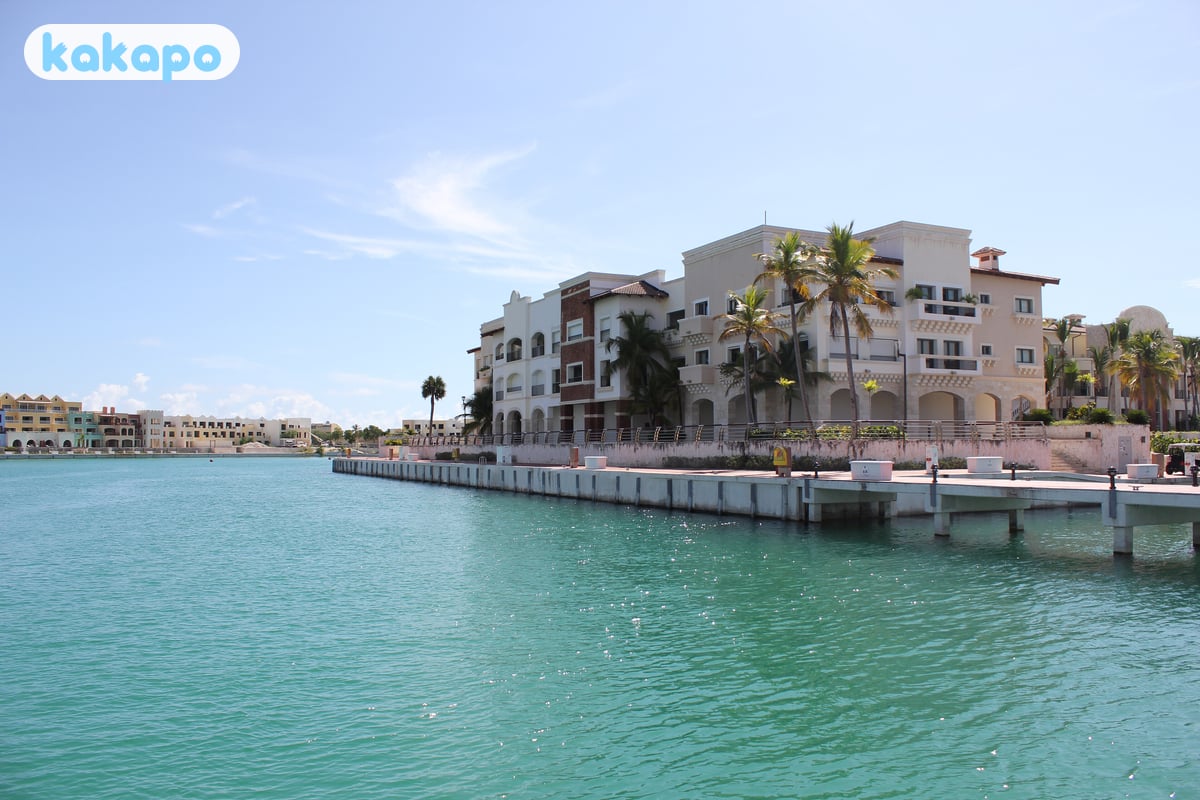
Inside the resort zone — the strip from Cap Cana in the south through Punta Cana proper, Bávaro, and up to Uvero Alto — virtually every property is gated, fenced, security-staffed, and policed by Politur (the tourist police). You walk inside, you eat inside, you swim inside. The "danger" most visitors actually meet is sunburn.
Bávaro Town (the small commercial centre serving the resort workers — not the Bávaro resort strip) is the closest "real" Dominican town. Visitors do go there for cheaper food, supermarkets, and cigars. Daytime is fine; we don't recommend wandering it after dark unless you know it.
Macao Beach is a public beach popular for surfing lessons. The water is great; the beach itself has had incidents of theft from the sand. Bring nothing you can't replace.
The drive between Punta Cana and other DR cities (Santo Domingo, Santiago, Puerto Plata) is the highest-risk activity most visitors will do. Always daylight, always with a reputable operator, never your own rental car at night.
Excursions — vetting beach-vendors vs. tour operators
This is where the most preventable incidents happen. Vendors walk the beaches outside resort grounds offering catamaran trips, snorkelling, ATV rides, and "VIP" tours at half the resort-desk price. Some are legitimate small operators. Many are not.
What "not legitimate" means: uninsured boats, no life jackets, no maritime radio, no medical kit, alcohol-during-the-tour culture, and no recourse if something goes wrong. The DR has had several fatal catamaran accidents involving informal operators in the last five years.
Our rules:
- Book through the resort tour desk, an established operator (Bavaro Adventure Park, Outback Adventures, Caribbean Pirates), or a major aggregator like Viator/GetYourGuide where you can read recent reviews.
- Confirm life jackets exist and the operator is licensed by the Ministry of Tourism (look for the Mitur sticker on the boat).
- Skip ATV tours after rain — the trails are basic, helmets are optional in practice, and crashes are common.
- Don't snorkel from informal beach boats. The reef trips through Cabeza de Toro and Hoyo Azul are well-run; the random "let's go to the natural pool" guy isn't.
Airport transfers, taxis, and the rental-car question
Airport (PUJ) transfer: if your booking includes a transfer, use it. If not, pre-book through your resort or a known service (Amstar, Nexus). The transfer ride is 15-30 minutes depending on which resort.
Taxis: use only the SinDiTax licensed taxis (yellow plate, white car) or the resort's preferred service. Uber is patchy in Punta Cana; ride apps work better in Santo Domingo. Always confirm fare before getting in — Punta Cana taxis don't run meters.
Renting a car? Honest take: most visitors don't need to. The resort-to-airport-to-excursion loop is well-served by transfers. If you do rent:
- Drive only in daylight outside the resort zone. Highway lighting is sparse, lane markings fade, and livestock-on-roads is a real thing.
- Police checkpoints exist. They're legitimate, but tourist drivers occasionally get asked for "donations". Stay polite, ask for the official ticket; never hand over cash on the spot.
- Get the maximum collision waiver. Repair quotes from Dominican rental agencies are often higher than US rates.
Beach and ocean — riptides, sun, sea life
The Punta Cana coast looks calm because the offshore reef breaks the swell, but riptides do happen, especially after storm systems and around the gaps in the reef.
- Swim where the resort lifeguard flag is up. Most resorts post green/yellow/red.
- If caught in a rip: don't swim against it. Swim parallel to the beach until you're out, then swim in.
- Sargassum seaweed has affected DR beaches in recent years (most often May-September). It's not dangerous, just smelly and uncomfortable; some resorts run beach-cleaning programs.
- Sun: 9am-3pm at this latitude is brutal. Hat, reef-safe SPF 50, electrolytes.
Scams and money
- ATM skimming: use ATMs inside Banco Popular, BanReservas, or Scotiabank branches. Avoid free-standing ATMs in convenience stores.
- Card cloning — keep an eye on your card at restaurants; portable POS machines are standard at honest places.
- "Free" gifts at the airport or resort lobbies in exchange for a presentation — almost always a timeshare pitch. They're not unsafe, just a 90-minute time sink.
- Currency: US dollars are widely accepted in the resort zone but the conversion rate the resorts use is poor. Use Dominican pesos for off-resort spending; ATMs dispense pesos by default.
Resort zones — where to base yourself on the east coast
- Bávaro (the main resort strip) — the 12-km beach corridor of all-inclusives north of Punta Cana proper. Iberostar, Riu, Barceló, Bahia Principe, Princess, Now Larimar, Hard Rock Hotel Punta Cana. The widest range of resort options at every price point ($150-800/night all-in). Long uninterrupted soft-sand beach with calm Atlantic-reef-protected swim conditions. Family-saturated; mid-2000s-era development. Politur tourist police patrol the beach.
- Cap Cana (south of the airport) — the newer luxury enclave with the Eden Roc Cap Cana, Sanctuary Cap Cana, Secrets Cap Cana. Marinas, Punta Espada golf course (Jack Nicklaus), the Hoyo Azul cenote (a swimmable turquoise sinkhole, $30 entry). Quieter than Bávaro; the high-end demographic; rooms $400-2,500. The marina restaurants (Blue Marlin, Lobster House) are a Cap Cana evening alternative to resort dining.
- Uvero Alto (far north of Bávaro) — the newest cluster, 30-45 minutes from the airport. Dreams Macao Beach, Excellence El Carmen, Excellence Punta Cana, Zoëtry Agua. Quieter, more secluded; the beach is wilder (more current, less reef protection). Honeymoon and couples market.
- Punta Cana proper (between Cap Cana and Bávaro) — confusingly, "Punta Cana" is both the regional name and a specific zone. The Punta Cana Resort & Club (the original development from the 1970s, Punta Cana Beach), Tortuga Bay Hotel, Westin Punta Cana. Most polished, calmer than Bávaro, also among the most expensive.
- Bávaro Town (Friusa / Los Corales) — the small commercial centre serving resort workers, NOT the Bávaro resort beach strip. Cheaper restaurants (Captain Cook for seafood, La Yola for Dominican plates), supermarkets (Super Pola, Nacional), cigar shops, ATMs at bank branches. Daytime is fine and many visitors come for cheaper food; don't wander alone after dark.
- Downtown Higüey (40 min west) — the actual provincial capital (~150,000 residents), the Basílica de Nuestra Señora de la Altagracia (the Dominican Republic's most important pilgrimage church). A real Dominican town day-trip rather than a resort destination; visit with a guide.
- Macao Beach (north of Uvero Alto) — the public beach popular for surfing lessons, Macao Surf Camp, the beach-shack lunch places (Macao Beach Restaurant). The water is great and the beach is wider than the resort strip. Has had reported theft from the sand and assault after dark — daytime only, bring nothing you can't replace, leave the resort beach towels behind.
- Saona Island (90 min south by road + 30 min boat) — the iconic day-trip island in Cotubanamá National Park. Catamaran-and-speedboat combos with stops at the Piscina Natural starfish-shallows. Book through legitimate operators (Catalina Tour, ColonialTour, Bavaro Adventure Park, or Viator) — the beach-vendor "half-price" version of this trip is exactly where the fatal catamaran incidents happen.
- Isla Catalina (south coast, 2h) — smaller alternative to Saona, reef snorkelling. Cruise-ship day-stop typically.
- Santo Domingo (3h drive west) — the capital, Zona Colonial (UNESCO), the Alcázar de Colón. Day-trip or overnight from Punta Cana with a tour operator (don't drive yourself the highway has documented incidents). Different city, different risk profile.
If it's your first time visiting
- Best arrival: Punta Cana International Airport (PUJ) is the second-busiest in the Caribbean — open-air thatched-roof terminals, JetBlue, American, Delta, United, WestJet, Air Canada, TUI, Condor, plus regional. Resort transfers are universally included in package bookings; if not, pre-book through your resort or Amstar/Nexus shuttle (USD 25-45 per person each way). Avoid the freelance "I'll get you a cheaper taxi" approaches in arrivals — use only SinDiTax (yellow plate, white car) or your resort's preferred service.
- Best neighbourhood for your first night: Bávaro for value and choice (Iberostar, Riu, Barceló, Bahia Principe at $150-400 all-in); Cap Cana for quieter luxury (Eden Roc, Sanctuary, Secrets at $400-2,500); Uvero Alto for honeymoon-quiet seclusion. The all-inclusive structure means most visitors never leave the property — pick based on demographic fit (Bávaro is family-with-kids, Cap Cana is couples-and-honeymoons, Uvero is luxury-secluded).
- Excursion vetting is the single most important practical skill. Beach vendors offer catamaran, snorkel, ATV, and "VIP" tours at half the resort-desk price. Some are legitimate small operators; many are uninsured boats with no life jackets, no maritime radio, no medical kit, and alcohol-during-the-tour culture. The DR has had multiple fatal catamaran incidents involving informal beach operators in the last five years. Book through your resort tour desk, established operators (Bávaro Adventure Park, Outback Adventures, Caribbean Pirates, Catalina Tour), or Viator/GetYourGuide where you can read recent reviews. Confirm life jackets and look for the Ministry of Tourism (Mitur) sticker on the boat.
- Use SinDiTax taxis or resort transfers — not street taxis. Punta Cana taxis don't run meters; agree the fare before getting in. Uber is patchy in Punta Cana (it works better in Santo Domingo). For airport-to-resort or excursion transfers, pre-book through your resort or Amstar/Nexus.
- Don't rent a car as a casual first-timer. Most visitors don't need to — the resort-airport-excursion loop is well-served by transfers. If you do, drive only in daylight outside the resort zone (highway lighting is sparse, lane markings fade, livestock-on-roads is real), get the maximum collision waiver (Dominican repair quotes are high), and stay polite-but-firm at police checkpoints (legitimate ones exist, but never hand cash on the spot — ask for the official ticket).
- Currency strategy: Dominican peso (DOP, $1 ≈ DOP 60). USD is widely accepted in the resort zone but at conversion rates 5-10% worse than DOP equivalents. For excursions, off-resort meals, and Bávaro Town shopping, use DOP. Withdraw at ATMs inside Banco Popular, BanReservas, or Scotiabank branches (NOT free-standing ATMs in convenience stores — card-cloning is reported). Always decline DCC on terminals ("pay in pesos, not dollars"). Tipping: tip is included in all-inclusive resort pricing but extra USD 5-20 for room steward, beach waiter, and good bartender is appreciated; USD 1-2 per drink in resort bars; 15-20% in off-resort restaurants if not auto-added.
- Beach and ocean reality: the offshore reef breaks the swell so Bávaro beach is generally calm, but rips happen after storms and around reef gaps. Swim where the resort lifeguard flag is up (green/yellow/red). If caught in a rip, swim parallel to shore until out, then in. Sargassum seaweed has affected DR beaches in recent years (May-September worst); not dangerous, just smelly and uncomfortable. Sun 09:00-15:00 at this latitude is brutal — hat, reef-safe SPF 50, electrolytes. Don't snorkel from informal beach boats; reef trips through Cabeza de Toro and Hoyo Azul are well-run.
- Water and food: tap water NOT safe even though resorts use desalinated supply. Stick firmly to bottled (provided in rooms and at restaurants). Resort ice is generally fine (made from desalinated supply); off-resort ice and street fresh juice — skip. All-inclusive food is the daily default and is fine at all the major chains; for off-resort experience, Captain Cook in Bávaro Town (seafood platter $20-35) and La Yola at Punta Cana Resort & Club Marina ($40-70) are the established options.
- Common rookie mistakes: booking unregulated beach-vendor catamaran tours (the fatal pattern); using non-SinDiTax taxis; renting a car for "freedom" then driving the airport road at night; falling for the "free gift" airport timeshare presentation pitch (not unsafe, just a 90-minute time sink); using convenience-store ATMs (skimming); paying in USD at terminals (DCC eats 5-10%); wandering Bávaro Town or Macao Beach after dark; ignoring the rip-current flag system.
- If you only have 5 days: 2 days resort-day-drink-eat-pool calibration; Day 3 the Saona Island catamaran day-trip with a legitimate operator; Day 4 Cap Cana day with the Hoyo Azul cenote + a marina lunch; Day 5 spa-and-beach decompression before flight home. If you have 7+, add a Santo Domingo day-trip or a horseback ride at Rancho Capote.
Practical info — emergency numbers
- National emergency: 911 (works for police, fire, ambulance — yes, the same as the US).
- Politur (Tourist Police): 809-222-2026 — English-speaking, specifically for tourist incidents.
- Punta Cana International Airport: 809-959-2376.
- Major private clinic: Hospital Punta Cana (Bávaro), 24h emergency, English-speaking.
Bring: a card without foreign-transaction fees, a copy of your travel insurance and policy number, an unlocked phone (eSIM works on Claro/Altice), and reef-safe sunscreen — bringing it from home is often easier than buying on-site.
Frequently asked questions
Is Punta Cana safe to visit in 2026?
Yes for the resort zone, with awareness for the wider Dominican Republic. US State Department lists the DR at Level 2 ('exercise increased caution') citing crime in major cities (Santo Domingo, Santiago) and on intercity highways at night — Punta Cana itself is not where those incidents typically happen. The resort strip from Cap Cana through Bávaro to Uvero Alto is gated, well-staffed, and patrolled by Politur (tourist police). Inside the all-inclusives it's essentially Caribbean-resort calm. Realistic risks: traffic on the airport road, unregulated excursion operators, riptides on certain beaches, ATM card-cloning, and unlicensed taxis.
Is Punta Cana safe at night?
Inside resort compounds — yes, essentially fully. They're gated, lit, and patrolled; restaurants and bars run within the property. Outside the gates after dark warrants more caution: Bávaro Town (the small commercial centre serving resort workers) is fine in daylight but we wouldn't recommend wandering it solo late. Macao Beach (public, popular for surf lessons) is calm by day but has had theft and assault reports after dark. Take only SinDiTax-licensed yellow-plate taxis or your resort's preferred service back to your hotel.
Is Punta Cana safe for solo female travellers?
Yes inside the resort zone — essentially Western-resort-standard. Solo female travellers are common on the all-inclusive circuit; Politur tourist police patrol the beaches. Catcalling at public beaches (Macao especially) and from beach vendors is routine; firm 'no, gracias' works. Avoid unlicensed beach excursions and bar invitations from people you didn't meet at your resort. Hospital Punta Cana in Bávaro is the 24-hour English-speaking private facility.
Can you drink tap water in Punta Cana?
No — stick firmly to bottled even though resort tap water is desalinated and treated. Most resorts provide bottled water in rooms and at restaurants. Off-resort, bottled water is cheap and ubiquitous. Avoid ice in non-resort venues and street fresh juice. Resort ice is generally fine because it's made from desalinated supply.
What's the biggest scam to avoid in Punta Cana?
Unregulated excursion operators selling catamaran/snorkel/ATV trips on the beach at half the resort-desk price — the DR has had several fatal catamaran accidents involving informal operators, with uninsured boats, no life jackets, and no maritime radio. Book through the resort tour desk, established operators (Bávaro Adventure Park, Outback Adventures), or Viator/GetYourGuide where you can read recent reviews. Confirm life jackets exist and the operator has the Ministry of Tourism (Mitur) sticker. Other patterns: ATM card-cloning (use Banco Popular, BanReservas, or Scotiabank branch machines), 'free gift' timeshare presentations at the airport, and unlicensed taxis at the curb.
Are catamaran and snorkel trips actually safe?
Yes when booked properly, no when booked from beach vendors. The legitimate operators (Outback Adventures, Bávaro Adventure Park, Caribbean Pirates, Caribe Excursions) run insured boats with maritime radios, life jackets, certified captains, and Ministry of Tourism licensing — look for the Mitur sticker. The informal beach vendors selling 'half-price catamaran trips' run uninsured boats with alcohol on board and no safety briefing; there have been several fatal incidents in the past five years. ATV tours after rain are also injury-prone — helmets are optional in practice and the trails are basic. Skip them on wet days.
Sources
Run a business in Punta Cana?
Show visitors your Punta Cana business is a safe choice. The free Verified by Kakapo badge puts Punta Cana's live safety score on your website, links back to your verified page, and updates itself. No cost.
Get the free badge →