


Is San Francisco, El Salvador Safe? A 2026 Travel Safety Guide
San Francisco Gotera, the small Morazán capital — and the broader El Salvador state-of-exception context every visitor should understand.

This guide covers San Francisco Gotera — the small departmental capital of Morazán in eastern El Salvador (~25,000 in the urban core). It is the only meaningful "San Francisco" in the country. The realistic safety picture combines a quiet small-town vibe with the wider El Salvador context: the Bukele government's "state of exception" has dramatically reduced gang violence since 2022, and tourism numbers are now rising sharply, but the country still sits at Level 2 ("exercise increased caution") on US travel advisories with civil-liberties caveats.
San Francisco Gotera itself is far from the historical San Salvador / coastal hotspots. Morazán is mountainous, agricultural, and known to international visitors mainly as the site of the El Mozote massacre memorial — a serious, important historical site but not a polished tourism circuit.
The quick frame: El Salvador is meaningfully safer for tourists than at any point in the last 20 years; Morazán is one of the calmer departments; the residual concerns are practical (rural roads, limited healthcare, the human-rights situation around mass detentions) rather than tourist-targeting violence.
To be unambiguous: this is San Francisco Gotera in Morazán Department, eastern El Salvador. It is not San Francisco, California (the Pacific-coast US city), not San Francisco de Macorís (in the Dominican Republic), not the various small "San Francisco" municipalities in Mexico, Honduras, Colombia or Argentina. The full Salvadoran name is San Francisco Gotera — the "Gotera" suffix (from gotera, "drip") refers to the natural mountain springs that historically supplied the town. It is the cabecera (departmental capital) of Morazán, a mountainous east-El-Salvador department that borders Honduras to the north.
Morazán's tourism is essentially war-memory tourism — the December 1981 El Mozote massacre during the Salvadoran civil war is the site most international visitors come to see, and the Museo de la Revolución at Perquín covers the 1980-92 war from the FMLN guerrilla perspective. The Sierra de Cacahuatique mountains, the Río Sapo riverside reserves, and the Lenca indigenous community at Cacaopera round out the cultural map. The wider eastern-El-Salvador route typically runs Perquín → San Francisco Gotera → Cacaopera → the Gulf of Fonseca ferry to volcanic islands and back to San Salvador via San Miguel.
| Night safety | 78/100 |
|---|---|
| Scam / petty-crime risk | Medium |
| Violent crime (tourists) | Low |
| Most common scams | petty theft in central San Salvador; road accidents on mountain routes; dengue |
| Safer neighbourhoods | San Francisco Gotera centro, Perquín, Cacaopera |
| Data sources cited | 3 |
| Last verified |
What the score means — 64/100
- Personal safety (62) — quiet small town. Country-wide context applies. Petty theft exists.
- Transport (60) — local buses to San Miguel and onward. Mountain roads. No airport.
- Healthcare (64) — basic local hospital; serious cases evacuate to San Miguel or San Salvador.
- Air quality (78) — generally clean rural air. Wood-smoke around cooking hours.
The El Salvador state-of-exception context
Since March 2022, El Salvador has been under a "régimen de excepción" — an extended emergency rule that suspended several constitutional rights and allowed mass detentions of suspected gang members. Roughly 80,000+ people have been arrested. The visible result for tourists has been a dramatic drop in homicide and gang-extortion crime, including in places that were no-go zones five years ago.
- What it means for visitors — practical street safety has improved sharply. Areas tourists frequent (San Salvador centro, surf coast, Suchitoto, Ruta de las Flores, and even Morazán) are noticeably calmer.
- What hasn't changed — petty theft, rural-road risk, limited healthcare, and the fact that the legal-process protections have been suspended. Foreign visitors are not the target of detentions, but human-rights organisations document significant due-process concerns.
- Police presence — heavy. Carry your passport (or a colour copy plus your hotel registration).
Morazán specifically — what to expect
- The town — small, low-rise, walkable in 30 minutes. Limited tourist infrastructure.
- El Mozote memorial (~30 min north) — the site of the 1981 massacre during the civil war, now a memorial and museum. Open to visitors; treat with respect.
- Perquín — former guerrilla stronghold, now home to the Museo de la Revolución Salvadoreña.
- Roads — the CA-7 from San Miguel is paved and fine in daylight. Mountain spurs to El Mozote and Perquín are paved but narrow.
San Francisco Morazán vs the city you might be thinking of
This is San Francisco, El Salvador — capital of Morazán Department in the country's mountainous east. Not the larger San Francisco in California, not a Mexico City suburb. Population around 6,000 in the municipality. Most international visitors stop here as part of an east-El-Salvador route that runs Perquín → Morazán → the Gulf of Fonseca → back to San Salvador.
- Why visit at all: the surrounding Morazán Department is one of El Salvador's most-scenic and most-historically-significant regions — the Museum of the Revolution at Perquín covers the 1980-92 civil war from the FMLN perspective, the Sierra mountains are walkable, and the upcoming San Miguel coffee belt is gaining attention.
- Combine with: Perquín (40 km north, the war-history town), Cacaopera (Lenca indigenous community), Conchagua + the Gulf of Fonseca ferry trips to volcanic islands.
- Don't expect tourist infrastructure: limited English signage, limited hotel pickup-points. A pre-arranged driver from San Miguel or San Salvador is the standard approach.
- Cell signal: Tigo + Claro both have reasonable coverage in the town centre; weak in the surrounding hills.
- Currency: El Salvador uses US dollars + Bitcoin (Bitcoin is legal tender since 2021, but practical acceptance is patchy in rural areas — bring USD cash).
The régimen de excepción — what travellers actually experience
Since March 2022, El Salvador has been under an emergency rule that suspended several constitutional rights and authorised mass detentions of suspected gang members. Tens of thousands of people have been arrested. The visible result for visitors is a dramatic drop in homicide rates + the disappearance of gang-extortion crime, including in places that were no-go zones five years ago.
- What you'll actually see: military and police checkpoints on highways, soldiers visible in town centres, ID checks. As a foreign tourist with a passport stamp, you'll be waved through; locals get more attention.
- Crime against tourists: dropped sharply since 2022. Salvadoran tourism has grown substantially — surf hotels at El Tunco + El Sunzal, gentrified cafés in San Salvador's Colonia San Benito, eastern routes that were impossible before 2022.
- What's still real risk: standard petty theft in central San Salvador + bus terminals, road accidents on mountain routes, dengue, and the dry-season volcanic-eruption risk.
- Photography: don't photograph soldiers at checkpoints. Don't post videos of military vehicles. The government enforces.
- Drivers — your hotel knows: rural-route drivers know which checkpoints are routine vs which require extra documentation. Pre-arranged transport with a Salvadoran driver is the smart move for any Morazán visit.
- How long will it last: the régimen de excepción has been renewed monthly since March 2022 with broad public support. Long-term political situation unpredictable; current safety conditions are notably better than they were 5 years ago.
Morazán geography — what's around San Francisco Gotera
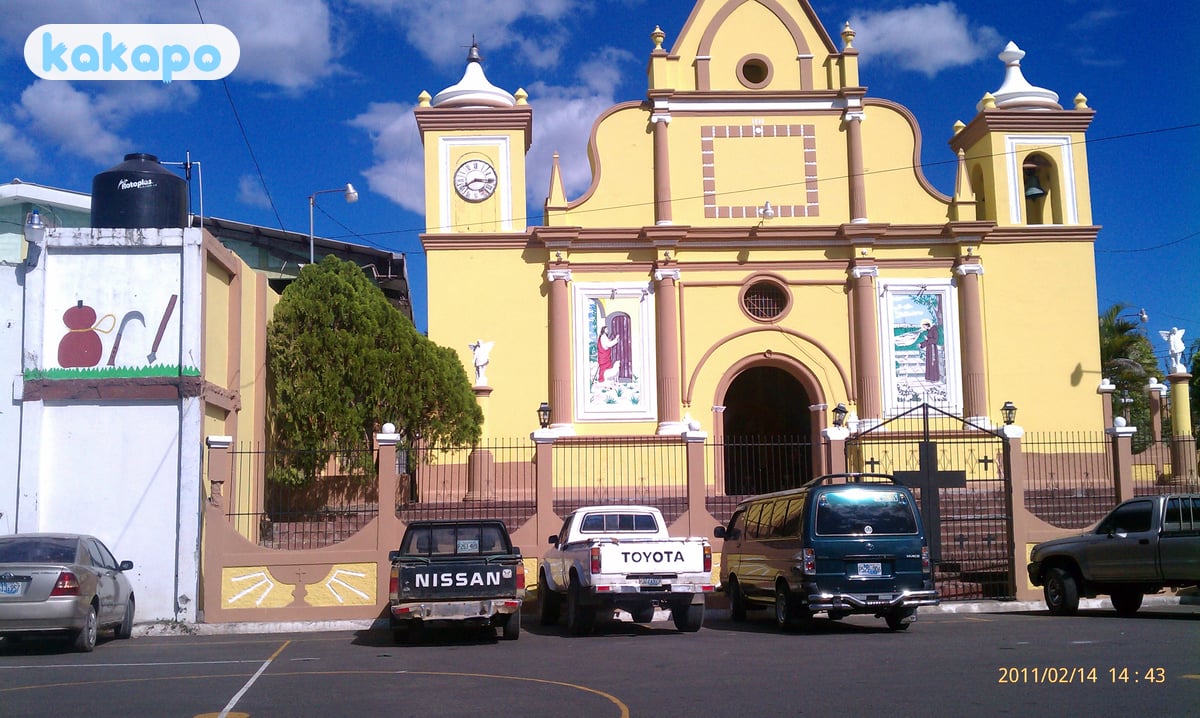
- San Francisco Gotera centro — the small departmental capital, walkable in 30 minutes. Parque Central with the cathedral, the municipal market (Mercado Central, mornings), a handful of guesthouses (Hotel Perkin Lenca + Casa de Huéspedes Las Cumbres are the better choices despite being technically in Perquín / La Junta).
- El Mozote (30 min north) — site of the December 1981 massacre by the Atlacatl Battalion. The Centro Histórico Memorial, the white memorial wall with the names, the children's silhouettes garden, the testimonies of survivor Rufina Amaya. One of Latin America's most important sites of memory. Open daily, donation-suggested. Treat with respect; no posed photos.
- Perquín (40 min north) — former FMLN guerrilla stronghold and now home to the Museo de la Revolución Salvadoreña (Museum of the Salvadoran Revolution, $2 entry). The museum is the official FMLN-perspective war narrative, with weapons, radio equipment, and reconstructed guerrilla camps. The town itself is a small mountain village at 1,100m with cooler air than San Francisco Gotera.
- Cacaopera (45 min south-east) — small Lenca indigenous community, the Casa Cultural Lenca, traditional crafts, the cofradía religious festivals (especially the early January Reyes). One of the few places in El Salvador where Lenca traditions are visibly maintained.
- Río Sapo + Río Negro — Morazán's two rivers with riverside reserves and forest pools. Río Sapo near Perquín has natural swimming pools popular with local families; Río Negro flows through Cacaopera. Day-trip destinations rather than overnight infrastructure.
- San Miguel (60 km south) — the larger regional city, the connection point for buses to/from San Salvador and the Gulf of Fonseca. Carnaval de San Miguel (late November) is the country's biggest carnival celebration. Hotel infrastructure better than Morazán.
- Gulf of Fonseca (3h south) — the volcanic-island bay shared with Honduras and Nicaragua. Boat trips from El Tamarindo or La Unión to Isla Meanguera and Isla Conchagüita ($25-50). The eastern El Salvador exit point.
- The CA-7 highway from San Miguel to Morazán — paved and fine in daylight. The mountain spurs to Perquín (CA-7N) and Cacaopera are paved but narrow with switchbacks. Don't drive after dark in fog; rural emergency response is limited.
- El Salvador state-of-exception context — covered above. Military and police checkpoints on highways are routine; carry your passport (or color copy + hotel registration). As a foreign tourist you'll be waved through; don't photograph soldiers or military vehicles.
- Currency reality — USD and Bitcoin — El Salvador adopted the US dollar in 2001 (replacing the colón) and added Bitcoin as legal tender in 2021. Practical acceptance is USD almost everywhere in rural Morazán; Bitcoin acceptance is concentrated in San Salvador and the coast (El Tunco, El Zonte). Bring USD cash in small denominations ($1, $5, $10, $20 — anything over $50 is hard to break in rural shops).
If it's your first time visiting
- Best arrival: most international visitors fly to San Salvador (SAL) — Avianca, Copa, United, Delta, Spirit, JetBlue all have routes. From SAL, the route to San Francisco Gotera is 3-4 hours by road: pre-arranged driver $120-180 (one-way, recommended for first-timers), bus via San Miguel terminal $5-10 total (Comfort Lines Pullman to San Miguel $5, local bus San Miguel-Gotera $1), or self-drive rental $40-60/day plus fuel. Don't accept "taxi" approaches inside SAL arrivals — use the official rank or pre-arranged transfer (Welcome Pickups, Get Transfer).
- Pre-arrange a Salvadoran driver: this is the single most important first-time-visitor tip for east El Salvador. Rural-route drivers know which military checkpoints are routine versus which require extra documentation, they speak the local Spanish dialect (Salvadoran "voseo"), and they handle the El Mozote / Perquín / Cacaopera logistics smoothly. Hotel Perkin Lenca in Perquín can arrange one for $80-120/day; San Salvador-based tour operators (El Salvador Travels, Akwaterra, Maya Tours) handle multi-day packages $250-450/day.
- Best base for the area: Hotel Perkin Lenca in Perquín ($60-90/night, the established mountain eco-lodge with the war-memorial gardens) is the standard international-visitor choice. San Francisco Gotera itself has very basic guesthouses ($15-30/night) and is the practical overnight only if you want to be close to the bus connections.
- Currency: USD is the working currency. Bring small denominations ($1, $5, $10, $20) — anything over $50 is hard to break in rural shops. ATMs at Banco Agrícola, Davivienda, and Banco Cuscatlán in San Miguel and Gotera; use bank-branch ATMs only (no roadside or convenience-store machines). Bitcoin acceptance is concentrated in San Salvador and the coast, not in Morazán.
- Cell signal + apps: Tigo and Claro both have reasonable coverage in San Francisco Gotera and Perquín centres; weak in the surrounding hills and along the Río Sapo. Buy a Tigo or Claro SIM at SAL airport (passport required, $5-15 for 5GB data). Uber operates only in San Salvador.
- The El Mozote visit — etiquette: the site is a memorial to roughly 1,000 villagers, including hundreds of children, killed by the Atlacatl Battalion in December 1981. Walk slowly, don't pose for photos with the memorial walls or the children's silhouettes garden, don't make light of the site. The on-site guides (often survivors or descendants) speak Spanish; bring a translator if your Spanish is limited. Allow 2-3 hours. Suggested donation $5-10 per person.
- Food in Morazán: pupusas (the national thick-tortilla-with-filling, $1-2 each — usueli, frijol, queso, revueltas), sopa de pata, traditional gallo en chicha (chicken in fermented-corn sauce, regional specialty). Hotel Perkin Lenca serves the most-tourist-friendly menu in the area ($8-15 mains). Tap water is not drinkable — bottled only, $0.50-1.00 for 600ml.
- Driving precautions: don't drive rural Morazán roads after dark. The CA-7 is fine in daylight; mountain spurs to Perquín and Cacaopera are narrow with switchbacks and limited emergency response. Carry your passport at all times — military and police checkpoints are routine, ID is requested, foreign tourists are waved through. Don't photograph checkpoints or military vehicles.
- Spanish basics are essential: very limited English outside Hotel Perkin Lenca and the El Mozote on-site guides. Buenos días, ¿cuánto cuesta?, gracias, ¿dónde está el baño? go a long way. Salvadorans use the vos form rather than tú; either is understood and not offensive.
- Common rookie mistakes: confusing this San Francisco with the California city or the Dominican Republic city (you'd be amazed how many people book a flight); attempting independent self-drive without Spanish ability; expecting hotel pickup at SAL airport without prior arrangement (no taxi rank serves Morazán direct); photographing soldiers at checkpoints (legally enforced, fines and detention); drinking tap water; carrying $100 bills in rural shops (nobody can break them); arriving at El Mozote on Mondays when the on-site guides may not be available — call ahead via Hotel Perkin Lenca; under-estimating the 3-4 hour drive from SAL airport to Perquín.
Practical info — emergency numbers
- Emergency / police: 911.
- Hospital San Francisco Gotera — local public hospital.
- Serious cases: evacuate to San Miguel (~1 hr) or San Salvador (~3 hr).
Bring: USD cash (El Salvador uses USD; bitcoin acceptance is mostly San Salvador / coast), a card backup, an unlocked phone (Claro / Tigo / Movistar SIMs), passport (carry it — checkpoints expect it), and travel insurance with evacuation cover. Spanish essential.
Frequently asked questions
Is San Francisco Gotera safe to visit in 2026?
Cautious yes — San Francisco Gotera scores 64/100 here. (Not California: this is the 25,000-person departmental capital of Morazán in eastern El Salvador.) El Salvador sits at US State Department Level 2 ('exercise increased caution') and UK FCDO 'see our advice'. The Bukele government's 'state of exception', in place since March 2022, has driven homicide rates to historic lows — El Salvador now reports lower per-capita murder rates than several US cities. Morazán is one of the country's calmer departments. The honest caveat: the state of exception has suspended due-process protections and Human Rights Watch documents ongoing mass detentions with disputed legality. Tourists are not targets of either gang violence (now rare) or state security; the rule-of-law context is worth knowing about.
Is San Francisco Gotera safe at night?
Yes, surprisingly so — under the state of exception El Salvador's small towns have become walkable in a way they weren't a decade ago, with a heavy National Police and military presence visible after dark. The Parque Central, the cathedral square, and the main commercial streets stay active until 21:00 and feel calm. Rural roads after dark — the route to El Mozote, the Perquín backroads — are not ideal because of road quality and limited emergency response rather than crime. There's no Uber here; ask your guesthouse to call a confianza driver if you need night transport. Don't drive rural roads outside daylight.
What scams should I watch out for in San Francisco Gotera?
Very few — there's no real foreign-tourist scam economy here. Country-wide El Salvador patterns: at the international airport (SAL) ignore the 'taxi' approaches and use the official rank or pre-arranged transfer. Bitcoin is officially legal tender (a Bukele-era decision) and tourists are sometimes offered Bitcoin payment options — perfectly legitimate but use the Chivo wallet only if you understand the volatility. Always pay in USD (the country's main currency since 2001) rather than your home currency on card terminals. ATM-skimming is moderate; use Banco Agrícola or Davivienda machines inside branches.
Can you drink tap water in San Francisco Gotera?
No — tap water in San Francisco Gotera and across rural El Salvador is not safe for visitors to drink. The ANDA municipal supply is treated but inconsistent, and rural Morazán has recurring water-quality issues after heavy rains. Stick to bottled water (universal, USD 0.50-1.00 for 600ml). Use bottled for brushing teeth on a short trip. Ice in tourist restaurants is generally safe (made from purified water); street-vendor ice less so. Carry a refillable bottle and a SteriPen if you're planning rural hikes.
Why would I actually visit this San Francisco?
For the El Mozote memorial, almost exclusively. El Mozote (45 minutes north of San Francisco Gotera) is the site of the December 1981 massacre during the Salvadoran civil war, when the Atlacatl Battalion killed approximately 1,000 villagers — most of them children. The memorial site, the Centro Histórico Memorial, and the survivors' testimonies are among the most important sites of memory in Latin America. San Francisco Gotera is the practical overnight base. Beyond El Mozote, the wider Morazán-Perquín circuit has war-history museums, mountain hikes, and the Río Sapo riverside reserves. Most international visitors come on guided tours from San Salvador (3.5 hours by road); independent travel is possible but expect very limited English.
Sources
Run a business in San Francisco Gotera?
Show visitors your San Francisco Gotera business is a safe choice. The free Verified by Kakapo badge puts San Francisco Gotera's live safety score on your website, links back to your verified page, and updates itself. No cost.
Get the free badge →