


Is Salvador, Brazil Safe? A 2026 Travel Safety Guide
The Pelourinho district reality, Salvador Carnaval crowds, the higher Brazilian crime statistics, the beaches, and the realistic risks of Brazil's Afro-cultural capital.

Salvador is one of the most charged Brazilian travel recommendations. The Afro-Brazilian cultural depth (Pelourinho UNESCO district, capoeira, candomblé, the food, Carnaval) is genuinely world-class. The crime statistics are also genuinely higher than Rio, São Paulo, or other major Brazilian tourist cities.
The realistic risks for visitors are concentrated property crime (phone-snatching, occasional muggings), the Pelourinho district's specific safety dynamic (well-policed during the day; some streets sketchy at night), the Carnaval crowd density (Salvador's Carnaval is the world's biggest street party), and the standard "no phone in hand on the street" Brazilian rule.
Brazil sits at Level 2 on the US State Department's advisory list. UK FCDO is similar. The honest framing for first-time visitors: Salvador is large (~2.4 million in city, 3.7 million metro). The Pelourinho (UNESCO colonial centre), Barra (lighthouse + beach), Itapagipe peninsula, and the beach neighbourhoods (Itapuã, Stella Maris) are the visitor anchors. The Lacerda Elevator connects Cidade Alta (upper city) to Cidade Baixa (lower city).
What surprises first-time visitors is how completely Salvador is an Afro-Brazilian city rather than a Lusophone one with African influences. Around 80% of the population identifies as Black or pardo (mixed); the city is the spiritual capital of Candomblé (the Yoruba-rooted Afro-Brazilian religion); the food (acarajé, vatapá, moqueca de dendê) is West African with Portuguese accents rather than the reverse; capoeira was invented here as enslaved-people's disguised martial art; the music (axé, samba-reggae, the trios elétricos of Carnaval) is the Black Atlantic in audible form. If you arrive expecting a southern-Brazil "Rio-but-smaller" experience, you'll misread it. Salvador is its own thing — and the cultural depth is genuinely world-class.
The honest 2026 safety framing requires naming names. Salvador's organised-crime landscape is dominated by local Bahia-based factions (BDM/Bonde do Maluco, Caveira) and to a lesser extent the rival national CV (Comando Vermelho) and PCC (Primeiro Comando da Capital, São Paulo-based). Crucially for visitors, the city is NOT structured around the PCC-vs-CV territorial battles that shape Rio de Janeiro's favelas — the tourist neighbourhoods of Pelourinho, Barra, Rio Vermelho and Itapuã sit outside any active faction conflict. Foreign tourists are not targeted by organised crime. The realistic risk is opportunistic property crime (phone-snatching, occasional muggings) and the specific Pelourinho-after-10pm dynamic, not narco-cross-fire.
| Night safety | 48/100 |
|---|---|
| Scam / petty-crime risk | High |
| Violent crime (tourists) | Medium |
| Most common scams | free string bracelet hustle at the Igreja do Bonfim; phone-snatching; pickpockets in crowded areas |
| Safer neighbourhoods | Barra, Rio Vermelho, Itapuã |
| Data sources cited | 4 |
| Last verified |
What the score means — 56/100
- Air quality (80) — moderate-good coastal.
- Healthcare (76) — Hospital São Rafael, Hospital Português are tourist-grade private.
- Transport (70) — Salvador Metro + buses; Uber works.
- Personal safety (56) — pulled down significantly by city-wide statistics. Tourist neighbourhoods are safer but still elevated relative to Rio.
Pelourinho — the day vs night reality
- Pelourinho: UNESCO colonial district. Cobbled, colourful, capoeira shows, museum of Afro-Brazilian culture.
- Daytime + early evening: heavy tourist police presence; manageable.
- After dark (especially after 10pm): the police presence thins; some streets become quiet; muggings have happened.
- Practical advice: book hotel inside the well-trafficked Pelourinho core (Largo do Pelourinho, Praça da Sé). Walk in groups after dark on Tuesday capoeira nights.
- "Free string bracelet" hustle: at the Igreja do Bonfim — they tie a bracelet on you, demand R$20-50.
- Pickpockets: front pocket only.
- Don't carry a fancy camera visibly. Phone for photos.
Areas — Pelourinho, Barra, Rio Vermelho, Itapuã
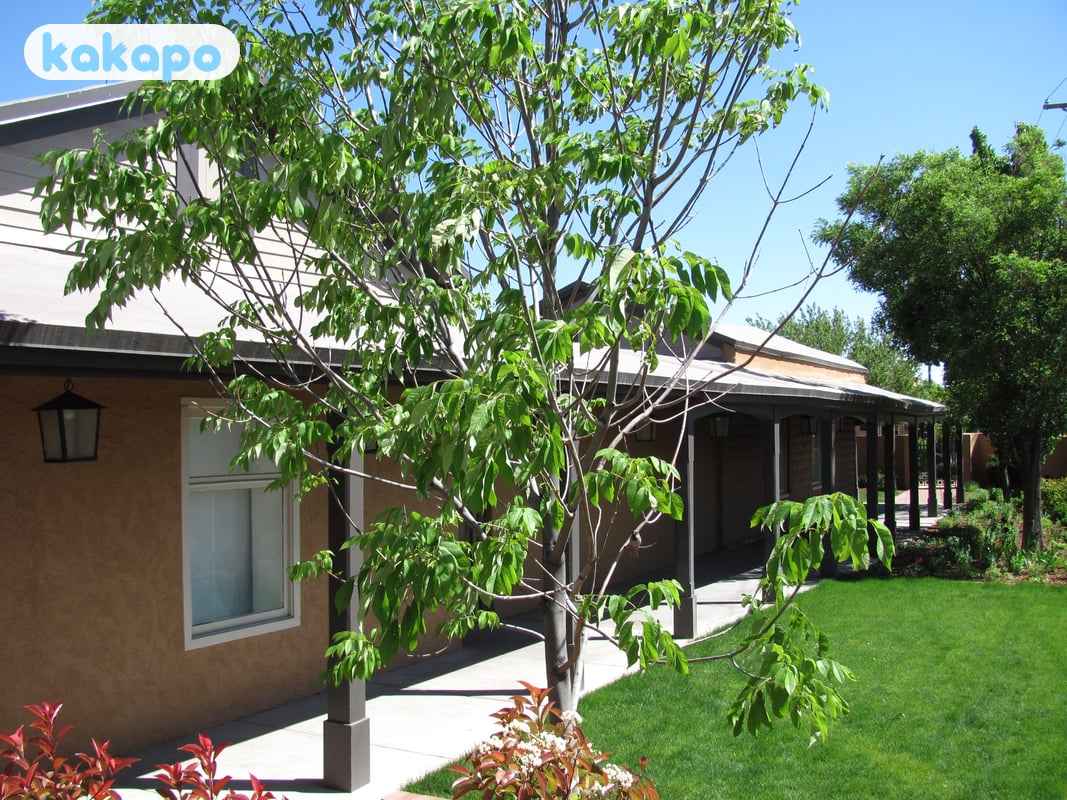
Recommended for visitors: Pelourinho (cultural core, daytime), Barra (lighthouse, urban beach, gentrified), Rio Vermelho (bohemian bar/restaurant district), Itapuã (further out, beach), Stella Maris (further still, beach hotels).
Stay aware: around the Cidade Baixa (lower city) at night (daytime fine for the Mercado Modelo and ferry; night not for casual walking), around the Lapa terminal at night, some peripheral neighbourhoods (Itapagipe, Liberdade outer parts) — not on tourist itineraries.
Don't go casually: outer "comunidades" / favelas. Salvador has some of Brazil's higher-tension favelas.
Property crime — the practical defence
- Phone-snatching: same Brazilian problem as São Paulo and Rio. Don't walk with phone visible in hand on the street.
- Use phones inside shops, restaurants, or stationary against a wall.
- Don't wear flashy jewellery or expensive watches in central Salvador.
- Don't carry the original passport: leave in hotel safe; carry a photocopy.
- If approached: don't resist. Hand over phone/wallet. Insurance + cloud backup beats fighting.
- ATM withdrawal: inside bank branches during business hours only.
Transport — Uber, taxis, the airport
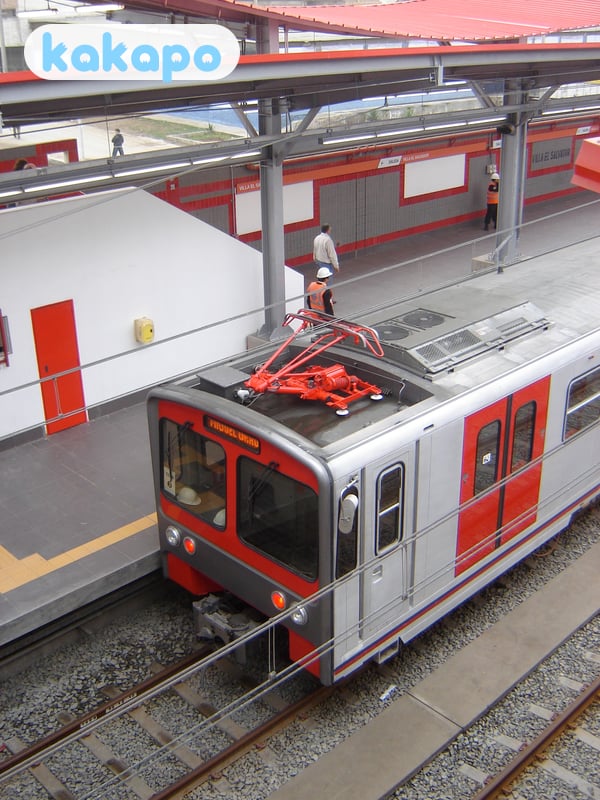
- Uber and 99: both work in Salvador. The default tourist option.
- Salvador Metro: 2 lines, modern, generally safe in the daytime. Limited tourist relevance.
- Buses: extensive but pickpockets present in rush hour.
- Salvador Airport (SSA): 30 km north. Pre-booked transfer R$80-150 ($15-30). Uber R$60-120. Don't use unmarked airport taxis.
- Don't drive yourself: chaotic, risk of carjacking at lights, parking issues.
Money, food, the cost story
- Currency: Brazilian real (BRL).
- Cards: widely accepted.
- Tipping: 10% added automatically as "serviço".
- Cost: cheaper than Rio. Mid-range dinner R$80-200 ($15-40).
- Tap water: technically safe but locals drink filtered/bottled.
- Local food: acarajé (street fritter — try the famous Acarajé da Cira), moqueca (seafood stew), bobó de camarão, dendê (palm-oil) cooking.
Neighbourhood-by-neighbourhood breakdown
- Pelourinho (UNESCO Historic Centre) — the 16th-century Portuguese colonial heart in Cidade Alta. Largo do Pelourinho, Praça da Sé, the Igreja São Francisco (gold-leaf interior, R$10), the Museu Afro-Brasileiro, the Olodum drumming workshops, the Tuesday-night capoeira shows at Forte da Capoeira. Heavily Tourist-Police-patrolled (DEATUR) during the day; the police presence thins after 22:00 and some side streets become quiet. Book a hotel inside the well-trafficked core (Pousada do Boqueirão, Hotel Solar dos Deuses, Casa do Amarelindo).
- Lacerda Elevator + Cidade Baixa — the 1873 Art Deco Lacerda Elevator (R$0.15) drops 72 metres from Cidade Alta to Cidade Baixa, connecting Praça Tomé de Sousa to the Mercado Modelo (handicrafts, R$ negotiations). Daytime fine for the elevator and Mercado Modelo and the ferry terminal; Cidade Baixa at night is not for casual walking.
- Barra — the gentrified beach neighbourhood at the southern tip with the Farol da Barra lighthouse (1698, oldest in the Americas, the iconic Salvador postcard) and the urban Praia do Porto da Barra beach. Boardwalk restaurants, hotels (Hotel Bahia do Sol, the Hotel Vila Galé), Mercado da Barra, late-night bars on Avenida Sete de Setembro. Safer than Pelourinho at night with active police presence.
- Rio Vermelho — the bohemian bar-and-restaurant district. Largo de Santana with the famous Acarajé da Cira (the institution; queue is real); Casa de Yemanjá; live music at the Pelô-style venues. Walks-late friendly with crowds; use Uber/99 back to your hotel rather than walking long distances after midnight.
- Bonfim (Itapagipe peninsula) — the Igreja do Bonfim (1745) is Salvador's spiritual heart, where the syncretic Candomblé-Catholicism produces the famous coloured-ribbon (fitas) tradition. Daytime visit; the "free string bracelet" hustle outside is the textbook scam — they tie a fita on you and demand R$20-50. Firm "não, obrigado" and walking on works.
- Itapuã + Stella Maris — northern beach neighbourhoods 20-30 minutes from Pelourinho. Quieter, family-friendly beaches; Itapuã has the Vinicius de Moraes lagoon and the Farol de Itapuã lighthouse. Stella Maris has the beach resorts (Sofitel, Deville Prime). Use Uber/99 for transfers; don't walk the connecting roads at night.
- Carnaval blocos (Barra-Ondina + Campo Grande circuits) — Salvador's Carnaval (late February / early March) is the world's biggest street party, 2 million people over 6 days. The trios elétricos (giant music trucks) parade through Barra-Ondina (the beach circuit) and Campo Grande (the city circuit). The bloco abadá (R$500-2,000 uniform t-shirt) lets you parade inside the rope-cordoned area with a specific musical group — safer than the open street. Camarote VIP boxes (R$1,500-10,000/night) along the route are calmer.
- Capoeira + axé + reggae — the cultural DNA. Capoeira at Forte da Capoeira and Praça Tereza Batista (free Tuesday/Saturday shows; the "private capoeira show" touts on Pelourinho streets are not the legit version). Axé music (Daniela Mercury, Ivete Sangalo) at festival venues. Reggae at Cana Brava in Pelourinho. The Olodum drumming school in Pelourinho runs Sunday rehearsal-shows (R$30).
- Stay aware — Cidade Baixa at night, the area around the Lapa terminal, the outer comunidades (Itapagipe outer, Liberdade outer, Calabar, Nordeste de Amaralina) — none on tourist itineraries. Salvador's faction-controlled favelas exist but are geographically separate from the tourist envelope; don't go casually. The realistic risk is opportunistic property crime, not narco-violence.
If it's your first time visiting
- Best arrival: Salvador Airport (SSA, Deputado Luís Eduardo Magalhães) is 30km north. Pre-booked hotel transfer R$120-200 (~$25-40); Uber/99 R$60-120; official taxi cooperative R$130-180. Don't use unmarked airport taxis. From the airport, the Linha Vermelha highway gets you to Barra in 30-40 minutes.
- Best neighbourhood for your first night: Pelourinho boutique hotel (Casa do Amarelindo, Hotel Solar dos Deuses, Pousada do Boqueirão; R$400-900/night) if you want walking access to the cultural sites; Barra beach hotel (Hotel Bahia do Sol, Hotel Vila Galé; R$300-600) if you want urban-beach convenience and feel safer; Rio Vermelho boutique (Zank Boutique Hotel; R$500-900) for the bar-and-restaurant scene. Avoid the cheaper Pelourinho pousadas on the outer streets — daytime fine, night-time isolated.
- Use Uber or 99, not street taxis: both apps work well in Salvador. R$10-25 for most CBD-to-Barra hops, R$30-50 to Itapuã, R$60-120 to the airport. Street taxis often quote 2-3x the app fare. Don't drive yourself — chaotic traffic, carjacking risk at lights, parking is a problem.
- Phone discipline is non-negotiable: same Brazilian rule as São Paulo and Rio. Don't walk with phone visible in hand on the street; use it inside shops, restaurants, or stationary against a wall. The phone-snatching is opportunistic and motorbike-driven — phones held up for photos on pavements are the textbook target.
- The "free fita bracelet" hustle: at Igreja do Bonfim and increasingly in Pelourinho, someone ties a coloured-ribbon bracelet on you and demands R$20-50. The coloured fitas themselves are a real Salvador tradition (they're free with three knots and three wishes, sold in shops for R$2 each); the hustle is the tying-on-strangers version. Firm "não, obrigado" and walking on works. Don't give your wrist to anyone you didn't pre-engage.
- Food beyond the Pelourinho tourist menus: acarajé from Acarajé da Cira in Rio Vermelho (R$15-25, the institution since 1968 — queue is real); moqueca de camarão (shrimp-and-dendê stew) at Restaurante Maria Mata Mouro in Pelourinho or Casa de Tereza in Rio Vermelho (R$80-120 for two); bobó de camarão at Casquinha de Siri; the Mercado de São Joaquim for the produce-and-acarajé locals' market. Avoid restaurants directly on Largo do Pelourinho for anything beyond a caipirinha.
- Carnaval planning: Salvador Carnaval (late Feb or early Mar) needs 6-12 months advance booking; hotel rates spike 400-700%. Decide your circuit (Barra-Ondina beach trios vs Campo Grande city trios), buy bloco abadás through official sellers (the Cortejo Afro, Filhos de Gandhy, Olodum, Timbalada blocos are the institutions; abadás R$500-2,000 with full security cordon), or camarote VIP boxes for the calmer R$1,500-10,000/night version. Don't carry valuables; cash + ID + phone in a zipped front pocket only; designated meeting point if you separate from your group.
- Common rookie mistakes: walking with phone in hand on the Pelourinho streets; staying in Cidade Baixa expecting it to be like Cidade Alta (it isn't, after dark); attempting Pelourinho late-night photography solo without an Uber waiting; conflating Salvador with Rio's PCC-vs-CV cross-fire (Salvador's faction landscape is local Bahia-based and tourist neighbourhoods sit outside it); ignoring the modest-dress norm in Bonfim and other religious sites (Candomblé and Catholic ceremonies require shoulders and knees covered).
Practical info — emergency numbers
- Police: 190.
- Ambulance: 192.
- Tourist Police (DEATUR): visible in Pelourinho; +55 71 3322 7155.
- Hospital São Rafael: +55 71 3281 6111.
Bring: anti-theft phone holder, modest visible accessories, a Brazilian eSIM (Vivo, Claro, TIM), a contactless card, USD cash backup, and travel insurance with full medical coverage. Don't walk with phone in hand on the street; don't carry valuables to Pelourinho late at night.
Frequently asked questions
Is Salvador safe to visit in 2026?
Yes with serious discipline, and the honest framing matters: Salvador has higher crime statistics than Rio, São Paulo, or other major Brazilian tourist cities, and the realistic risks are concentrated property crime (phone-snatching, occasional muggings) plus specific district dynamics. US State Department lists Brazil at Level 2 (exercise increased caution) and UK FCDO is similar. Tourist neighbourhoods (Pelourinho daytime, Barra, Rio Vermelho, Itapuã, Stella Maris) are manageable with awareness. The Afro-Brazilian cultural depth — Pelourinho UNESCO district, capoeira, candomblé, the food, Carnaval — is genuinely world-class and worth the adjustments.
Is Salvador safe at night?
Selectively. Barra and Rio Vermelho's restaurant and bar scenes are busy and policed late. Pelourinho is heavily Tourist-Police-patrolled during the day and early evening, but after 10pm the police presence thins and some streets become quiet and rougher — book a hotel inside the well-trafficked Pelourinho core (Largo do Pelourinho, Praça da Sé) and walk in groups for Tuesday capoeira nights. Cidade Baixa (lower city) and the area around the Lapa terminal are best avoided after dark. Always use Uber or 99 rather than walking long distances at night.
Is Salvador safe for solo female travellers?
Doable with Brazil-wide discipline and Salvador-specific extras. Phone-snatching targets pedestrians equally regardless of gender — don't walk with phone in hand on the street. Catcalling on the Pelourinho streets and beaches is constant but rarely escalates. Use Uber or 99 for transfers. Don't carry valuables to Pelourinho at night; leave passport in hotel safe and carry a photocopy. Drink-spiking has been reported in some Pelourinho and Rio Vermelho bars — watch your drink. Tourist Police (DEATUR) are visible in Pelourinho during the day.
Can you drink tap water in Salvador?
Technically yes — treated to drinking standards — but most residents and visitors drink filtered or bottled because of taste and old building plumbing. Bottled water is cheap and ubiquitous. Restaurants serve filtered by default. Avoid ice in non-tourist-grade venues and street fresh juice unless the source is obvious. The famous acarajé street fritter stands (try Acarajé da Cira) have high turnover and are generally safe; cheap moqueca elsewhere is more variable.
What's the biggest scam to avoid in Salvador?
Honestly, the bigger threat than scams is the motorbike phone-snatching and Pelourinho-after-dark mugging risk — discipline on those matters more. Among actual scams: the 'free string bracelet' hustle at Igreja do Bonfim (someone ties a coloured ribbon on your wrist and demands R$20-50; firm 'não, obrigado' and walking on works); inflated Pelourinho restaurant tourist-menu pricing one block off the main squares (walk inland for honest prices); unmarked airport taxis at SSA (use the official taxi desk or Uber/99); and ATM skimming at street machines (use only bank-branch ATMs in daylight). Don't engage with 'private capoeira show' touts in the street — the legit shows happen at Forte da Capoeira and Praça Tereza Batista.
Is Salvador Carnaval safe to attend?
Yes with the right ticket setup, and it's the world's biggest street party (2 million people over 6 days, late February or early March). Crowd density is the actual safety story — pickpockets are significantly elevated, heat exhaustion is real (30°C plus 8 hours of dancing), and the open-street parade circuits in Barra-Ondina and Campo Grande are intense. The practical solutions: buy a 'bloco' abadá (the uniform t-shirt that lets you parade inside the rope-cordoned area with a specific musical group, generally safer than the open street, R$500-2,000), or splurge on a 'camarote' VIP box along the route (R$1,500-10,000/night). Carry only cash, ID, and phone in a zipped front pocket. Book hotels 6-12 months ahead because rates spike 400-700%. Hydrate, sunscreen, comfortable shoes, and have a designated meeting point in case your group separates.
Sources
Run a business in Salvador?
Show visitors your Salvador business is a safe choice. The free Verified by Kakapo badge puts Salvador's live safety score on your website, links back to your verified page, and updates itself. No cost.
Get the free badge →