What happened
The youth-led protest movement that has gripped New Delhi over the past month, widely known as the "Cockroach" movement, has spread to Mumbai. On Wednesday, 22 July, demonstrations took place in Mumbai alongside the larger sit-ins in the capital, as the campaign broadened from a Delhi-centered protest into a national one.
The movement began in May 2026 as an online satire campaign over alleged leaks in some of India's most competitive entrance examinations, including medical-college and government-job exams, and grew into sustained street protests through June and July. Its core demands are the resignation of Education Minister Dharmendra Pradhan, reform of the examination system, and compensation for the families of students who died by suicide after exam paper leaks. The campaign has drawn enormous online support and, as it matured, pulled in not just students but professionals and families, testing Prime Minister Narendra Modi's government.
In New Delhi the protests have been met with tear gas, baton charges, and the temporary suspension of metro service at 16 central stations. In Mumbai the demonstrations have so far been smaller in scale than the capital's, taking the form of marches and sit-ins at civic gathering points, but the situation is fluid and larger gatherings are possible as the movement continues.
Why it matters for travelers
For visitors to Mumbai, the practical concern is disruption and crowds rather than personal danger. India's protest tradition is generally to gather at recognized rally points and civic squares, and the Cockroach demonstrations have overwhelmingly been about political accountability, not about foreigners or tourists. There is no indication that travelers are a target. The realistic risks are the ordinary ones that come with any large gathering: dense crowds, a heavy police presence, sudden road closures, and the small chance of a peaceful protest becoming tense if authorities move to disperse it.
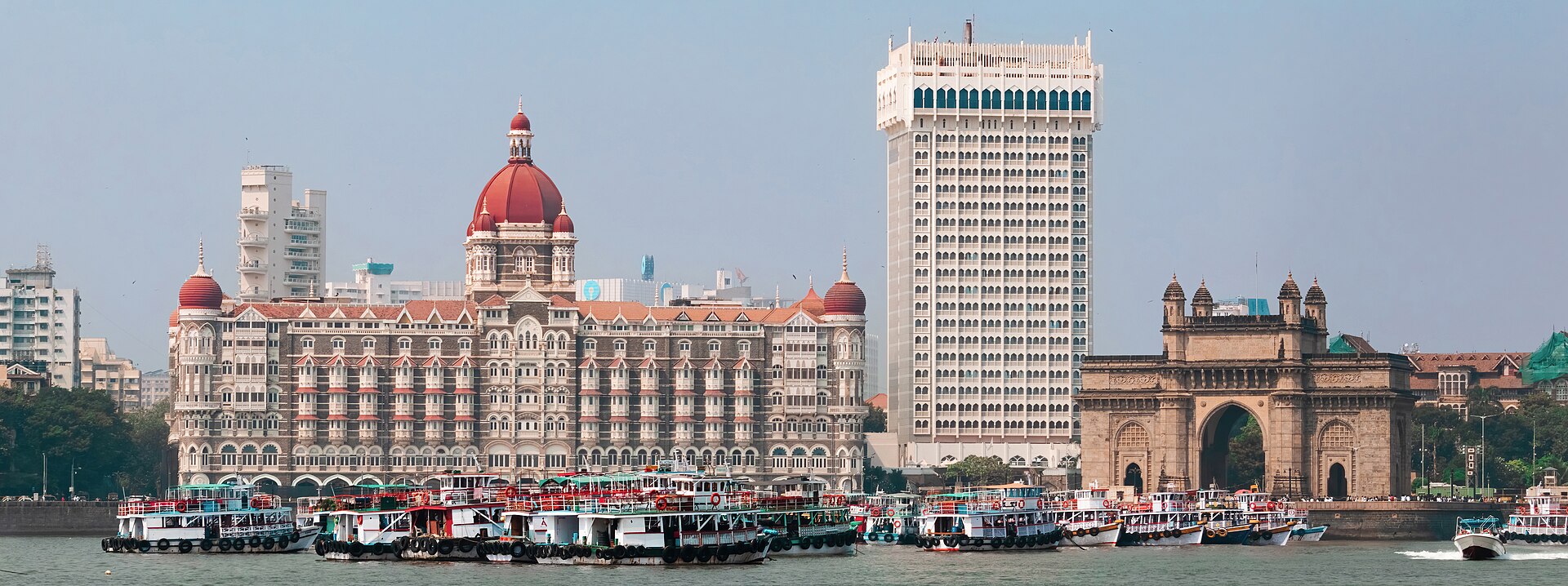
Mumbai is enormous and spread out, and a protest in one district has limited bearing on the rest of the city. The areas travelers frequent, the Gateway of India and Colaba, the markets and cafes of Bandra, the beaches, and the business districts, are generally well away from where political rallies concentrate. The most likely way a visitor would be affected is indirectly, through traffic. Mumbai's road network is already among the most congested in the world, and any march or gathering that closes a major artery or draws police diversions can back up traffic across a wide area during rush hour, lengthening journeys and complicating airport transfers.
Because the movement is national and still building, it is sensible to assume the scale of gatherings in Mumbai could grow rather than shrink over the coming days. That does not make the city unsafe to visit, but it does make it worth staying informed and building some flexibility into your plans, especially around transport timing.
What to do
Stay aware of where demonstrations are being called and give those areas a wide berth. Follow local news and, if you use social media, be aware that rally points and timings are often announced there first. If you learn that a march or sit-in is planned near your hotel or a place you intend to visit, simply reschedule that part of your day or choose an alternate route. Protests in Indian cities are usually announced in advance and concentrated at known locations, which makes them straightforward to plan around.
Build extra time into any journey that crosses the city, and treat airport transfers with particular care. Mumbai traffic can turn a routine trip into a multi-hour ordeal when a major road is closed, so leave early, keep the driver informed, and consider the suburban rail network or the metro for longer crossings when roads are gridlocked, while checking that your specific line is running normally. Keep your phone charged and have your accommodation's address and a couple of alternate routes noted.
If you come upon a demonstration, do not linger to watch or photograph it. Crowds can compress quickly and the safest place is away from the edges of any police action. Move calmly in the opposite direction and continue with your day. Carry identification, as police presence and checkpoints increase around gathering points, and stay polite and unhurried at any checkpoint. Register with or monitor your embassy's travel updates if you want an added layer of awareness, and avoid engaging with or commenting on the protests, as this is a domestic political matter.
For travelers weighing whether to go ahead with a Mumbai trip, the answer for now is that these events are a reason to plan carefully, not to cancel. The demonstrations are political, largely peaceful, and geographically contained, and the vast majority of the city continues to run normally. The main adjustments are practical: avoid rally areas, pad your travel times, and keep an eye on the news.
Mumbai's overall safety picture
Mumbai generally rates as one of India's safer big cities for visitors, with the everyday concerns being petty theft, pickpocketing in crowds and on packed trains, traffic risk, and the usual caution needed after dark rather than violent crime directed at tourists. The current protests are a temporary overlay on that baseline. They reflect a genuine national political moment, and they are worth understanding and planning around, but they have not changed the underlying fundamentals of visiting the city. Once the movement's momentum settles, the day-to-day guidance for Mumbai will be what it was before: guard your belongings in crowds and on public transport, use reputable taxis or ride-hailing, agree fares in advance where meters are not used, and stay aware of your surroundings, especially around large gatherings and late at night.
Cited sources
Reporting from the outlets below.
-
1
France 24 India's 'Cockroach' movement spreads to Mumbai after violence in New Delhi (France 24)
-
2
Clickondetroit India protest movement holds capital sit-in as police crack down on demonstrators (AP)
-
3
Cnbc Gen Z protests led by India's 'Cockroach party' are testing Modi's leadership (CNBC)
-
4
Time What Is the Youth-Led 'Cockroach Movement' Staging Protests Across India (TIME)
Frequently asked questions
Is Mumbai safe to travel to right now?
India's youth-led protest movement over exam paper leaks has spread from New Delhi to Mumbai, with demonstrations and sit-ins in the city. The gatherings are peaceful for the most part and localized to protest grounds and civic areas, but they can bring crowds, police presence, and traffic disruption. See Kakapo's live Mumbai safety report for the up-to-date composite score, neighbourhood-by-neighbourhood breakdown, and per-source advisories from US State Dept, UK FCDO, Canadian government, and Australian Smartraveller.
What happened in Mumbai?
Mumbai sees 'Cockroach' movement protests spread from Delhi: a traveler's guide. India's youth-led protest movement over exam paper leaks has spread from New Delhi to Mumbai, with demonstrations and sit-ins in the city. The gatherings are peaceful for the most part and localized to protest grounds and civic areas, but they can bring crowds, police presence, and traffic disruption. This is a incident based on reporting from major travel-news outlets — see the cited sources below for the original coverage.
Should I cancel my trip to Mumbai?
Most travel-safety events do not require cancelling a planned trip. Read the "What it means for travelers" section above for the specific guidance, check the live Mumbai safety report for the current overall score, and consult your travel insurance for cancellation eligibility. Kakapo updates the Mumbai safety profile as new advisories land.
Where can I find more travel safety news?
Kakapo publishes new travel-safety updates as events develop, sourced from BBC, Reuters, the Guardian, Al Jazeera, Deutsche Welle, France 24, US State Dept, and UK FCDO. Visit the live travel-news feed at kakapo.travel/travel-news for the latest.