


Is Liverpool, United Kingdom Safe? A 2026 Travel Safety Guide
Liverpool is comfortably safe. The honest concerns: matchday awareness around Anfield and Goodison, late-night Concert Square, Albert Dock weather, and stag-party Saturdays.

Liverpool is a comfortably safe major UK city. Crime against tourists is low; the city's reputation lags its modern reality. The realistic concerns are concentrated: matchday awareness around Anfield and Goodison Park (the two stadiums sit in residential neighbourhoods, not in the city centre), late-night Concert Square + Mathew Street can get rowdy with stag/hen weekends, Albert Dock's slick stone in winter weather, and the Atlantic-prone weather.
The UK sits at Level 2 on the US State Department's advisory ("exercise increased caution due to terrorism") — generic UK-level. UK FCDO carries no specific Liverpool warning. The honest framing: Liverpool is small enough to walk in a day and has a friendly, distinctive Scouse character. The famous post-1980s gritty reputation is genuinely outdated; the centre and waterfront are well-maintained, well-policed, and visitor-comfortable.
The defining experiences: Albert Dock and the Liverpool Waterfront UNESCO area (now removed from list but still the photo highlight), Tate Liverpool, Liverpool Cathedral + Metropolitan Cathedral, the Beatles trail (Mathew Street + Penny Lane + Strawberry Field + Magical Mystery Tour bus), and the football pilgrimages.
Liverpool's tourism has evolved sharply since 2008's European Capital of Culture year and the regeneration of the waterfront. The post-2020 picture: the 1.5 km expanded Anfield (61,000 capacity post-2024 main-stand work), Everton's new Bramley-Moore Dock stadium opens from the 2025-26 close of Goodison Park (a generational shift in the city's matchday geography), the Liverpool Waterfront was de-listed from UNESCO in 2021 over the Bramley-Moore development but the buildings themselves are unchanged, and the Baltic Triangle has emerged as the genuine alternative-cultural quarter for visitors who want quieter food and design over Concert Square stag-noise.
One small note worth flagging because international visitors get it wrong: the famous "Beatles" tourism is genuine but operates at two completely different price-points. The Cavern Club itself (Mathew Street, £8 entry days, free some evenings) is the working music venue; the National Trust tour of Lennon's and McCartney's childhood homes (Mendips and 20 Forthlin Road, £30 minibus-only) is the prestige version; the £22.95 Magical Mystery Tour bus is the practical middle. The Beatles-tribute pubs on Mathew Street that look identical to the Cavern are lookalikes — fine for a pint, not the historic venue.
| Night safety | 66/100 |
|---|---|
| Scam / petty-crime risk | Medium |
| Violent crime (tourists) | Low |
| Most common scams | counterfeit tickets near Anfield and Goodison Park; lookalike Beatles tribute pubs on Mathew Street; drink-spiking in larger anonymous bars |
| Safer neighbourhoods | Albert Dock, Baltic Triangle, Ropewalks |
| Data sources cited | 4 |
| Last verified |
What the score means — 83/100
- Healthcare (86) — Royal Liverpool University Hospital is the major facility.
- Transport (84) — Merseyrail underground + buses + ferries.
- Air quality (82) — improving; the docks side and the Mersey tunnels push NO₂.
- Personal safety (78) — moderate-high. Late-night Concert Square + matchday areas are the visible concerns.
Anfield and Goodison — matchday awareness
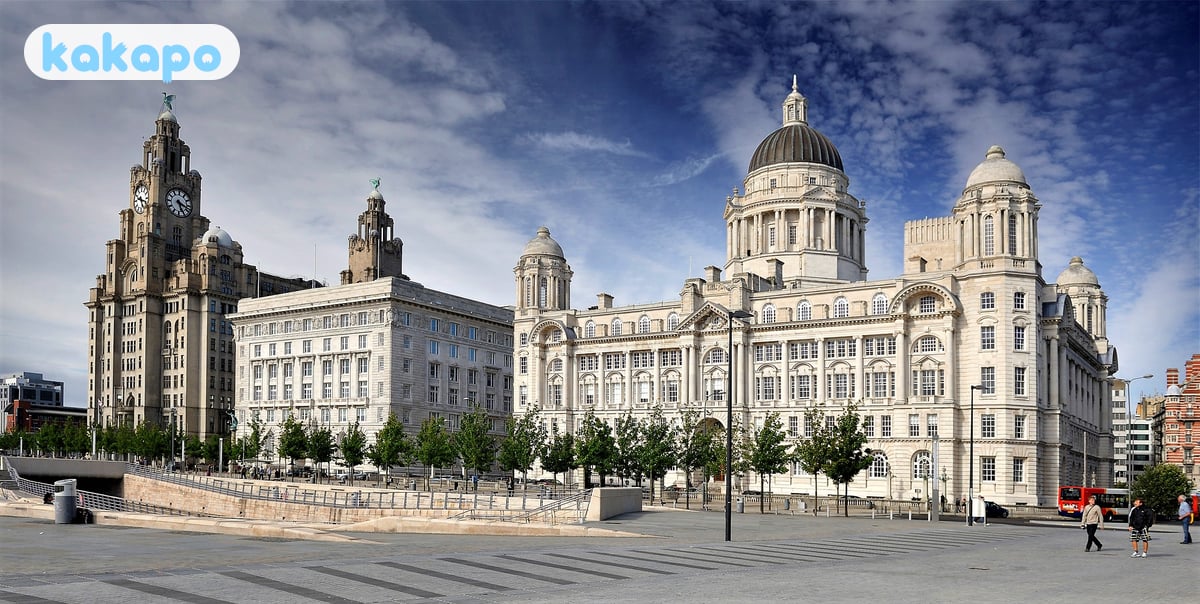
- Anfield (Liverpool FC): 61,000 capacity (post-2024 expansion). 5 km from city centre, in Anfield district. Match days dominate the area.
- Goodison (Everton FC) → Bramley-Moore Dock (from 2026): Everton's new stadium is at Bramley-Moore Dock, 1.5 km north of the centre. Goodison closes after 2025-26 season.
- The Merseyside derby: police-managed segregation. Tourists never targeted but stay out of designated rival-fan zones.
- Counterfeit tickets: heavy in the streets near grounds. Buy from official channels only.
- Stadium tours: Anfield £25, Goodison/Bramley-Moore varies.
- Bolt/Uber after match: surge sharply 90 min after final whistle. Walk to County Road or Sheil Road first.
- Anfield neighbourhood: residential, working-class. Daytime fine; late evening on non-match days quieter and unremarkable.
- Wear neutral colours: avoid the rival club's red/blue in the wrong neighbourhood matchday.
Concert Square, Mathew Street — the late-night scene
- Concert Square: the open-air drinking square, the heart of Liverpool's stag/hen weekend scene.
- Mathew Street: where The Cavern Club is. Beatles-themed bars + tourists + drinkers.
- What you'll see: groups in costume, occasional pavement vomit, occasional late-night scuffles around 2-3am closing.
- Most is noisy not violent: heavy police presence on weekend nights.
- Drink-spiking: a UK-wide concern. Watch your drink, particularly in larger anonymous bars.
- If you want a quieter night: the Baltic Triangle (south of the centre) and the Georgian Quarter (around Hope Street) are calmer with strong food.
- Solo women: comfortable in well-trafficked streets; less in side streets after 2am.
Albert Dock, the waterfront, the weather
- Albert Dock: red-brick dock buildings; Tate Liverpool, Beatles Story, Maritime Museum, Slavery Museum.
- The Tate is free; Beatles Story £19; Maritime Museum free.
- Slick stone: the dock paving is granite — properly slippery in rain. Sturdy shoes.
- Pier Head: the Three Graces (Liver, Cunard, Port of Liverpool buildings). Walk-by photo spot.
- Mersey Ferry: the "ferry across the Mersey" cruise £12.50. Real working ferry to Birkenhead also runs.
- Winter winds: the open dock area gets windy; Atlantic gales blow through.
- Don't lean over dock edges for selfies: cold water + steep sides.
Beatles trail — what's worth doing
- Magical Mystery Tour bus: 2-hour bus tour of Beatles sites (Penny Lane, Strawberry Field, childhood homes). £22.95. Worth it.
- Cavern Club: still functioning as a music venue; £8 entry days, free some evenings.
- National Trust homes: John Lennon's "Mendips" and Paul McCartney's "20 Forthlin Road" — only via NT minibus tour, £30.
- Strawberry Field: visitor centre opened 2019, £14.95.
- Mathew Street souvenir density: heavy + tacky. Skip the lookalike Beatles tribute pubs in favour of the Cavern itself.
- The taxi-driver tour: Liverpool black cabs offering Beatles tours from £20/person — quality varies, ask reviews.
Weather, the docks wind

- Rain: ~140 days/year, ~870 mm. Wet but not the wettest English city.
- Temperature: 3-8°C winter, 17-21°C summer.
- Wind: Atlantic systems hit; Pier Head gets blasted in winter storms.
- Best months: May-September.
- UK Met Office storm warnings: take orange/red warnings seriously, especially for Mersey-side travel.
- Bring: waterproof shell with hood, layered clothes, sturdy waterproof shoes.
Merseyrail, ferries, the airports
- Merseyrail: underground commuter rail. Tap-on contactless from 2024. Cheap and fast.
- Buses: Arriva + Stagecoach. £2 single capped (UK-wide cap).
- Liverpool John Lennon Airport (LPL): 13 km east. Bus 80A/86A to centre £3, ~30 min.
- Manchester Airport (MAN): 60 km, train via Liverpool Lime Street ~1h30m, more international routes.
- Trains: Avanti West Coast Liverpool Lime Street ↔ London Euston 2h10m. Manchester 50 min.
- Driving: city centre Mersey tunnels charge £2-3 in each direction (M6 tag or pay online).
- Pickpockets at Lime Street station: low; ordinary precautions.
Neighbourhood-by-neighbourhood breakdown
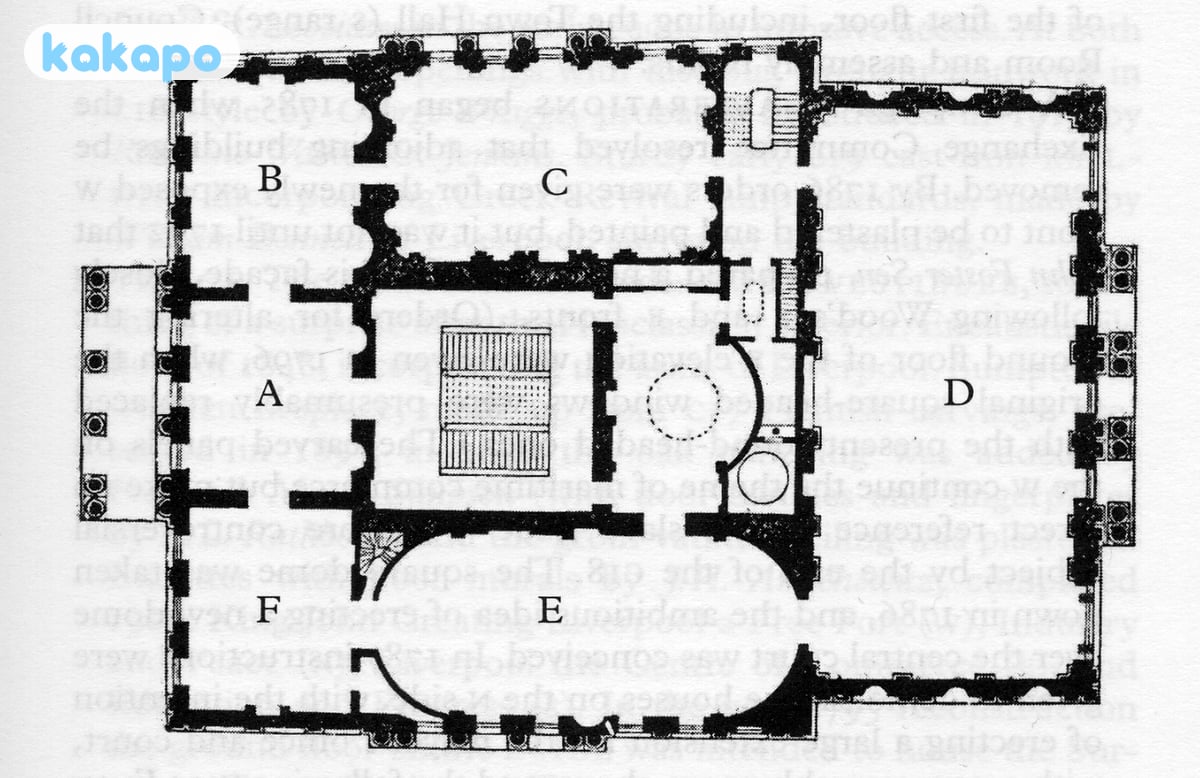
- Albert Dock + Waterfront — the photogenic red-brick dockyard converted in the 1980s. Tate Liverpool (free), The Beatles Story (£19), the Maritime Museum and International Slavery Museum (free), the Pier Head Three Graces (Royal Liver, Cunard, Port of Liverpool buildings). Granite paving slick when wet; the open dock area gets Atlantic wind-blast in winter. Walking the dock at night is well-lit and safe.
- Ropewalks + Bold Street — the bohemian-design district south-east of the centre. Bold Street is the independent-restaurant strip (Mowgli, Maray, Sk - Steak Etc.), with Duke Street and Slater Street the design-shop arteries. Calm by day, busier in evenings, the practical alternative to Concert Square for visitors wanting better food.
- Baltic Triangle — south of Ropewalks, the post-industrial creative quarter. Cains Brewery Village, Camp & Furnace events space, Baltic Market food hall, breweries (Black Lodge, Love Lane). The genuine cultural quarter for visitors over 25.
- Concert Square + Cavern Quarter (Mathew Street) — the famous stag/hen weekend strip. Concert Square is the open-air drinking yard; Mathew Street has the Cavern Club, the Beatles Statue, and a dense block of Beatles-themed bars (most are lookalikes, not the original Cavern). Heavy police on weekends; noisy more than violent.
- Georgian Quarter (Hope Street) — between the two cathedrals (Anglican Liverpool Cathedral and the Catholic "Paddy's Wigwam" Metropolitan Cathedral). The Philharmonic Hall, the Everyman Theatre, restored Georgian terraces, restaurants. Calmer, more grown-up than the centre.
- Anfield (Liverpool FC, 5 km from centre) — 61,000 capacity post-2024 expansion. The stadium tour is £25, museum included. Residential working-class neighbourhood; daytime fine, matchdays dominate the area. The Boot Room Sports Café next to the stadium.
- Goodison Park / Bramley-Moore Dock (Everton FC) — Goodison closes after the 2025-26 season. Everton's new stadium at Bramley-Moore Dock opens from 2026, 1.5 km north of the centre on the waterfront. Goodison is in the Walton residential neighbourhood; Bramley-Moore is alongside the docks.
- The Merseyside derby — police-managed segregation, tourists never targeted but stay out of designated rival-fan zones. Wear neutral colours on matchday; avoid the rival club's red/blue in the wrong neighbourhood.
- Cavern Quarter Beatles trail — Mathew Street (Cavern Club £8 entry days, free some evenings), Penny Lane (15 min south by bus 86 — the suburban street; the barber shop and shelter are still there), Strawberry Field (visitor centre £14.95), and Mendips (John Lennon's childhood home) + 20 Forthlin Road (Paul McCartney's) on the National Trust £30 minibus tour only.
- Magical Mystery Tour — 2-hour Beatles bus tour (£22.95) of Penny Lane, Strawberry Field, the childhood homes from the road, and the Cavern. The practical middle-ground for time-pressed visitors.
- Mersey Ferry to Birkenhead — £12.50 "ferry across the Mersey" cruise (50 min, the song's route) or £3.50 working commuter ferry to Birkenhead and back. Sails from Pier Head every 30 min.
- Speke Hall — National Trust Tudor mansion 13 km south near Liverpool John Lennon Airport. Half-day workable as airport-stop. £14 entry, the half-timbered "magpie" façade is one of England's better Elizabethan survivals.
- Sefton Park + Aigburth — the Victorian park 4 km south of the centre with the iconic Palm House (free), boating lake, summer-festival site. Residential Aigburth around it is comfortable for longer stays.
If it's your first time visiting
- Best arrival: Avanti West Coast train from London Euston to Liverpool Lime Street is the right answer for most visitors — 2h10m direct, £30-90 advance (book 6+ weeks ahead via Trainline or LNER for the cheapest), every 30 min. From Manchester it's 50 min on the Northern line, £15 walk-up. From Heathrow change at Euston via the Elizabeth Line.
- Liverpool John Lennon Airport (LPL): 13 km east, primarily European budget routes (Ryanair, easyJet). Bus 80A or 86A is £3 to centre (~30 min). Manchester Airport (MAN, 60 km east) has more international routes — train to Lime Street via Manchester Piccadilly is 1h30m, £12-25.
- Best neighbourhood for your first night: Albert Dock or Ropewalks for waterfront + centre walkability (Titanic Hotel, Pullman, Hope Street Hotel — £100-220/night), Georgian Quarter for quieter Hope Street atmosphere (Hope Street Hotel £140-250), Baltic Triangle for the alternative-creative vibe. Avoid budget chains around Lime Street if you're noise-sensitive — the station-adjacent blocks are loud.
- Pre-book Anfield and stadium tours: £25 Anfield Stadium Tour, museum included, sells out matchdays — book at liverpoolfc.com. Goodison Park tour £15 — closes summer 2026 when Bramley-Moore Dock opens. The £30 National Trust Beatles Childhood Homes minibus also pre-books months out in summer.
- Public transport: Merseyrail underground commuter rail (contactless tap-on since 2024, £2 cap), Arriva buses (£2 single capped under the UK fare cap). Cheap and effective. From Lime Street to Anfield: bus 26 or 27 (£2, 25 min) or rideshare £8-12.
- Food beyond Scouse: Mowgli (Indian-British small-plates on Bold Street, £20-30/head, the local institution), Maray (Middle Eastern small-plates Bold Street/Albert Dock, £25-40), Roski (Michelin-starred Rodney Street, £85+ tasting), The Art School (Sugnall Street, £45-65), Wreckfish (Slater Street, £25-35). Beatles-tribute pubs along Mathew Street are fine for a pint but the food is forgettable.
- Matchday tickets: only via official channels (liverpoolfc.com, evertonfc.com) — counterfeit tickets bought on the streets near grounds are essentially all fake at modern mobile-entry gates. Hospitality packages (£200-600) are the only practical way to get a same-week ticket for Liverpool home games.
- Day-trip planning: Chester (45 min train, Roman city walls, half-timbered Rows shopping), Manchester (50 min train, MediaCityUK, the Northern Quarter), North Wales coast (Llandudno 2h train, the Conwy Castle), the Wirral and Port Sunlight (model village by Lever Bros, 30 min via the Mersey ferry or train).
- Weather and wind: Atlantic gales hit hardest October-March; the open dock area gets the worst of it. Hooded waterproof shell, layered clothes, sturdy waterproof shoes. UK Met Office storm warnings — take orange/red seriously, especially for Mersey-side travel and ferry sailings.
- Common rookie mistakes: buying counterfeit football tickets from touts outside Anfield (£200+ for fake mobile-entry tickets, gates reject them); booking a hotel "near the stadium" assuming walking distance to the centre (Anfield is 5 km and the post-match Uber surge is real); confusing the Cavern Club with the dozen Beatles-tribute pubs on Mathew Street; under-dressing for winter dock-side wind (the Three Graces walk is properly cold in January); driving into central Liverpool without checking the Mersey Tunnels charge (£2-3 each way, T-Tag or pay online); booking the Magical Mystery Tour bus separately from the Cavern Club entrance when bundle tickets exist.
Practical info — emergency numbers
- Emergency: 999 (or 112).
- Police non-emergency: 101.
- NHS non-emergency: 111.
- Royal Liverpool University Hospital A&E: 0151 706 2000.
Bring: a hooded waterproof shell, sturdy shoes with grip, layered clothes, a contactless card, an unlocked phone (Three, EE, O2, Vodafone UK prepaid), and travel insurance with NHS + private cover.
Frequently asked questions
Is Liverpool safe to visit in 2026?
Yes — Liverpool is a comfortably safe major UK city and its post-1980s gritty reputation is genuinely outdated. The UK sits at Level 2 on the US State Department advisory (generic UK-level for terrorism) and UK FCDO carries no specific Liverpool warning. Crime against tourists is low. The realistic concerns are matchday awareness around Anfield and Goodison, late-night Concert Square and Mathew Street rowdiness, Albert Dock slip risk in winter, and Atlantic-prone weather.
Is Liverpool safe at night?
Yes in the centre and waterfront. Concert Square and Mathew Street get rowdy on weekend nights with stag and hen groups, occasional pavement vomit, and the odd 2-3am scuffle around closing — but heavy police presence makes it noisy rather than violent. Drink-spiking is a UK-wide concern; watch your drink in larger anonymous bars. For a quieter night the Baltic Triangle and the Georgian Quarter around Hope Street are calmer with strong food.
Is Liverpool safe for solo female travellers?
Yes — comfortable in well-trafficked streets day or night. Standard UK precautions apply in side streets after 2am and around the busiest stag-and-hen weekend crowds in Concert Square. Merseyrail and buses run late and feel safe; both have visible staff and CCTV. Drink-spiking is a UK-wide concern — don't leave drinks unattended in larger anonymous bars and use established rideshares (Bolt and Uber both operate) for the trip back.
Can you drink tap water in Liverpool?
Yes — UK tap water is among the safest in the world, drinkable and free on request at every restaurant. Liverpool's water comes largely from Lake Vyrnwy in Wales and is generally regarded as some of the softer, better-tasting tap water in England. A refillable bottle is the norm.
What's the biggest scam to avoid in Liverpool?
There isn't a meaningful scam culture but the recurring traps are counterfeit football tickets sold on the streets near Anfield and Goodison (buy from official club channels only), unlicensed taxis touting outside Lime Street and Concert Square at closing (use the licensed rank or Bolt and Uber), dynamic currency conversion at card terminals (always pay in GBP), and tourist-priced Beatles taxi tours of variable quality — check reviews before booking.
How does matchday work at Anfield and Goodison?
Both stadiums sit in residential neighbourhoods 1.5-5 km from the city centre, not in the centre itself. Anfield is 61,000 capacity post-2024 expansion; Everton's new stadium at Bramley-Moore Dock opens from 2026 with Goodison closing after the 2025-26 season. The Merseyside derby is police-managed and segregated; tourists are never targeted but stay out of designated rival-fan zones, wear neutral colours, and avoid the rival club's red or blue in the wrong matchday neighbourhood. Bolt and Uber surge sharply 90 minutes after the final whistle — walk to County Road or Sheil Road first.
Sources
Run a business in Liverpool?
Show visitors your Liverpool business is a safe choice. The free Verified by Kakapo badge puts Liverpool's live safety score on your website, links back to your verified page, and updates itself. No cost.
Get the free badge →