


Is Funchal (Madeira), Portugal Safe? A 2026 Travel Safety Guide
Funchal is one of Europe's safest cities. The honest concerns: the Monte cable car + toboggan, cruise-ship crowds, the Funchal airport landing, and the calçada slip risk.

Funchal is one of Europe's safer capitals by ordinary-crime measures. Crime against tourists is mild; pickpocketing is rarer than mainland Portugal. The realistic concerns are particular to the destination: the Monte cable car + the famous Carros de Cesto wicker-toboggan ride down (with very minimal restraints), cruise-ship-day crowds (Funchal is a major Atlantic cruise stop), the Funchal airport (FNC) landing reputation (the runway is built partly on stilts above the sea + crosswinds produce dramatic approaches), and the calçada portuguesa polished-pebble paving that slips badly in rain.
Portugal sits at Level 1 on the US State Department's advisory list. UK FCDO carries no specific warning. The honest framing for visitors: Funchal is mid-sized (~110,000 in city, 250,000 metro), the capital of Madeira (a Portuguese autonomous region 1,000 km off Morocco). Year-round mild weather + fortified-wine + cliff scenery + low crime make it a popular winter-sun destination especially for older British + German visitors. Most "Madeira" content covers the levada walks across the island; this guide covers Funchal city specifically.
The defining experiences: Monte cable car + toboggan, Mercado dos Lavradores, Funchal Cathedral, the seafront promenade + Praça do Município, Madeira Wine Lodge tour, the Botanical Garden, and the Old Town (Zona Velha) Friday-night-art-doors district.
This guide focuses on Funchal the city — the capital, harbour, museum-and-restaurant centre, and the standard 3-7 night-base from which most visitors day-trip to the rest of Madeira island. If you came searching for the wider island (levada walks, Pico Ruivo, Porto Moniz natural pools, the north-coast villages, Cabo Girão), see our companion Madeira island guide which covers the levadas, the mountain roads, the August 2024 wildfire context and the Atlantic ocean swell at exposed beaches. There is meaningful overlap because Funchal is the city and Madeira is the island that contains it — twin guides for the same destination, with this one giving more space to urban Funchal specifics (calçada pavement, Zona Velha nightlife, Monte cable car, cruise-ship schedule, airport landing reputation) and the other to outdoor and island-wide content.
Funchal sits in a steep amphitheatre that climbs from sea level to the 555 m Monte village in under 4 km. The city has a Mediterranean climate moderated by the Atlantic — winter 16-19°C daytime, summer 23-26°C, sea temperature 19-23°C year-round — which makes it Europe's best winter-sun destination at this latitude (32°N, same as Casablanca). The cruise-ship economy is real — APRAM (the port authority) handles 300+ calls/year — and the visitor experience can flip from quiet small city to 8,000-extra-people compression on a single morning depending on the ship schedule.
| Night safety | 84/100 |
|---|---|
| Scam / petty-crime risk | Low |
| Violent crime (tourists) | Low |
| Most common scams | cruise-ship-day crowds in Old Town; slippery calçada portuguesa paving in rain; Monte cable car + toboggan ride safety concerns |
| Safer neighbourhoods | Zona Velha, Monte |
| Data sources cited | 4 |
| Last verified |
What the score means — 87/100
- Personal safety (92) — exceptionally high.
- Air quality (92) — Atlantic; very high.
- Healthcare (86) — Hospital Dr. Nélio Mendonça is the regional reference; complex care occasionally referred to Lisbon.
- Transport (84) — Horários do Funchal buses + cable car + taxis; small + walkable centre.
Monte cable car + the wicker toboggan
- The cable car (Teleférico do Funchal): from Old Town up to Monte; €18 round trip, 15 min. Smooth + safe.
- Monte village: 555 m altitude; church + Botanical Garden via second cable car (€12).
- The carros de cesto (toboggan): wicker basket sled, two white-suited "carreiros" pushing/braking, 2 km descent on public road. €30 for 1, €37.50 for 2, €56 for 3.
- The reality: it's a real road with real cars + a real downhill on rubber-soled shoes for brakes. Speeds reach 30+ km/h. Several minor accidents per year; no fatalities recorded.
- Don't: lean out, photograph the carreiros mid-run, take small children alone (3 passengers max + age 7+ recommended).
- Tipping: €5-€10 to the carreiros standard.
- What's not the toboggan: walking down from Monte (3 km, knees-bad) or taking bus 21/22 back.
Cruise-ship days — the schedule matters
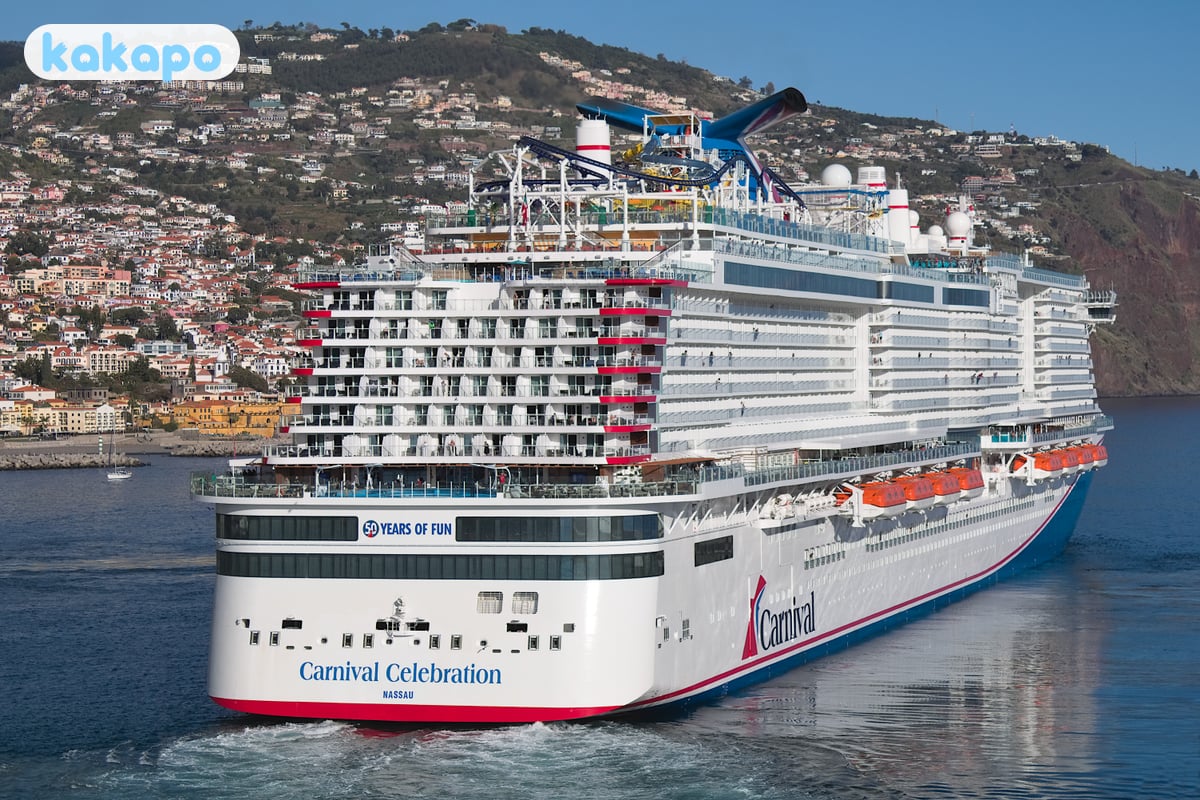
- The reality: Funchal port handles ~300+ cruise calls/year. Big-ship days bring 5,000-12,000 extra visitors.
- The pattern: ships dock 7-9am; visitors flood Old Town + cable car 9am-3pm; ships sail 5-6pm.
- Check the schedule: APRAM (port authority) publishes daily ship arrivals.
- What to do: visit cable car early (9am opening) or after 4pm. Lunch in Old Town only on no-ship days.
- Pickpockets: low base rate; minor uptick on cruise days.
- Restaurant pricing: harbour-front higher; Rua de Santa Maria + Rua da Carreira better-priced.
Funchal Airport (FNC) — the landing reputation
- The reputation: Cristiano Ronaldo Airport's runway is partly built on 180 concrete stilts over the sea; crosswinds + the surrounding mountains produce dramatic approaches.
- The reality: pilots flying FNC require special certification. Cancellations + diversions happen on stormy days, mostly Nov-March. Once the plane lands, it's a normal airport.
- Diversions: typically to Porto Santo (small island 50 km away) or back to Lisbon. Add slack for return flights in stormy weeks.
- Travel insurance: confirm cover for weather-related diversions.
- From airport to centre: Aerobus 21 + 23 €5 (~25 min); taxi €25; rental car right at airport.
- Don't sit on right side of plane on landing if you're a nervous flyer: the wing-over-cliff approach is the famous one.
Calçada portuguesa + the slip risk
- The reality: Funchal's main streets + Praça do Município paved in polished basalt + limestone mosaic. Beautiful + properly slippery in rain.
- Twisted ankles + falls: the most common visitor injury. Hospital triage logs see them daily.
- Footwear: trainers with rubber grip; avoid smooth soles + heels.
- After even light rain: walk slowly. Stone takes minutes to dry.
- Wheelchair access: the seafront promenade is accessible; deeper Old Town less so.
- Children: hold hands, especially on the upper-town slopes.
Old Town (Zona Velha) + nightlife
- Zona Velha: the Rua de Santa Maria district. Famous "art doors" project — every door painted by a local artist.
- Restaurants + bars: dense; lively + safe Friday-Saturday evening.
- Pickpockets: very low.
- Drink-spiking: rare in Funchal. Standard precautions.
- Solo women: comfortable at any hour in central Funchal.
- Late-night walk back from Old Town to hotel zone: along the seafront — well-lit, well-policed.
Weather + island day trips
- Year-round mild: 15°C winter, 25°C summer. The "island of eternal spring".
- Rain: more in mountains than coast; Funchal sees ~640 mm/year vs. north-coast Santana's 1,500+.
- Wildfire risk: 2024 Madeira wildfires were significant. Check Proteção Civil before inland-mountain hiking in dry weeks.
- Levada walks: the famous water-channel paths. See our wider Madeira guide; some end-points reachable by Funchal taxi day-trip.
- Cabo Girão: 580 m sea cliff (one of Europe's tallest); skywalk fine but vertigo for some.
- Pico do Arieiro: 1,818 m; spectacular hiking + paragliding launches.
Funchal neighbourhoods, Monte and the island gateway
- Sé (Funchal centre) — the cathedral district, the pedestrianised Avenida Arriaga and Rua das Pretas, Praça do Município, the Mercado dos Lavradores (Mon-Sat mornings, the iconic fish-and-fruit market). Walkable, calçada-paved (slippery in rain), restaurants at €15-30/head. The Banger-and-Bridge Madeira Wine institutions (Blandy's Wine Lodge, Henriques & Henriques) cluster here.
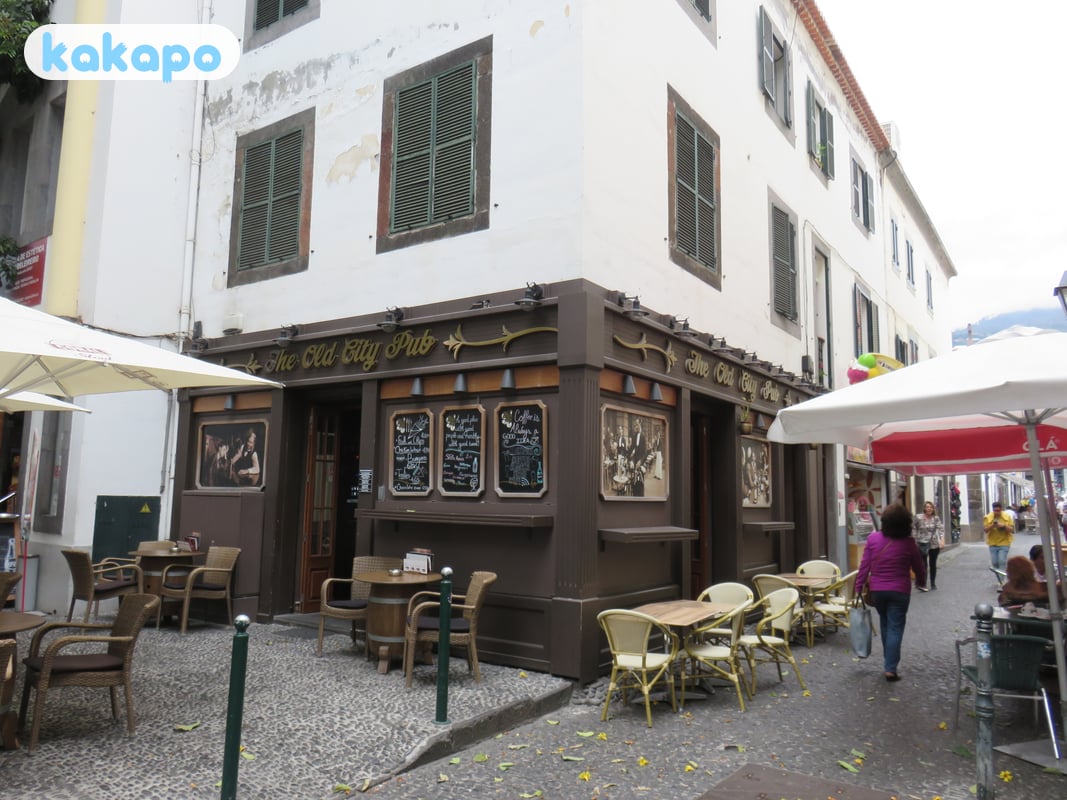
- Zona Velha (Old Town) — east of the cathedral along Rua de Santa Maria, the "art doors" project where every doorway is a local artist's commission. Dense restaurant strip, lively until midnight, family-saturated until late. Pickpockets very low. The Funchal-Monte cable car base station is at the eastern end.
- Monte (555 m altitude, above the city) — the cable car (Teleférico do Funchal, €18 return, 15 min ride) climbs from Zona Velha to Monte village. The Igreja de Nossa Senhora do Monte, the Monte Palace Tropical Garden, and the start of the wicker-toboggan ride down (€30 for 1, €37.50 for 2, €56 for 3). Bus 21 or 22 back if you don't take the toboggan.
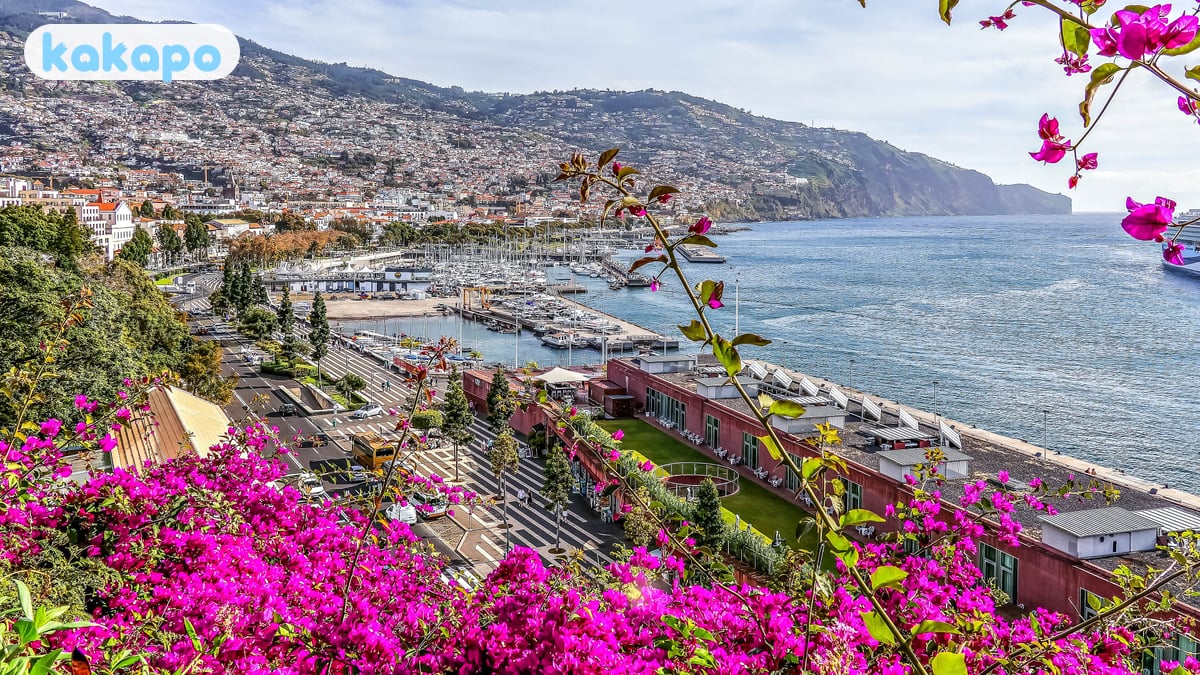
- Seafront promenade (Avenida do Mar) — the 2 km waterfront from the harbour west to Lido, with the marina, the cruise terminal, the fish-and-bird-market Caves do Pescador, and the new boardwalk to Praia Formosa. Walking back from Zona Velha to a hotel here is well-lit and safe.
- Lido + São Martinho — west of the centre, the hotel-and-pool-complex district. Lido bathing complex (€7 entry), Praia Formosa (the small black-sand city beach). Bus 1 from the centre. Quieter, more families.
- Funchal Airport (FNC) + Santa Cruz — 18 km east. The famous runway built partly on 180 concrete stilts over the sea; crosswinds produce dramatic approaches. Pilots require special certification. November-March cancellations and Porto Santo / Lisbon diversions happen on stormy days. Aerobus 8.50€ to centre (~25 min), taxi €25-30, rental car right at the terminal.
- Cruise schedule effect — APRAM publishes daily ship arrivals at apram.pt. Big ships dock 7-9am, visitors flood Old Town and the cable car 9am-3pm, ships sail 5-6pm. Visit the cable car at 9am opening or after 4pm; lunch in Zona Velha only on no-ship days.
- Cabo Girão skywalk (20 km west) — 580 m sea cliff, free glass-floor viewing platform. Bus 154, 7 (€3.85 from Funchal) or rental car. Half-day with Câmara de Lobos fishing village.
- Câmara de Lobos (10 km west) — the small fishing village painted by Winston Churchill in 1950. Pastel houses, working harbour, the poncha (rum-and-honey local cocktail) bars. Lunch stop on a Cabo Girão half-day.
- Pico do Arieiro + Pico Ruivo (the high traverse) — 1,818 m and 1,861 m peaks reached by car (Arieiro) or 3-4 hour ridge hike (PR1 Vereda do Arieiro to Pico Ruivo). The cloud-inversion sunrise above Arieiro is Madeira's signature photo. Cold at altitude even in summer; layers.
- Levada walks (island-wide) — the 2,150 km of 18th-century irrigation paths that thread Madeira's mountainsides. Levada do Caldeirão Verde and Levada das 25 Fontes are the easier classics (3-4 hours, €25-50 organised tour). See the Madeira island guide for full coverage; the 2017 Caldeirão Verde fatality at a closed section is the cautionary story.
If it's your first time visiting
- Best arrival: Funchal Airport / Cristiano Ronaldo Airport (FNC) is 18 km east of the city — Aerobus 8.50€ to centre (~25 min, every 30 min), taxi €25-30 metered. The runway is famously built partly on 180 concrete stilts over the sea; crosswinds produce dramatic approaches, and cancellations or Porto Santo / Lisbon diversions happen on stormy days November-March. Confirm travel insurance covers weather-related diversions.
- Best season: year-round. Winter (Nov-Mar) is 16-19°C daytime — Europe's best winter-sun option. Summer (Jun-Sep) is 23-26°C and busier with cruise calls. The 2024 wildfire pattern in interior mountains means dry-summer hiking may require checking Proteção Civil before inland trips.
- Best neighbourhood for your first night: Sé (cathedral district) for walkable centre access (Castanheiro Boutique Hotel, Hotel Madeira, The Vine — €100-220/night); Zona Velha for Old Town atmosphere (cheaper guesthouses €60-100); Lido for the resort-pool-complex feel (Pestana Casino Park, The Cliff Bay — €180-450). Avoid booking far from the centre if you don't have a rental car — Funchal taxis are honest but bus connections to outer hotels are infrequent.
- Footwear is critical: the calçada portuguesa polished basalt-and-limestone mosaic pavement is genuinely treacherous when wet — most reported tourist injuries at Hospital Dr. Nélio Mendonça are sprains and Colles-fracture wrists from falls. Trainers with rubber grip, never smooth-soled shoes or heels. After even light rain, walk slowly; stone takes minutes to dry.
- The Monte toboggan reality check: it's a real road with real cars, 2 km descent at 30+ km/h on rubber-soled-shoe brakes operated by two white-suited carreiros. Iconic and mostly safe; minor accidents (sprains, grazes) happen a handful of times per year, no fatalities recorded. Skip if you have back or neck issues. Max 3 passengers, age 7+ recommended, €30-56 depending on group size, €5-10 carreiro tip. Walking down (3 km, knees-bad) or bus 21/22 back if you skip.
- Check the cruise schedule: APRAM publishes daily arrivals at apram.pt. Big-ship days bring 5,000-12,000 extra visitors who flood Old Town and the cable car 9am-3pm. Visit Monte at 9am opening or after 4pm; lunch in Zona Velha only on no-ship days.
- Food beyond espetada: Restaurante Armazém do Sal (Sé, traditional Madeiran with a modern hand, €35-50/head), Il Gallo d'Oro (Cliff Bay's two-Michelin-star, €130+ tasting), Taberna da Esquina in Zona Velha (small-plates €15-25), poncha at Taberna Ruel (Câmara de Lobos's iconic rum bar). The classic order: bolo do caco (garlic-butter flatbread), espetada (skewered beef on bay laurel), pastel de nata, accompanied by Madeira wine (Sercial dry, Bual medium, Malmsey sweet).
- Day-trips around the island: Cabo Girão skywalk (20 km west, bus 7 €3.85); Câmara de Lobos fishing village (10 km west); Pico do Arieiro + Pico Ruivo cloud-inversion sunrise (rental car or pre-booked driver €50-90); Porto Moniz natural pools (90 min west, the lava-rock tidal pools); Santana A-frame houses (90 min north). Levada walks need full coverage — see the Madeira island companion guide.
- Driving rental cars: VR1 (south coast) and VE1 (north coast) motorways are excellent — tunnels everywhere, good surface. Older mountain roads (ER-101 north coast, Pico do Arieiro access) are narrow and cliff-edged. Rent an automatic — manual is cheaper but the gradients punish non-Europeans. Don't drive mountain roads after dark in fog.
- Common rookie mistakes: skipping the Madeira-vs-Funchal distinction (booking the city when they wanted the levada hikes 30-90 min away); sitting on the right side of the plane during landing approach if anxious about heights (the wing-over-cliff approach is the famous one); attempting the calçada in flip-flops after rain; visiting Monte cable car at 10am on a 3-cruise-ship day (queue 90+ min); booking inland accommodation expecting Funchal walking distance (the island is mountainous and "20 km from Funchal" can be a 50-min mountain drive); over-tipping the carreiros (€5-10 standard, €20 unnecessary).
Practical info — emergency numbers
- European emergency: 112.
- PSP (police): 112.
- Maritime rescue: 214 401 919 or 112.
- Hospital Dr. Nélio Mendonça: +351 291 705 600.
- Civil Protection (wildfire): prociv.pt
Bring: trainers with grip for calçada, layered clothing (cool evenings year-round), sun protection, swimwear, a contactless card, and travel insurance.
Frequently asked questions
Is Funchal safe to visit in 2026?
Yes — Funchal scores 90/100 here, exceptionally high. Portugal sits at US State Department Level 1 and UK FCDO has no warning. Crime against tourists is mild and pickpocketing rarer than mainland Portugal. The realistic concerns are environmental and specific: the Monte wicker toboggan ride, the calçada portuguesa mosaic pavement slipping in rain, Funchal Airport's dramatic crosswind landings, the 2024 wildfire pattern in inland mountains, and cruise-ship-day crowd compression (300+ ship calls/year).
Is Funchal safe at night?
Yes. The Zona Velha (Old Town) and the seafront promenade stay lively until late and are well-policed. Walking back from a Rua de Santa Maria dinner to a centre-Funchal hotel is routine. Solo women report Funchal as comfortable at any hour in the centre. The calçada pavement is the genuine night risk — polished basalt slips badly under rain and beer. Drink-spiking is rare; standard precautions apply.
Is Funchal safe for solo female travellers?
Yes — one of Europe's easier solo-female cities. Street harassment is rare, the centre is small and walkable, and the cruise-and-retiree tourism profile keeps the atmosphere relaxed. Solo dining in Zona Velha is routine. The main awareness item is the calçada slip risk — wear trainers with grip, not heels, especially after rain. Levada walks across the island should be done on a group tour or with offline maps; some routes are remote and phone signal drops.
Can you drink tap water in Funchal?
Yes. Funchal tap water is safe and meets EU standards — drawn from mountain springs through the island's levada network. Restaurants will serve it on request as água da torneira. Some visitors find the taste mineralised; bottled is widely available. Carry a refillable bottle for cliff walks and Monte day trips.
What's the biggest scam to avoid in Funchal?
Funchal has very little scam culture compared to mainland Portugal — the city is small, regulars know each other, and police are visible. Watch for harbour-front restaurants over-pricing the daily catch (ask weight and price per kilo before ordering), unofficial 'guides' near the cable-car station charging for fake skip-the-line tickets, and DCC card-readers asking you to pay in your home currency rather than EUR. The cable-car and Madeira Wine Lodge prices are fixed and posted; ignore any street agent offering 'discounts'.
Is the Monte wicker toboggan ride actually safe?
Mostly — but it's a real road, not a theme-park ride. The carros de cesto are wicker basket sleds steered by two white-suited carreiros wearing rubber-soled shoes for brakes, descending 2 km of public road at 30+ km/h. Minor accidents (sprains, grazes) happen a handful of times per year; no fatalities recorded. Don't lean out, don't take small children alone (age 7+ recommended, max 3 passengers), and tip €5-10 to the carreiros. Skip it if you have back or neck issues — the ride is bumpy. Walking down or taking bus 21/22 are the alternatives.
Sources
Run a business in Funchal?
Show visitors your Funchal business is a safe choice. The free Verified by Kakapo badge puts Funchal's live safety score on your website, links back to your verified page, and updates itself. No cost.
Get the free badge →