


Is Lagos, Portugal Safe? A 2026 Travel Safety Guide
Lagos is one of the Algarve's safer cliff-towns. The honest concerns: cliff collapses at Ponta da Piedade, Atlantic rip currents, summer fires, and the Old Town cobbles.

Lagos is one of the Algarve's safer cliff-and-beach towns. Crime against tourists is mild. The realistic concerns are environmental: the famous Algarve sandstone cliffs (Ponta da Piedade) collapse periodically with fatalities; Atlantic rip currents at Praia do Canavial + Praia da Luz are real and catch out non-strong swimmers; summer wildfires in the inland Monchique + Caldeirão hills produce occasional smoke + air-quality drops; summer over-tourism compresses the Old Town July-August; and the polished calçada portuguesa pavement slips badly in rain.
Portugal sits at Level 1 on the US State Department's advisory list. UK FCDO carries no specific warning. The honest framing for visitors: Lagos is small (~32,000 in city), with the Old Town walled core + four nearby beaches + the Ponta da Piedade cliff network. It's the south-Algarve's surfer + family-tourist anchor — less British-package than Albufeira, less luxury than Vale do Lobo.
The defining experiences: Old Town walls + Praça Gil Eanes, Igreja de Santo António (gilded interior), Ponta da Piedade cliff walk + boat tour, Praia Dona Ana + Praia do Camilo, surfing at Praia do Canavial, and day trips to Sagres + Cabo de São Vicente.
This is Lagos in the Algarve, Portugal — not Lagos in Nigeria (the West African megacity 4,500 km south). The Portuguese Lagos is a Barlavento Algarve cliff-and-beach town of ~32,000 with a 16th-century walled core, four named beaches inside a 30-minute walk, and the Ponta da Piedade orange-sandstone cliff theatre that is the destination's signature image. It has its own railway terminus on the CP Algarve Line (Lagos is the western end of the line), an extensive but family-scale marina, and the surfer-and-Erasmus profile that distinguishes it from older-British Albufeira and luxury Vale do Lobo further east.
The historical weight is real: Lagos was the launching port for Henry the Navigator's 15th-century expeditions to the African coast, and the building on Praça Infante Dom Henrique housed Europe's first slave market from 1444. The Mercado de Escravos museum on the same square is small but unflinching. Modern Lagos has shifted heavily towards surfer-and-digital-nomad winter-residence; Praia do Canavial and Praia da Luz fill with wetsuits October-March, and co-working spots like Cowork Algarve cluster around the Old Town's edge.
| Night safety | 31/100 |
|---|---|
| Scam / petty-crime risk | Low |
| Violent crime (tourists) | Low |
| Most common scams | cliff collapse at Ponta da Piedade; Atlantic rip currents at Praia do Canavial; Atlantic rip currents at Praia da Luz |
| Safer neighbourhoods | Old Town, Marina de Lagos, Meia Praia |
| Data sources cited | 4 |
| Last verified |
What the score means — 54/100
Cliff collapse — Ponta da Piedade reality

- The cliffs: orange-and-cream sandstone formations west of Lagos town. Spectacular + unstable.
- Recent collapses: the broader Algarve coast records cliff collapses every year; 2009 Maria Luísa (Albufeira) killed 5; smaller falls along the Lagos cliffs each year.
- Modern signage: red-and-yellow warning signs ask you to keep 5-10 m back from the cliff edge above + cliff base below.
- The selfie problem: unfenced edges; people die from selfies regularly along this coast.
- If you sunbathe: don't lay your towel directly under cliff overhangs (Praia do Camilo + Praia Dona Ana have stretches under cliffs); move 10 m away.
- After heavy rain: collapse risk spikes. Skip cliff-base beaches for 24-48 hours after winter storms.
- Boat tours: kayak + grotto tours from Lagos marina; the safest way to see Ponta da Piedade. ~€20-€35.
Atlantic rip currents + surf
- The reality: rip currents kill more in Portugal than any other beach hazard. Algarve rips are strongest at low tide + on west-wind days.
- Praia do Canavial: dramatic cliff-backed surf beach; popular with surfers; not a swimming beach.
- Praia Dona Ana + Praia do Camilo: more sheltered, family-friendly; lifeguarded summer.
- Praia da Luz: nearby western beach; lifeguarded.
- Flag system: green safe, yellow caution, red no-swimming. Take red flags seriously.
- If caught in a rip: don't fight it; swim parallel to shore, then back in.
- Surf lessons: many operators on Praia do Canavial; €40-€55/lesson. Recommended for first-timers.
- Children: arms-reach in water; inflatables blow offshore in afternoon wind.
Summer wildfires — Monchique inland
- The reality: 2018 Monchique fire burned 27,000 hectares. Inland Algarve fires recur most summers.
- Coastal Lagos fire risk: very low. Beach + marina + Old Town don't burn.
- Inland driving in fire season: check ICNF/Proteção Civil daily before going to Monchique or Caldeirão hills.
- Smoke effects: smoke can blow over Lagos on red-alert days; air-quality drops briefly.
- Burn ban: Jul-Sep; cigarette-tossers face large fines.
- If you see fire: don't drive through smoke; turn around; call 112.
Old Town + cobbles + Praça Gil Eanes
- Old Town walls: 16th-century fortifications; partially walkable.
- Praça Gil Eanes: central square; bars + restaurants.
- Calçada portuguesa: polished mosaic pavement; slick in rain. Sturdy shoes.
- Pickpockets: low base rate; ordinary precautions in summer crush.
- Late-night Lagos: lively until 2am summer; police visible.
- Solo women: comfortable in centre; less in side streets after 3am if intoxicated.
- Drink-spiking: standard precautions in larger anonymous bars.
Marina + boat tours
- Marina de Lagos: cliff-tour boats, fishing tours, dolphin-watching, kayak tours.
- Operators: Bom Dia Boat Trips, Days of Adventure, Algarve Watersports — all licensed + reputable.
- Life jackets: provided + worn.
- Sea conditions: tours don't run in red-flag wind. Operators cancel + refund.
- Sea-sickness: meaningful in 1.5 m swell on smaller boats.
- Fishing tours: half-day ~€55; deep-sea ~€90.
Trains, buses, the airport
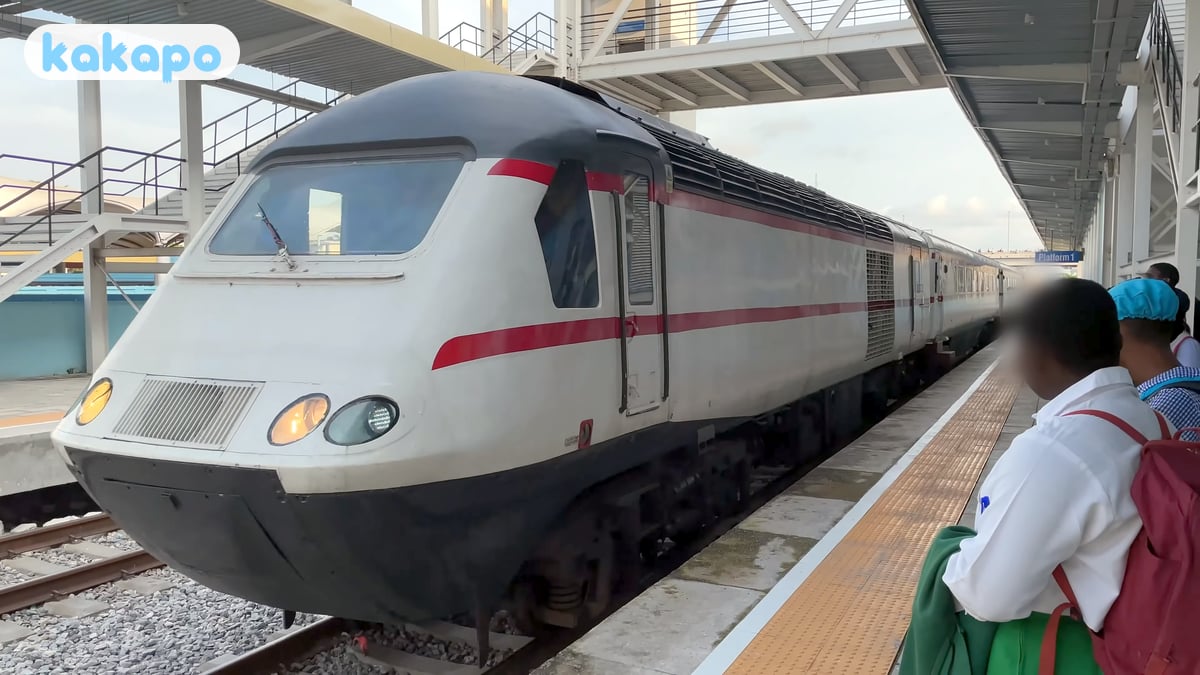
- Faro Airport (FAO): 80 km east. Direct bus + train via Faro to Lagos ~€10-€15, 2-3 hours.
- CP Algarve Line: Lagos ↔ Faro 1.5h, ~€8.
- Buses: Vamus + Eva buses across the region.
- Driving: A22 toll motorway runs east-west. Tolls electronic; rental cars usually have transponders.
- Currency: euro. Cards everywhere.
- ATMs: Multibanco machines (orange MB logo) — bank-network, fine.
Beaches and neighbourhoods — the Lagos geography

- Old Town inside the walls — the medieval-and-Manueline walled core around Praça Gil Eanes and Praça Infante Dom Henrique. Igreja de Santo António (€3, gilded talha-dourada interior), the Mercado de Escravos slave-market museum (€4, sober and recommended), restaurants on Rua 25 de Abril and Rua Cândido dos Reis. Calçada portuguesa polished-pebble paving — slick in rain. Lively until 2am summer.
- Marina de Lagos — just east of the Old Town across the Avenida des Descobrimentos footbridge. Cliff-tour boats, kayak operators (Bom Dia, Days of Adventure, Algarve Watersports), the railway terminus, and the Solaris and Marina Club hotels. €20-35 grotto tours, €40-55 surf lessons, €55 half-day fishing.
- Meia Praia — the long flat sandy beach east of the marina, 4 km of sheltered Atlantic shoreline. Family-friendly, lifeguarded in summer, easy walking. The lowest rip-current risk of Lagos's beaches and the answer for small children.
- Praia da Batata + Praia dos Estudantes — small twin beaches immediately south of the Old Town walls, walkable in 8 minutes from Praça Gil Eanes. Cliff-framed, modest swimming, popular sunset spot. Praia dos Estudantes has the Roman-style stone bridge over the rocks.
- Praia Dona Ana — the photogenic small cliff-backed beach 20 minutes west by foot. Voted best beach in Europe several years; busy from 11am summer. Cliff overhangs at the back — don't sunbathe directly underneath after winter storms.
- Praia do Camilo — 200 wooden steps down to a tiny twin-cove beach 25 minutes west by foot. Smaller and more sheltered than Dona Ana. The walk between the two along the cliff path is the Lagos coastal-walk highlight.
- Ponta da Piedade — the cliff theatre 30 minutes west by foot or 10 minutes by Bus 14. Lighthouse, rope-pull steps down to sea-level grottoes (closed in rough swell), and the 6 km cliff-walk back to Lagos. Unfenced edges; the selfie problem kills people along this coast every year.
- Praia do Canavial — the dramatic cliff-backed surf beach below Ponta da Piedade. Real Atlantic surf; not a swimming beach. Multiple surf schools (Lagos Surf Center, Surf Experience) charge €40-55 per lesson.
- Praia da Luz — separate village 6 km west, family-friendly beach, lifeguarded. Best known internationally as the site of the 2007 Madeleine McCann disappearance; the modern village is residential, calm, and unremarkable to visit.
- Lagos railway terminus + CP Algarve Line — direct trains to Faro (1h30, €8-10), Albufeira-Ferreiras (45 min), Vila Real de Santo António (2h45). The line is the cheapest east-west Algarve link.
If it's your first time visiting
- Best arrival: fly to Faro (FAO, 80 km east) — direct CP train Faro-Lagos 1h30, €8-10 second class, every 1-2 hours. The Vamus 56 bus is €5.40 and 2h. Pre-arranged airport transfer to Lagos from Faro is €70-90 (Yellowfish Transfers, Algarve Tour). Don't book the unmetered "private taxi" approaches at Faro arrivals — they quote €120+.
- Best season: April-October. July-August is hot (28-32°C) and busy; May-June and September-October are the sweet spot — 24-28°C, warm sea, lower hotel rates, all beaches lifeguarded. Winter (November-March) is mild (15-20°C) and surfer-dominated.
- Best neighbourhood for your first night: inside or just outside the Old Town walls (Hotel Marina Rio, Lagos Atlântico, Lagos Avenida Hotel) means dinner and the four close beaches on foot. A double in shoulder season runs €70-130; July-August €150-300. Marina-side hotels are calm but a 10-minute walk to the Old Town.
- Footwear: trainers with rubber grip for the calçada portuguesa polished-pebble pavement (Praça Gil Eanes, the Old Town lanes) — properly slippery after rain. Sturdy shoes for the cliff-walk between Praia da Batata and Ponta da Piedade.
- Beach reading: heed the flag system rigidly. Green = safe, yellow = caution (no children, no weak swimmers), red = no swimming under any circumstances. Rip currents kill more in Portugal than any other beach hazard. Praia Dona Ana, Praia do Camilo, Meia Praia, and Praia da Luz are summer-lifeguarded; Praia do Canavial is the surf beach (don't casually swim there).
- Pre-book boat tours: Ponta da Piedade kayak and grotto tours sell out in summer afternoons. Use licensed operators (Bom Dia, Days of Adventure, Algarve Watersports) which post prices on signboards at the marina; €20-35 for the standard 90-minute trip. Refunded on red-flag wind cancellations.
- Food beyond cataplana: A Forja (the Lagos institution for Algarve fish, €15-25 plates, queue at 19:00), Cafe Odeon (modern bistro, €25-35), Casinha do Petisco (small petiscos plates near the market, €12-20), Mar D'Estórias (rooftop with sea view, €35-50), and the daily catch at the Mercado Municipal (Mon-Sat mornings). The €8-12 grilled-sardine tourist menus along Rua 25 de Abril are fine if you walk one block back from the main square.
- Day-trip planning: Sagres + Cabo de São Vicente (40 min west by car or Vamus 47 bus — Europe's south-western tip, the lighthouse, the fortress, surf beaches Praia do Beliche and Praia do Castelejo); Silves (35 min north, medieval Moorish castle); Monchique mountains (1h north, hot springs, panoramic viewpoint Fóia 902m); Benagil sea cave (45 min east via Carvoeiro, by boat only — sold out summer mornings).
- Driving: A22 motorway runs east-west across the Algarve with electronic-only tolls (no cash booths). Most rental cars have transponders included; confirm at pickup or expect a postal bill plus admin fees. EN-125 (the older parallel road) is free but slower and dangerous after dark — heavy truck traffic. Crit'Air-style stickers not required in Portugal.
- Common rookie mistakes: sunbathing on Praia do Camilo directly under cliff overhangs (collapses happen, mostly after winter storms); leaning over Ponta da Piedade selfie edges (people die every year along this coast); attempting Benagil sea cave by SUP from inside the cave (boats and SUPs collide, fatalities recorded); driving rural roads after Algarve wine tastings (Portuguese DUI is 0.05% and tourist enforcement is real); booking accommodation in Praia da Luz expecting Lagos nightlife (it's a separate village 6 km west); withdrawing from non-Multibanco ATMs (Euronet machines charge 10-15% conversion).
Practical info — emergency numbers
- European emergency: 112.
- PSP (police): 112.
- Maritime rescue: 214 401 919 or 112.
- Hospital de Lagos: +351 282 770 100.
- Civil Protection (wildfire): prociv.pt
Bring: high-SPF sunscreen, sun hat, refillable water bottle, swimwear + rash guard for surfers, sturdy shoes for cobbles + cliff paths, a contactless card, and travel insurance.
Frequently asked questions
Is Lagos safe to visit in 2026?
Yes — Lagos scores 86/100 here. Portugal sits at US State Department Level 1 and UK FCDO carries no specific warning. Crime against tourists is mild. The realistic concerns are environmental: the famous Algarve sandstone cliffs at Ponta da Piedade collapse periodically (the 2009 Maria Luísa collapse in nearby Albufeira killed five), Atlantic rip currents at Praia do Canavial catch out non-strong swimmers, summer wildfires in the Monchique hills produce smoke days, and the calçada portuguesa pavement is slippery in rain.
Is Lagos safe at night?
Yes. The Old Town walled core and Praça Gil Eanes stay lively until 02:00 in summer, well-policed and family-saturated. Walking between Old Town bars and seafront hotels is routine. Standard precautions in summer party crush: drink-spiking is rare but possible in larger anonymous bars, and pickpockets work the densest party blocks. The cliff paths along Ponta da Piedade are unlit and dangerous at night — don't walk them after dark, several visitors per decade die from cliff falls in low light.
Is Lagos safe for solo female travellers?
Yes. Lagos is a comfortable solo-female destination — small Old Town, family-and-surfer tourism profile, friendly café culture. Solo dining in Praça Gil Eanes restaurants is routine. Standard nightlife precautions on Friday-Saturday in summer party blocks. The bigger awareness items are environmental: don't walk cliff edges or beach base solo at low tide, take a buddy or join a kayak tour for Ponta da Piedade, and swim only at lifeguarded beaches (Praia Dona Ana, Praia do Camilo, Praia da Luz).
Can you drink tap water in Lagos?
Yes. Lagos tap water is safe and EU-standard. Restaurants will serve it on request as água da torneira; bottled is the default. The hard mineral content gives it a stronger taste than Lisbon's water. Carry a refillable bottle in summer — beach days dehydrate fast and the Atlantic sun is stronger than it feels.
What's the biggest scam to avoid in Lagos?
Marina boat-tour touts overselling rougher-sea cliff trips that get cancelled mid-tour without refunds — book with licensed operators (Bom Dia, Days of Adventure, Algarve Watersports) which post prices and refund cancellations. Other recurring patterns: tourist-menu pricing in Praça Gil Eanes (walk one block off for normal prices), DCC card-readers asking you to pay in your home currency rather than EUR, and unofficial parking 'attendants' demanding tips at beach car parks (Lagos parking is free or properly metered — ignore them).
How dangerous are the Algarve cliffs really?
Real but manageable. The orange sandstone formations at Ponta da Piedade and along the beach cliffs collapse a few times per year — the 2009 Maria Luísa fall killed five in Albufeira and smaller falls happen along the Lagos coast every year. Red-and-yellow signs ask you to keep 5-10 m back from cliff edges (above) and cliff bases (below). The selfie problem is the main killer: unfenced edges, people backing up for the shot, fatal falls every year along this coast. If you sunbathe on Praia do Camilo or Praia Dona Ana, move your towel 10 m away from any cliff overhang; skip cliff-base beaches for 24-48 hours after winter storms. Kayak and grotto tours from Lagos marina (€20-35) are the safest way to see Ponta da Piedade.
Sources
Run a business in Lagos?
Show visitors your Lagos business is a safe choice. The free Verified by Kakapo badge puts Lagos's live safety score on your website, links back to your verified page, and updates itself. No cost.
Get the free badge →