


Is Porto, Portugal Safe? A 2026 Travel Safety Guide
The Ribeira steep lanes, summer pickpocketing, port-wine cellar tours, the Douro day trip, and the realistic risks of one of Europe's safer mid-sized cities.

Porto is one of Europe's safer mid-sized tourist cities. Crime against visitors is rare; the city is small, walkable, and well-policed in tourist areas.
The realistic risks for visitors are pickpocketing on the busiest tram and metro routes (the Tram 1 to Foz, the Tram 22 in the centre), the genuinely steep and often slippery Ribeira lanes (especially after rain), the summer over-tourism crush, the port-wine cellar tour logistics across the Douro in Vila Nova de Gaia, and the road conditions for self-drive Douro Valley day trips.
Portugal sits at Level 1 on the US State Department's advisory list. UK FCDO is similarly low. The honest framing for first-time visitors: Porto is small (~240,000 in the city, ~1.7 million metro), built on hills above the Douro river. The Ribeira (riverside) is the photogenic core. Vila Nova de Gaia (across the river) hosts the famous port-wine cellars. The metro is excellent; trams are old and charming.
Visiting Porto for the first time, the thing that catches most travellers off-guard isn't crime — it's how genuinely hilly the city is and how much that defines every day. Going from Ribeira up to the cathedral is a 50m vertical climb on irregular medieval stairs. Locals shrug; visitors at midday in summer regret their footwear choices. The Portuguese greeting is "Olá" (informal hi) or "Bom dia" before noon, "Boa tarde" after, "Boa noite" in the evening, switching to English without friction. "Obrigado/Obrigada" (m/f) closes every transaction. A bica (Porto's espresso) is €0.80-1, a francesinha sandwich €11-14 (and it's a meal, not a snack), a glass of vinho verde €2.50-4, a port-wine tasting at a Gaia lodge €18-25 for three pours. The Portuguese tradition of "couvert" — unrequested bread, olives, cheese arriving on the table — is not free; ask before accepting (€3-6 per person typical).
In 2026, the specific things that have changed since pre-pandemic include: the Porto Metro tap-to-pay rolled out fully across the Andante network (€2 single, €5 day Andante 24h, €15 three-day); the new metro Line G connecting south of the Douro is finally under construction; the Livraria Lello bookshop now requires timed-entry pre-booking (€8 fee credited toward purchase) — same-day queues hit 90+ min in summer; the Ribeira short-term-rental restrictions have eased the housing crunch slightly and the most touristed lanes are noticeably less Airbnb-saturated than 2019; and Porto's airport METRO line E is now €2.85 to the centre in 30 minutes — easier than ever.
| Night safety | 79/100 |
|---|---|
| Scam / petty-crime risk | Medium |
| Violent crime (tourists) | Low |
| Most common scams | pickpocketing on Tram 1 to Foz; pickpocketing on Tram 22 historic loop; pickpocketing at São Bento station |
| Safer neighbourhoods | Ribeira, Baixa / Aliados, Sé / Cathedral district |
| Data sources cited | 4 |
| Last verified |
What the score means — 86/100
- Transport (90) — the highest sub-band. Porto Metro is excellent. Trams are quaint.
- Air quality (88) — high. Atlantic breeze keeps it clean.
- Healthcare (86) — Portuguese SNS; private hospitals (CUF, Lusíadas) excellent.
- Personal safety (82) — high. Pickpocketing is the dominant tourist crime; violent crime against tourists is rare.
Ribeira — the steep, the slippery, the romantic
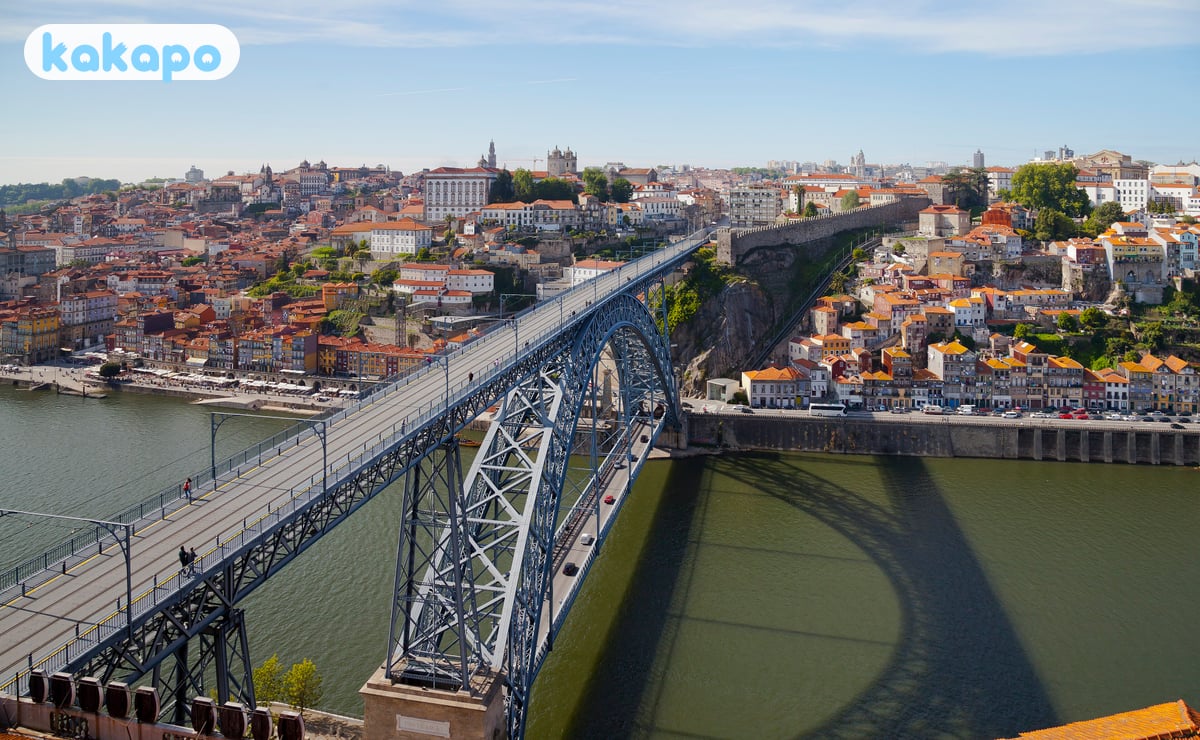
- The Ribeira is Porto's UNESCO-listed riverfront district. Cobbled lanes, steep stairs between levels, narrow alleys.
- After rain: cobbles + lichen + slope = slippery. Be careful. Sturdy shoes with grip.
- Steep ascents: from the Ribeira up to the cathedral is a serious climb. Funicular dos Guindais (€2.50, 2 min) is the easy option.
- Narrow alleys: pickpocketing in the densest tourist crowds; otherwise low-crime.
- The Dom Luís I Bridge: walk the upper deck (next to the metro line) for the iconic view. The lower deck is a road. Both safe.
- Cable cars (Teleférico de Gaia): optional way up the Gaia side. Touristy but pleasant.
Pickpockets — the few specific routes
- Tram 1 to Foz: the most-photographed Porto tram and the most-targeted by pickpockets. Bag in front, phone in front pocket.
- Tram 22 historic loop: tourist-dominated, occasional pickpockets.
- Metro line A/B São Bento - Trindade segment: rush-hour theft.
- São Bento station: the tile-lined railway station is a major Instagram stop and a major pickpocket workplace.
- Livraria Lello: famous bookshop, ticketed entry. Pickpockets work the entrance queue.
- Defence: phone in front pocket, daypack in front in crowds, wallet under outer layer.
Port-wine cellars — the cellar tours and the river crossing
- Where: Vila Nova de Gaia, across the Dom Luís I Bridge. Walking distance from Ribeira.
- Major houses: Sandeman, Taylor's, Graham's, Cálem, Croft, Ramos Pinto, Cockburn's. Each offers tours + tastings, ~€15-25.
- Booking: most don't require pre-booking outside peak summer; the bigger houses (Graham's) prefer it.
- Cellars are cool: 13-15°C year-round. Bring a light layer.
- Tasting amounts: small but cumulative. 3 tastings ≈ a glass of wine. Don't drive after.
- The Rabelo boats: photogenic on the river but mostly for Instagram now; traditional cargo function ended decades ago. The 6-bridges Douro tour is touristy but pleasant.
Douro Valley day trips
- Douro Valley: 1.5-2 hours east of Porto. The terraced vineyards. Standard day trip via train, car, or organised tour.
- By train: Porto São Bento → Pinhão. ~3 hours, ~€18 return. Slow but scenic.
- By car: Douro roads are winding, narrow in places. Don't drive after wine tastings — police checkpoints are routine.
- Organised tours: ~€80-120/person all-in (transport + 2 wineries + lunch + boat ride). Standard.
- Wine + driving: Portugal's BAC limit is 0.5 g/L; tasting at 3 wineries is over the limit. Have a designated driver or take an organised tour.
Metro, trams, taxis, the airport
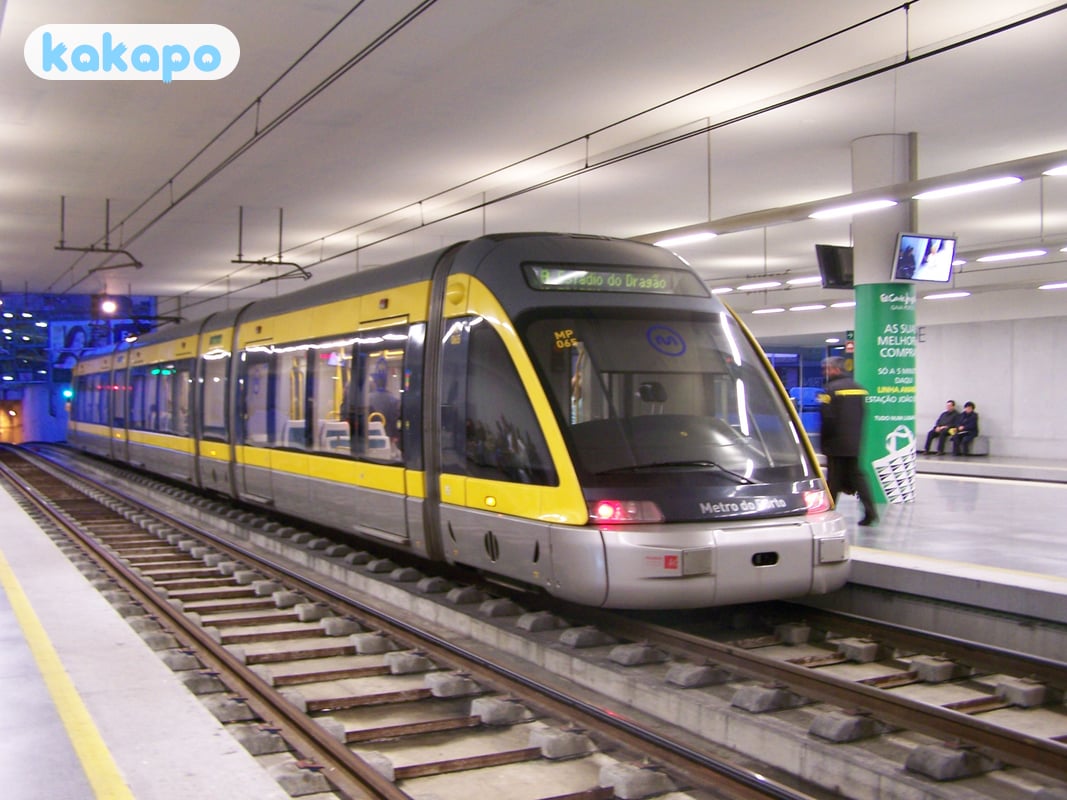
- Porto Metro: 6 lines, modern, clean. The Andante card works on metro + buses + funiculars. €2.50/day.
- Buses + trams: the iconic trams 1, 18, 22 are tourist-rated; buses are city-wide.
- Taxis: honest, metered. Bolt and Uber both operate; Bolt is locally preferred.
- Walking: the city centre is walkable but hilly.
- Porto Airport (OPO): 11 km north. Metro Line E (Violet) ~€3, 30 min, direct to centre. Bolt/Uber €15-25.
- Train to Lisbon: Alfa Pendular high-speed ~3 hours, ~€30-50.
Money, food, port
- Currency: Euro (€). Card-friendly city.
- Tipping: 5-10% in restaurants if service charge isn't already added.
- Couvert: bread, olives, sometimes cheese arrives at the table. It's not free — costs €2-5/person. Decline if you don't want it.
- Tap water: safe.
- Port-wine vs table-wine: port is a fortified dessert wine. Vinho Verde is the local "green wine" — light, slightly fizzy. Both worth trying.
- Francesinha: the Porto sandwich-with-cheese-and-sauce. Heavy. Try once.
Neighbourhood-by-neighbourhood breakdown
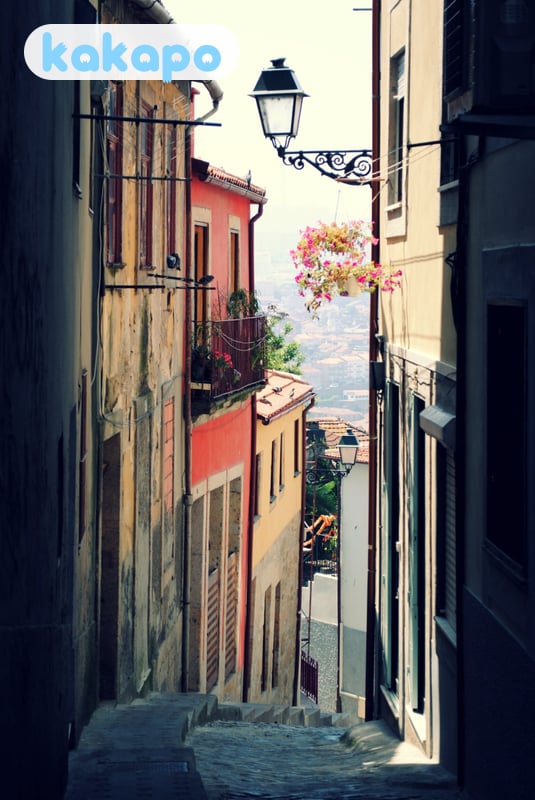
- Ribeira — the UNESCO riverfront, the postcard. Steep cobbled lanes, riverside restaurants, the Praça da Ribeira. Heavily walked, very safe day and night. Restaurants on the immediate quay are tourist-priced; walk one block up for honest pricing. Slippery when wet.
- Baixa / Aliados — central, Avenida dos Aliados, City Hall, São Bento station (tile-lined, photogenic, pickpocket-busy at Instagram crowds). Very safe, the modern centre.
- Sé / Cathedral district — uphill east of the Baixa, the Cathedral, viewpoint terraces. Calm, very safe.
- Cedofeita / Galerias de Paris — north of the Aliados, the main bar street, gentrified bohemian. Lively at night, very safe.
- Bolhão / Santa Catarina — east-central, the recently renovated Mercado do Bolhão, the Rua de Santa Catarina shopping street, Café Majestic. Very safe, busy by day.
- Foz do Douro — west, where the river meets the Atlantic, beach district, upmarket restaurants. Tram 1 connects (the pickpocket-busy tourist tram). Calm, very safe.
- Boavista — west-central, business district, Casa da Música. Modern, very safe, slightly soulless.
- Vila Nova de Gaia — across the Dom Luís I Bridge, the port-wine lodges (Sandeman, Taylor's, Graham's, Cálem, Croft, Ramos Pinto, Cockburn's). Tasting tours €18-25 each. Very safe.
- Matosinhos — coastal suburb north-west, the fish market and seafood restaurants, surfing beaches. Metro Line A or bus, ~25 min. Very safe; the seafood lunch is the destination.
- Around Trindade / Bolhão metro stations — daytime functional; some scrappier outer streets after midnight.
If it's your first time visiting
- Best arrival airport: Porto (OPO), 11 km north. To centre: Metro Line E (Violet) €2.85 in 30 min direct to Trindade or Bolhão, Bolt/Uber €15-25, taxi €25-35.
- Public transport: Porto Metro (6 lines), buses, funiculars, historic trams. Andante card or tap-to-pay on every reader. €2 single, €5 24h, €15 three-day. Funicular dos Guindais (€2.50, Ribeira to cathedral level) is the steep-climb saver.
- Best neighbourhood for your first night: Ribeira for atmosphere and the views, Baixa/Aliados for centrality, Cedofeita for the bar scene and quieter mornings. Avoid first-time bookings high up the cathedral hill if you have heavy luggage and no taxi plan.
- Day 1, jet-lag friendly: morning São Bento station (the famous tile work) and a walk down through Ribeira to the river, lunch at a Ribeira riverside terrace (€18-25), afternoon walking across the Dom Luís I bridge upper deck to Vila Nova de Gaia for port-wine tasting at one lodge (€20), sunset back across the river, dinner of francesinha at Café Santiago (€13).
- Day trips: Douro Valley by train from São Bento to Pinhão (3h, scenic, €18 return) or guided tour (€80-120 with two wineries + lunch); Aveiro (1h south by train, the "Venice of Portugal"); Braga (45 min north, Bom Jesus do Monte sanctuary); Guimarães (1h north-east, the first capital of Portugal); Coimbra (1h south, the historic university town).
- Port-wine tasting etiquette: lodges open ~10am-7pm, no booking needed at most (Graham's prefers it). Three tastings cumulatively equal a glass of wine — don't drive after; Bolt/Uber back across the river. Cellars are 13-15°C year-round — bring a light layer.
- Common rookie mistakes: wearing smooth-soled shoes on wet Ribeira cobbles (slippery when wet, twisted-ankle ER visits routine); accepting "couvert" (€3-6 per person, not free); paying €5 for a beer immediately on the Ribeira when €1.80 is the price one block back; renting a car for the Douro Valley without realising the BAC limit (0.5 g/L) is busted after one full tasting; missing the funicular dos Guindais and climbing the cathedral hill with luggage.
- Try a francesinha once. It's a meal — bread, ham, sausage, beef, melted cheese, beer-and-tomato sauce, fried egg on top, fries underneath. Café Santiago, Cufra, and Lado B are the classics. €13-14. You don't need lunch afterward.
- Tap water is safe. Ask for "água da torneira" — free at restaurants, though some default to bottled. Slightly mineral-heavy; bottled is cheap if taste matters.
Practical info — emergency numbers
- European emergency: 112.
- Tourist Police (PSP): at major sites; English-speaking.
- Hospital de Santo António: +351 222 077 500.
- CUF Porto Hospital (private): +351 220 039 000.
Bring: comfortable walking shoes with grip (Ribeira hills + cobbles), a light rain layer (Atlantic weather), a contactless card (most things accept it), an unlocked phone (MEO, NOS, Vodafone PT prepaid SIMs at the airport for ~€15), and travel insurance documentation.
Frequently asked questions
Is Porto safe to visit in 2026?
Yes. Portugal sits at US State Department Level 1 and UK FCDO carries no warning. Porto scores 86/100 here — one of Europe's safer mid-sized cities. Violent crime against tourists is rare and the city centre is small, walkable and well-policed. Realistic risks are pickpocketing on Tram 1 to Foz and around São Bento station, the steep Ribeira lanes turning slippery after rain, and the summer over-tourism crush in July-August. The city is not on terrorism watch lists and recent years have been quiet on the protest front.
Is Porto safe at night?
Yes. Ribeira, the Baixa, Cedofeita and Galerias de Paris (the main bar street) all stay alive and policed into the small hours. Walking back to a central hotel from a port-wine bar at midnight is routine. Quieter awareness around São Bento and Trindade stations late at night and on the steepest empty Ribeira alleys — not danger, just lower foot traffic. The Dom Luís I bridge upper deck is lit and walked late at night by locals.
Is Porto safe for solo female travellers?
Yes. Porto ranks among the easier European cities for solo women — low street harassment, dense walkable centre, friendly café culture. Solo dining at Ribeira and Cedofeita restaurants is routine. Standard precautions on Tram 1 and Tram 22 (the tourist trams attract pickpocket teams in summer). Use Bolt or Uber for distances after midnight rather than walking the steep, sometimes empty alleys between Ribeira and the cathedral level — the funicular dos Guindais stops running at 22:00.
Can you drink tap water in Porto?
Yes. Porto's tap water is safe, EU-standard, and free at restaurants on request (água da torneira). It's harder than Lisbon's and some locals prefer bottled for taste, but it's perfectly drinkable. Carry a refillable bottle — public fountains exist around the Jardim da Cordoaria and Crystal Palace gardens.
What's the biggest scam to avoid in Porto?
The couvert pattern — bread, olives, sometimes cheese arrive unrequested at your table and cost €2-5/person; it's legal but not free, decline if you don't want it. Other recurring traps: tourist-menu pricing in Ribeira riverfront restaurants (walk one block up for half the price), DCC card-readers asking you to pay in your home currency (always pay in EUR), and 'private' Douro Valley tour resellers at 2-3x the direct booking price. Pickpocket teams on Tram 1 to Foz and at Livraria Lello's entrance queue are the main petty-crime pattern.
Is the Douro Valley day trip from Porto safe?
Yes, with caveats around driving. The valley's winding two-lane roads are narrow and busy with wine trucks in harvest season (September-October). Portugal's BAC limit is 0.5 g/L and tasting at three wineries puts you well over — police checkpoints on the return route are routine. Take the train from São Bento to Pinhão (3h, scenic) or an organised tour (€80-120 including two wineries and lunch) rather than self-driving. The Douro river boat-and-train combos are well-regulated; life jackets standard.
Sources
Run a business in Porto?
Show visitors your Porto business is a safe choice. The free Verified by Kakapo badge puts Porto's live safety score on your website, links back to your verified page, and updates itself. No cost.
Get the free badge →