


Is Madeira, Portugal Safe? A 2026 Travel Safety Guide
Levada-walk falls, the toboggan ride, mountain roads, Atlantic swell, and the realistic risks of the mid-Atlantic Portuguese island.

Madeira is one of Europe's safer island destinations for tourists. Crime against visitors is rare. The realistic risks here are outdoor: the levada walks (water-channel trails along sheer mountainsides — some are dramatic and dangerous if you wander off-path), the famous Monte toboggan ride (questionable as a modern safety product, but iconic), the winding mountain roads, the Atlantic ocean swell at exposed beaches, and the occasional severe weather (Madeira had a deadly 2010 flood).
Portugal sits at Level 1 on the US State Department's advisory list. UK FCDO is the same. The honest framing for first-time visitors: Madeira is small (740 km²), volcanic, and famously vertical — Funchal sits in a steep amphitheatre, with cliffs rising directly behind. Most visitors stay in Funchal and day-trip to the levadas, the north coast, the Pico do Areeiro / Pico Ruivo high traverse, and Porto Moniz.
This is the island guide. For the capital city itself — Funchal nightlife, Zona Velha restaurants, Monte cable car, calçada slip risk, the cruise-ship schedule — see our companion Funchal Portugal guide; these are twin pages for a destination where the city and the island are commonly searched separately. This guide gives most space to the outdoor and island-wide content: the levada walks, the mountain roads, the August 2024 wildfires, Atlantic swell at exposed beaches, and the south-coast / north-coast climate split.
The 2024-2026 context worth knowing: the August 2024 wildfires were Madeira's most significant since 2016, burning over 5,000 hectares across the central and western interior. Funchal city and the coastal hotels were unaffected; the impact landed on levada walks and high-altitude trails, several of which closed for repair through early 2025. Most are now re-opened but check Visit Madeira for current trail status before driving to a specific levada — closed-trail signs are real and rangers do fine ignorers. The Pico do Arieiro to Pico Ruivo PR1 traverse re-opened in stages; check before committing to the 7-hour traverse.
| Night safety | 92/100 |
|---|---|
| Scam / petty-crime risk | Low |
| Violent crime (tourists) | Low |
| Safer neighbourhoods | Funchal |
| Data sources cited | 4 |
| Last verified |
What the score means — 86/100
- Air quality (92) — exceptional. Mid-Atlantic, no industry.
- Personal safety (88) — high. Crime against tourists is rare.
- Healthcare (84) — Hospital Dr. Nélio Mendonça in Funchal handles most cases; complex cases evacuate to Lisbon.
- Transport (80) — bus network exists; rental car or organised tours for serious island exploration.
Levadas — the irrigation channels and the falls
Levadas are 18th-century irrigation channels that run for ~2,150 km across Madeira's mountainsides. Walking paths follow them; some are spectacular, some are vertiginous, and a small number are genuinely dangerous.
- Easy levadas: Levada do Caldeirão Verde, Levada das 25 Fontes (book the parking — busy!). Wide path, modest exposure. ~3-4 hours.
- Moderate levadas: Levada do Risco. Some narrow sections.
- Dangerous / closed levadas: any with cliff exposure where the path is at the edge of a 200+ m drop with no rail. Several have been closed permanently after fatal falls. Don't ignore "trail closed" signs.
- The 2017 Caldeirão Verde fall: a German tourist died after slipping at a closed section. Recovery took 2 days.
- What to bring: hiking boots, headlamp (some levadas pass through unlit tunnels), windproof layer, water.
- Tunnels: many levadas have tunnels. Wear a torch.
- Don't levada-walk after heavy rain: paths get slippery; rockfalls happen.
- Mobile signal: spotty in many levadas. Tell someone your route.
The Monte toboggan — the iconic photo and the safety question
- The Monte sledge / "carros de cesto": wicker sledges propelled by two men in white outfits down 2 km of public road. Iconic; ~€30 for two, 10 min.
- Safety: traditional, charming, and not regulated by modern adventure-sport standards. There are no helmets, no harnesses, and the road has live (slow) car traffic.
- Crashes: minor scrapes are routine; serious crashes are uncommon but documented. Travel insurance may not cover.
- Weight limit: roughly 200 kg combined; exceptionally heavy passengers may be refused.
- Children: officially fine. Parents make the call.
- If you skip it: the photo is achievable from the road as runners go by. Watching is the safer half.
Mountain roads
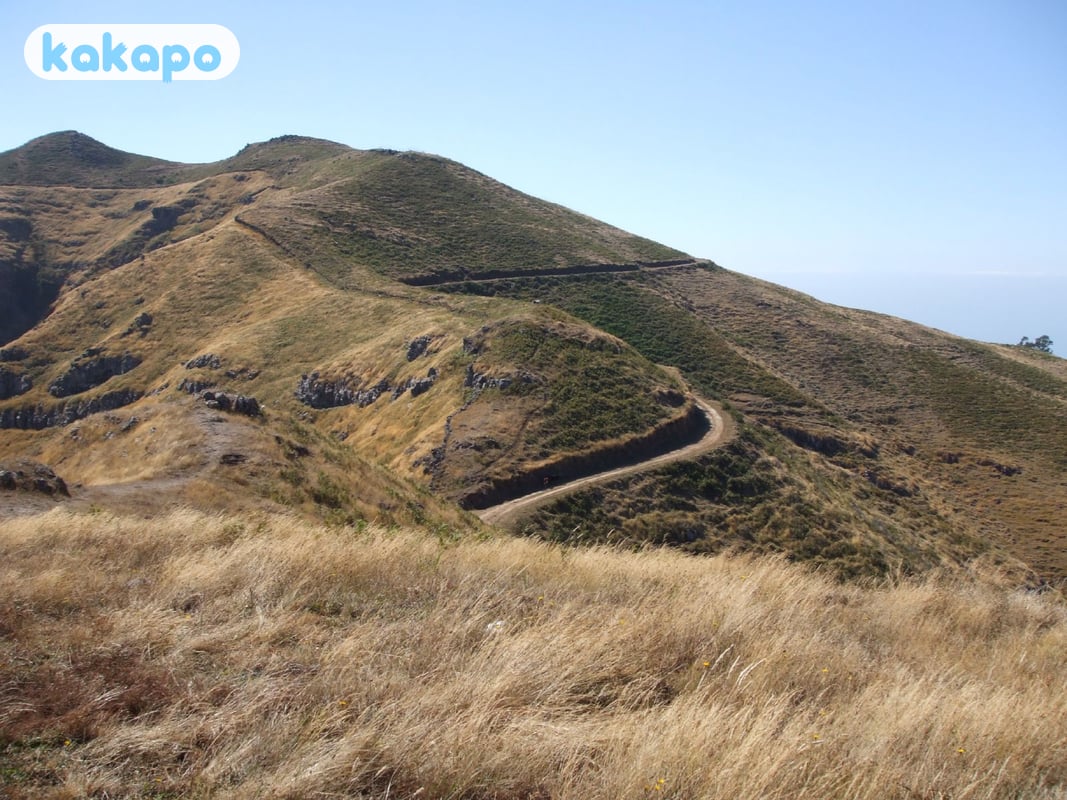
- Madeira's roads: modern by infrastructure but topographically wild. Tunnels everywhere; cliff-edge sections; sudden weather changes between the south coast (warm, sunny) and the north (cool, foggy).
- Driving: highway VR1 (south) and VE1 (north) are excellent. Older mountain roads are narrow.
- Pico do Areeiro / Pico Ruivo: the high mountain road above clouds. Drive in the early morning for the cloud-inversion view.
- Cabo Girão: 580 m sea cliff. The "skywalk" is the famous photo. Free, safe, glass-floor viewing.
- Renting a car: easy from the airport. Manual is the cheap option but the steep hills make automatic strongly recommended for non-Europeans.
Atlantic ocean and beaches
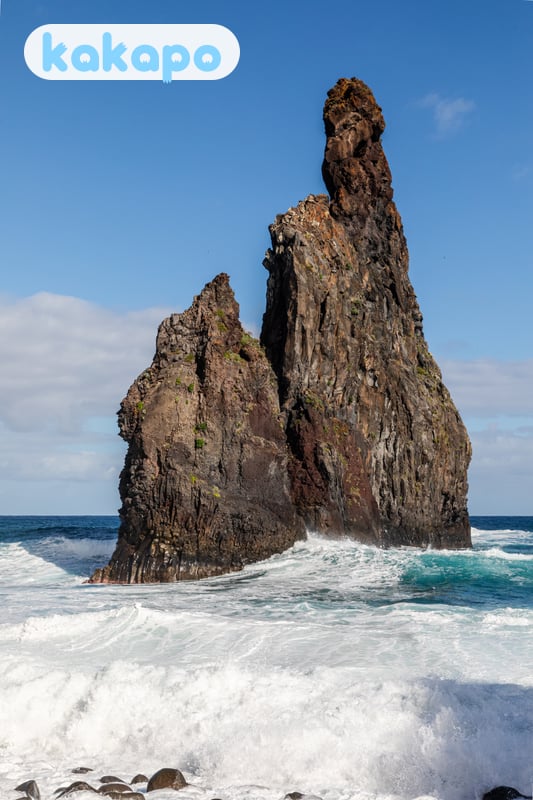
- Madeira has few sandy beaches — the island is mostly cliff. Most "beaches" are pebble or volcanic-rock pools.
- Porto Moniz natural pools: lava-rock pools refilled by tide. Beautiful and safe at low-mid tide. Don't enter when waves are crashing the seawall.
- Praia do Seixal: black-sand beach.
- Praia Formosa (Funchal): city beach.
- Atlantic swell: real. Heed lifeguard flags. Rip currents possible at exposed beaches.
- Whale-watching tours: Funchal-based. Reputable; sometimes-rough Atlantic seas. Take seasickness pills if prone.
Weather, the 2010 flood, the 2024 wildfires
- Madeira's "year-round spring": real. South coast 18-25°C most of the year.
- February 2010 flood: rare extreme rainfall caused mudslides in Funchal, ~50 dead. Genuine but rare event.
- August 2024 wildfires: major bushfires in the centre/north. Tourist sites were affected briefly; full recovery by autumn 2024. Long-term wildfire risk on warming-climate trajectory.
- Heed weather warnings: IPMA (Portuguese Met Office) issues red/orange/yellow alerts. Red = stay indoors.
Transport, the airport, the cable cars
- Funchal Airport (FNC): 18 km east. Famous short runway built on stilts over the sea. Aero-Bus 8.50€ to centre. Taxi €25-30.
- Cable cars: Funchal-Monte cable car (€18 return). Useful + scenic.
- Buses (Horários do Funchal): city + island routes. Cheap.
- Taxis: yellow, honest.
- Bolt and Uber: operate in Funchal.
Madeira island geography — beyond Funchal

- Funchal (south, capital) — the city. Covered in detail in the companion Funchal Portugal guide. Most visitors base here for 3-7 nights and day-trip the rest of the island.
- Câmara de Lobos (south-west, 10 km from Funchal) — pastel-painted fishing village where Churchill painted in 1950. Poncha bars (rum, honey, lemon), working harbour. €3.85 bus from Funchal.
- Cabo Girão (south-west, 20 km) — 580 m sea cliff, free glass-floor skywalk. One of Europe's tallest sea cliffs. Bus 7 from Funchal.
- Ribeira Brava + Ponta do Sol (south-west) — small south-coast towns with black-sand beaches and the digital-nomad community at Ponta do Sol (the village invested in fast internet to attract remote workers).
- Calheta + Madeira West Coast — yellow-sand beach (artificially imported sand from Morocco), banana plantations, the small Madeira west-coast surf scene. Calheta beach is the family answer to Funchal's pebble Praia Formosa.
- Porto Moniz (north-west) — the lava-rock natural pools, refilled by Atlantic tides. €1.50 entry. Don't enter when waves crash the seawall; closed in red-flag conditions. The drive from Funchal is 90 min via the south VR1 motorway then over the mountain pass to the north — itself the scenic highlight.
- São Vicente + Seixal + Ponta Delgada (north coast) — dramatic north-coast cliff villages. Praia do Seixal black-sand beach. The north coast is the wetter, cooler side — fog typical, 5°C cooler than Funchal.
- Santana (north-east) — the A-frame thatched houses (palheiros), now a tourist photo-stop. The PR1 Pico do Arieiro-Pico Ruivo trail descends to here.
- Pico do Arieiro (1,818 m) + Pico Ruivo (1,861 m) — the central mountain spine. Arieiro is reachable by car (45 min from Funchal); Ruivo requires the PR1 ridge hike (7 hours hut-to-hut) or a shorter climb from Achada do Teixeira. The cloud-inversion sunrise from Arieiro is Madeira's signature photograph; arrive 30 min before sunrise.
- Levada walks (across the island) — the 2,150 km of 18th-century irrigation channels with footpaths alongside. Levada do Caldeirão Verde (3-4h, partial post-fire closures through 2025 — check status), Levada das 25 Fontes (3h), Levada do Risco (1.5h), Levada do Rei (5-6h). All carry water from the wet north to the dry south of the island. Some have tunnels — bring a headlamp. Wide-path levadas are easy; narrow-cliff-edge levadas have killed several walkers (the 2017 Caldeirão Verde fatality at a closed section).
- Porto Santo (the sister island) — 9 km of golden sand beach, 50 km north-east. Ferry from Funchal 2h15 (€60-80 return), small plane 15 min. Day-trip workable; overnight better.
- Madeira airport landing reputation — covered in the Funchal city guide; same airport (FNC), same crosswind drama, same diversions to Porto Santo or Lisbon on stormy days.
If it's your first time visiting
- Best arrival: Cristiano Ronaldo Airport (FNC) is the only international option — 18 km east of Funchal. Aerobus 8.50€ to Funchal centre (~25 min), taxi €25-30. The famous stilts-over-the-sea runway and crosswinds produce dramatic approaches; diversions to Porto Santo or Lisbon happen on stormy days November-March. Travel insurance with weather-related diversion cover is worth confirming.
- Best season: year-round, with caveats. May-October for warm sea and full-island access; November-April for winter-sun warmth at 16-19°C but some high-altitude trails closed. August has historically been wildfire-prone (2024 was the worst since 2016) — check Proteção Civil's daily fire-risk maps before inland hiking in dry weeks.
- Best base for your first visit: Funchal city for 5-7 nights is the right answer for most. Rent a car for 2-3 of those days to do the island circuit; use Aerobus, taxis and tours the rest. Self-driving inland to Pico do Arieiro, the north coast, Porto Moniz and the levadas is dramatically more rewarding than the cruise-ship-tour version.
- Rent an automatic, not a manual: the Madeira gradients punish non-European drivers — VR1 + VE1 motorways are excellent (tunnels everywhere) but the ER-101 north coast road and the Pico do Arieiro access are switchback steep. €25-50/day automatic at the airport (Sixt, Avis, Europcar — book online before arrival for ~30% cheaper).
- Levada walking — the safety drill: hiking boots with grip (not trainers, not sandals), windproof layer (north-coast levadas pass through fog zones), 2L water, headlamp (many levadas have unlit tunnels), and offline maps (mobile signal drops in valleys). Tell your hotel your route. Don't levada-walk solo after heavy rain (rockfalls happen). Heed all "trail closed" signs — several levadas were closed permanently after fatal falls. The 2017 Caldeirão Verde fatality was a tourist who slipped at a closed section.
- Pico do Arieiro sunrise — the routine: drive from Funchal 45 min, arrive 30 min before sunrise (the gate is open 24h, no entry fee), park at the summit lot. Above-cloud inversion 80% of mornings. Cold at altitude even in summer (5-10°C at dawn) — bring layers, gloves, headlamp. Hot drinks at the summit café from 7am.
- The Monte toboggan — covered in the Funchal city guide. The wicker-sledge ride is a real-road 30+ km/h descent operated by two carreiros with rubber-soled shoes for brakes. €30-56 depending on group size, tip €5-10. Skip if you have back or neck issues. Travel insurance may not cover.
- Food beyond espetada: Restaurante Vista d'António (Caniço, Madeiran traditional, €25-40 head), Açor (Funchal Hotel Cliff Bay, vegetarian fine-dining); on the road, every village has a tasca serving espetada (beef on bay-laurel skewer), bolo do caco (garlic-butter flat-bread), and a glass of poncha. Madeira wine pairings: Sercial (dry), Verdelho (medium-dry), Bual (medium-sweet), Malmsey/Malvasia (sweet).
- Driving precautions: never drive mountain roads after dark in fog — visibility drops to metres, the cliff-edge older roads have no rails, and emergency response is far. The VR1 + VE1 are fine at night but the ER-101 north and the Encumeada pass are dangerous in low visibility. Park-and-walk at Pico do Arieiro and Cabo Girão — both have proper lots.
- Common rookie mistakes: ignoring closed-trail signs on levadas (the 2017 Caldeirão Verde fatality was exactly this); driving Pico do Arieiro for sunset rather than sunrise (clouds rise mid-morning and obscure the inversion view all afternoon); booking inland accommodation without a rental car (no useful public transport); attempting the Monte toboggan with back or neck issues (the ride is bumpy); over-buying organised cruise-ship tours that visit four sites in 6 hours when self-driving covers six in the same time; underestimating cold at altitude (3,200 m at Stubai-level temperatures are 10°C cooler than Funchal).
Practical info — emergency numbers
- European emergency: 112.
- Hospital Dr. Nélio Mendonça (Funchal): +351 291 705 600.
- Hospital Particular da Madeira (private): +351 291 003 300.
- Maritime rescue: 214 401 919.
Bring: hiking shoes, a headlamp for levada tunnels, layered clothing (cool at altitude, mild at the coast), an unlocked phone, a contactless card, and travel insurance with adventure-sports cover.
Frequently asked questions
Is Madeira safe to visit in 2026?
Yes — Madeira scores 86/100 here. Portugal sits at US State Department Level 1 and UK FCDO is the same. Crime against tourists is rare. The realistic risks are outdoor and environmental: levada-walk falls (the 2017 Caldeirão Verde fall killed a tourist who slipped at a closed section), the Monte toboggan ride (no helmets, real road), the winding mountain roads with sudden weather changes, Atlantic swell at exposed beaches, and the longer-tail risk of severe weather (the February 2010 Funchal flood killed ~50) and 2024-style wildfires in the centre and north.
Is Madeira safe at night?
Yes. Funchal's Zona Velha and seafront stay lively and well-policed late. Walking from a Rua de Santa Maria dinner back to a centre hotel is routine. Outside Funchal, the island is rural and very quiet by 22:00 — village restaurants close early. The genuine night risk is the mountain roads: don't drive Pico do Areeiro, the ER-101 north coast, or the older mountain routes after dark in fog. Levada walking after sunset is dangerous; many trails pass through unlit tunnels and cliff-edge sections without rails.
Is Madeira safe for solo female travellers?
Yes — one of Europe's easier solo-female destinations. Street harassment is rare, Funchal is small and walkable, and the cruise-and-retiree tourism profile keeps the atmosphere relaxed. The main awareness items are environmental: levada walking solo is risky — mobile signal drops in many valleys, falls can mean a long wait for rescue. Join a guided levada tour (€25-50) or walk with a partner, always carry water and a headlamp, and tell your hotel your route and expected return time.
Can you drink tap water in Madeira?
Yes. Madeira tap water is safe and EU-standard — drawn from mountain springs through the levada network itself. Restaurants will serve it on request as água da torneira. Some visitors find it mineralised; bottled is widely available. Carry a refillable bottle for levada walks — the easier walks (Levada do Caldeirão Verde, 25 Fontes) take 3-4 hours with limited fountains.
What's the biggest scam to avoid in Madeira?
Honestly, very little. Madeira has minimal scam culture — small island, regulars, visible police. The handful of patterns: cable-car ticket touts near the Old Town station selling 'discount' bundles (just buy from the official booth), unofficial parking 'attendants' near beach and viewpoint car parks demanding tips (Madeira parking is free or properly metered), DCC card-readers asking you to pay in your home currency rather than EUR, and harbour-front restaurants over-pricing the daily fish catch (ask weight and price per kilo). The Monte toboggan price is fixed (€30 for 2, €37.50 for 3) — ignore touts quoting different numbers.
How dangerous are Madeira's narrow mountain roads?
Real but manageable with the right vehicle and timing. The modern VR1 (south) and VE1 (north) highways are excellent — tunnels everywhere, good surface. The older mountain roads (ER-101 north coast, the routes to Pico do Areeiro and the Encumeada pass) are narrow, cliff-edged, and switch from sunny south coast to fog-bound north coast in minutes. Rent an automatic (manual is cheaper but the gradients are punishing for non-Europeans), drive Pico do Areeiro in the early morning for the cloud-inversion view, never drive mountain roads after dark in fog, and don't try the older routes if you're not confident on switchbacks. The 2010 flood and 2024 wildfires also occasionally close interior roads — check IPMA and Proteção Civil before heading inland in red-alert weather.
Sources
Run a business in Madeira?
Show visitors your Madeira business is a safe choice. The free Verified by Kakapo badge puts Madeira's live safety score on your website, links back to your verified page, and updates itself. No cost.
Get the free badge →