

Is Essaouira, Morocco Safe? A 2026 Travel Safety Guide
The trade-wind kitesurfing, the medina pickpockets, the road from Marrakech, the windswept beach, and the realistic risks of Morocco's chillest coastal town.

Essaouira is one of the calmer Moroccan tourist towns. The medina is small, walkable, less aggressive than Fez or Marrakech. Crime against tourists is uncommon.
The realistic risks for visitors are the famous Atlantic trade wind ("the Wind of God" — kitesurfers love it; beach loungers find it punishing), the medina pickpockets at peak hours, the road from Marrakech (3h, generally fine), and the conservative dress code.
Morocco sits at Level 2 on the US State Department's advisory list. UK FCDO is similar. The honest framing for first-time visitors: Essaouira is small (~80,000), Atlantic-coast port. The fortified UNESCO medina, the Skala de la Ville fort, the harbour with the famous blue boats, the long beach (windsurfing/kitesurfing capital), and Sidi Ghanem (Argan-oil cooperative) are the visitor anchors. Most visitors stay 2-3 days as a chill counterpoint to Marrakech.
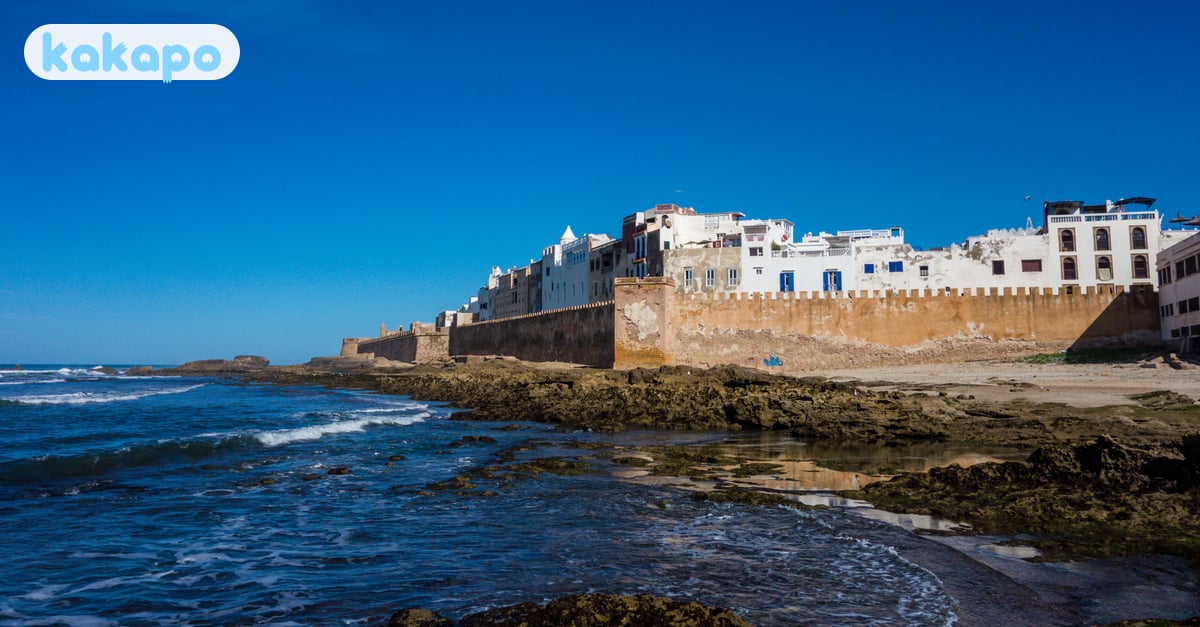
What makes Essaouira distinctive: it's the only major Moroccan town where the medina opens directly onto the Atlantic Ocean rather than facing inland. The fortified walls (Skala de la Ville to the north, Skala du Port to the south) were rebuilt by the French military engineer Théodore Cornut in 1764-1769 to a star-shape Vauban design, and the cannon emplacements along the seafront — half-buried in sand from centuries of Alizé wind — are the town's signature photograph. The medina inside is a small grid (you can walk it end to end in 25 minutes) of whitewashed houses with blue shutters and Thuya-wood doors, and the lanes are wider and straighter than Fez or Marrakech (because Cornut also laid out the medina, in straight-line French military style rather than the organic medieval pattern). The town's Gnaoua-music heritage (the Sufi trance-music tradition of the formerly-enslaved West Africans brought here) produces the annual Gnaoua and World Music Festival in late June, the biggest cultural event on the Moroccan calendar.
The town's three distinct visitor characters: wind-pinball Essaouira (kitesurfing, windsurfing, surf-school cluster on the main beach, April-September peak), bohemian Essaouira (Bob Dylan, Jimi Hendrix, Cat Stevens all visited in the late 1960s — the legend that Hendrix wrote "Castles Made of Sand" about the Diabat ruins south of town is false but the legend persists), and food-and-craft Essaouira (the open-air fish grills at the port, the women's argan-oil cooperatives on the road from Marrakech, the Thuya-wood marquetry workshops). In 2026, the practical updates: Essaouira-Mogador airport (ESU) has direct seasonal Ryanair flights from Marseille, London Stansted and Paris-Beauvais (mostly April-October); the Supratours bus from Marrakech runs 5 times a day at MAD 100-150 in 3 hours; the new coastal road south to Sidi Kaouki (30 minutes, the smaller surf-village alternative) is fully paved; and the Gnaoua Festival 2026 runs 18-21 June.
| Night safety | 60/100 |
|---|---|
| Scam / petty-crime risk | Medium |
| Violent crime (tourists) | Low |
| Most common scams | medina pickpockets at peak hours; over-portioning + inflated bill at open-air seafood grills; roadside touts at argan-oil cooperatives |
| Safer neighbourhoods | medina, port, beach |
| Data sources cited | 4 |
| Last verified |
What the score means — 77/100
- Air quality (92) — exceptional Atlantic trade-wind air.
- Personal safety (86) — high. Less aggressive faux-guide culture than Fez or Marrakech.
- Transport (80) — small enough to walk; petits taxis for outer.
- Healthcare (70) — basic clinic + Hôpital Sidi Mohammed Ben Abdellah; serious cases evacuate to Marrakech (3h) or Casablanca (5h).
The wind — and the kitesurfing scene
- The Alizé trade wind ("Taros"): blows reliably from the north. Kitesurfers and windsurfers love it; beach-toweling tourists find it shocking.
- Kitesurf season: April-September peak; mostly year-round.
- Reputable schools: Ocean Vagabond, Gipsy Surfer, Explora Watersports.
- Lessons: 800-1,500 MAD ($80-150) per half-day intro.
- Equipment quality: reputable schools maintain modern kit; cheap walk-up rentals less reliable.
- Atlantic water temperature: cool. 17-22°C summer. A 3mm wetsuit is standard.
- Sand-blasting: the wind carries sand. Sunglasses + a buff if you want to walk the beach without abrasion.
The medina — easier than Marrakech
- The medina: UNESCO. Smaller than Marrakech or Fez; layout less confusing.
- Faux-guides: present but less aggressive.
- Pickpockets: low-level at the busy gates (Bab Doukkala, Bab Marrakech).
- Carpet/jewellery shops: less pressure than Marrakech.
- Photography of locals: ask permission.
- Solo women: catcalling rare. Modest dress reduces.
- Walking back to your riad at midnight: generally safe.
The port — the blue boats and the food
- The fishing port: famously photogenic blue boats.
- Open-air seafood grills: at the port. Cheap and good — pick your fish at the iced display, they grill it.
- Pricing transparency: confirm price by weight before they cook. "Tourist scam" pattern is over-portioning + inflated bill.
- Argan-oil cooperatives: en route to/from Marrakech. Buy from women's cooperatives (Tighanimine, Marjana) rather than roadside touts.
- Street cats: Essaouira has hundreds. Don't pet.
The road from Marrakech

- 175 km, 3h drive: well-paved.
- Supratours bus: 4-5 daily, ~MAD 100-150 ($10-15). Comfortable.
- CTM bus: also operates.
- Grand taxi: shared Mercedes; cheaper, faster, less comfortable.
- Self-drive: easy on the main road.
- Day trip from Marrakech: doable but long; better as overnight.
Dress code and conduct
- Modest dress: covered shoulders + knees in town. The beach itself is less conservative — beachwear at the beach OK.
- Walking through medina in beachwear: not OK.
- Same-sex relationships: illegal in Morocco; LGBT visitors should be discreet.
- Mosque entry: closed to non-Muslims.
- Ramadan: don't eat, drink, smoke in public during daylight.
- Drugs: don't.
Transport in town
Money, food, the cost story
- Currency: Moroccan dirham (MAD).
- Cards: at riads + tourist restaurants; cash needed for medina.
- ATMs: at banks in the medina and port area.
- Tipping: 10% restaurants.
- Tap water: not safe; bottled.
- Cost: cheaper than Marrakech. Mid-range dinner $10-25.
Essaouira corner by corner

- Medina (inside the walls) — the UNESCO-listed fortified town, laid out by French military engineer Théodore Cornut in 1764-1769 in a Vauban star-shape with straight-line streets (unlike the organic medieval medinas of Fez and Marrakech). Whitewashed houses, blue shutters, Thuya-wood doors. Three main north-south axes (Avenue de l'Istiqlal, Rue Sidi Mohammed Ben Abdallah, Rue Mohamed El Qory) make navigation easy. Walkable end to end in 25 minutes. Two main gates: Bab Doukkala (north, leading to the bus station) and Bab Marrakech (east, leading to the new town).
- Skala de la Ville — the seaward fortified rampart on the north of the medina, with the row of bronze cannons (Spanish, Portuguese, Dutch — captured from various 16th-18th century engagements) and the cannon emplacements with the Atlantic crashing below. The Skala has been the photogenic shorthand for Essaouira since Orson Welles filmed parts of Othello here in 1949. Free access; the artisan workshops in the casemates underneath sell Thuya-wood marquetry. Mind the wind on the wall — it's strong enough to take a hat clean off.
- The port (Skala du Port) — the working fishing harbour immediately south of the medina, with the famous blue wooden boats moored in rows (the colour is industrial paint to prevent algae, but it photographs beautifully). The open-air fish grills here are an Essaouira rite — you pick your fish at the iced display, they weigh it and grill it. Confirm price per kilo and the final weight before they cook to avoid the over-portioning scam.
- The beach — the long crescent south of the port, stretching 3 km to the village of Diabat. Wide, sandy, exposed to the full Alizé trade wind. Kitesurf and windsurf schools (Ocean Vagabond, Gipsy Surfer, Explora Watersports) cluster at the northern end. Camel and horseback rides along the beach available at the southern end (negotiate price firmly; MAD 100-200 for an hour is the going rate). The water is cool (17-22°C summer) — 3 mm wetsuit standard for any water sport.
- Diabat (Hendrix beach) — the small village 3 km south of the medina at the southern end of the beach, with the ruined Borj el-Berod fortress and the persistent legend that Jimi Hendrix wrote "Castles Made of Sand" about it (he didn't — the song predates his 1969 visit by two years, but the legend persists and the village welcomes it). The Auberge Tangaro is the famous bohemian retreat. Reachable by camel along the beach or a 10-minute petit taxi.
- Argan oil cooperatives — the women's cooperatives (Coopérative Marjana, Coopérative Tighanimine, Coopérative Targanine) on the road between Marrakech and Essaouira are the legitimate place to buy argan oil for cooking, cosmetics, and as gifts. Prices: MAD 150-250 ($15-25) for 250 ml cooking-grade, MAD 80-150 for cosmetic. Don't buy from roadside "cooperatives" that are middlemen at 2-3x markup. The cooperatives also do the famous "tree-climbing goats" demonstrations — though this is largely staged for tourists now (the goats are real and do climb the argan trees, but the trees on the main road have been deliberately planted and the goats hired).
- Gnaoua and World Music Festival — the biggest cultural event on the Moroccan calendar, late June (18-21 June 2026). Free outdoor stages at Place Moulay Hassan, ticketed nighttime venues, ~500,000 attendees over four days. The Gnaoua Sufi trance-music tradition (descendants of West African enslaved people, with its krakebs metal castanets and gimbri three-stringed bass lute) is the city's musical soul. Hotel prices triple; book by January.
- The wind — pinball, kitesurfing, parasol-physics — the Alizé trade wind ("Taros") blows reliably from the north most of the year, gusting 20-35 knots April-September. Kitesurfers and windsurfers travel here specifically for it; beach-loungers find it punishing because constant sand-blasting on the long beach is real. Sidi Kaouki (30 minutes south) and Moulay Bouzerktoun (30 minutes north) are the windier kite-specialist alternatives. The harbour side and Sidi Kaouki cove are calmer for swimming.
If it's your first time visiting
- Best arrival: Supratours bus from Marrakech (5 daily, MAD 100-150, 3 hours, comfortable) departing from Marrakech railway station — the bus drops you at Bab Doukkala, walkable into the medina. Direct seasonal Ryanair flights from European cities to Essaouira-Mogador (ESU) April-October. Self-drive from Marrakech is 175 km on the well-paved N1 in 3 hours. Grand taxis (shared Mercedes) are cheaper but cramped.
- Best riad for your first night: inside the medina for the once-in-a-lifetime walled-town experience — Riad Watier, Heure Bleue Palais (the grand-dame), Madada Mogador, Villa Maroc (the original Essaouira riad). Outside the medina near the beach for the surf-resort feel — Atlas Essaouira, Le Médina Essaouira Hotel Thalassa. Avoid first-night bookings deep in the souk lanes if you arrive after dark.
- Day 1 jet-lag friendly: walk the Skala de la Ville ramparts at golden hour for the cannon-line photograph, dinner at Restaurant Triskala or La Découverte in the medina, sleep in.
- Day 2 fish + beach: morning at the harbour fish grills (confirm price per kilo and weight before cooking — order sardines, sole, sea bream; MAD 100-200 for a generous lunch), afternoon kitesurfing lesson at Ocean Vagabond or beach walk to Diabat, sunset gin-and-tonic at Taros Café (rooftop bar facing the port).
- Argan oil at the cooperative: buy on the way back to Marrakech from one of the named women's cooperatives — Marjana, Tighanimine, Targanine — at MAD 150-250 for cooking-grade or MAD 80-150 for cosmetic. Don't buy from roadside "cooperatives" that are middlemen. Don't buy goat-tree-climbing demonstration photographs (largely staged).
- Common rookie mistakes: confirming a fish-grill price by piece rather than by weight (over-portioning is the city's signature tourist scam); walking through the medina in beachwear (modest dress, covered shoulders and knees, even though the beach itself is fine); ignoring the wind (windproof jacket year-round, sunglasses and a buff if you walk the long beach); booking the Gnaoua Festival week without a reservation (hotels triple-price, fill 6 months ahead); buying argan oil from roadside touts (2-3x cooperative prices); accepting "free guide" approaches at Bab Doukkala (less aggressive than Marrakech but still a tip-extraction setup).
- Currency: Moroccan dirham (MAD); USD 1 ≈ 10 MAD. Cards at riads and tourist restaurants; cash for the medina, fish grills, petit taxis, argan cooperatives. ATMs at Bank Al-Maghrib, BMCE and Attijariwafa branches inside the medina. Carry MAD 500-1,000 in small notes (especially 20, 50, 100 dirham).
- Modesty and conduct: covered shoulders and knees in the medina (both genders); beachwear at the beach OK; same-sex relationships illegal — LGBT visitors should be discreet; mosques closed to non-Muslims; Ramadan (17 February-18 March 2026) — don't eat, drink or smoke in public during daylight; drugs (kif/hash openly offered, harshly illegal in practice).
- Kitesurf school strategy: Ocean Vagabond (the established option, on the beach 1 km south of the medina), Gipsy Surfer, Explora Watersports. MAD 800-1,500 for a half-day intro, MAD 2,500-4,000 for a 3-day course. Avoid walk-up rentals from beach touts — equipment quality is unreliable and there's no safety boat. Atlantic water 17-22°C summer, 3 mm wetsuit standard.
- Day-trip alternatives: Sidi Kaouki (30 min south, smaller surf village, calmer swimming); Moulay Bouzerktoun (30 min north, the windier kite-specialist beach); Imsouane (1h45 north, the famous longboard wave); the argan-oil cooperatives on the road back to Marrakech.
Practical info — emergency numbers
- Police: 19.
- Ambulance: 15.
- Tourist Police (Brigade Touristique): visible at the medina gates.
- Hôpital Sidi Mohammed Ben Abdellah: small.
Bring: a windproof jacket year-round, sun protection (Atlantic UV), modest clothing for the medina, a Moroccan SIM (Maroc Telecom, Inwi), MAD cash, and travel insurance.
Frequently asked questions
Is Essaouira safe to visit in 2026?
Yes — Essaouira is among the calmer Moroccan tourist towns and one of the easier introductions to the country. US State Department lists Morocco at Level 2 (exercise increased caution, citing terrorism) and UK FCDO has no advisory against travel. Crime against tourists is uncommon. The fortified UNESCO medina is small and walkable, the faux-guide culture is noticeably less aggressive than Fez or Marrakech, and Tourist Police are visible at the main gates (Bab Doukkala, Bab Marrakech). The realistic risks are pickpockets in peak-hour souk crowds, the punishing Atlantic trade wind, and the standard Moroccan dress-code adjustments.
Is Essaouira safe at night?
Yes — Essaouira is one of the safest Moroccan towns after dark. The medina lanes are well-lit on the main routes, restaurants and cafés stay open until 10-11pm, and the harbour-side area is busy with locals walking. Walking back to your riad at midnight is generally fine. The wind drops most nights, making evening medina walks more comfortable than midday in summer. Petits taxis (blue) operate for the few rides to outer beach hotels — insist on the meter or agree price upfront.
Is Essaouira safe for solo female travellers?
Yes — Essaouira is widely considered one of the easier Moroccan towns for solo women. Catcalling and persistent shop approaches are noticeably rarer than in Fez or Marrakech. Modest dress (covered shoulders and knees) is the comfortable norm in the medina; beach attire is fine on the actual beach but walking back through the medina in beachwear is not acceptable. The town's surf and yoga-retreat scene means a steady mix of independent women travellers and lower-friction interaction with locals.
Can you drink tap water in Essaouira?
No — stick to bottled. Coastal supply is treated but mineral-heavy and many older medina riads have unreliable plumbing. Bottled water is cheap (5-7 dirhams for 1.5L) and ubiquitous. The famous port-side seafood grills serve filtered water by default. Avoid ice from non-tourist-grade venues and street fresh juice unless you trust the source.
What's the biggest scam to avoid in Essaouira?
The port-side seafood-grill bill inflation — you pick your fish at the iced display, they weigh and grill it, and then the bill arrives with mysterious 'over-portioning' charges. Confirm price per kilo and final weight before they cook, and stick to grills with posted prices and visible scales. Other recurring patterns: roadside argan-oil 'cooperatives' that are actually middlemen at 2-3x cooperative prices (buy from named women's cooperatives like Tighanimine or Marjana en route to/from Marrakech); unmetered petit taxi flat fares (insist on 'compteur'); and unlicensed walk-up kitesurf rentals using poorly-maintained kit instead of established schools (Ocean Vagabond, Gipsy Surfer, Explora Watersports).
Is the wind really as bad as people say?
It's genuinely strong — Essaouira's nickname is the 'Wind City of Africa' and the Alizé trade wind ('Taros') blows reliably from the north most of the year. Kitesurfers and windsurfers travel here specifically for it; beach-loungers find it punishing because of constant sand-blasting on the long main beach. April-September is peak wind season. Practical adjustments: a windproof jacket year-round, sunglasses and a buff if you want to walk the beach without abrasion, and consider the smaller sheltered beaches at Sidi Kaouki (30 min south) or the harbour side for calmer swimming. Atlantic water is cool (17-22°C summer) so a 3mm wetsuit is standard for any water sport.
Sources
Run a business in Essaouira?
Show visitors your Essaouira business is a safe choice. The free Verified by Kakapo badge puts Essaouira's live safety score on your website, links back to your verified page, and updates itself. No cost.
Get the free badge →