


Is Marrakech, Morocco Safe? A 2026 Travel Safety Guide
What's actually risky about the medina, the souks, the donkey carts, and the famously persistent street commerce.

Marrakech is broadly safe for tourists, but the medina (the old walled city) has one of the most aggressive tourist-commerce environments anywhere in North Africa. The realistic risks are not crime — they are persistent scams, navigation in the souk maze, the "let me show you my shop" tour that ends with high-pressure carpet sales, and the cultural-conduct expectations that catch some Western visitors out.
The UK FCDO and US State Department list Morocco at low advisory levels. Violent crime against tourists is uncommon. Tourist police patrol the medina, and major sites (Jemaa el-Fna, Koutoubia, Bahia Palace) have visible security. The 2024 Atlas earthquake affected the High Atlas region; Marrakech itself was minimally damaged.
The single most useful adjustment for first-time Marrakech visitors: "no, thank you" must be repeated firmly multiple times. Polite Western "no thanks" is typically read as "I'm thinking about it." This isn't rudeness; it's market culture.
What surprises most first-time visitors is the sensory layering. The medina hits you all at once — call to prayer five times a day, the spice market smell at Rahba Kedima, motorbikes weaving through metre-wide lanes, donkey carts hauling Coca-Cola crates past stalls of dyed wool. Moroccans are warm, hospitable to the point of comedy ("you must drink the mint tea — three glasses, this is the tradition"), and respect direct firmness more than polite British vagueness. Greet with "salaam aleikum" (peace be upon you, reply: "wa aleikum salaam"), tip 5-10% in restaurants, hand over cash with the right hand only (the left is impolite), and accept that haggling is the price-discovery mechanism, not a personal slight.
In 2026, the practical updates: the September 2023 Atlas earthquake remains a memory but Marrakech itself was minimally damaged and is fully operational — High Atlas village trails (Imlil, the Toubkal trek) have rebuilt their guesthouse infrastructure; Morocco's planned 2030 World Cup co-hosting (with Spain and Portugal) has accelerated airport and rail investment, with the new Marrakech high-speed line to Casablanca under construction; the e-Visa for many nationalities was extended and is straightforward online ($30, 72-hour processing); cashless payment is rolling out at the airport and most riads but the souks remain firmly cash-only; and CTM (the inter-city bus) reaches every Moroccan city affordably. The medina experience itself hasn't changed in 800 years and won't.
| Night safety | 72/100 |
|---|---|
| Scam / petty-crime risk | High |
| Violent crime (tourists) | Low |
| Most common scams | let me show you my shop tour ending in carpet shop pressure; henna ladies in Jemaa el-Fna demanding high fees; fake guides at the airport insisting they'll find you a hotel |
| Safer neighbourhoods | Gueliz, Hivernage, Palmeraie |
| Data sources cited | 4 |
| Last verified |
What the score means — 70/100
- Healthcare (72) — Polyclinique du Sud and Hôpital Privé Casablanca-Marrakech are the leading private facilities. Travel insurance recommended; major cases evacuate to Casablanca or Europe.
- Night (72) — Jemaa el-Fna at night is full of life and well-policed. Outside the medina at night, riad lanes are calm.
- Personal safety (70) — moderate. Pickpocketing in souk crowds; aggressive scams; harassment of women travellers in narrower lanes.
- Transport (68) — petits taxis (small red urban taxis) require haggling; the airport-taxi rip-off is real; rural roads to Atlas day trips can be challenging.
Medina scams — the long, specific list
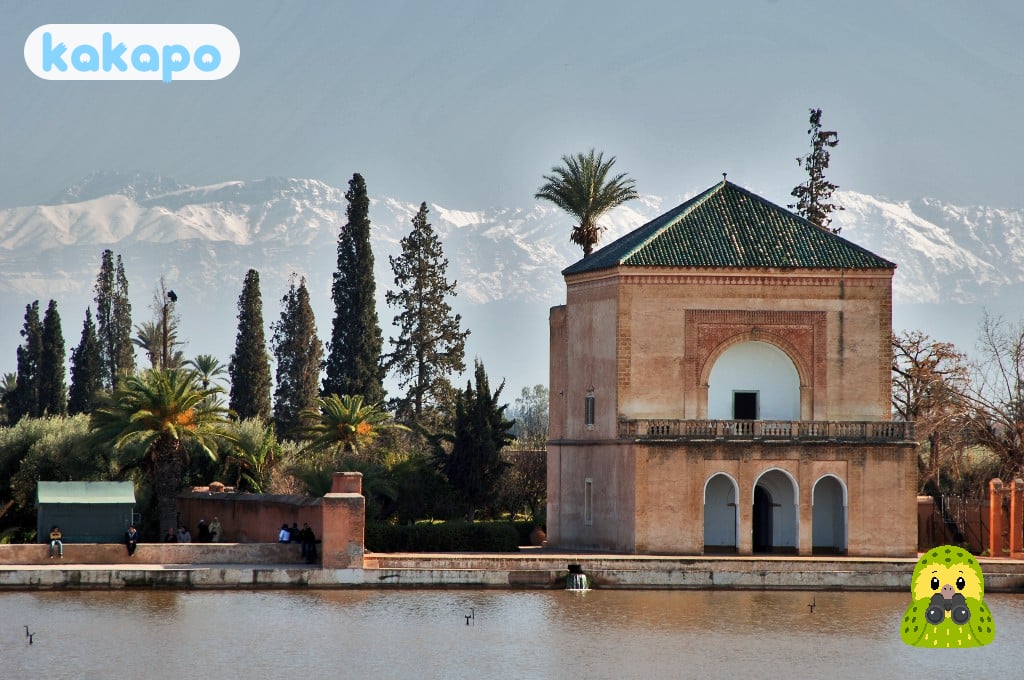
- "Let me show you my shop": a friendly local offers to "guide" you through the souk — for free or for a small tip. The "tour" ends at his cousin's carpet shop / leather workshop / spice store with high-pressure sales. Decline at the start.
- "This way is closed": someone tells you the lane you're walking on is closed for prayer, and offers to lead you somewhere else. Walk past. The lanes aren't closed.
- Henna ladies in Jemaa el-Fna: women grab your hand and start applying henna. Then demand 200-500 dirhams. Don't let anyone touch your hand; if it happens, accept whatever they did and pay 20-30 dirhams maximum.
- Snake charmers and Barbary apes in Jemaa el-Fna: a "free" photo turns into 100+ dirham demands. Walk wide; don't make eye contact.
- "Wrong restaurant" pitch: someone tells you the restaurant you're walking to is "closed" and offers to take you to "a better one." It's a kickback for them.
- Fake guides at the airport / train station: insisting they'll find you a hotel. Use prebooked riads.
- Carpet shop pressure: a "free" mint-tea visit turns into 60-90 minutes of guilt-tripped sales. Set a firm exit time. Real Berber rugs exist; not every shop has them.
- Restaurant tourist menus immediately around Jemaa el-Fna: walk one alley deeper for honest prices.
Souks — getting lost is normal
The Marrakech medina is a labyrinth of unmarked, near-identical lanes. Getting lost is part of the experience; the trick is staying calm.
- Google Maps doesn't work reliably in the souk — too many overhanging awnings disrupt GPS, and many lanes aren't mapped.
- Stay on the main thoroughfares if you're new: Souk Semmarine (main street from Jemaa el-Fna north) is wide, busy, and has clear landmarks.
- Note your riad's location: most riads are unmarked from the street. Note the closest souk landmark.
- If you're truly lost: ask a shopkeeper, not a kid in the street. Tip 5-10 dirhams for a simple direction; 20-30 if they walk you 50 metres.
- Watch for motorbikes and donkey carts: the lanes are too narrow for cars but motorbikes use them at speed. Stand against the wall.
Solo female travel — practical context
Marrakech is one of the most-visited cities in Morocco for solo female travellers, and a city where the harassment level is real. Honest practical advice:
- Dress modestly: covered shoulders + knees in public. This isn't a strict legal requirement but is the comfortable level. Riad pools and rooftop terraces are "private" — Western swimwear fine there.
- Catcalling and unwanted attention: common in the medina, less so in Gueliz (the modern district). Sunglasses + headphones + don't engage.
- Avoid solo medina walks at night — not because of violence, but because the lanes are unlit and harassment is easier in the empty streets.
- Stay in riads with strong management: most guesthouse owners watch out for guests. Establishments with mostly-female staff (some boutique riads, hammams) are the most relaxed.
- If something happens: 19 (police) or 1577 (tourist police).
Petits taxis, ONCF, and Atlas day trips
- Petits taxis (red): metered by law, but most drivers refuse. Insist on the meter ("compteur, s'il vous plaît") or agree fixed price (~30-50 dirhams for short hops in the medina + Gueliz).
- Marrakech-Menara airport (RAK) to medina: real meter cost ~80-120 dirhams ($8-12). Scammers ask 300+ dirhams. Use the regulated taxi rank only.
- ONCF train to Casablanca, Rabat, Tangier, Fes: clean, modern, on-time. Cheap.
- Atlas day trips (Imlil, Ourika Valley, Aït Benhaddou, Ouarzazate): use established tour operators (Marrakech Excursions, Sahara-Magic, Naturally Morocco) or your riad's recommendation. Drivers vary; mountain roads in winter can have ice.
- Sahara overnight tours (3 days to Merzouga): long. Confirm operator's vehicle quality and overnight camp standards.
Areas — medina vs Gueliz
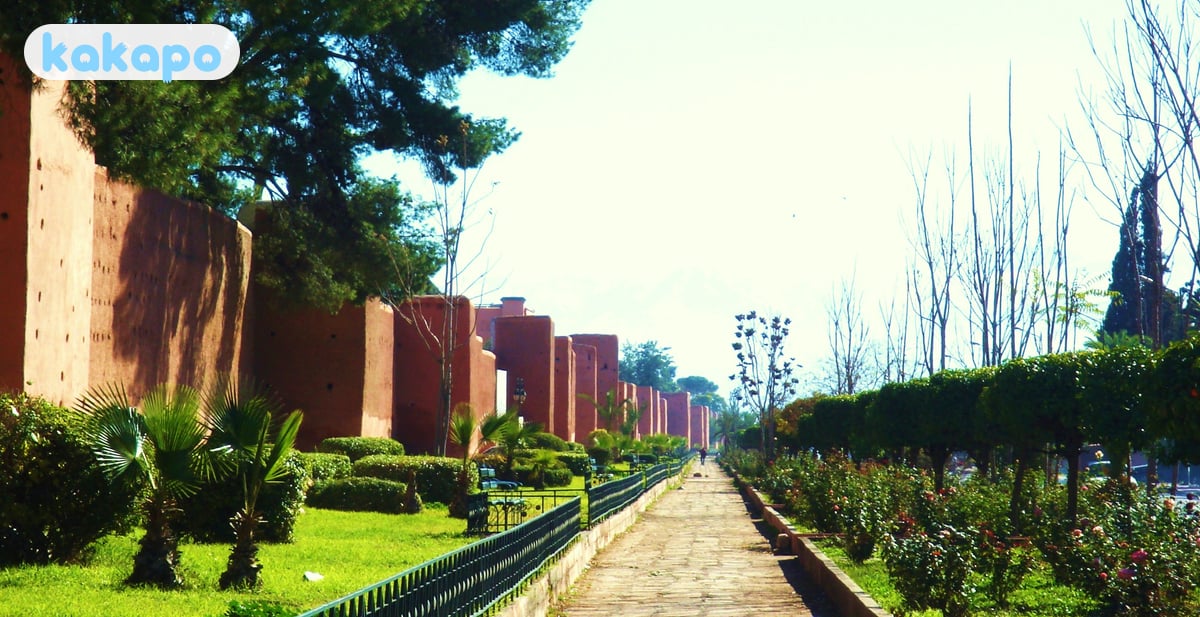
Medina (the old walled city): where most riads are. Atmospheric, intense, where most scams concentrate. Police and tourist-police presence is heavy.
Gueliz (the modern district, west of the medina): broader streets, modern restaurants, mall, multinational chains. Calmer pace; less aggressive commerce. Many travellers split a Marrakech trip between the two.
Hivernage: upmarket residential / hotel district. Calm.
Palmeraie: the palm-grove on the city's edge. Resort hotels; calm.
There are no specific "no-go" zones for tourists during daylight. Outside the city, the High Atlas trails and the rural roads are safe but require local-guide expertise for serious hiking.
Neighbourhood-by-neighbourhood breakdown
- Medina (the old walled city) — where most riads are. Jemaa el-Fna square, Koutoubia Mosque, the central souks, Bahia Palace, Madrasa Ben Youssef. Atmospheric and intense; this is where 95% of scams concentrate but also where the magic is. Police presence heavy at major sites.
- Mellah (the Jewish quarter) — south of the medina, the old Jewish district. Bahia Palace, El Badi, the Saadian Tombs. Calmer than the souks proper, very safe.
- Kasbah — south-east of the medina, around the Royal Palace. Calmer, more residential, easier to find your way around.
- Gueliz (Ville Nouvelle / New City) — west of the medina, French colonial grid. Wide streets, modern restaurants, the Majorelle Garden and YSL Museum, Carrefour supermarket. Calm pace; many travellers split a Marrakech trip 50/50 between medina and Gueliz.
- Hivernage — adjacent to Gueliz, upmarket five-star hotels and the Mamounia palace hotel. Very safe; quiet at night.
- Palmeraie — the palm-grove on the city's north-east edge. Resort hotels, low-density, calm. Best if you want to escape medina intensity but it's a 20-minute taxi each way to the action.
- Sidi Ghanem — industrial-design district north-west, home to many of the city's design and ceramics studios. Daytime visiting only; minimal nightlife.
If it's your first time visiting
- Best arrival airport: Marrakech-Menara (RAK), 6km west. Regulated taxi to the medina is 80-120 dirhams (~$10-12) — use the official rank, ignore drivers approaching you inside the terminal. Bus 19 to the medina is 30 dirhams. Many riads include a transfer in the room rate; arrange via WhatsApp before you fly.
- Pre-book your riad and arrange the medina meet-up. Most riads are unmarked from the street and the lanes don't have visible signage. Send your taxi driver to the closest plaza or named landmark, and have the riad send a porter to meet you there (small tip, 20 dirhams).
- Best neighbourhood for your first night: a riad in the medina for immersion (book one with a roof terrace for breakfast and sunset); or a Gueliz hotel for calmer first-night recovery. The Hivernage palaces (Mamounia, Royal Mansour, Selman) are extraordinary but expensive and isolated from the city's actual rhythm.
- Day 1, jet-lag friendly: rest on your riad's roof terrace until the heat breaks, walk the Bahia Palace and Saadian Tombs in late afternoon, end with sunset at Jemaa el-Fna watching the food stalls set up. Low-key, photogenic, no haggling required yet.
- Common rookie mistakes: accepting a "guide" who approaches you in the souk (always ends at a relative's shop — decline at first contact with "la, shukran"); letting a henna lady or snake charmer touch your hand for a "free" interaction (followed by 200-500 dirham demand); paying airport-taxi inflated rates (80-120 dirhams is the real fare); drinking heavily in public during Ramadan (eating, drinking, and smoking in public during daylight hours are culturally inappropriate and sometimes illegal); wearing shorts and tank tops in the medina (dress to mid-thigh and shoulders; you'll have a better time); not haggling 50-70% off the opening price in the souks (the carpet quote is always 3-5x what they'll actually accept).
- Set an exit time for any carpet/leather/spice shop visit. "We have a dinner reservation at 19:30" is a soft and effective exit. Mint tea is genuine hospitality; the 90-minute sales pitch after isn't an obligation.
- Plan one day off the city. The Ourika Valley, Imlil for Atlas village walking, or the day trip to Ait Benhaddou and Ouarzazate — Marrakech is intense and a day in the mountains resets you.
- Carry small denominations of dirhams — 5, 10, 20, 50. Vendors and tip recipients won't have change for a 200 dirham note.
Practical info — emergency numbers
- Police: 19.
- Tourist police: 1577.
- Ambulance / fire: 15.
- Royal Gendarmerie (rural / motorways): 177.
- Polyclinique du Sud (private, Marrakech): +212 524 44 79 99.
Bring: modest clothing, comfortable shoes for the souks, a card without foreign-transaction fees (Visa/Mastercard work; Amex less reliably), USD or EUR cash to convert at the airport, an unlocked phone (Maroc Telecom, Inwi, Orange Morocco prepaid SIMs), and travel insurance documentation. Tap water is treated; most visitors stick to bottled.
Frequently asked questions
Is Marrakech safe to visit in 2026?
Yes, with the usual medina-scam adjustments. US State Department lists Morocco at Level 2 (exercise increased caution, citing terrorism) and UK FCDO has no advisory against travel. Violent crime against tourists is uncommon; tourist police patrol Jemaa el-Fna and the major souk lanes. The 2023 Atlas earthquake affected the High Atlas region; Marrakech itself was minimally damaged and tourist infrastructure is fully operational. The realistic risks are scams and harassment, not crime — and the difference matters.
Is Marrakech safe at night?
Jemaa el-Fna at night is the main attraction — alive with food stalls, musicians, and storytellers, and visibly policed late. The main souk thoroughfares (Souk Semmarine) stay busy until shops close around 9-10pm. The deeper unlit medina lanes empty out after that and are best avoided alone, particularly for women — not because of violence but because harassment is easier in empty streets. Gueliz (the modern district) is calm and walkable late. Petits taxis run all night; agree the fare upfront or insist on the meter.
Is Marrakech safe for solo female travellers?
It's doable but the harassment level is real, especially in the medina. Catcalling, persistent 'come into my shop' approaches, and unwanted 'guide' offers are routine — sunglasses, headphones, and a firm repeated 'la, shukran' are standard kit. Dress modestly (covered shoulders and knees) for comfort, not legal requirement; riad rooftops and pools are private spaces where Western swimwear is fine. Avoid solo medina walks after dark. The henna-ladies scam in Jemaa el-Fna specifically targets women — don't let anyone grab your hand. Choose a well-managed riad with watchful staff.
Can you drink tap water in Marrakech?
Technically the tap water is treated, but most visitors stick to bottled because of mineral content, occasional supply issues, and old riad plumbing. Bottled water is cheap (5-7 dirhams for 1.5L) and ubiquitous. Avoid ice in non-tourist-grade venues and street fresh juice unless you're confident in the source. Restaurants in tourist zones serve filtered water by default.
What's the biggest scam to avoid in Marrakech?
The 'let me show you my shop' guided tour — a friendly local offers to walk you through the souk for free or a small tip, then steers you into a relative's carpet/leather/spice shop for 60-90 minutes of high-pressure sales. Decline at the very first approach with a firm 'la, shukran' and keep walking. The other reliable ones: henna ladies in Jemaa el-Fna grabbing your hand then demanding 200-500 dirhams (don't let anyone touch you, pay 20-30 max if they did); 'this way is closed for prayer' redirect leading to a different shop; airport taxis quoting 300+ dirhams to the medina (real meter cost is 80-120 — use the regulated rank); and snake-charmer/Barbary-ape 'free photo' demands in the square.
How do I avoid getting lost in the medina?
Accept that you will, and use it. Google Maps is unreliable in the souk because of overhanging awnings and unmapped lanes. Stay on Souk Semmarine (the wide main route north from Jemaa el-Fna) when you're new, and note your riad's closest landmark since most riad facades are unmarked. If you're truly lost, ask a shopkeeper rather than a kid in the street — they're more reliable and 10-20 dirhams tips a useful direction. Watch for motorbikes and donkey carts using the narrow lanes at speed; stand against the wall when you hear them. Aim to be out of the deepest souks before dusk on your first day.
Sources
Run a business in Marrakech?
Show visitors your Marrakech business is a safe choice. The free Verified by Kakapo badge puts Marrakech's live safety score on your website, links back to your verified page, and updates itself. No cost.
Get the free badge →