


Is Giza, Egypt Safe? A 2026 Travel Safety Guide
The Pyramids tout culture, camel-and-horse scams, scorching summer heat, the Grand Egyptian Museum, the Cairo-traffic transit, and the realistic risks of the world's most-visited archaeological site.

Giza is moderately safe for tourists. Crime against visitors at the pyramid plateau itself is uncommon (heavy tourist-police presence). The defining tourist-experience problem is the famously aggressive tout-and-scam culture: camel/horse rides, "free" guides, photographer hustles, "the temple is closed, follow me" redirects, and the surrounding Nazlet El-Semman village vendors.
Egypt sits at Level 3 on the US State Department's advisory list (with Level 4 carve-outs for Sinai + Western Desert), but Cairo + Giza have a lower per-incident risk for ordinary visitors. UK FCDO is similar.
The honest framing for first-time visitors: Giza is part of the Cairo metro (~9 million metro). The Giza Plateau (Pyramids + Sphinx + Solar Boat Museum), the new Grand Egyptian Museum (opened in phases 2024-2025, the world's largest archaeological museum), and the Saqqara + Dahshur pyramid alternatives are the visitor anchors. Most visitors stay in central Cairo and day-trip to Giza, or stay at the pyramid-view hotels (Marriott Mena House — yes, that's the one — and the new Grand Hyatt Pyramids View).
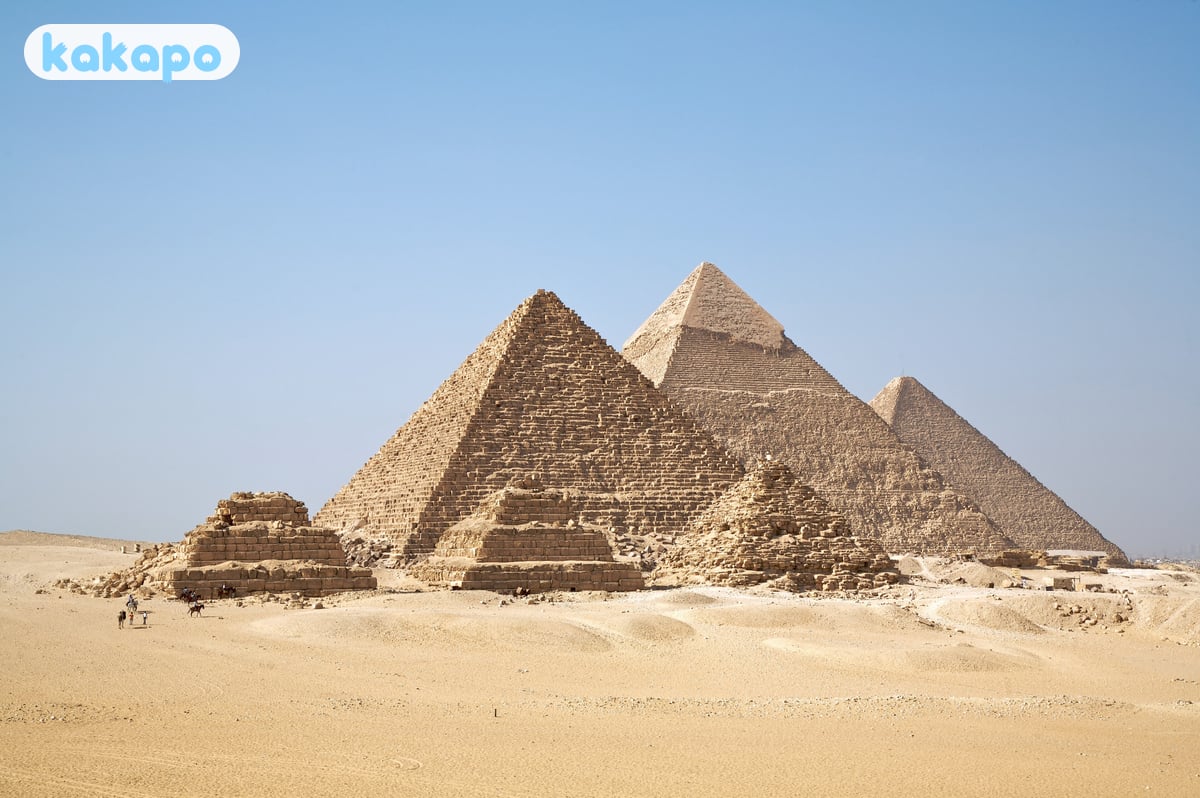
The thing that catches first-time visitors most off-guard isn't the touts (you brace for those) — it's how close Giza is to ordinary urban Cairo. The pyramid plateau sits directly behind the dense, humming village of Nazlet El-Semman, where children chase footballs through camel stables and KFC delivery scooters thread the same lanes as horse-drawn carts. The 4,500-year-old Pyramids are visible from McDonald's drive-thrus on Pyramids Road, and that juxtaposition takes most visitors a moment. The hidden tunnels and inner-chamber scams (where touts offer "secret access" via the plateau perimeter wall) are a real and current pattern; so are the bait-and-switch camel/horse rides where $5 mounts demand $50 dismounts. Tourist Police 126 is your defence, and they do actually respond.
In 2026 the practical changes since pre-pandemic: the Grand Egyptian Museum (GEM) has opened in phases through 2024-2025 with the full Tutankhamun collection — pre-book at gem.gov.eg (LE 1,200 / ~$25); Uber and Careem both work in Cairo and Giza and are the universal taxi default (skip the metered-street-taxi scam patterns); a new electric tram from GEM to the plateau is in soft-launch; and the Sphinx and Khufu pyramid interior tickets are now sold via timed-entry online to reduce queue chaos.
| Night safety | 52/100 |
|---|---|
| Scam / petty-crime risk | Medium |
| Violent crime (tourists) | Low |
| Most common scams | hidden tunnels scam at the Giza Plateau; free guide approach at the Giza Plateau; photographer touts at the Giza Plateau |
| Safer neighbourhoods | central Cairo, pyramid-view hotels |
| Data sources cited | 4 |
| Last verified |
What the score means — 73/100
- Personal safety (70) — moderate. Tourist-police presence at the plateau; aggressive scams.
- Air quality (70) — Cairo Valley pollution; dust haze.
- Healthcare (70) — As-Salam International Hospital + Cleopatra Hospital tourist-grade.
- Transport (64) — chaotic; Cairo Metro doesn't reach Giza directly.
The Pyramid touts — what you'll actually face
- Camel and horse rides: agreed price upfront in writing if possible. Standard pattern: $5 quoted, $50 demanded after dismounting.
- "Free guide" approach: leads to commission shop or "donation" demand at end.
- "Don't go that way, the security is closed, follow me": redirect to camel-rental relative.
- Photographer touts: take photo, demand money, threaten to delete if you don't pay.
- "Special access to inside the pyramid": standard tourist-guide pretext. Real interior tickets are LE 600 + sold at entrance.
- The defence: book through a reputable agency (Memphis Tours, Egypt-specific Viator operators), or hire an official Ministry-of-Tourism-licensed guide (badge with photo).
- Don't let touts touch your bag, camera, or phone: standard distraction-grab pattern.
Summer heat
- July-August: 35-42°C standard. Pyramid plateau has no shade.
- Plan: arrive 8am for the cooler morning; leave by 11am. Or evening 4-6pm.
- Hydration: 2-3L water/person.
- Best season: October-March. December-February pleasant.
The Grand Egyptian Museum

- The Grand Egyptian Museum (GEM): opened in phases 2024-2025. World's largest archaeological museum.
- Tickets: LE 1,200 (~$25). Pre-book online to skip the queue.
- Tutankhamun's full tomb collection: over 5,000 items, fully displayed for the first time since their 1922 discovery.
- Plan a full half-day minimum; allow more if interested.
- Walking distance to plateau: 1 km. Tour buses connect.
- Old Egyptian Museum (Tahrir Square): still open with reduced collection. Many tour itineraries do both.
Transport — Uber, taxis, the airport
- Uber + Careem: both work in Cairo + Giza. Cheap; the practical default.
- Don't take street taxis: meter pattern: "broken", inflated demand at destination.
- Cairo Metro: extensive; doesn't reach Giza Plateau directly.
- Cairo International Airport (CAI): 40-60 min from Giza. Pre-booked transfer EGP 600-1,000 ($12-20).
- Don't drive yourself: Cairo traffic is among the world's most chaotic.
Dress + conduct
- Modest dress: covered shoulders + knees recommended at the plateau. Long sleeves help with sun.
- Mosques: women cover hair + arms.
- Photography of locals: ask first; tip if they pose.
- Solo women: catcalling reported; modest dress + walking with a male companion or in a group reduces.
- Ramadan: don't eat/drink/smoke in public during daylight.
Money, food, the cost story
- Currency: Egyptian pound (EGP). $1 ≈ EGP 49-50.
- USD widely accepted: at hotels and tour bookings.
- Tipping (baksheesh): small tips expected throughout — porter LE10-20, housekeeping LE20-50/day, restaurants 10%, drivers + guides 10-15%.
- Tap water: not safe; bottled.
- Cost: 5-star pyramid-view hotels $200-500/night; mid-range Cairo $80-150.
Pyramids access, neighbourhoods and the day-trip alternatives

- Pyramids access — main entrance: the official Giza Plateau gate is on Al-Haram Street; tickets sold at the gate (LE 540 for plateau, LE 600 for Khufu interior, LE 220 for Khafre interior, LE 100 for Solar Boat Museum). The plateau opens 07:00; arrive 08:00 to beat heat and tour-bus waves.
- Pyramids access — secondary entrance: the eastern gate near the Marriott Mena House gives quieter access if you're staying nearby. Same tickets.
- Nazlet El-Semman village — the dense village wrapping the plateau on the eastern and southern sides; horse stables, camel touts, souvenir shops, and where most of the camel/horse-ride scam operators live. Daytime walkable with a local guide; not for solo evening wandering. The KFC and Pizza Hut on Pyramids Road famously have plateau views from upper-floor terraces.
- Hidden Tunnels scam — touts at the plateau perimeter offer "secret access to hidden tunnels" or "the unknown chamber" — there are no such things. The advertised "hidden chambers" are at best unrestored areas accessible only to archaeologists with permits. Don't follow.
- Camel and horse rides at the plateau — the universally documented bait-and-switch: $5-10 quoted for "a short ride", $50-100 demanded at dismount, sometimes with the camel refusing to lie back down (camels are tall; getting off without their cooperation is genuinely difficult). The defence: agree the full price and full route in writing, including the dismount, before mounting. Or simpler — decline and walk. Memphis Tours and Egypt-specific Viator operators arrange honest rides if you want one.
- Tourist Police 126 — the dedicated tourist-protection number; respond at the plateau, Sphinx, Egyptian Museum, and Khan el-Khalili. Visible in white uniforms. They will actually intervene against aggressive touts when called.
- The Sphinx — at the eastern edge of the plateau, between the Pyramid of Khafre and the modern boulevard; the famous limestone monument. Same ticket as the plateau. Sound-and-Light Show evenings (LE 600, 19:00 and 20:00, English on schedule).
- The Grand Egyptian Museum (GEM) — 1 km from the plateau; pre-book at gem.gov.eg, LE 1,200 / ~$25; plan a half-day minimum. The full Tutankhamun collection is here, plus the colossus of Ramesses II.
- Saqqara day trip — 30 km south of Giza; the Step Pyramid of Djoser (the world's oldest stone pyramid, 2670 BCE) and the Serapeum. LE 450 entry. Combine with Dahshur (Bent Pyramid, Red Pyramid, LE 200) for a full quieter-than-Giza day. Memphis Tours run the standard Saqqara+Dahshur+Memphis itinerary for $60-90.
- Pyramid-view hotels — Marriott Mena House (the historic 1869 hotel adjacent to the plateau), Grand Hyatt Pyramids View (newer, opened 2024), Tolip Pyramids, Le Méridien Pyramids. Staying here saves the daily commute through Cairo traffic.
If it's your first time visiting
- Best arrival airport: Cairo International (CAI) — 40-60 min east of Giza depending on traffic. Pre-booked transfer EGP 600-1,000 ($12-20) via your hotel; Uber/Careem EGP 400-700 ($8-15). Don't take street taxis from the airport — meter is "broken" and the demand inflates at destination.
- Public transport: Cairo Metro is extensive and cheap (EGP 10-20) but does not reach the Giza Plateau directly — closest is Giza station, then a 6 km Uber/Careem ride. For Pyramids access, just use Uber/Careem — EGP 80-150 from central Cairo, EGP 30-60 from Giza-area hotels.
- Best neighbourhood for your first night: Marriott Mena House or Grand Hyatt Pyramids View if you want plateau-view luxury and short walks to the gate; central Cairo (Zamalek island, Garden City, Downtown near Tahrir Square) if you want broader Cairo access and shorter Egyptian Museum / Khan el-Khalili commutes.
- Day 1, jet-lag friendly: arrive at the plateau gate by 08:00 (before heat and tour-bus crowds), 90 min plateau walk including Sphinx, 11:00 GEM visit (1 km away, pre-booked entry — half-day commitment), late lunch at Khufu's restaurant on the plateau or 9 Pyramids Lounge. Skip the camel scams; book a proper horse-and-pyramids tour through Memphis Tours if you want a ride.
- Common rookie mistakes: arriving at the plateau at noon (35-42°C in summer with no shade — arrive 08:00 or 16:00), accepting "free guide" offers (commission shops at the end), agreeing to camel rides without written full-price-including-dismount (the $5-to-$50 bait-and-switch), drinking tap water (bottled with sealed cap intact, even for teeth-brushing if sensitive), photographing locals without permission (they'll demand baksheesh), dressing immodestly (shoulders and knees covered — long sleeves also help with sun), tipping in dollars (use Egyptian pounds for baksheesh).
- Currency and tipping (baksheesh culture): Egyptian pound (EGP), $1 ≈ EGP 49-50. USD widely accepted at hotels and tours. Card at hotels and bigger restaurants; cash everywhere else. ATMs at CIB, NBE, QNB inside bank branches. Baksheesh is expected throughout — porter LE 10-20, housekeeping LE 20-50/day, restaurants 10%, drivers and guides 10-15%, plateau bathroom attendant LE 5-10.
- Pre-book pyramid + GEM tickets online — egymonuments.gov.eg for plateau and chambers, gem.gov.eg for the Grand Egyptian Museum. Skip the queue and dodge the "the gate is closed, follow me" scam touts who try to redirect you while you're queueing.
- Hire a Ministry-of-Tourism-licensed guide with photo badge — runs $30-80 for half-day, dramatically improves the experience and shields you from plateau touts. Memphis Tours and Real Egypt Tours have reliably good guides.
- Modest dress and Ramadan — shoulders and knees covered at the plateau; women cover hair and arms at mosques. Ramadan (variable date): don't eat, drink, smoke or chew gum in public during daylight hours.
Practical info — emergency numbers
- Police: 122.
- Tourist Police: 126; visible at Pyramids + Sphinx + Old Cairo.
- Ambulance: 123.
- As-Salam International Hospital: +20 2 2524 0250.
- Cleopatra Hospital: +20 2 2414 3931.
Bring: modest sun-protective clothing, a hat, a refillable water bottle, an Egyptian SIM (Vodafone EG, Etisalat, Orange), USD cash backup, and travel insurance with full medical coverage. Book Pyramid + GEM tickets in advance; hire an official licensed guide rather than a plateau tout.
Frequently asked questions
Is Giza safe to visit in 2026?
Moderately — Giza scores 70/100. Crime against visitors on the pyramid plateau itself is uncommon thanks to heavy Tourist Police presence (dial 126), but the defining experience problem is the famously aggressive tout-and-scam culture: camel/horse rides, 'free' guides, photographer hustles, 'the temple is closed, follow me' redirects, and the surrounding Nazlet El-Samman village vendors. Egypt sits at US State Department Level 3 with Level 4 carve-outs for Sinai and Western Desert; Cairo and Giza have lower per-incident risk for ordinary visitors. Book through reputable agencies (Memphis Tours) or hire a Ministry-of-Tourism-licensed guide with photo badge.
Is Giza safe at night?
Most pyramid-area visitors are based at the pyramid-view hotels (Mena House Marriott) or in central Cairo, and don't wander Nazlet El-Samman after dark. The Pyramid sound-and-light show runs evenings and is fine accessed by hotel transfer. Uber and Careem both work and are the practical default — don't take street taxis (the 'meter is broken' pattern leads to inflated demand at destination). Cairo Metro doesn't reach the Giza Plateau directly. Tourist Police 126; regular police 122; ambulance 123; As-Salam International Hospital +20 2 2524 0250.
What's the camel/horse pyramid scam pattern?
It runs every visit. Touts at the plateau approach with friendly offers — '$5 for a ride to the Sphinx' — agree, mount up, and at the dismount point demand $50–100, sometimes refusing to bring the camel back down (camels stand up tall; getting off without their cooperation is hard). The defence: agree the full price in writing if possible, including the dismount, before you mount. Better, decline all camel/horse offers and walk. The other reliable scams: 'free guide' approaches leading to commission shops, photographer touts who snap a photo then demand money, 'special interior access' pretexts (real interior tickets are LE 600 at the entrance). Tourist Police 122/126 are visible at the plateau and Sphinx; report aggressive touts.
Can you drink tap water in Giza?
No — tap water in Egypt is not safe for foreign visitors to drink. Use bottled water (sealed, with the cap intact), avoid ice from informal vendors, and brush teeth with bottled if you're sensitive. Carry 2–3 litres per person on plateau visits — there's no shade and July–August hit 35–42°C. Currency is the Egyptian pound (EGP), with USD widely accepted at hotels and tour bookings. Tipping (baksheesh) is expected throughout: porter LE 10–20, housekeeping LE 20–50/day, restaurants 10%, drivers and guides 10–15%. Modest dress (covered shoulders and knees) recommended at the plateau and required for mosques.
When does the Grand Egyptian Museum open and is it worth a half-day?
Yes — the Grand Egyptian Museum (GEM) opened in phases through 2024–2025 and is the world's largest archaeological museum, walking distance (1 km) from the pyramid plateau. Tutankhamun's full tomb collection (5,000+ items) is displayed together for the first time since the 1922 discovery. Tickets LE 1,200 (~$25); pre-book online to skip the queue. Plan a full half-day minimum. The Old Egyptian Museum at Tahrir Square remains open with a reduced collection — many tour itineraries do both. The pyramid plateau itself is best arrived 8am before heat or 4-6pm evening; closed midday is the wrong window in summer.
Sources
Run a business in Giza?
Show visitors your Giza business is a safe choice. The free Verified by Kakapo badge puts Giza's live safety score on your website, links back to your verified page, and updates itself. No cost.
Get the free badge →