


Is Bruges, Belgium Safe? A 2026 Travel Safety Guide
What's actually risky in one of Europe's prettiest tourist towns — Markt pickpockets, cobbled streets, and the canal edges.

Bruges is one of the safer European tourist destinations — a small (~120,000 residents) UNESCO-listed medieval city that runs almost entirely on tourism. The realistic visitor concerns are pickpocketing on the Markt and Burg squares at peak hours, the slippery medieval cobblestones (especially when wet), the unrailed canal edges in some quieter alleys, and the genuine summer crowd density.
Belgium sits at low advisory levels in both UK FCDO and US State Department guidance. Crime against tourists in Bruges is rare; violent crime against tourists essentially unreported. The city's tourist economy is so dominant that most "incidents" are heat-related or twisted-ankle injuries, not crime.
The honest framing for first-time visitors: Bruges is calm, photogenic, and easy. A day-trip from Brussels (1h by train) covers the highlights; an overnight stay lets you see the city without the cruise-ship crowds in the early morning and late evening.
Visiting Bruges for the first time, the thing that catches most travellers off-guard isn't crime — it's how completely the city empties out after 6pm. The day-tripper tide ebbs and you're suddenly walking medieval lanes with maybe ten other people on them. This is why everyone who's been tells you to stay overnight. Bruges is in Dutch-speaking Flanders so greetings are "Goedendag" (formal hello) or "Hallo" (informal), switching to English without friction; trying a "dank u wel" thank-you marks you as making an effort. The food culture is genuinely good — moules-frites at any brasserie €22-28, waffles at Chez Albert €4 (the cone variety, eaten walking), De Garre's house tripel €4.50 in a hidden alley off Breidelstraat, real Belgian chocolate at Dumon or The Chocolate Line for €8-12 per 100g (the touristy "Bruges Brand" mass-market stuff at €25/box is the lift).
In 2026, the specific things that have changed since pre-pandemic include: the Belfort timed-entry online booking is now functionally mandatory in peak season — walk-up queues run 60-90 min at midday; the De Lijn tap-to-pay rolled out on every bus (€2.50 single, €7.50 day in West-Vlaanderen zone); the Brugge Card combined museum-and-transport pass is excellent value (€55 for 48 hours covering all 17 city-run museums); the Eurostar service from London directly to Brussels makes Bruges a 3h door-to-door possibility from St Pancras for the first time; and the city's restrictions on new short-term-rental listings have stabilised hotel inventory while pushing prices up — book 6-8 weeks ahead in summer.
| Night safety | 88/100 |
|---|---|
| Scam / petty-crime risk | Medium |
| Violent crime (tourists) | Low |
| Most common scams | pickpocketing on the Markt and Burg squares; horse-drawn-carriage drivers waving you over; boat-tour ticket reseller |
| Safer neighbourhoods | Markt, Burg, Minnewater Park |
| Data sources cited | 4 |
| Last verified |
What the score means — 86/100
- Night (90) — central Bruges quiets down after 9pm but is fully safe to walk. Restaurants close earlier than larger cities.
- Personal safety (90) — high. Pickpocketing concentrated at Markt, Burg, and Belfort queue. Otherwise low.
- Healthcare (88) — Bruges has AZ Sint-Jan and AZ Sint-Lucas hospitals. EU citizens with EHIC pay nothing.
- Transport (86) — De Lijn buses; the city centre is fully walkable. Bicycles popular.
Areas — the entire historic centre is safe
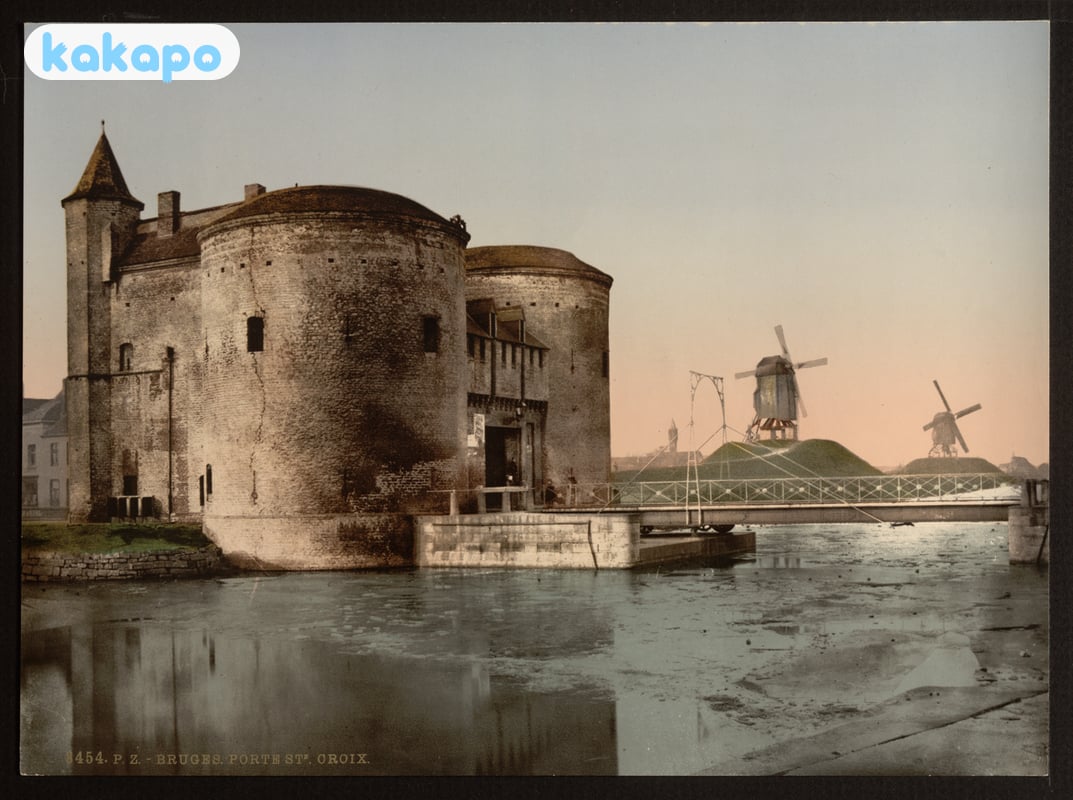
Recommended for visitors: Markt (the main square — Belfort tower, Cloth Hall), Burg (City Hall, Basilica of the Holy Blood), Minnewater Park (Lake of Love — photogenic), Begijnhof (medieval Beguine convent), Sint-Anna (residential old town), Sint-Jans Hospital area.
Day-trip from Brussels: 1h direct train to Bruges Station, then 15-min walk to the centre. Trains run every 30 min.
There are no specific zones to avoid in Bruges. The outer industrial areas (Sint-Pieters, Sint-Michiels) are residential and have no tourist relevance.
Cobblestones and canal edges
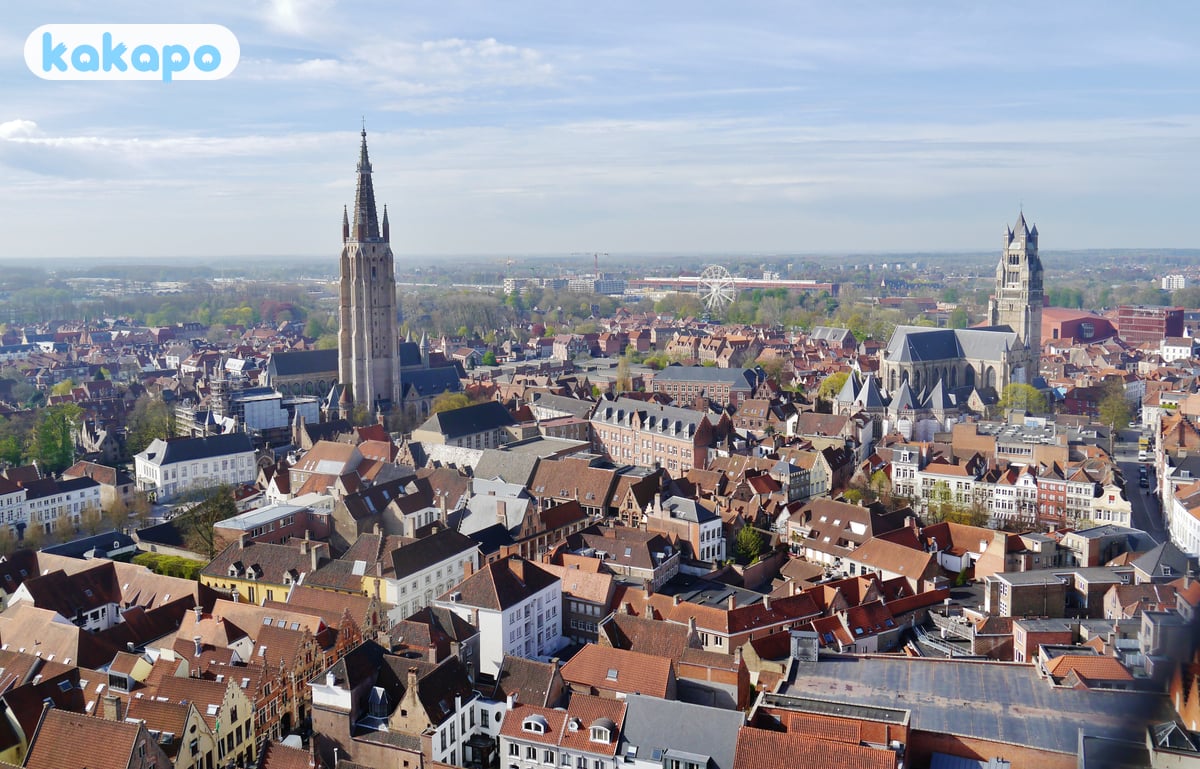
- Bruges' cobblestones are medieval and uneven; smooth in places from 800 years of foot traffic. Slippery when wet.
- Wear shoes with grip. Twisted-ankle ER visits at AZ Sint-Jan are recurring among tourists in heels or smooth-soled shoes.
- Canal edges: most of the city's canal-side paths are railed, but specific quieter sections (Groenerei, Spinolarei) have low or no railings. Sober daytime visits are completely fine; don't lean over the edge for photos.
- Boat tours on the canals are very safe; lifejackets on board.
Markt pickpockets and tourist-tax restaurants
- Pickpocketing at the Markt and around the Belfort queue at peak hours. Phone in front pocket.
- Restaurants on the Markt: tourist menus 30-50% above what you'd pay one street away. The Vlaamingstraat and Sint-Amandsstraat side streets have honest pricing.
- Chocolate shops: Bruges has both excellent independent chocolatiers (The Chocolate Line, Dumon) and overpriced tourist traps. Most quality difference shows in the price tier (€8-12 vs €25/box for similar weights).
- Beer: Bruges' beer scene is famous (De Garre, 't Brugs Beertje). Friendly locals; rare aggressive drunkenness.
Day Bruges vs night Bruges — the magic-hour rule
Bruges' single biggest tourism quirk: the city draws several million visitors per year — most of them day-trippers, almost all crowded between 10:00 and 17:00, almost all from cruise ships in Zeebrugge, day-tour buses from Brussels, or Eurostar arrivals. The historic centre is shoulder-to-shoulder from 11:00 to 16:00 in summer.
- Stay overnight: the single best decision. By 18:30 most day-trippers have left and the cobbled lanes empty out. Sunset on Markt, dusk reflections at Rozenhoedkaai, late-evening on the canals — this is what Bruges was photographed for.
- The 14:00-15:00 Markt clearout: many tours rotate at this hour. If you must visit in daytime, this is the calmest window.
- First boat tour of the day: 10:00 (Apr-Oct). Less crowded than midday. €12, 30 min, five operators with identical routes.
- Belfry climb: pre-book the timed-entry slot online — same-day queues run 60-90 min. Worth it for the view, painful on the 366 stairs in summer heat.
- Worst day: any cruise-ship day at Zeebrugge (April-October). The Bruges tourism office posts the daily cruise schedule.
- Sunday mornings: many shops closed; restaurants for lunch only. Plan museum-heavy.
- Christmas Market (late Nov-Jan): lovely, but the day-trip crowd is unchanged. Stay over for the magic.
Scams — minor, with one specific exception
- "Authentic Belgian lace" / "Belgian chocolate" shops: real Bruges-made lace is rare and expensive; most "Bruges lace" sold in tourist shops is machine-made imports. Real ateliers are at Kantcentrum (Lace Centre) or established named makers. Same for chocolate — Dumon, The Chocolate Line, BbyB are the established Bruges chocolatiers; tourist-strip shops often resell mass-market.
- Horse-drawn-carriage drivers waving you over: standard tourist activity, €60 for ~30 min for the whole carriage. Posted prices at the official Markt stand. Carriages without rank cards are unlicensed.
- Boat-tour ticket reseller: only buy from the licensed five operators at the canal landings. "Discount" tickets on the street don't work.
- Pickpocketing in Markt + Burg crowds: low-level but real in peak summer. Phone in front pocket.
- Bicycle theft: real. Lock your rental with the supplied lock; many B&Bs include secured overnight bike storage.
- Belgian fries "Vlaamse frites" / "Frietkot" pricing: most legitimate fritkots charge €4-5 for a cone. Anyone in the tourist strip charging €10+ is overcharging. Frietmuseum is touristy but real; the Markt-corner stalls and Chez Vincent are reliable.
- Card terminal DCC: always pay in EUR.
Getting around
- Walking: the entire historic centre is walkable end-to-end in 30 minutes.
- Bicycle rental: Bruges is bike-friendly; the Damme canal route (5 km north) is a popular ride.
- De Lijn buses: useful from the train station to Markt (15-min walk; bus also OK).
- Bruges Station to Markt: 1.5 km flat walk, or bus 1/11/13.
- From Brussels: SNCB direct train, 1h, €15-20.
- Brussels Airport (BRU) to Bruges: train via Brussels-North station, ~1h45m total.
Neighbourhood-by-neighbourhood breakdown
- Markt (Main Square) — the postcard centre, the Belfort tower, the Cloth Hall (Halletoren), the Provinciaal Hof. Heavily tourist-anchored; pickpocketing at peak hours; restaurants on the square are tourist-priced. Beautiful at dawn and after 7pm.
- Burg — east of Markt, the smaller administrative square, the Stadhuis (City Hall, with the spectacular Gothic Hall), the Basilica of the Holy Blood. Calm, very safe.
- Rozenhoedkaai — the most-photographed corner in Belgium, where two canals meet. Always busy in daylight; magical at golden hour and dawn.
- Sint-Anna — east, the residential old town beyond the canals, the Jerusalem Church and the Lace Centre (Kantcentrum). Quiet, atmospheric, very safe.
- Begijnhof / Minnewater — south of the centre, the medieval Beguine convent and the Lake of Love park. Tranquil, very safe, lovely in any weather.
- Sint-Salvator / South — around the cathedral and the Groeningemuseum. Quieter than Markt, equally safe.
- Around Bruges Station — 1.5 km south of Markt. Functional, modern, totally safe. Walk into the centre rather than the bus when arriving with light luggage.
- Sint-Pieters / Sint-Michiels / Assebroek (outer) — modern residential suburbs. No tourist relevance; fine and safe but irrelevant.
If it's your first time visiting
- Best arrival airport: Brussels-Zaventem (BRU), then SNCB train via Brussels-Nord to Bruges (1h45m total). Alternative: Lille-Lesquin (LIL) in France, then SNCB Eurostar/regional connections (90 min). Bruges has no airport.
- Getting in from Brussels: SNCB direct intercity train Brussels-Midi/Central/Nord → Brugge €15-20, 1h, every 30 min. From London, Eurostar London-Brussels-Midi 2h then connect to Bruges (about 3h door-to-door).
- Public transport: De Lijn buses from the station to Markt (15 min walk or bus 1/11/13, €2.50). The historic centre is fully walkable end-to-end in 30 minutes — most visitors barely use buses.
- Best neighbourhood for your first night: anywhere inside the canal ring is excellent. Around Sint-Anna or south of Markt for atmosphere and calm; right on the Markt for the convenience-and-noise trade-off. Avoid first-time bookings at outer Sint-Michiels — you'll spend an hour each day commuting.
- Day 1, jet-lag friendly: arrive late morning, drop bags, lunch at a side-street brasserie (avoid the Markt-square menus), Belfort climb in the afternoon with pre-booked timed entry, canal boat tour at golden hour (€12, 30 min, any of five operators), De Garre tripel before dinner. Sunset at Rozenhoedkaai is the cliché for a reason.
- Stay overnight if at all possible. The day-tripper exodus at 17:30-18:30 transforms the city. Mornings before 10am are equally magical.
- Common rookie mistakes: eating on the Markt (30-50% above one street back); paying €25 for "Bruges Brand" chocolate that's mass-market resold (go to Dumon, The Chocolate Line, or BbyB); wearing smooth-soled shoes on wet medieval cobbles (twisted-ankle ER visits are AZ Sint-Jan's recurring tourist case); not pre-booking the Belfort (60-90 min queues in summer); booking a Markt-side hotel without realising the Belfort carillon plays every 15 minutes from 8am.
- Belgian fries: from a frietkot stand, not a restaurant. Chez Vincent and the Markt-corner stalls are reliable; €4 with sauce, eaten standing up. The Frietmuseum is touristy but real.
- Bike to Damme: 5 km north along the canal. Rent at the station or at Bruges Bike Rental on Niklaas Desparsstraat (€15/day). One of the best European canal cycle routes.
Practical info — emergency numbers
- European emergency: 112.
- Police: 101.
- AZ Sint-Jan Hospital: +32 50 45 21 11.
Bring: shoes with grip, waterproof jacket, a card without foreign-transaction fees, an unlocked phone (Belgian SIMs at the airport), and travel insurance. Tap water is safe.
Frequently asked questions
Is Bruges safe to visit in 2026?
Yes — very. Bruges scores 88/100 and is one of the safer European tourist destinations. Belgium sits at Level 2 on the US State Department advisory (baseline). Crime against tourists is rare; violent crime against tourists is essentially unreported. The city's tourist economy is so dominant that most 'incidents' are heat-related issues, twisted ankles from cobbles or canal-edge slips, not crime. The realistic concerns: pickpocketing on Markt and Burg at peak hours, slippery medieval cobblestones when wet, unrailed canal edges in some quieter alleys, and summer crowd density driven by Zeebrugge cruise ships and Brussels day-trippers.
Is Bruges safe at night?
Yes — entirely. The historic centre quiets down after 9pm as day-trippers leave, but it stays well-lit and is fully safe to walk. Restaurants close earlier than in larger cities (most kitchens by 22:00). The post-18:30 emptying-out is actually Bruges' magic hour — Markt, Rozenhoedkaai and the canal reflections at dusk are what postcards photograph. Solo women routinely walk back to hotels from late dinners without issue. There are no zones to avoid; outer industrial Sint-Pieters and Sint-Michiels are residential and irrelevant to tourists.
Is Bruges safe for solo female travellers?
Yes — exceptionally. Bruges is among Europe's safest tourist destinations for solo women: small, walkable, well-lit, low aggression and a tourist-economy infrastructure that's built around helping visitors. Catcalling is essentially absent. Solo women dine alone, cycle the Damme canal route alone, and walk back from the Markt at midnight without issue. The only realistic caution is the slippery cobbles in wet weather and the unrailed canal sections on Groenerei and Spinolarei — don't lean over for selfies.
Can you drink tap water in Bruges?
Yes — Belgian tap water is safe and tested to EU standards. Bruges' supply is good quality. Public fountains are limited compared to Italian cities but cafés and B&Bs will fill a bottle on request. Restaurants serve tap water (kraantjeswater) on request, though Belgian custom historically defaults to bottled. The standard tourist refillable-bottle routine works fine here.
What's the biggest scam to avoid in Bruges?
Mass-produced 'authentic Belgian lace' sold by tourist-strip shops as Bruges-made handwork — most is machine-made imports from China at handwork prices. For real lace, visit Kantcentrum (the Lace Centre) or established named makers. Same logic applies to chocolate: Dumon, The Chocolate Line and BbyB are the established Bruges chocolatiers; tourist-strip shops often resell mass-market under Bruges branding. Other recurring cons: tourist-menu restaurants on the Markt (30-50% above one street back), unlicensed horse-carriage operators without rank cards, and DCC at card terminals (always pay in EUR).
Is Bruges worth staying overnight or just a day trip from Brussels?
Stay overnight if you possibly can — it's the single best decision for experiencing the city. Bruges draws several million day-trippers a year, almost all crowded between 10:00 and 17:00 from Zeebrugge cruise ships, Brussels day tours and Eurostar arrivals. The historic centre is shoulder-to-shoulder in summer midday. By 18:30 most day-trippers have left and the cobbled lanes empty out — sunset on Markt, dusk reflections at Rozenhoedkaai, the canals at night. Mornings before 10:00 are similarly magical. A day trip from Brussels (1h direct train, €15-20) covers the highlights but misses the actual Bruges.
Sources
Run a business in Bruges?
Show visitors your Bruges business is a safe choice. The free Verified by Kakapo badge puts Bruges's live safety score on your website, links back to your verified page, and updates itself. No cost.
Get the free badge →