


Is Jerusalem, Israel Safe? A 2026 Travel Safety Guide
The security context, the Old City quarters, religious-site protocols, the Temple Mount / Al-Aqsa rules, and the realistic risks for visitors.

Jerusalem is one of the most religiously and politically charged cities on Earth, and visitor safety here is shaped less by ordinary crime (which is genuinely low) than by the broader security context. Tourists who follow current government advisories, dress sensitively at religious sites, and avoid border-area protests have a safe trip; ones who don't can find themselves in situations that would not arise anywhere else.
Israel and the Palestinian territories sit at Level 3 on the US State Department's advisory list ("reconsider travel"), with Level 4 ("do not travel") for Gaza and certain West Bank areas. The UK FCDO advises against all travel to Gaza, against all but essential travel to certain West Bank zones, and currently issues active situational guidance for the Israeli northern border with Lebanon. Jerusalem itself sits within the broader Level-3 advisory.
The honest framing for visitors: under stable conditions, Jerusalem's tourist core (the Old City, the West Jerusalem cafés, Yad Vashem, Mount of Olives) is calm and safe to walk by day. Under flare-ups, the city becomes tense — closures, military presence, occasional violence, sometimes rocket warnings. Check current advisories within 48 hours of travel; this guide is a stable-conditions guide.
Visiting Jerusalem for the first time, the thing that catches most travellers off-guard isn't crime — it's how completely the city is shaped by the layered claims of three religions and the active geopolitical conflict that lies under everything. The Old City's four quarters (Jewish, Christian, Muslim, Armenian) operate by different rhythms: Saturdays the Jewish Quarter and West Jerusalem shut for Shabbat (sundown Friday to sundown Saturday); Fridays the Muslim Quarter packs for noon prayers at Al-Aqsa; Sundays the Christian Quarter has Holy Sepulchre services. The Hebrew greeting "Shalom" works in Jewish areas, "Salaam" or "Marhaba" in Muslim/Christian areas — switching contextually is appreciated. A falafel at Lina or Abu Shukri costs NIS 25-35 (~$7-10), Arabic coffee at the souq NIS 8-15, a shawarma at Shalom Falafel NIS 35-50, a Tower of David Museum entry NIS 60, an Uber from Ben Gurion to Jerusalem NIS 250-350.
In 2026, the specific things that have changed since pre-pandemic include: the situation has been shaped by the October 7, 2023 Hamas attacks and the subsequent Gaza war and regional tensions — tourist visits to Jerusalem have continued throughout but at much reduced volumes; checkpoints and security infrastructure remain heightened; the Old City sometimes closes specific gates for security; rocket-warning apps (Red Alert / Home Front Command) are essential to install before flying; flights have been disrupted intermittently throughout 2023-2025; the West Jerusalem light rail (Red Line) operates fully but increased security checks at stations are visible; and the new Jerusalem-Tel Aviv high-speed train (28 min) makes the day-trip flexibility easier.
| Night safety | 58/100 |
|---|---|
| Scam / petty-crime risk | Low |
| Violent crime (tourists) | Low |
| Most common scams | politically tense East Jerusalem neighbourhoods; Friday prayer time around Damascus Gate |
| Safer neighbourhoods | West Jerusalem, Old City, Mount of Olives |
| Data sources cited | 4 |
| Last verified |
What the score means — 82/100
- Healthcare (86) — Israeli healthcare is excellent. Hadassah Ein Kerem and Shaare Zedek are world-class.
- Air quality (80) — moderate. Jerusalem's hill location helps; occasional dust.
- Transport (78) — the light rail and buses are reliable. Taxis honest with meters.
- Personal safety (70) — pulled down by the security context, not by ordinary crime. Petty theft is genuinely rare.
Check the advisory within 48 hours of travel

This is the single most important safety step for any Jerusalem trip. The security situation can change between the time you book a flight and the day you arrive.
- Subscribe to your government's travel advisory: UK FCDO email alerts, US STEP enrollment, similar services in EU/AU/CA. They notify on situational changes.
- Israeli Home Front Command app: pushes rocket alerts to your phone. Genuinely useful in unstable periods. Free.
- If a flare-up is active: tour operators cancel without penalty in most cases; airlines reroute; some hotels hold deposits — check terms.
- The day-to-day baseline in Jerusalem is calm. Most of the year, the question is "where to eat" not "where to shelter".
The Old City — the four quarters

The walled Old City is divided into four quarters: Jewish Quarter, Christian Quarter, Muslim Quarter, and Armenian Quarter. All four are normally walkable for tourists, day and evening; the dynamics differ.
- Jewish Quarter: heavy police presence; the Western Wall plaza is the focal point. Modesty rules apply at the wall.
- Christian Quarter: the Church of the Holy Sepulchre; Via Dolorosa stations; busy, multi-Christian-denomination, generally relaxed.
- Muslim Quarter: the souk, residential, and the gateway to Al-Aqsa Mosque / Temple Mount. Calm under stable conditions; the most security-sensitive in flare-ups.
- Armenian Quarter: the smallest, quietest. Worth the walk.
- Modesty: covered shoulders + knees throughout religious sites. Ultra-Orthodox neighbourhoods (Mea Shearim) require particularly modest dress; tourists in shorts have been heckled.
- Friday afternoon-Saturday: Shabbat. Jewish Quarter very quiet; transport in West Jerusalem essentially stops. Old City Christian and Muslim Quarters continue trading.
- Friday prayers at Al-Aqsa: the highest-tension period in the calendar week. Avoid Damascus Gate area Friday 11am-2pm in tense periods.
Temple Mount / Al-Aqsa — the visit and the rules
- Names: Jews call it "Har HaBayit" (Temple Mount); Muslims call it "Haram esh-Sharif". The site holds Al-Aqsa Mosque and the Dome of the Rock.
- Non-Muslim visiting hours: limited. Typically Sunday-Thursday 7:30-10:30am and 1:30-2:30pm. Closed to non-Muslims on Fridays, Saturdays, and Muslim holidays. Check current rules at the Mughrabi Gate.
- Entrance: non-Muslims enter only via the Mughrabi Gate (near the Western Wall). Security check by Israeli police.
- Inside the mosques: non-Muslims cannot enter Al-Aqsa Mosque or Dome of the Rock. You can walk the platform.
- What not to bring: religious items not of Islam. Bibles, prayer books, anything visibly religious. They will be flagged.
- What not to do: pray, kneel, or be seen praying as a non-Muslim — this is a flashpoint. Visitors have been ejected for it.
- Modesty: long sleeves, long pants/skirts. Women may be asked to cover hair (though typically not non-Muslims).
- Photography: of the buildings yes; of worshippers no.
- If you're refused entry on a given day: don't argue. Try another day.
Areas — West, East, in-between
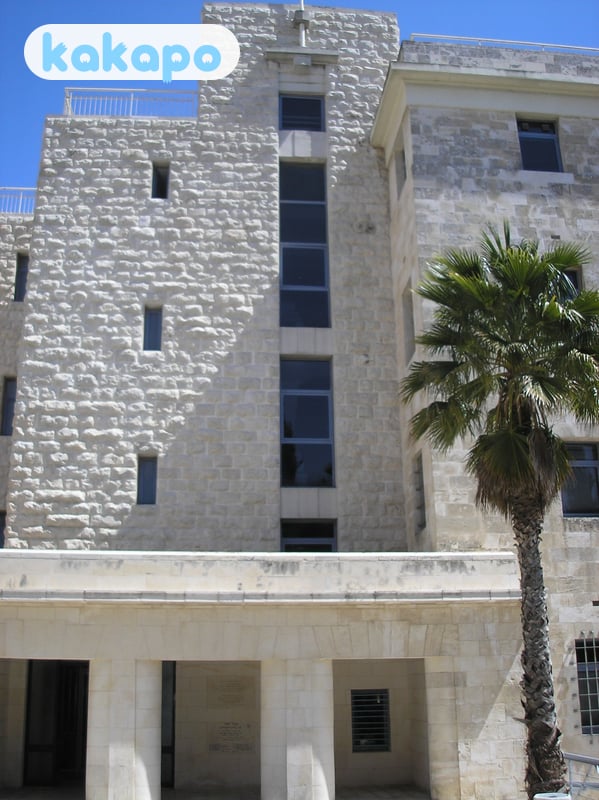
Recommended for visitors: West Jerusalem — Jaffa Street, Mahane Yehuda Market, Nachalat Shiv'a, German Colony. Walking-friendly, safe, café-rich. The Old City (all four quarters under stable conditions). Mount of Olives by day. Yad Vashem.
Stay aware: East Jerusalem neighbourhoods beyond the Old City walls (Sheikh Jarrah, Silwan) — politically tense; not recommended for casual tourist walking, especially in flare-ups. Around Damascus Gate at Friday prayer time in tense periods. Mount of Olives at night — lone tourists have been mugged; visit during daylight hours only.
Don't try to visit Gaza. Don't go to West Bank cities without an organised tour and current advisory clearance.
Transport, taxis, the airport
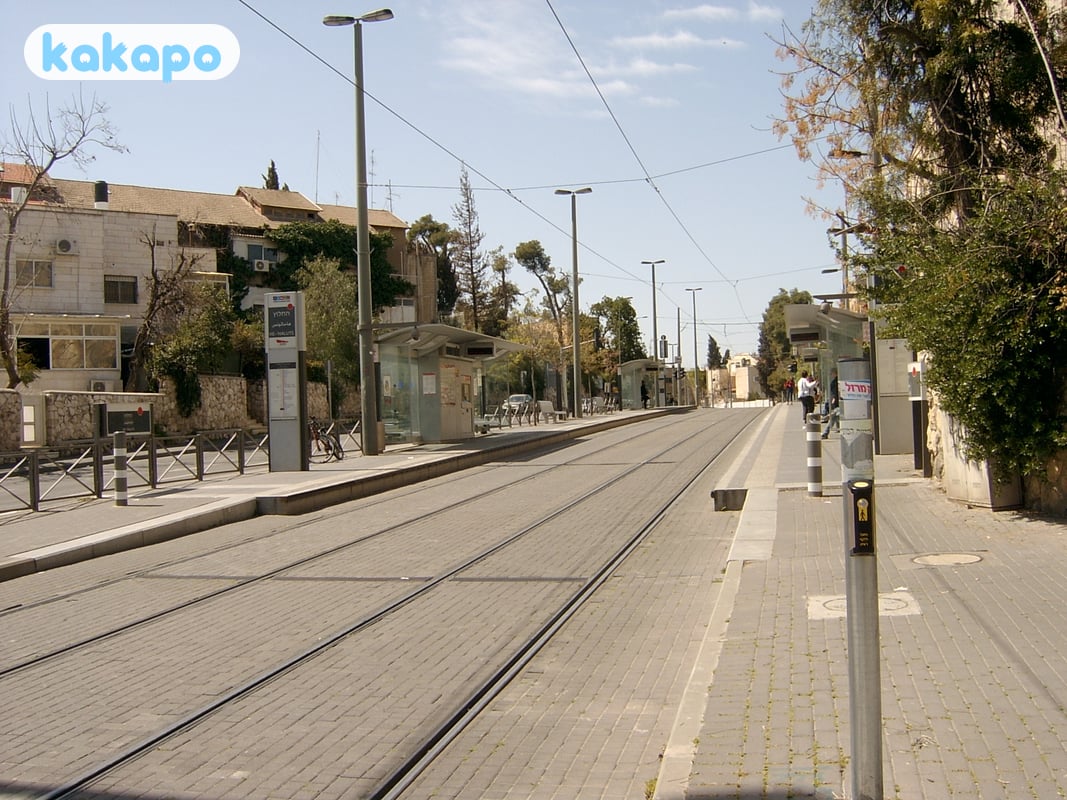
- Light rail: a single line through West Jerusalem and along the Old City wall. Reliable.
- Buses: extensive Egged network. Stops at every Jerusalem hotel.
- Taxis: insist on the meter ("monit b'mone"). Gett app and Yango operate.
- Shabbat (Friday sundown to Saturday sundown): West Jerusalem buses, light rail, and most taxis stop. Plan accordingly. East Jerusalem and Old City service continues.
- Ben Gurion Airport (TLV): 50 km west. Train ₪13.50 to Jerusalem, 35 min. Sherut (shared van) ₪70. Taxi ₪300+.
- Airport security: detailed questioning is normal — be patient, answer truthfully. Allow 3 hours minimum on departure.
Money, food, and Shabbat logistics
- Currency: Israeli shekel (₪). $1 ≈ ₪3.7.
- Cards: widely accepted. Tap-to-pay everywhere.
- Tipping: 12-15% in restaurants if service charge isn't already added.
- Shabbat: Jewish-owned restaurants and shops in West Jerusalem close Friday afternoon, reopen Saturday evening. East Jerusalem and Old City Christian/Muslim quarters continue.
- Tap water: safe.
- Mahane Yehuda Market: best food experience in the city. Goes from market by day to bar street by night.
Neighbourhood-by-neighbourhood breakdown
- Old City — Jewish Quarter — south-east of the Old City, the Western Wall (Kotel), the Cardo. Heavily policed, very safe. Sundown Friday-sundown Saturday: shuts for Shabbat.
- Old City — Christian Quarter — north-west, the Church of the Holy Sepulchre, Via Dolorosa. Daytime heavily walked, safe. Sunday morning Holy Sepulchre services are atmospheric.
- Old City — Muslim Quarter — north-east, Al-Aqsa Mosque compound (Haram al-Sharif / Temple Mount), the Damascus Gate market. Heavily walked and policed; safe by day with awareness; tension can rise on Fridays around noon prayers and during political flare-ups.
- Old City — Armenian Quarter — south-west, the smallest quarter, very calm. Very safe.
- Mount of Olives — east of the Old City, panoramic view, ancient cemetery, Garden of Gethsemane, Church of All Nations. Day-trip destination — visit by taxi or guided tour rather than walking from the Old City through the East Jerusalem streets.
- West Jerusalem (Jaffa Street, Ben Yehuda) — the modern Israeli city centre, light rail, restaurants, Mahane Yehuda market. Very safe.
- Mahane Yehuda (the Shuk) — the iconic covered market, both daytime food market and evening bar scene. Very safe and lively.
- Mamilla / King David Street — west of the Old City, upmarket shopping mall, hotels, the King David Hotel. Very safe.
- German Colony — south-west, leafy upmarket residential, Emek Refaim restaurant street. Very safe.
- East Jerusalem (Sheikh Jarrah, Silwan, A-Tur) — Palestinian neighbourhoods, complicated, periodic political tension. Tourists generally visit only with vetted guides; don't wander solo.
- Yad Vashem (Mount Herzl) — west, the Holocaust Memorial. Day-trip destination, very safe.
If it's your first time visiting
- Best arrival airport: Ben Gurion (TLV), 50 km west between Tel Aviv and Jerusalem. To Jerusalem: high-speed train NIS 28 in 28 min to Yitzhak Navon Station, sherut shared van NIS 70-80 in 60-90 min, taxi/Uber NIS 250-350.
- Public transport: Jerusalem light rail (Red Line, Green Line, Blue Line) plus buses. Rav-Kav card or tap-to-pay. NIS 6 single, NIS 13.50 day pass. Walking covers most of the Old City.
- Best neighbourhood for your first night: inside or just outside the Jaffa Gate for Old City access, Mamilla for upmarket, German Colony for calm, around Mahane Yehuda for nightlife. Avoid first-time bookings in East Jerusalem residential areas.
- Day 1, jet-lag friendly: drop bags, walk Jaffa Street to the Old City, Western Wall and Holy Sepulchre, lunch at Lina (falafel) or Pinati (hummus), Mount of Olives panoramic view at sunset (taxi up, walk down via Garden of Gethsemane), dinner at Machaneh Yehuda market (evening bar scene).
- Day 2 essentials: Yad Vashem morning (free entry, allow 4 hours, emotionally heavy), late afternoon Israel Museum (NIS 54), Tower of David Museum at sunset (the new immersive museum is excellent), dinner at the German Colony or Mamilla.
- Day trips: Bethlehem (PA-controlled, 30 min south, guided tour easier than independent), Tel Aviv via high-speed train (28 min, completely different vibe), Masada and the Dead Sea (1.5h east — overnight better in summer), Galilee region (north, overnight).
- Common rookie mistakes: visiting religious sites in shorts or sleeveless tops (modest dress required at all three — robes provided at Western Wall and Al-Aqsa); not installing the Red Alert / Home Front Command rocket-warning app; visiting during Friday noon prayers at Al-Aqsa without awareness of tension (return at off-peak); attempting Old City Friday afternoon when Christian Quarter, Muslim Quarter and Jewish Quarter all have different rhythms; not checking current FCDO/State Department advisories within 48 hours of travel.
- For Shabbat (sundown Friday-sundown Saturday): Jewish areas shut completely (restaurants, shops, light rail). The Christian and Muslim Quarters of the Old City stay open. Plan ahead.
- Tap water is excellent. Drinkable everywhere.
Practical info — emergency numbers
- Police: 100.
- Magen David Adom (ambulance): 101.
- Fire: 102.
- Tourist Police (Old City): at the Jaffa Gate.
- Hadassah Ein Kerem Hospital: +972 2 677 7111.
- Shaare Zedek Medical Centre: +972 2 666 6666.
- Home Front Command: 104.
Bring: modest clothing (covered shoulders + knees) for religious sites, a head covering (kippah/scarf) for the Western Wall, the Israeli Home Front Command app installed before arrival, an Israeli SIM (Pelephone, Cellcom, Partner) or eSIM, and travel insurance documentation that explicitly includes "war zones" or current advisories — many standard policies exclude them.
Frequently asked questions
Is Jerusalem safe to visit in 2026?
It depends on the current situation — check within 48 hours of travel. US State Department lists Israel, the West Bank, and Gaza at Level 3 ('reconsider travel') with Level 4 for Gaza and parts of the West Bank; UK FCDO advises against all travel to Gaza and against all but essential travel to certain West Bank zones. Jerusalem itself sits within the broader Level 3. Under stable conditions, the Old City and West Jerusalem are calm and ordinary crime against tourists is rare. Under flare-ups, closures, military presence, and occasional violence become reality. Install the Home Front Command 'Oref' app before arrival.
Is Jerusalem safe at night?
West Jerusalem (Mahane Yehuda market, Nachalat Shiv'a, Jaffa Street) is safe and busy after dark under stable conditions — the market becomes a bar street. The Old City's Christian and Muslim quarters quieten significantly after about 9pm; the Jewish Quarter empties earlier. Walking the Old City at night is generally fine but you'll be largely alone in the alleyways. The Mount of Olives is not safe after dark — solo tourists have been mugged. Avoid East Jerusalem neighbourhoods beyond the walls (Sheikh Jarrah, Silwan) at night.
Is Jerusalem safe for solo female travellers?
Yes, with modesty adjustments. Catcalling is rare in West Jerusalem and the Old City by day. Covered shoulders and knees are essential at religious sites and strongly recommended in the Muslim Quarter and ultra-Orthodox neighbourhoods (Mea Shearim — tourists in shorts have been heckled). At the Western Wall, women use a separate section and need to cover knees and shoulders; head covering is optional for women but loaner shawls are available. For Temple Mount/Al-Aqsa, long sleeves, long trousers/skirt, and bring a scarf.
Can you drink tap water in Jerusalem?
Yes. Jerusalem tap water is safe, treated to drinking standards, and consumed by residents. The high mineral content gives it a distinct taste some visitors don't love. Restaurants serve tap by default. Bottled water is widely available if you prefer.
What's the biggest scam to avoid in Jerusalem?
Old City souk pricing and aggressive Via Dolorosa shop-touts — opening prices for souvenirs, scarves, and religious items run 2-4x the real price, so negotiate or politely move on. Unmetered taxis quote inflated flat fares from the airport, the Old City gates, or the central bus station — use Gett or Yango apps, or insist 'monit b'mone' (meter, please). 'Free' guided Old City tours that end in a relative's antique shop are common; the actual paid Tourist Information walks from Jaffa Gate are excellent. Watch for unofficial 'Holy Land' relics certificates which have no meaning.
What are the actual rules for visiting Temple Mount / Al-Aqsa?
Non-Muslim visiting hours are tightly limited: typically Sunday-Thursday 7:30-10:30am and 1:30-2:30pm, closed entirely to non-Muslims on Fridays, Saturdays, and Muslim holidays. Enter only via the Mughrabi Gate (next to the Western Wall) through Israeli police security. You can walk the platform but cannot enter the mosques themselves. Do not bring visibly non-Islamic religious items (bibles, prayer books) — they will be flagged. Do not pray, kneel, or appear to pray as a non-Muslim — visitors have been ejected. Wear long sleeves and long trousers/skirt. If refused entry on a given day, don't argue — try another day. Avoid the Damascus Gate area on Fridays 11am-2pm in tense periods.
Sources
Run a business in Jerusalem?
Show visitors your Jerusalem business is a safe choice. The free Verified by Kakapo badge puts Jerusalem's live safety score on your website, links back to your verified page, and updates itself. No cost.
Get the free badge →