


Is Ghent, Belgium Safe? A 2026 Travel Safety Guide
Ghent is one of Belgium's safer cities. The honest concerns: cobbles and canal-edges, the Gravensteen climb, the Gentse Feesten week, and cycling-walking conflict.

Ghent is one of Belgium's safer cities. Crime against tourists is low; pickpocketing is mild compared with Brussels or Antwerp. The realistic concerns are environmental and seasonal: cobbled medieval streets that get genuinely slippery in rain, low-railing canal-side walkways at the Graslei and Korenlei (people fall in), the Gravensteen castle climb (steep stone steps, 11th-century narrow), and the 10-day Gentse Feesten festival in late July that more than triples the city's population.
Belgium sits at Level 2 on the US State Department advisory (terrorism, baseline). UK FCDO is similar. The honest framing: Ghent is a student-and-medieval-Flemish-character city of ~265,000 residents (plus 80,000 students at UGent). It has the friendly affluent feel of Bruges with more grit and a better food scene; the visitor experience is calm, walkable, and contained within a 1-km radius of Sint-Baafsplein.
The defining experiences: Saint Bavo's Cathedral with the Van Eyck Mystic Lamb, Gravensteen castle, the Graslei + Korenlei canal-front, Patershol restaurant district, STAM city museum, and (if your timing is right) the Gentse Feesten. Ghent rewards a 2-3 night stay — long enough to do the Mystic Lamb at the proper unhurried pace, walk Patershol after the day-trippers leave on the 18:30 train to Brussels, and ride one of the De Lijn trams out to the Citadelpark for the SMAK contemporary museum and an honest local-priced lunch in Sint-Pieters station district.
Spelling note: the city is "Gent" in Dutch (the Flemish official name) and "Ghent" in English; you'll see both, plus "Gand" in French. The Belgian train timetable lists "Gent-Sint-Pieters" for the main station. They're all the same place — there is no "Ghent versus Gent" split.
| Night safety | 84/100 |
|---|---|
| Scam / petty-crime risk | Medium |
| Violent crime (tourists) | Low |
| Most common scams | pickpocketing during Gentse Feesten; drunk-canal incidents at Graslei + Korenlei; slippery cobbled streets in rain |
| Safer neighbourhoods | Patershol, Gravensteen + Vrijdagmarkt, Sint-Pieters station district |
| Data sources cited | 4 |
| Last verified |
What the score means — 86/100
- Personal safety (90) — very high.
- Healthcare (88) — UZ Gent (university hospital) is among Belgium's best.
- Transport (86) — De Lijn trams + buses, plus the new car-free centre.
- Air quality (84) — improved sharply since the 2017 car-free zone; ring road still pushes NO₂.
Cobbles and canal edges — the slip risk

- Medieval cobbles: irregular granite; slick in rain or after canal mist. Twisted ankles common; wheeled luggage breaks.
- Footwear: trainers with rubber grip. Sandals are summer-evening only.
- Canal edges: the Graslei + Korenlei have stepped quayside without railings — the iconic photo spot. People sit and dangle feet; people occasionally fall in (often after Belgian beer).
- Children: hold hands at the canal edge; no climbing on the bollards.
- If someone falls in: the canal is shallow but cold and the sides are vertical and slippery — getting out is the actual risk. Lifebuoys are mounted at intervals. Call 112.
- Drunk-canal incident: one or two per year; serious in winter cold-water shock.
Gravensteen — the castle climb
- What it is: 12th-century moated castle in the city centre. €13 entry.
- The climb: 75 narrow stone spiral steps to the top. Worn smooth in places. No handrails on most of the spiral.
- Not for: serious knee problems, claustrophobia, or fear of heights. The walking path on the upper ramparts has waist-high stone parapets.
- Audio guide: free with ticket; the famous Wouter Deprez narration is genuinely funny.
- Inside: torture-instrument exhibit (small + medieval). Children find it more entertaining than disturbing.
- Skip the queue: book online; mid-day summer queues run 30 min.
Gentse Feesten — the 10-day festival
- When: 10 days mid-to-late July. 2026 dates: roughly July 17-26.
- What it is: free open-air music + theatre + street performance + drinking across central squares. Big locally; one of Belgium's biggest cultural events.
- Volume: ~1.5 million attendees over 10 days in a city of 265,000. Streets are shoulder-to-shoulder evenings.
- Hotel prices: triple. Book 3+ months ahead; many require 3-night minimums.
- Crime spike: pickpocketing rises sharply. Front pocket only; bag in front.
- Sleeping: noise carries to 4am. Earplugs essential.
- Closures: many central restaurants close their normal service; food becomes festival-stall format.
- If you don't want this: travel mid-July or stay out of central Ghent.
Cycling and walking
- Cycle culture: dense, especially with student traffic.
- Don't walk in bike lanes: bike lanes are usually red-asphalt strips. Walk on the grey footpath.
- The car-free centre: implemented 2017. Most of the medieval core is closed to cars. Trams and bikes still cross — look both ways.
- Renting a bike yourself: Donkey Republic and dockless options work. Helmet not required for adults but sensible.
- Tram tracks + bikes: rails catch tyres. Cross at 90°.
- Drinking and cycling: same blood-alcohol limit as driving (0.5‰); enforced.
Saint Bavo's and the Mystic Lamb
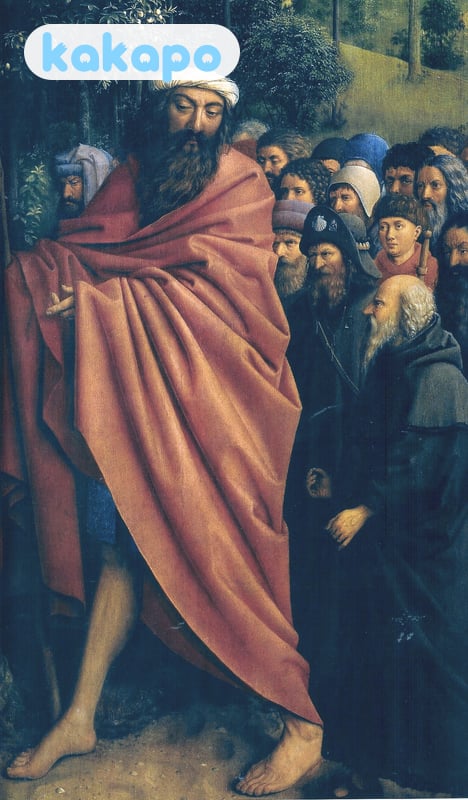
- Saint Bavo's Cathedral: free entry; the Van Eyck Mystic Lamb (Adoration of the Mystic Lamb) altarpiece is a separate timed-entry €16.
- The new visitor centre: opened 2021. Excellent context. Allow 2 hours.
- Pre-book: tickets sell out summer weekends. sintbaafskathedraal.be.
- Photographing: not allowed in the Mystic Lamb chapel. Allowed elsewhere.
- Just-Judges panel: the original was stolen 1934 and never recovered; on display is a 1945 copy. Iconic art-history mystery.
Trams, trains, the airport
- De Lijn: trams + buses. €2.50 single. The car-free centre is mostly walkable.
- Trains: SNCB Ghent Sint-Pieters → Brussels 35 min, Antwerp 50 min, Bruges 25 min, Lille 1h.
- Brussels Airport (BRU): 60 km; direct train ~50 min ~€18.
- Charleroi (CRL): 100 km; bus + train combo ~2h30m.
- Currency: euro. Cards everywhere. Many places card-only.
- Tipping: not required (service included). Round up.
- Tap water: safe.
Neighbourhood-by-neighbourhood breakdown

- Korenmarkt + Sint-Baafsplein — the postcard triangle of Saint Bavo's Cathedral, the Belfry (UNESCO), and the Korenmarkt square with Saint Nicholas's Church. The single most-photographed angle in Ghent is from St Michael's Bridge looking back at all three towers in a line. Heavy day-tripper density 10:00-17:00; sunrise empties it completely.
- Graslei + Korenlei — the medieval guild-house canal-front, the iconic photo strip. Sit on the stepped Graslei quay with a Duvel from Het Spijker. The two-or-three drunk-canal-fall incidents a year happen here — no railings, vertical-sided cold water, getting back out is the hard part.
- Patershol — the small grid of cobbled lanes between Gravensteen and the Lieve canal. Ghent's best restaurant density (Karel de Stoute, 't Kaffeetje, Wijnbar Het Spijker). Quietly atmospheric after the day-trippers head back to Bruges; safe and walkable late.
- Gravensteen + Vrijdagmarkt — the 12th-century moated castle (€13, climb the 75 narrow spiral stone steps for the views) and the lively Friday Market square. Vrijdagmarkt is a calmer evening drinking square than the Korenmarkt and has a Sunday market.
- Sint-Pieters station district + Sint-Pietersplein — south of the historic centre. Sint-Pieters is the main rail gateway: Brussels 35 min (€10.50 standard), Bruges 25 min (€7.50), Antwerp 50 min, Lille 1h. Sint-Pietersplein hosts the funfair in July and the Boekentoren (Ghent University tower) is here. Walkable to centre in 25 min or 5 min on tram 1.
- Citadelpark + SMAK + MSK — the southern green-and-museum zone. SMAK contemporary art (€12) and MSK fine art (€12) sit either side of the park. Local-priced lunch around the university.
- Prinsenhof + Sint-Veerleplein — north-west of Gravensteen, the medieval royal quarter and the Vleeshuis (old butchers' hall, now a Flemish-products shop). Sint-Veerleplein is where the historic public executions happened; today it's where Patershol restaurants spill outside in summer.
- Watersportbaan + the canals on tram 1 — Ghent's tram network (De Lijn, single €2.50) is the way to escape the medieval core for an evening — out to Watersportbaan for the rowing canal, or to Sint-Amandsberg for the Campo Santo cemetery. The car-free centre means trams + bikes still cross the medieval lanes; look both ways and never walk in the red-asphalt bike strip.
If it's your first time visiting
- Best arrival: Brussels Airport (BRU) is 60 km — direct train to Gent-Sint-Pieters runs every 30 min (~50 min, €18). Charleroi (CRL) is 100 km — train + bus combo via Brussels-Midi ~2h30m, €25. Inside Belgium, train is dominant: Brussels-Ghent 35 min, Bruges-Ghent 25 min, Antwerp-Ghent 50 min.
- Best neighbourhood for your first night: Patershol (1898 The Post, Pillows Reylof, Sandton Grand Hotel Reylof) for the best evening walk and dinner density; Korenmarkt (Marriott Ghent, NH Belfort, Ghent Marriott) for being on top of the cathedral and canal photos; near Sint-Pieters station for cheaper big-chain hotels and a 5-min tram in.
- The Mystic Lamb logistics: book the Van Eyck altarpiece slot on sintbaafskathedraal.be (€16, separate from the free cathedral entry). 2021-opened visitor centre with AR-enabled audioguide. Allow 2 hours minimum. Tickets sell out summer weekends; book 3+ days ahead. No photos in the Mystic Lamb chapel itself.
- Day 1, jet-lag friendly: 10:00 Mystic Lamb at Sint-Baafs; 12:30 climb the Belfry (UNESCO, €11); 14:00 lunch waterzooi (the local creamy chicken stew) at Belga Queen or Pakhuis; 16:00 Graslei stepped quay with a Duvel from De Dulle Griet (which insists you give them a shoe as deposit for their 1.2L Kwak yard glass); 19:00 dinner in Patershol.
- Real prices in 2026: De Lijn single tram €2.50, day €7.50; cathedral free, Mystic Lamb €16, Belfry €11, Gravensteen €13, STAM €11; Stella Artois in a brown café €3.50-4.50, Duvel €5-6, Westvleteren 12 if you find it €15+; lunch in Patershol €25-40, dinner €45-70; train Ghent-Brussels €10.50 second class, Ghent-Bruges €7.50.
- Common rookie mistakes: not booking Mystic Lamb ahead and waiting 90 min at the door on a Saturday; eating dinner on the Korenmarkt at tourist-menu places at €28 for a Flemish-stew that's €18 in Vrijdagmarkt; walking in the red-asphalt bike lane (students will swear at you and clip you); cycling drunk (same 0.5‰ blood-alcohol limit as driving, actually enforced); booking through the Gentse Feesten week (mid-late July) without realising hotels triple and require 3-night minimums; ignoring that "Ghent" and "Gent" are the same city.
- Belgium is cards-first — Bancontact, contactless and Apple/Google Pay work nearly everywhere including the De Lijn tram readers. Many cafés are now card-only. €30-40 cash for occasional brown-café tips, Sunday-market frites, and the Westvleteren shoe-deposit kind of moments.
- Tap water is safe but Belgian custom defaults to bottled — ask explicitly for "kraantjeswater" if you want tap. Many B&Bs will refill bottles freely.
- Skip the Gentse Feesten unless you want it: 10-day open-air festival mid-late July with 1.5m attendees; central restaurants close their normal service for festival-stall food, noise carries to 4am, hotels triple. Otherwise, late May, early June and September are the sweet spot.
Practical info — emergency numbers
- European emergency: 112.
- Police non-emergency: 101.
- UZ Gent: +32 9 332 21 11.
- Tourist police: at the Politiehuis on Antonius Triestlaan; +32 9 266 61 11.
Bring: a rain shell, shoes with grip for cobbles, a contactless card (Apple Pay/Google Pay accepted nearly everywhere), an unlocked phone (Proximus, Orange BE), and an EHIC/GHIC card.
Frequently asked questions
Is Ghent safe to visit in 2026?
Yes. Ghent scores 88/100 and is one of Belgium's safer cities. Belgium sits at Level 2 on the US State Department advisory (baseline). Crime against tourists is low; pickpocketing is mild compared with Brussels or Antwerp. The realistic concerns are environmental and seasonal: cobbled medieval streets that get genuinely slippery in rain, low-railing canal walkways at Graslei and Korenlei where people occasionally fall in, the Gravensteen castle's narrow spiral staircase climb, and the 10-day Gentse Feesten festival in late July that more than triples the city's population.
Is Ghent safe at night?
Yes — comfortably. The Graslei-Korenlei canal-front, the Patershol restaurant district, and the streets around Sint-Baafsplein stay lively until 1-2am, with the student presence keeping things animated in term-time. The car-free centre (implemented 2017) means most night risk is from trams and bikes, not cars. Solo women routinely walk back to hotels late. The only meaningful caution is canal edges late after Belgian beer — the Graslei steps have no railings and one or two people fall in each year, occasionally serious in winter cold-water shock.
Is Ghent safe for solo female travellers?
Yes. Ghent is among Europe's safer cities for solo women — the student population (80,000 at UGent) keeps things young, progressive and welcoming, the centre is compact and well-lit, and catcalling is low. Solo women routinely cycle alone and use trams late. Standard precautions handle the only realistic risks: pickpocketing during Gentse Feesten (mid-late July) when the city floods with 1.5 million attendees, and canal-edge awareness after drinking.
Can you drink tap water in Ghent?
Yes — Belgian tap water is safe and tested to EU standards. Ghent's supply is good. Restaurants serve tap water (kraantjeswater) on request, though Belgian custom historically defaults to bottled and you may need to ask explicitly. Carry a refillable bottle. The city's many cafés and B&Bs will fill bottles freely.
What's the biggest scam to avoid in Ghent?
Honestly, Ghent's tourist-targeting scams are mild compared to Brussels or Antwerp. The realistic risks are commercial: tourist-menu restaurants on the Korenmarkt and Sint-Baafsplein charging 30-50% more than equivalents in Patershol or Vrijdagmarkt; unlicensed canal-boat operators (book only at the licensed quays near Graslei); and DCC at card terminals (always pay in EUR, never your home currency, adds 3-7%). During Gentse Feesten pickpocketing rises sharply — front pocket and bag-in-front in evening crowds.
Is the Gentse Feesten festival worth planning around?
Depends what you want. If you're up for a 10-day open-air party with 1.5 million attendees over the run, free music across central squares and theatrical street performance at every corner — it's one of Belgium's biggest cultural events and genuinely electric. The trade-offs: hotel prices triple with 3-night minimums, central restaurants close their normal service in favour of festival-stall food, and noise carries to 4am (earplugs essential). If you want medieval Ghent without the chaos, travel any other time — early June and September are particularly lovely. 2026 dates are roughly July 17-26.
Sources
Run a business in Ghent?
Show visitors your Ghent business is a safe choice. The free Verified by Kakapo badge puts Ghent's live safety score on your website, links back to your verified page, and updates itself. No cost.
Get the free badge →