


Is AlUla, Saudi Arabia Safe? A 2026 Travel Safety Guide
The Hegra Nabataean tombs, the new e-visa, the conservative legal code (relaxed for tourists), 45°C summer heat, and the realistic risks of Saudi Arabia's pre-Islamic showpiece.

AlUla is one of the safer tourist destinations in the Middle East. Saudi Arabia has extraordinarily low crime rates by global standards. The realistic risks for visitors are the genuine summer heat (50°C records), the conservative legal-and-cultural code (which has been substantially relaxed for tourists since 2019 but still applies in real ways), the still-being-built tourism infrastructure (rapid expansion since 2019), and the visa-and-pre-booking logistics.
Saudi Arabia opened to tourist visas in 2019. Level 1 on the US State Department's advisory list for general travel; specific Level 4 advisories for the Yemen border and certain Eastern Province areas — neither of which is anywhere near AlUla. UK FCDO is similar.
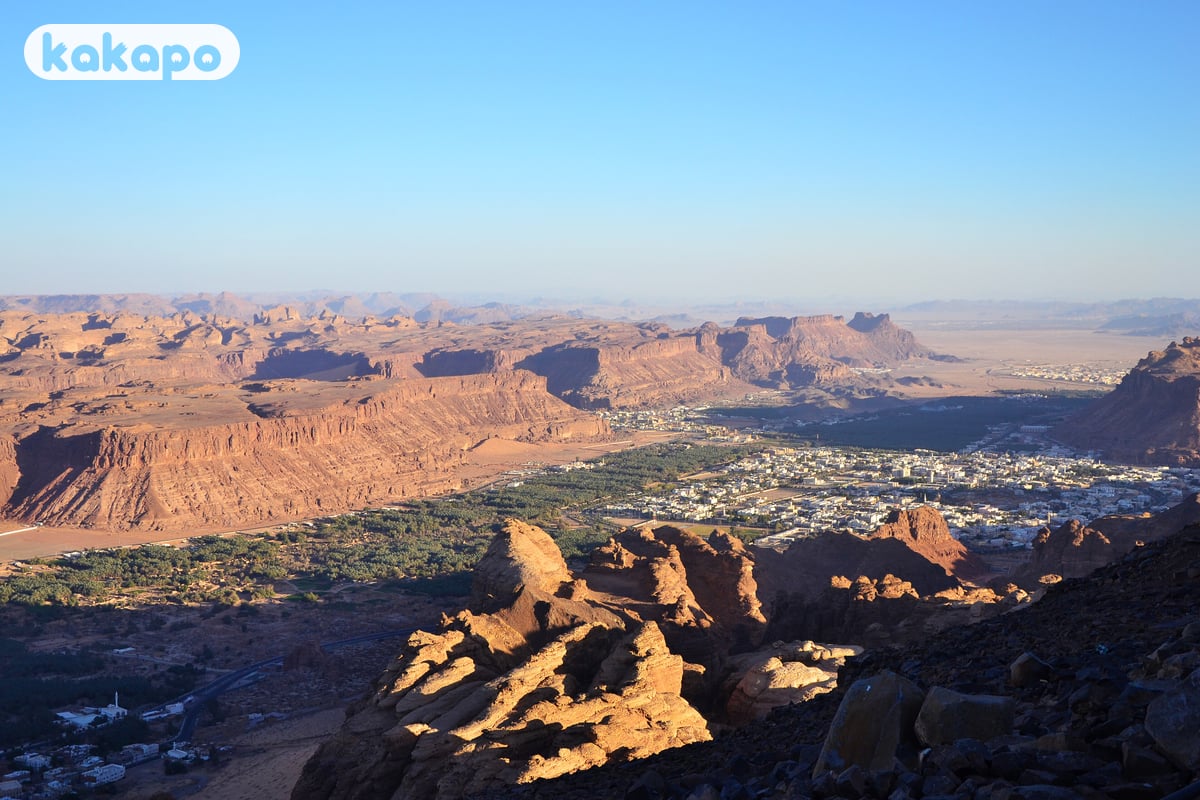
The honest framing for first-time visitors: AlUla is a small oasis town in north-western Saudi Arabia (Medina province). The headline site is Hegra (Madain Saleh) — a UNESCO Nabataean rock-cut tomb city, sister site to Petra. Old Town AlUla, Jabal Ikmah (the open-air library of pre-Arabic inscriptions), Elephant Rock, and the Hegra dark-sky reserve are the visitor anchors. Most visitors fly in via the new AlUla Airport (ULH) for 2-4 nights.
What surprises first-time visitors is the speed and scale of the post-2019 tourism build-out. AlUla was effectively closed to international visitors until Saudi Arabia's tourism opening; since then, the Royal Commission for AlUla has built a new airport, the Maraya mirror-clad concert hall (the largest mirrored building in the world), a string of Banyan Tree / Habitas / Shaden luxury resorts, the Sharaan-by-Jean-Nouvel cliff-cut hotel project, and a comprehensive shuttle-and-tour system across the archaeological sites. The "low season" of summer 2026 still has more infrastructure than Petra had in 2015. Pricing reflects the Vision 2030 luxury-tourism positioning — this is not a budget destination.
The 2026 details worth knowing in advance: the Hayya e-visa is the standard entry route (~$120 USD, 1-year multi-entry, online, most Western nationalities eligible, mandatory insurance bundled in); the dress code for tourists is "modest" not abaya (shoulders and knees covered in public; pool attire fine inside resort compounds); alcohol remains illegal across Saudi Arabia with very rare licensed exceptions in Riyadh (expect no alcohol at AlUla); Vision 2030 has driven the tourism push but the conservative legal code still applies in real ways for same-sex relationships and photography of people. The genuine summer heat (50°C records July-August) makes November-March the only practical visiting window.
| Night safety | 86/100 |
|---|---|
| Scam / petty-crime risk | Low |
| Violent crime (tourists) | Low |
| Safer neighbourhoods | Old Town AlUla, Ashar Valley |
| Data sources cited | 4 |
| Last verified |
What the score means — 84/100
- Personal safety (92) — exceptional. Saudi Arabia has very low crime rates.
- Air quality (86) — clean desert air; some dust storms.
- Transport (78) — rapid taxi development; new airport; rental cars in.
- Healthcare (74) — AlUla has a basic hospital; serious cases evacuate to Medina or Riyadh.
Visa and entry
- e-Visa: ~$120 USD, 1-year multi-entry, online application. Most Western nationalities eligible.
- Visa-on-arrival: at Riyadh, Jeddah, Dammam, Medina, AlUla airports for some nationalities.
- Israeli stamps: Saudi Arabia has accepted Israeli citizens since 2023; check current rules.
- Documents: passport (6+ month validity), confirmed accommodation booking.
- Tourist insurance: now mandatory and bundled into the e-visa cost.
The legal code — what's relaxed and what isn't
- Dress code (since 2019): women are not required to wear abaya in tourist areas. Modest dress is still expected — shoulders and knees covered for both men and women in public spaces.
- Inside hotels and resort compounds: more relaxed. Pool/beach attire permitted.
- Alcohol: technically illegal for residents and visitors. Saudi Arabia has very rare licensed venues opening (notably the new diplomatic-licensed Riyadh outlet 2024); for tourists at AlUla, expect no alcohol.
- Public conduct: holding hands as married couple is fine; kissing not. Same-sex relationships illegal — LGBT visitors should be discreet.
- Photography: of people without permission is impolite and can be illegal. Of military, government buildings, and women is genuinely problematic.
- Drugs: severe penalties including death penalty for trafficking.
- Public-prayer-times closures: shops historically closed during prayer; mostly relaxed in tourist areas since 2024.
- Ramadan: don't eat, drink, or smoke in public during daylight. Hotels open dedicated dining for non-fasters.
Summer heat — the genuine deadly risk
- July-August: 40-48°C standard, 50°C records. Hegra is open desert with little shade.
- Heat illness: heat exhaustion → heat stroke. Tourist fatalities at desert sites in summer have happened.
- Plan: visit Hegra at sunrise or the last 2 hours before sunset. Mid-day is for hotel-pool / spa.
- Hydration: 4-6L water/day minimum.
- Dust storms (haboobs): occasional spring. Visibility drops; stay indoors.
- Best season: November-March. December-February genuinely pleasant (15-22°C days).
Hegra and the archaeological sites
- Hegra (Madain Saleh): UNESCO. 110+ Nabataean tombs cut into rock. Same culture as Petra; less crowded.
- Tickets: experiencealula.com. SAR 95 (~$25) standard; multi-site passes available.
- Mandatory tour-bus / vintage-Land-Rover access: most of Hegra is reached by hop-on/hop-off shuttle. No private driving inside the site.
- Guide: included with most tickets; English-language available.
- Hot-air balloon over Hegra: pre-booked, weather-dependent. ~$250-400 per person.
- Heat at Hegra: severe in summer. Most visits 5-9am or 4-8pm.
- Slippery rock surfaces: at the tombs. Sturdy shoes.
- Don't touch the tombs: ancient sandstone, fragile. Touching has been visibly degrading them.
Transport — flights, taxis, the airport
- AlUla International Airport (ULH): 35 km from town. Domestic flights from Riyadh (1.5h), Jeddah (2h), Dubai (3h direct).
- Taxis: regulated, metered or app-based. Standard.
- Careem and Uber: Careem dominates Saudi Arabia. Cheap.
- Rental cars: at the airport. Drive on the right; Saudi traffic rules generally enforced.
- Don't drive in summer extremes: AC failures in 50°C are dangerous.
- From Riyadh / Jeddah: long drives (1,000 km from Jeddah, 800 km from Riyadh). Better to fly.
- Train: Saudi rail expansion is ongoing; AlUla is being added (check current status).
Money, food, the cost story
- Currency: Saudi riyal (SAR). $1 ≈ SAR 3.75 (pegged).
- Cards: widely accepted; tap-to-pay normal.
- Tipping: 10-15% restaurants; round up taxis.
- Cost: AlUla is positioned as luxury tourism. Hotels SAR 1,200-4,500/night ($320-1,200).
- Tap water: technically safe; bottled is universal.
- Local food: kabsa (rice + meat), mandi, dates, Saudi coffee.
Site-by-site breakdown
- Old Town AlUla (AlUla Heritage) — the abandoned mud-brick village core that locals lived in until the 1980s, now restored as a visitor walking precinct with cafés, the AlJadidah lantern-lit alleyways, and viewpoints over the oasis palm groves. Free walking; the heritage centre and rooftop café are paid entry. The evening lantern walk (5-9pm) is the photogenic moment.
- Hegra (Madain Saleh) — UNESCO Nabataean tombs — the headline site, 22km north of AlUla town. 110+ rock-cut tombs from the same Nabataean culture that built Petra; less crowded, frequently described as more atmospheric. SAR 95 (~$25) standard entry, multi-site passes available at experiencealula.com. Mandatory hop-on/hop-off shuttle or vintage Land Rover access — no private driving inside the site. Plan sunrise or last-2-hours-before-sunset slots in summer; mid-day at 45-50°C is genuinely dangerous.
- Maraya concert hall — the 9,740-square-metre mirror-clad cube in the Ashar Valley, Guinness-record-holder for largest mirrored building. Concert venue for John Legend, Andrea Bocelli, the Winter at Tantora festival. Tours bookable; concert tickets through Experience AlUla.
- Elephant Rock (Jabal AlFil) — the freestanding sandstone outcrop that genuinely looks like an elephant. Free, accessible by car, the iconic "AlUla photo" alongside Hegra. Sunset is the gold-hour window; food trucks and casual seating in the valley below for after-photo snacks.
- Dadan + Jabal Ikmah — Dadan was the ancient Lihyanite/Dadanite capital, with rock-cut tombs predating the Nabataeans. Jabal Ikmah immediately adjacent is the "open-air library" — a canyon wall covered with 2,500+ years of pre-Arabic inscriptions (Dadanitic, Thamudic, Aramaic, Nabataean, early Arabic). Free or low-cost shuttle access via the Experience AlUla pass.
- AlUla International Airport (ULH) — 35km from town. Saudia, Flynas, Flyadeal domestic flights from Riyadh (1.5h), Jeddah (2h), Dubai (3h direct seasonally). Pre-booked transfer or rental car to town SAR 100-200. Don't accept unmarked taxis; use Careem (dominant in Saudi Arabia, works in AlUla).
- Hayya e-visa logistics — apply online at visitsaudi.com or visa.visitsaudi.com (~$120 USD, 1-year multi-entry, mandatory insurance bundled into the visa cost). Most Western nationalities eligible. Visa-on-arrival possible at major airports for some nationalities. Bring passport (6+ month validity) and confirmed accommodation booking. Saudi has accepted Israeli citizens since 2023; check current rules.
- Vision 2030 + the build-out — Saudi Arabia's Vision 2030 plan has driven the AlUla tourism investment. The Sharaan by Jean Nouvel cliff-cut hotel project is the most ambitious upcoming build; Banyan Tree AlUla, Habitas AlUla, Shaden Resort and Cloud7 are the current luxury inventory. Rapid expansion means rates change quickly and older guidebooks list closed or renamed properties.
- Sharia legal code reality — women don't need to wear abaya in tourist areas since 2019, but shoulders and knees should be covered in public for both men and women (pool/beach attire is fine inside hotel compounds). Alcohol is illegal across Saudi Arabia — expect no alcohol at AlUla restaurants or resorts. Holding hands as a married couple is fine; kissing in public is not. Same-sex relationships are criminalised — LGBT visitors should be discreet. Don't photograph people without permission; never photograph military or government buildings.
- Stay aware — there are no specific tourist no-go areas in AlUla. The genuine risks are summer heat (50°C records, tourist heat-illness fatalities at desert sites happen), desert driving at night without AC reliability, dust storms (haboobs) in spring, and the conservative legal code in public conduct.
If it's your first time visiting
- Apply for the Hayya e-visa first — visa.visitsaudi.com, ~$120 USD, 1-year multi-entry, mandatory insurance bundled. Most Western nationalities eligible; apply at least 1-2 weeks before travel. Bring passport (6+ month validity) and confirmed accommodation booking. Visa-on-arrival is possible at major airports for some nationalities but the e-visa is more reliable.
- Best arrival: fly Saudia, Flynas or Flyadeal direct to AlUla (ULH) from Riyadh (1.5h, SAR 400-800) or Jeddah (2h, SAR 500-900). Dubai-AlUla direct seasonally on Flynas (3h, AED 800-1,500). Pre-booked transfer or rental car to town SAR 100-200 (45 min). Don't try to drive from Riyadh (800km) or Jeddah (1,000km) unless you have a desert road-trip planned.
- Pre-book Experience AlUla site tickets: Hegra SAR 95 (~$25), Dadan + Jabal Ikmah lower-cost combinations, multi-site passes at experiencealula.com. Slots sell out 3-7 days ahead in November-March peak season. Choose sunrise or last-2-hours-before-sunset Hegra slots in summer (mid-day at 45-50°C is genuinely dangerous).
- Best resort/hotel for your first stay: Habitas AlUla (eco-luxury, SAR 2,500-5,000/night) or Banyan Tree AlUla (Ashar Valley, SAR 3,500-7,000) for the iconic AlUla experience; Shaden Resort (SAR 1,200-2,500) for mid-range; Cloud7 (SAR 800-1,500) for budget. The Maraya concert-hall complex is the entertainment anchor for resort guests. Don't book anything in "AlUla" without confirming proximity to Old Town or the airport.
- Modest dress and conduct discipline — shoulders and knees covered in public (both men and women); pool/beach attire fine inside resort compounds only. Don't photograph people without permission. Don't drink alcohol (none available, illegal across Saudi Arabia). Same-sex couples should be discreet about public displays of affection. Ramadan dates shift annually — don't eat, drink or smoke in public during daylight if your trip falls during Ramadan; hotels open dedicated dining for non-fasters.
- Summer heat is a hard no — July-August routinely hits 45-48°C with 50°C records. Hegra is open desert with little shade. Tourist heat-illness fatalities at desert sites in the region have happened. November-March is the comfortable visiting season (15-22°C days, cool nights). Plan 4-6L water/day even in winter.
- Food and dining: Annabel's at Habitas, Maraya Social, the Old Town heritage restaurants for kabsa (rice + lamb, SAR 80-150), mandi (Yemeni-style smoked meat), dates (the AlUla date harvest is regionally famous), Saudi coffee with cardamom. Tipping 10-15% in restaurants standard.
- Currency and payment: Saudi riyal (SAR), pegged at $1 ≈ SAR 3.75. Cards widely accepted; tap-to-pay normal. Careem (the dominant ride-hail app in Saudi Arabia) works in AlUla and at the airport. Saudi SIM at the airport for ~SAR 100 (STC, Mobily, Zain) gives reliable data.
- Common rookie mistakes: arriving without the e-visa pre-applied; booking a summer trip and discovering 45-50°C heat at Hegra; assuming abaya is required (it's not for tourists since 2019); photographing people or military/government buildings; expecting alcohol; conflating AlUla with Riyadh or Jeddah for nightlife (it's a desert archaeological destination); ignoring Ramadan dates; underestimating the cost (Vision 2030 luxury positioning means SAR 1,500+ daily is typical).
Practical info — emergency numbers
- Unified emergency: 911.
- Police: 999.
- Ambulance: 997.
- Tourist Police (Hegra): visible at the site.
- AlUla Hospital: +966 14 882 2222.
Bring: a refillable water bottle, sun protection (broad-brim hat, SPF 50+), modest clothing, sturdy walking shoes for desert sites, a Saudi SIM (STC, Mobily, Zain) at the airport for ~SAR 100, a contactless card, and travel insurance with full medical and evacuation coverage.
Frequently asked questions
Is AlUla safe to visit in 2026?
Yes — AlUla scores 84/100 and Saudi Arabia has extraordinarily low crime rates by global standards. The US State Department lists Saudi Arabia at Level 1 for general travel (Level 4 carve-outs apply only to the Yemen border and certain Eastern Province areas, neither anywhere near AlUla); UK FCDO is similar. Realistic risks for visitors are summer heat (50°C records in July-August at Hegra's exposed desert tombs), the conservative legal code (substantially relaxed for tourists since the 2019 visa opening but still applies for things like alcohol and same-sex public conduct), and the still-being-built tourism infrastructure with rapid pricing changes.
Is AlUla safe at night?
Yes — exceptionally so. The town itself is quiet after dark and women routinely walk Old Town AlUla and the resort strips alone without incident. The Maraya concert hall, Banyan Tree, Habitas and Shaden resort complexes are self-contained and patrolled. There's no rideshare nightlife to worry about (alcohol is not served outside very rare diplomatic-licensed Riyadh outlets); Careem is the dominant ride-hail app in Saudi Arabia and works in AlUla for hotel transfers. The realistic 'night' concern is desert driving — don't drive the open road between AlUla and Medina at night without confirming the route, fuel range and AC reliability. Unified emergency is 911.
What's the legal code I actually need to follow as a tourist?
Less restrictive than the reputation suggests, but real. Women don't need to wear abaya in tourist areas since 2019, but shoulders and knees should be covered in public for both men and women (pool/beach attire is fine inside hotel compounds). Alcohol is technically illegal across Saudi Arabia — expect no alcohol at AlUla restaurants or resorts. Holding hands as a married couple is fine; kissing in public is not. Same-sex relationships are criminalised so LGBT visitors should be discreet. Don't photograph people without permission, and never photograph military or government buildings. Drug penalties are severe and include the death penalty for trafficking. During Ramadan, don't eat, drink or smoke in public during daylight.
Can you drink tap water in AlUla?
Technically yes — Saudi municipal supply meets safety standards and AlUla's tap is desalinated/treated — but bottled is the universal default and what every hotel provides. The cost is negligible (SAR 1-3 for 500ml). The bigger issue isn't safety, it's volume: you need 4-6 litres a day at Hegra and Jabal Ikmah in summer to avoid heat illness, and tap water won't be cold enough to be useful. Stock the room fridge. Hotel restaurants and resort bars use filtered water and ice — fine. Don't drink directly from desert springs or the open irrigation channels of the old oasis.
How do I actually visit Hegra and not get heat stroke?
Pre-book at experiencealula.com (SAR 95 standard, ~$25; multi-site passes available) and choose a sunrise or last-2-hours-before-sunset slot — mid-day at Hegra in summer is genuinely dangerous and tourist heat-illness fatalities at desert sites in the region have happened. Most of the 110+ Nabataean tombs are reached by mandatory hop-on/hop-off shuttle or vintage Land Rover, so you're not walking the whole site, but tomb-to-tomb walks across exposed sandstone add up fast. Bring 2L of water minimum, broad-brim hat, SPF 50+, sturdy shoes (the rock is slippery). Don't touch the tombs — the sandstone is fragile and degradation from hands is visible. November-March is the comfortable season (15-22°C days).
Sources
Run a business in AlUla?
Show visitors your AlUla business is a safe choice. The free Verified by Kakapo badge puts AlUla's live safety score on your website, links back to your verified page, and updates itself. No cost.
Get the free badge →