


Is Saudi Arabia Safe for Solo Female Travellers in 2026?
Post-Vision-2030 reality, AlUla + Diriyah tourism zones, the abaya non-requirement, alcohol prohibition + dating apps, and what 7 years of social reform actually changed.

Saudi Arabia in 2026 — seven years after the introduction of the tourist e-visa, eight years after the lifting of the female driving ban, and amid the full operational rollout of Vision 2030's social reform programme — is a meaningfully easier destination for solo female travellers than it was in 2019. The single most useful fact: women travel freely throughout Saudi Arabia without a male guardian (mahram) requirement for tourism, drive their own cars, stay alone in hotels, eat in restaurants alone, and visit the major tourist destinations (AlUla / Hegra, Diriyah, Edge of the World, Jeddah's Al-Balad, Riyadh Boulevard) without restriction.
Despite the very real reforms, Saudi Arabia remains a more constrained destination than the UAE on several specific axes: alcohol is fully prohibited (no licensed venues exist anywhere in the country); modest dress is required by law in public (loose-fitting clothes covering shoulders + knees; headscarf no longer required for foreigners since 2019); public intimacy outside of marriage is criminalised; LGBT+ relationships are criminalised; criticism of the government, royal family, or Islam carries serious legal consequences. The UAE social-permissibility envelope is significantly wider than Saudi Arabia's even in 2026.
The tourist Saudi calculus for a solo female: the country is genuinely welcoming, the post-Vision-2030 hospitality industry is operating at international standards, the new destinations (AlUla in particular) are extraordinary, and the harassment baseline is low (legally enforced + culturally enforced). The catches are alcohol absence, conservative-dress requirement, and avoiding the political-religious red lines that don't apply at the same level in the UAE.
| Solo female safety | 85/100 |
|---|---|
| Night safety | 72/100 |
| Scam / petty-crime risk | Low |
| Violent crime (tourists) | Low |
| Safer neighbourhoods | AlUla, Diriyah, Jeddah |
| Data sources cited | 5 |
| Last verified |
What Vision 2030 actually changed for tourists
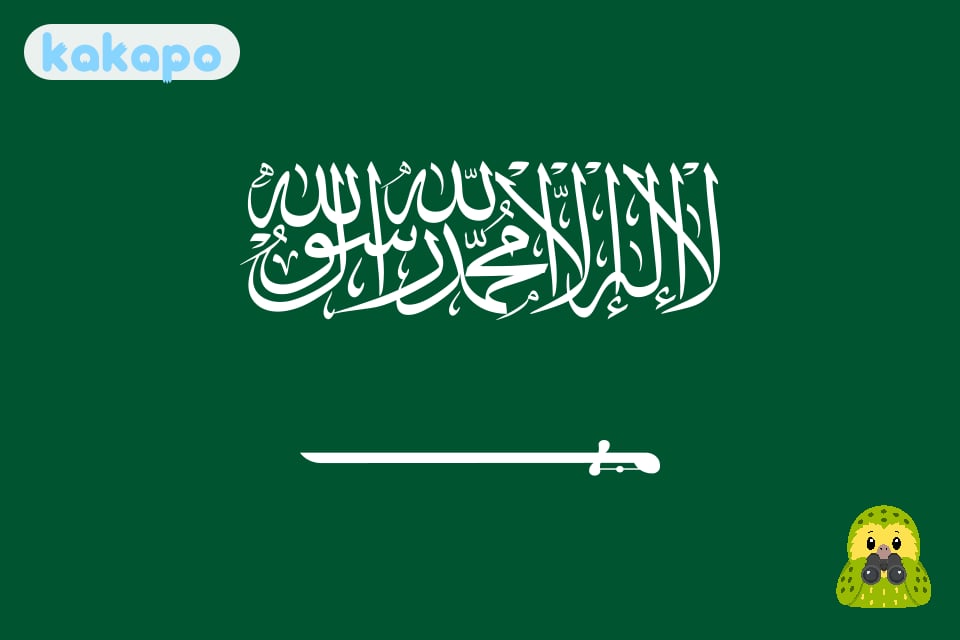
- Tourist e-visa (since 2019): 49 nationalities eligible for instant 90-day e-visa via visitsaudi.com. SAR 535 (~€135) fee + mandatory health insurance.
- Female driving (since 2018): Saudi women drive themselves; tourists rent cars normally.
- No mahram requirement for tourism: women over 21 enter + travel within Saudi without a male guardian.
- Mixed-gender restaurants + venues: gender-segregated entrances + family sections are largely gone in tourist-facing venues. Mixed-gender concerts (Riyadh Season, MDLBEAST, Diriyah Season) are now normal.
- Headscarf optional for foreign women (since 2019). Local Saudi women + many expatriate residents still wear; tourists overwhelmingly do not at hotels + tourist sites.
- Unmarried couples in hotels (since 2019): tourists allowed to share rooms; no marriage certificate required.
- Mutaween (religious police) abolished as an enforcement body in 2016. No on-street religious enforcement of dress or behaviour.
- What didn't change: alcohol prohibition (full); LGBT+ criminalisation; criticism of government / royal family / Islam carries serious legal consequences; public intimacy outside marriage criminalised; women's testimony in court still weighted unequally in some matters.
AlUla — the flagship destination
- What it is: an oasis valley in north-west Saudi Arabia; Nabataean (pre-Petra) tomb city of Hegra (Madain Saleh, UNESCO World Heritage since 2008); old town of AlUla (a beautifully restored mud-brick village); Maraya (the mirror-clad concert hall in the desert); Elephant Rock; Dadan archaeological site.
- Getting there: AlUla International Airport (ULH); daily flights from Riyadh, Jeddah, Dubai. SAR 600-1,400 (~€150-350) one-way depending on season.
- Where to stay: Habitas AlUla, Banyan Tree AlUla, Shaden Resort, the new Sharaan Nature Reserve cliff hotels (in progress). Range from boutique ($350/night) to ultra-luxury ($2,000+/night).
- Solo-female safety: extraordinarily well-developed for tourists. Royal Commission for AlUla (RCU) manages the entire region; tourism-trained guides + drivers; small visitor numbers; female-safe public spaces.
- Dress: loose modest clothing; headscarf optional; many tourists wear regular hiking gear at the archaeological sites with shoulders + knees covered.
- Activities: Hegra guided tours (mandatory), stargazing experiences, hot-air balloon over the rock formations, hiking, mountain biking.
Diriyah + Riyadh — the capital experience
- Diriyah: the original capital of the Saudi state; UNESCO-listed At-Turaif mud-brick district. Fully renovated as a heritage destination 2018-2024 (Diriyah Gate Development Authority). Now host to luxury restaurants (Anatoli, Long Chim, Casa Tua, Carna), the Diriyah Boulevard entertainment zone, and the Diriyah Tennis Cup + Diriyah E-Prix (Formula E).
- Riyadh Boulevard / Boulevard City: the seasonal entertainment city (October-March), open-air restaurants + concerts + amusement park. Massive nightly attendance; safe; mixed-gender; tourists welcome.
- Kingdom Centre + Faisaliah Tower: the iconic skyscrapers; both have observation decks + restaurants.
- National Museum of Saudi Arabia + King Abdulaziz Public Library: educational stops.
- Souk Al-Zal + Souk Al-Thumairi: old Riyadh markets; conservative dress recommended; daytime safe.
- Solo-female Riyadh feel: capital city; modern infrastructure; safe but more conservative than Jeddah or AlUla. Standard dress + behaviour expected.
- Riyadh Metro: 6-line driverless network fully operational since 2024. Women's-only carriages at one end; family carriages middle; single-men carriages at the other end. Clean, safe.
Jeddah — the cosmopolitan port city
- Al-Balad (Historic Jeddah): UNESCO-listed coral-built old town; mosques + traditional houses; large restoration project ongoing. Safe daytime + evening.
- Jeddah Corniche: 30km waterfront promenade; cafes, restaurants, public art, beaches. Mixed-gender, busy evenings.
- Tahliya Street: shopping + restaurant strip.
- Red Sea coast diving + beach resorts: Six Senses Southern Red Sea, Amaala (under construction), private beach clubs.
- Solo-female Jeddah feel: more cosmopolitan than Riyadh; coastal + diverse expatriate population; one of the easier solo-female bases in the kingdom.
- King Abdulaziz International Airport (JED): major hub; pilgrim traffic for Mecca; tourist e-visa entries here are routine.
- Mecca + Medina: closed to non-Muslims. The Grand Mosque + Prophet's Mosque are off-limits to tourists. Other parts of Saudi accessible.
Rules + restrictions — what still applies
- Alcohol: fully prohibited. No licensed venues. Importation is illegal. Penalties for possession have eased in recent years but still possible. Don't.
- Dress: modest is the legal requirement — loose-fitting clothes covering shoulders + knees. Headscarf optional for foreign women. Abaya not required for tourists in tourist zones (though many wear one for cultural reasons or comfort).
- LGBT+: same-sex relationships criminalised. Public displays prohibited. Dating apps used in Saudi by LGBT+ users with awareness of the legal context.
- Public intimacy outside marriage: criminalised. Inside hotel rooms (since 2019 reform), unmarried couples are not prosecuted; public PDA remains restricted.
- Photography: don't photograph locals (especially women) without permission; don't photograph government buildings, military installations.
- Social media: criticism of the government, royal family, or Islam carries serious legal consequences. Loujain al-Hathloul + other activists detained for political speech remain a reminder.
- Drugs zero-tolerance: as in UAE. CBD products illegal.
- Ramadan: stricter daylight-hours public behaviour; eating + drinking in public during fasting hours can attract attention; many restaurants only open after sunset.
- Friday prayers: many tourist-area shops close briefly Friday 11:30-13:00; some museums + restaurants close all Friday.
Transport, taxi + general safety
- Riyadh Metro: 6-line driverless; clean; safe; women's-only carriages available.
- Careem + Uber: operational across major cities; preferred for solo female travellers.
- Female drivers: women drive themselves; rental cars available to tourists with international driving permit.
- Saudia Airlines + flynas + Riyadh Air: domestic + international flight options.
- High-speed rail (Haramain): Jeddah-Mecca-Medina; modern + safe (tourists can ride Jeddah-segment but not into Mecca/Medina).
- Long-distance buses: SAPTCO operates intercity; tourists rarely use.
- Police: 999 emergency; Tourist Police division responsive in tourist zones.
- General-safety baseline: violent crime against tourists exceptionally rare. Saudi Arabia ranks among the safer countries on most personal-safety metrics. Sexual harassment + catcalling are uncommon (cultural + legal deterrence).
The solo-female Saudi rules
- Hayya tourist e-visa: visitsaudi.com; SAR 535; allow 30 minutes online + 1-3 days for approval.
- Dress conservatively: loose, shoulders + knees covered; headscarf optional. Abaya not required.
- Stay at international-standard hotels: Four Seasons Riyadh, Ritz-Carlton Riyadh, The Ritz-Carlton Jeddah, Mandarin Oriental Riyadh, Habitas AlUla.
- No alcohol; respect Ramadan daylight hours; no public PDA.
- Photography discretion: locals (especially women) only with permission; not government / military buildings.
- Social media discipline: don't post anything critical of government, royal family, Islam.
- Careem / Uber over street taxis.
- Emergency: 999 (police), 997 (medical).
- Hospital: King Faisal Specialist Hospital (Riyadh), International Medical Center (Jeddah), Habitas AlUla on-site clinic. International-grade.
- Embassy registration: STEP (US) / FCDO LOCATE (UK) before arrival.
Frequently asked questions
Is Saudi Arabia safe for solo female travellers in 2026?
Yes — seven years after the tourist e-visa introduction and the mahram requirement was dropped for tourism. Women travel freely throughout Saudi without a male guardian, drive themselves, stay alone in hotels, eat alone in restaurants, and visit major tourist destinations (AlUla, Diriyah, Riyadh Boulevard, Jeddah Al-Balad) without restriction. The harassment baseline is low; violent crime against tourists is exceptionally rare.
Do I need to wear an abaya in Saudi Arabia?
No — the abaya is not legally required for tourists since 2019. Modest dress is required (loose-fitting clothes covering shoulders and knees) and the headscarf is optional for foreign women. Many tourists wear an abaya at religious sites or in conservative neighbourhoods for cultural reasons, but at hotels and major tourist sites it's not required.
Can I visit AlUla as a solo woman?
Yes — AlUla is among the easiest single-woman destinations in the Middle East. Royal Commission for AlUla manages the entire tourism region; tourism-trained female + male guides + drivers; small visitor numbers; female-safe public spaces. Hotels (Habitas AlUla, Banyan Tree AlUla, Shaden Resort) are international-standard. Hegra guided tours are mandatory but available solo.
Is alcohol available in Saudi Arabia?
No — alcohol is fully prohibited. No licensed venues anywhere in the country. Importation is illegal. This is the largest single difference from the UAE. The hospitality industry operates fully alcohol-free; restaurants are international-quality but dry; nightlife means concerts and venues without alcohol. Saudi enforcement of alcohol prohibition has eased in recent years but the prohibition remains absolute.
Can unmarried couples share hotel rooms?
Yes — since the 2019 reform, tourists can share hotel rooms without a marriage certificate. International-standard hotels (Four Seasons, Ritz-Carlton, Mandarin Oriental) do not ask. Public intimacy outside marriage remains criminalised; keep displays of affection inside venues and rooms.
Is Riyadh safe for solo women?
Yes — capital city, modern infrastructure, low harassment baseline. More conservative than AlUla or Jeddah; standard modest dress + standard behaviour expected. The Riyadh Metro (6 lines, driverless, opened 2024) is clean + safe; women's-only carriages at one end + family carriages middle. Riyadh Boulevard (October-March entertainment city) is mixed-gender and busy + safe nightly.
What about Mecca and Medina?
Both Mecca + Medina are closed to non-Muslims. The Grand Mosque + Prophet's Mosque are off-limits to tourists. The rest of Saudi Arabia — AlUla, Riyadh, Jeddah (excluding the Mecca-Medina corridor), Tabuk, the Edge of the World, Diriyah, the Red Sea coast — is accessible on a standard Hayya tourist e-visa.
Sources
Run a business in Saudi Arabia (AlUla, Diriyah, Riyadh, Jeddah)?
Show visitors your Saudi Arabia (AlUla, Diriyah, Riyadh, Jeddah) business is a safe choice. The free Verified by Kakapo badge puts Saudi Arabia (AlUla, Diriyah, Riyadh, Jeddah)'s live safety score on your website, links back to your verified page, and updates itself. No cost.
Get the free badge →