


Is Dubai Safe for Solo Female Travellers in 2026?
The legal-context wins (a wolf-whistle can be jail), the abaya non-requirement, the alcohol + nightlife reality, and why Dubai is paradoxically one of the world's safest cities for a woman alone.

Dubai is among the safest cities in the world for a solo female traveller — measurably safer on personal-safety metrics than Paris, London, Madrid or Singapore. The reason is the legal context: UAE Federal Decree-Law No. 31 of 2021 (the Crimes and Penalties Law) makes sexual harassment (including verbal harassment, catcalling, unwanted physical contact) a criminal offence carrying imprisonment of 1+ years and fines of AED 10,000+, prosecuted aggressively, with English-speaking response infrastructure built around Dubai Police's Tourist Police division. The single most useful fact: a wolf-whistle in public in Dubai is statistically the most likely cause of a man being jailed in the city. Solo female travellers consistently report that the streets feel "safer than any other major city I've been in" — not because of cultural traditions but because of legal deterrence.
The 2026 reality is also that Dubai's social-permissibility envelope has expanded since the 2020 unmarried-cohabitation decriminalisation and the 2022 alcohol-personal-licence repeal. Unmarried couples can share hotel rooms. Alcohol is sold to non-Muslim tourists at every licensed venue without registration. Bikinis are normal at beach clubs + hotel pools. The abaya is not required for tourists in any setting. The Friday-weekend has been Saturday-Sunday since 2022 (Dubai is on the international calendar now).
The catches for a solo woman are limited and well-defined: respect public-decency laws (no nudity, no public sex, no aggressive PDA outside venues), dress more covered for the Old Dubai souks (Deira + Bur Dubai) than for Marina + Downtown, never carry CBD or recreational cannabis (still a felony), never get into a public argument with locals (defamation laws apply), and use only licensed taxis or Careem/Uber. Beyond that, Dubai is one of the easiest single-women trips in the world.
| Solo female safety | 100/100 |
|---|---|
| Night safety | 86/100 |
| Scam / petty-crime risk | Medium |
| Violent crime (tourists) | Low |
| Most common scams | persistent vendor pressure in Deira; public intoxication legal consequences; aggressive public decency laws |
| Safer neighbourhoods | Downtown Dubai, Dubai Marina + JBR, Jumeirah + Madinat Jumeirah |
| Data sources cited | 5 |
| Last verified |
The legal context that makes Dubai safe
- UAE Federal Decree-Law No. 31 of 2021 (Crimes and Penalties Law): sexual harassment, including verbal, physical, online, is a criminal offence. Imprisonment 1+ years + AED 10,000+ fine. Aggressive prosecution.
- Dubai Police Tourist Police: 24/7 English-speaking; visible at all major tourist sites + malls. Tourist incident reports prioritised + resolved within hours typically.
- CCTV saturation: Dubai has one of the densest CCTV deployments in the world. Most public spaces (malls, metro, public roads, beachfronts) are continuously recorded. Identification of perpetrators is rapid.
- Domestic violence + sexual assault: reported to Dubai Police or Dubai Foundation for Women and Children (DFWAC) helpline 800-111. Free shelter + medical + legal services.
- The trade-off: the same legal regime that protects you also constrains you. Defamation laws + public-decency laws + UAE alcohol laws apply equally to tourists. Public arguments, social media posts critical of the UAE or Dubai government, public intoxication can all attract legal attention.
- What this means in practice: catcalling is rare-to-non-existent in Dubai because the legal cost to the catcaller is real and immediate. Solo female travellers consistently report a quality of public space that feels different from cities where verbal harassment is normalised.
Dress code — what's actually required vs the myths
- The abaya is not required for tourists anywhere. Local Emirati women wear it; expatriate residents and tourists overwhelmingly do not. Wearing one as a tourist is sometimes seen as performative.
- Beach + hotel pool + beach clubs: bikinis + standard Western swimwear are normal. Some private beach clubs (Soul Beach, Drift, Cove Beach, Bla Bla) have explicit "swim attire" dress codes. Topless sunbathing is illegal everywhere; do not.
- Mall + restaurant + cafe (Dubai Mall, Mall of the Emirates, City Walk, JBR): shoulders + knees typically covered. Cropped tops are common; transparent tops, very short shorts attract management requests to cover up.
- Old Dubai (Deira souks, Bur Dubai souk, Spice Souk, Gold Souk): more conservative. Cover shoulders + knees; loose fits preferred. Solo women report less harassment with this baseline.
- Mosque visits (Jumeirah Mosque, Sheikh Zayed Grand Mosque in Abu Dhabi): abaya + headscarf provided at entry; non-Muslim women welcome.
- Government buildings: conservative dress.
- Nightlife + clubs: cocktail dress + heels normal; standard international clubwear acceptable; lap-of-the-Marina yacht-club dress codes are stricter than the dance floors.
- Ramadan: dress more covered during daylight hours; many restaurants closed during daylight; locals (and many tourists) fast publicly.
Neighbourhood-by-neighbourhood for solo women
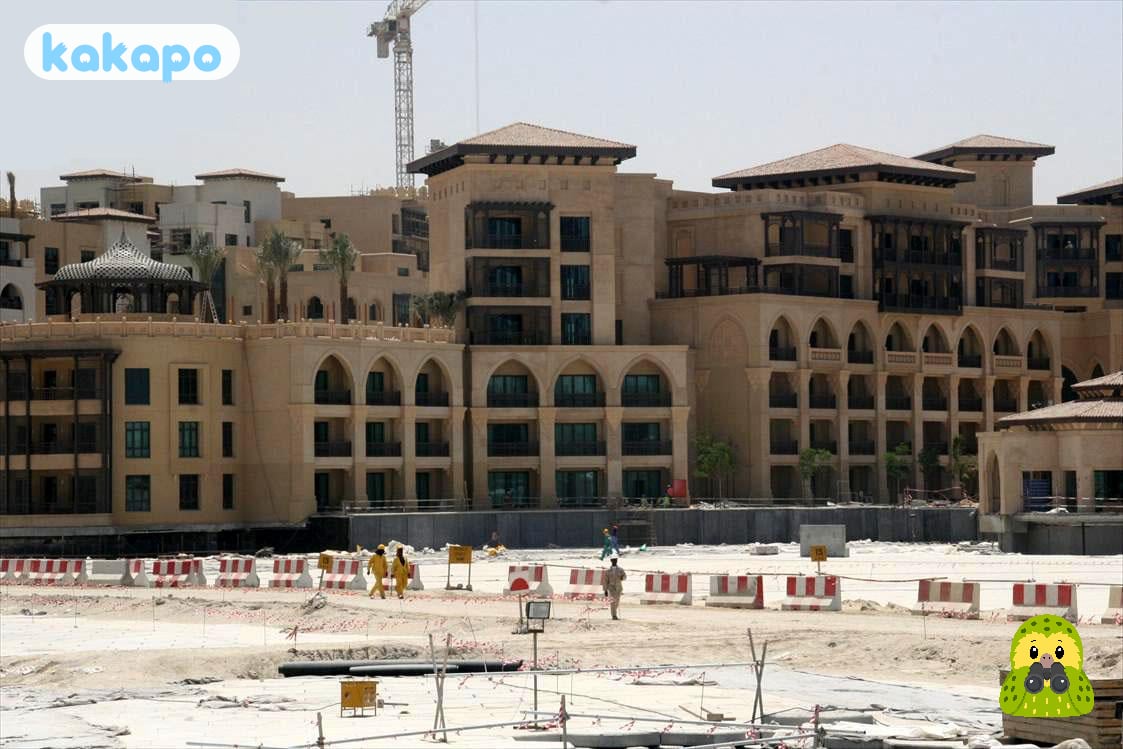
- Downtown Dubai (Burj Khalifa, Dubai Mall, DIFC, Sheikh Zayed Road) — central tourist hub; cosmopolitan; safe day + night.
- Dubai Marina + JBR (Jumeirah Beach Residence) — the beach + waterfront strip; bars + restaurants + beach clubs; safe day + night.
- Jumeirah + Madinat Jumeirah — beachfront resort district; safe.
- Palm Jumeirah — the artificial island with Atlantis, FIVE Palm + most luxury beach clubs; safe.
- City Walk + La Mer + The Beach JBR — open-air mixed-use; safe walking neighbourhoods at any hour.
- Business Bay — high-rise corporate + hotel district; safe.
- Al Quoz — industrial + art galleries (Alserkal Avenue); daytime safe; quieter at night.
- Deira — Old Dubai north of the Creek. Gold Souk, Spice Souk, Naif Mosque. More conservative; persistent vendor pressure; safe for solo women but more covered dress + standard urban awareness. Late-night Naif area gets male-dominated.
- Bur Dubai — Old Dubai south of the Creek. Textile Souk, Al Fahidi Historical Neighbourhood. Daytime fine.
- Karama — Indian + Pakistani residential + restaurants; safe day + early evening.
- Al Satwa — older expatriate residential; mixed; daytime safe.
- What to skip: Sonapur (labour camps); industrial Al Quoz at night; certain Deira late-night streets.
Alcohol, nightlife + dating apps — the 2026 rules
- Alcohol law (post-2022): non-Muslim tourists no longer need personal alcohol licences; licensed venues sell freely; consumption inside venues legal. The legal drinking age is 21. Public intoxication remains illegal.
- Licensed venues: all hotel restaurants + bars are licensed. Most freestanding restaurants in DIFC, Downtown, Marina, Business Bay are licensed via attached hotels. Some unmarked venues + most local restaurants in Old Dubai are dry.
- Alcohol-from-shop: African + Eastern + MMI (the two licensed retailers) sell to tourists with passport scan. Carrying open alcohol on the street is illegal.
- Drink protocol for solo women: pour-watching at bars; never accept drinks from strangers without seeing them poured; bartender-led pacing in clubs.
- Clubs + nightlife: White, Soho Garden, Cavalli, BASE, Industrial Avenue, Penthouse + the Marina dock club scene. Door policies often female-positive (free entry, free drinks). Standard club awareness.
- Dating apps: Tinder, Bumble, Hinge all operational; meet in public licensed venues; the legal context discourages aggressive behaviour but the social context of meeting strangers travels.
- Unmarried couples: cohabitation legal since 2020; sharing hotel rooms is fine; sex outside marriage is no longer criminalised. Public PDA still attracts complaints; keep it inside venues.
- Drug zero-tolerance: cannabis (including CBD products legal in your home country), MDMA, cocaine, prescription drugs not in original packaging — all serious felonies. Tourists have served prison sentences for trace residues. Empty your bags before flying.
Transport — metro, taxi, Careem, Uber

- Dubai Metro (Red + Green lines): clean, modern, safe. Women + Children carriages at one end of each train (pink-marked). Use them or any normal carriage; both fine.
- Taxi (RTA): official cream taxis with red roofs. Metered. Pink-roof "Ladies Taxi" with female drivers also operates — request via call (800 88088) or RTA app. Standard taxi fine; ladies taxi an option for those who want it.
- Careem (Emirati-owned, owned by Uber since 2020) + Uber: both operational; app-priced; safer than street-hailing in any city. Standard tourist default.
- Public buses: clean + safe; tourists rarely need them.
- Walking: limited by heat (April-October) + by city layout (long blocks, multi-lane roads, sparse pedestrian crossings outside Downtown + JBR + Marina + City Walk). Solo female safety while walking is high; the obstacle is geography.
- Airport (DXB + DWC): metro to DXB (Red Line). Careem/Uber 30-90 AED depending on origin. Pre-arranged transfers via hotel for 5-star arrivals.
- Late-night: metro closes ~midnight weekends 01:00. Careem + Uber operate 24/7.
The solo-female Dubai rules
- Dress for the neighbourhood: Marina + Downtown beachy-casual; Old Dubai souks more covered.
- Public PDA inside venues, not on the street.
- Alcohol inside licensed venues only; never carry open alcohol in public; standard pour-watching at bars.
- Drugs zero-tolerance: empty bags pre-flight; no CBD; no prescription pills out of original packaging.
- Photography: don't photograph locals (especially women) without permission; don't photograph government buildings, ports, airports.
- Social media: don't post anything critical of UAE government, royal family, or Islam. Defamation + national-security laws apply.
- Taxi: RTA cream/red, Pink Ladies Taxi, Careem, Uber. Never an unlicensed driver.
- Dubai Police if anything happens: 999 emergency; 901 non-emergency; Tourist Police via 800 4438. English-speaking, professional, fast.
- Hospital: American Hospital Dubai, Mediclinic City Hospital, Saudi German Hospital — international-grade.
- DFWAC helpline for sexual-assault or domestic-violence reports: 800-111. Free shelter + medical + legal support.
Frequently asked questions
Is Dubai safe for solo female travellers in 2026?
Yes — among the safest cities in the world for a woman alone, measurably safer on personal-safety metrics than most European capitals. UAE Federal Decree-Law No. 31 of 2021 makes sexual harassment a criminal offence carrying 1+ year imprisonment + AED 10,000+ fines, aggressively prosecuted. CCTV saturation + Dubai Police Tourist Police (24/7 English-speaking) produce a public-space quality solo women consistently describe as 'safer than anywhere else I've been'.
Do I need to wear an abaya in Dubai?
No — the abaya is not required for tourists anywhere in Dubai. Local Emirati women wear it; expatriate residents and tourists overwhelmingly do not. Wearing one as a tourist is sometimes seen as performative. The dress code is contextual: bikinis at beach clubs, cocktail dress in nightlife, shoulders + knees covered in malls and Old Dubai souks, abaya + headscarf provided at mosques.
Can I drink alcohol in Dubai?
Yes. Since 2022, non-Muslim tourists no longer need personal alcohol licences. Licensed venues (hotel restaurants, DIFC + Downtown + Marina bars + clubs) sell freely. African + Eastern + MMI shops sell alcohol to tourists with passport scan. Public intoxication remains illegal; carrying open alcohol on the street is illegal; legal drinking age is 21.
Are unmarried couples allowed in Dubai hotels?
Yes — cohabitation was legalised in 2020 and sex outside marriage was decriminalised. Unmarried couples can share hotel rooms in any property without question. Public PDA still attracts complaints + is best kept inside venues; non-marital intimacy in public is enforceable under public-decency law.
Is Deira safe for solo women?
Yes daytime for the Gold Souk + Spice Souk + Naif Mosque visits. More conservative than Marina + Downtown; cover shoulders + knees; persistent vendor pressure. Late-night Deira (especially around Naif + the Creek) gets male-dominated and feels less inviting; not unsafe but less pleasant for solo evening walking. Stay in Marina, Downtown, JBR, Business Bay, or Palm for accommodation.
Can I use Uber in Dubai?
Yes — Uber + Careem both operate. Standard tourist default. RTA's Pink Ladies Taxi (female drivers) is also available via the RTA app or 800 88088. Standard cream/red RTA taxis are metered + fine. Never use an unlicensed driver.
What about CBD and prescription medication?
CBD is illegal — even products legal in your home country. Prescription medications must be in original packaging with prescription documentation; controlled substances (opioids, stimulants, sleeping pills) require pre-arrival approval via the UAE Ministry of Health portal. Trace amounts of recreational drugs have led to tourist prison sentences. Empty your bags pre-flight.
Recent travel news for Dubai
All travel news →Sources
Run a business in Dubai?
Show visitors your Dubai business is a safe choice. The free Verified by Kakapo badge puts Dubai's live safety score on your website, links back to your verified page, and updates itself. No cost.
Get the free badge →