


Is Turin, Italy Safe? A 2026 Travel Safety Guide
Turin is one of Italy's safer big cities. The honest concerns: the Egyptian Museum queue, winter cold, the Mole climb, and Porta Nuova fringe pickpockets.

Turin is one of Italy's safer big cities. Crime against tourists is mild compared with Naples or Rome. The realistic concerns are concentrated: the Egyptian Museum (the world's second-largest after Cairo) generates serious queue management problems on weekends; winter Po-valley cold reaches -5°C; the Mole Antonelliana's panoramic lift climbs into a glass cabin that catches out anyone with vertigo; Porta Palazzo market and the streets immediately around Porta Nuova station have a fringe of bag-snatch + petty theft; and the Eurochocolate / CioccolaTÒ festival weekend brings huge crowds.
Italy sits at Level 2 on the US State Department advisory (terrorism, baseline). UK FCDO is similar. The honest framing for visitors: Turin is northern + industrial + elegantly Baroque, with a distinctly different feel from southern Italy. The 2006 Olympics + 2025-2026 cultural-investment cycles have polished the centre; the city has noticeably less tourist-targeting crime than Italy-baseline.
Turin is large (~860,000 in city). The Egyptian Museum, Royal Palace + Reggia di Venaria, the Mole Antonelliana + Cinema Museum, the Porta Palazzo market (Europe's largest open-air food market), Lingotto Fiat factory, and the Alps day trip are the anchor experiences.
Turin (Torino in Italian) is the capital of Piedmont and sits in the Po river valley at the foot of the Western Alps. The 1861 first capital of the unified Kingdom of Italy; the Fiat industrial powerhouse from 1899; the 2006 Winter Olympics host; and in 2025-2026 a continuing focus of Italian cultural investment. The aperitivo culture — the late-afternoon drink with a generous spread of complimentary food — is more pronounced here than anywhere else in Italy; €10-12 for a Campari spritz + an unlimited buffet is a Piazza Vittorio Veneto institution.
| Night safety | 65/100 |
|---|---|
| Scam / petty-crime risk | Medium |
| Violent crime (tourists) | Low |
| Most common scams | pickpockets in Porta Palazzo market; bag-snatch concern around Porta Nuova station; queue management problems at the Egyptian Museum |
| Safer neighbourhoods | Centro, Quadrilatero Romano, San Salvario |
| Data sources cited | 4 |
| Last verified |
What the score means — 84/100
- Healthcare (86) — Città della Salute (Le Molinette) is among Italy's largest medical complexes.
- Transport (86) — GTT trams + 1-line metro + buses; integrated with regional rail.
- Personal safety (84) — high.
- Air quality (76) — Po-valley winter inversions push particulate up significantly. Genuinely bad on still cold days; sensitive lungs notice.
Egyptian Museum — the queue, the booking

- Museo Egizio: world's second-largest Egyptian collection (after Cairo). 30,000+ artefacts.
- Entry: €18, timed entry. Closed Mondays.
- Pre-book: museoegizio.it. Same-day tickets often sold out summer Saturdays.
- Allow 3-4 hours minimum; the museum is renovated through 2025-2026, audio guide is excellent.
- Pickpockets in the queue: low; museum security visible.
- Combination tickets: with Royal Museums of Turin €30; saves time + money.
- Children: ages 8+ get the most from it; under-5s often bored.
Mole Antonelliana + Cinema Museum
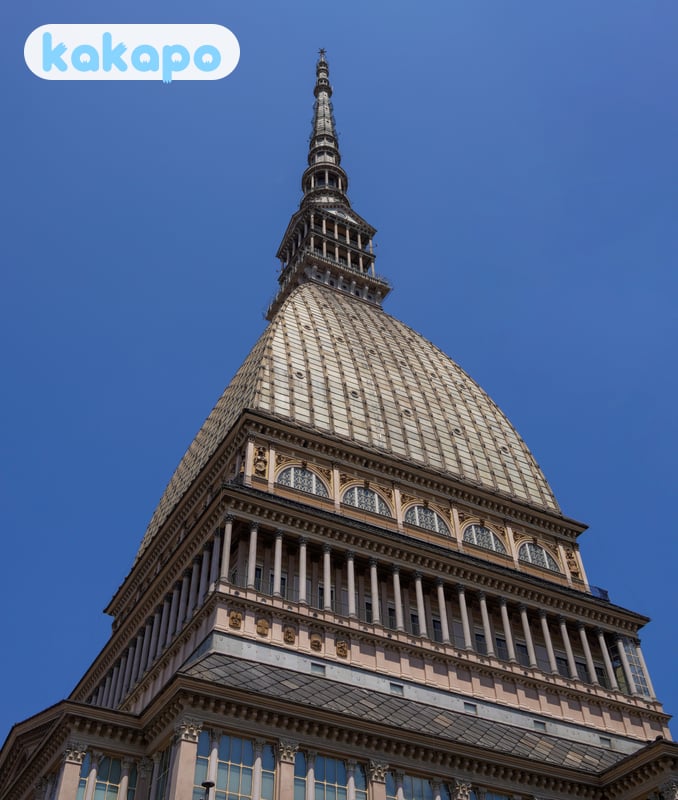
- The Mole: 167 m tower, originally a synagogue. Now houses the National Cinema Museum.
- The lift: €9 separate ticket; central glass-floored cabin shoots up the inside of the dome to a 360° panorama. Spectacular; not for vertigo sufferers — the floor is clear, the ride is fast.
- Cinema Museum: €17 combined with lift €19. World-class. 2-3 hours.
- The lift queue: 30-60 min summer afternoons. Pre-book the lift slot.
- Children: love both.
- Photography: allowed. Tripods need permission.
Porta Palazzo + Porta Nuova fringe
- Porta Palazzo: Europe's largest open-air food + general market. ~1,000 stalls. Mon-Sat mornings.
- The reality: the market itself is fine + busy; the streets immediately surrounding it (Via Milano, Corso Regina Margherita) have a rougher migrant-fringe edge.
- Pickpockets: meaningful in the morning crush + at the bus stops around the market.
- Saturday's "Balon" flea market: behind Porta Palazzo. Real bargains; even more pickpocket-worthy.
- Porta Nuova station: fine inside; the streets immediately south have mild bag-snatch concern.
- Tourist police: visible in centre; not in the fringes.
- Cross-body bag: in front when in market crush.
Winter cold + air-quality reality
- December-February: -2 to 6°C standard; -5°C cold snaps occur. Po-valley fog + still cold air.
- Inversion + smog: the geographical bowl traps pollution Nov-Feb. Particulate (PM2.5/PM10) regularly exceeds EU limits. Visible haze on still cold days.
- Sensitive lungs: bring an FFP2 mask or check ARPA Piemonte daily before walking outdoors for hours.
- Heating: indoor + tram fierce. Layered clothes you can shed.
- Best months: May, September. Eurochocolate is November.
- Snow: a few days a winter; cobbles get glassy.
Chocolate — Turin's identity
- The history: Turin invented gianduja (chocolate + hazelnut) and the bicerin (espresso + chocolate + cream) drink.
- Historic cafés: Caffè Al Bicerin (1763), Baratti & Milano, Mulassano, Caffè San Carlo. Cozy + theatrical.
- Eurochocolate / CioccolaTÒ: chocolate festival, typically late October-early November. Free entry to outdoor stalls; tasting passes ~€10-€20.
- Hotel prices: 50% higher festival weekend.
- Gianduiotto: the iconic gold-foil-wrapped chocolate. Guido Gobino + Stratta are local-favourite producers.
- "Nutella" alternatives: locally Venchi has the best gianduja spread.
Alps + Reggia di Venaria
- Reggia di Venaria Reale: UNESCO Royal palace, 8 km north. €20 + €5 garden; allow 4-5 hours. Bus 11 or shuttle from centre.
- Sacra di San Michele: 1,000-year hilltop abbey, 40 km west. The basis for Umberto Eco's "Name of the Rose". €8.
- Alps: Sestriere + Sauze d'Oulx + Bardonecchia ski resorts 1.5h. Olympic 2006 + 2026 (some events) heritage.
- Driving: A32 toll road to French border; chains/winter tyres mandatory Nov-Apr.
- Trains to ski: Trenitalia regional Torino Porta Nuova → Bardonecchia 1h15m.
Trams, metro, the airport, money
- GTT: tram + bus + metro. Single €1.70, day €4.50.
- Torino Caselle (TRN): 16 km north. Train Sadem bus + metro; ~€7.50, ~45 min.
- Trains: Frecce Torino Porta Nuova ↔ Milan 50 min, Rome 4h, Paris (TGV) 5h30m.
- Currency: euro. Cards everywhere; cash for some markets.
- Tipping: 5-10% if service good; coperto (€1-€3) standard.
Neighbourhood-by-neighbourhood breakdown
- Centro (Piazza Castello, Piazza San Carlo, Via Roma) — the elegant Baroque heart. Royal Palace, Palazzo Madama, Galleria Subalpina, Caffè San Carlo (1822). Heavy police visibility; comfortable any hour. Via Roma is the smart shopping street; Via Po is the long pedestrian artery down to the Mole and the Po river.
- Quadrilatero Romano — the dense grid of medieval lanes north-west of Piazza Castello, the original Roman castrum. Restaurants, bacari (small wine bars), late-night drinking. The single best aperitivo and dinner density in the city. Safe and walkable any hour.
- San Salvario — the multicultural neighbourhood south of Porta Nuova station, gentrified rapidly post-2010. International restaurants, the bar strip on Via Berthollet and Largo Saluzzo, the elegant Valentino Park. Lively young scene; mild pickpocket awareness late.
- Vanchiglia — the gentrifying former-working-class district east across the Dora canal from the centre. Bars and small restaurants on Via Bava and Via Vanchiglia. Quieter and cheaper than Quadrilatero.
- Lingotto + Mirafiori — the southern Fiat industrial heritage zone. Lingotto Fiat factory (1923) is now a shopping mall + cinema + the Pinacoteca Agnelli art museum on the roof + the rooftop test track (you can walk it). Eataly was born here in 2007. 10 min on Metro Line 1.
- Mole Antonelliana + Cinema Museum — the 167 m tower visible from across the city, originally an 1880s synagogue, now the National Cinema Museum (€17, world-class). The glass-floored panoramic lift €9 (separate ticket) is not for vertigo sufferers.
- Metro Line 1 — the city's single metro line, useful for Lingotto + Porta Susa + Porta Nuova + central + Fermi. Single €1.70, day €4.50. Line 2 under construction since forever.
- Egyptian Museum — second-largest Egyptian collection in the world after Cairo, 30,000+ artefacts. €18 timed entry; pre-book on museoegizio.it (same-day sold out summer Saturdays). Allow 3-4 hours; the audio guide is excellent. The 2025-2026 renovation is mostly complete.
- Royal Palace + Royal Museums of Turin — the Savoy royal complex on Piazza Castello: Palazzo Reale, Palazzo Madama, Royal Armoury, Galleria Sabauda, Royal Library (where Leonardo's self-portrait drawing is held). Combined ticket €15.
- Aperitivo culture — the Turin invention. Order a Campari spritz, Negroni or vermouth (Carpano, Cinzano, Martini all originated here) for €8-12 at 18:30-20:30 and the bar lays out a generous spread of complimentary food (focaccia, salumi, cheese, vegetables, sometimes pasta). The dinner-replacement habit on Piazza Vittorio Veneto.
If it's your first time visiting
- Best arrival airport: Torino Caselle (TRN) 16 km north; SADEM bus to Porta Nuova €7.50 (40-50 min) or train + metro combo same price. Many travellers fly into Milan Malpensa (MXP) instead — direct TGV/Frecciarossa Milan-Turin 50 min (€20-40); MXP-Milano Centrale shuttle 50 min adds another step. Direct TGV from Paris Gare de Lyon 5h30m (€60-180).
- Best neighbourhood for your first night: Centro / Quadrilatero (NH Collection Piazza Carlina, Turin Palace, Grand Hotel Sitea) for the Baroque core and aperitivo proximity; San Salvario for cheaper modern options walking-distance to Porta Nuova; Lingotto for the Fiat-heritage feel + Eataly. Avoid first-time bookings around Porta Palazzo's outer streets.
- Day 1, jet-lag friendly: 10:00 Egyptian Museum (pre-booked €18, 3 hours); 13:30 lunch agnolotti del plin or vitello tonnato at Tre Galline or Antica Bruschetteria Pautasso (€20-30); 15:00 Mole Antonelliana lift + Cinema Museum combined €19 (allow 3 hours); 18:30 aperitivo at Caffè Mulassano on Piazza Castello or Pastificio Defilippis bar in the Quadrilatero (€8-12 spritz with food spread); 21:00 dinner in the Quadrilatero.
- Real prices in 2026: GTT single €1.70, day €4.50; Egyptian Museum €18, Mole €9 lift / €17 museum / €19 combined; aperitivo €8-12; mid-range Quadrilatero dinner €35-55/person; coperto €1-3 routinely added; coffee at the counter €1.20-1.80, sat at a table €4-7; Turin's signature bicerin (espresso + chocolate + cream layer) €5-7 at Caffè Al Bicerin (1763); Eurochocolate festival weekend hotels +50%; Sadem airport bus €7.50.
- Common rookie mistakes: not pre-booking the Egyptian Museum and waiting 90 min on a Saturday; ordering "spritz" expecting Aperol — Turin's bartenders default to Campari; missing the bicerin at Caffè Al Bicerin (the 1763 café where Cavour, Nietzsche and Hemingway drank it); paying restaurant prices in the Galleria Subalpina when Quadrilatero is 5 min away and 30% cheaper; walking through Porta Palazzo's outer streets at 23:00 (Saturday Balon flea market crush is the pickpocket peak — bag in front); ignoring Po-valley air-quality inversions in winter (FFP2 mask if sensitive); buying counterfeit gianduiotto from street vendors instead of Guido Gobino, Stratta or Peyrano.
- Currency + cards: euro; cards and Apple/Google Pay universal including GTT tram readers. Always pay in EUR — decline DCC. €30-50 cash for Porta Palazzo market vendors, occasional small bars, and the bicerin tip jar.
- Tipping: 5-10% if service was good; the coperto (€1-3) is a cover charge, not a tip. Cappuccino is breakfast-only — ordering one after 11am is a tell.
- Day-trip arc: Reggia di Venaria Reale (UNESCO Royal palace 8 km north, €20, bus 11); Sacra di San Michele (1,000-year hilltop abbey, basis for Umberto Eco's "Name of the Rose"); Olympic ski resorts Sestriere/Sauze d'Oulx/Bardonecchia 1.5h on Trenitalia regional.
Practical info — emergency numbers
- European emergency: 112.
- Police: 113.
- Ambulance: 118.
- Città della Salute (Le Molinette): +39 011 633 1633.
- ARPA Piemonte (air quality): arpa.piemonte.it
Bring: layered clothing (Po-valley winters reach -5°C; summers reach 35°C), comfortable walking shoes for the long Baroque arcades, an FFP2 mask if sensitive to winter air quality, a contactless card (Italian terminals are uniformly contactless), and an unlocked phone (TIM, Vodafone IT, Wind Tre prepaid SIMs).
Frequently asked questions
Is Turin safe to visit in 2026?
Yes. Turin scores 84/100 and is one of Italy's safer big cities — notably less tourist-targeting crime than Rome, Naples or Florence. Italy sits at Level 2 on the US State Department advisory (baseline terrorism caveat). The realistic concerns are concentrated: pickpockets in the morning crush at Porta Palazzo market and around Stazione Porta Nuova; Po-valley winter cold reaches -5°C with serious air-quality inversions (PM2.5 spikes); the Mole Antonelliana glass-floor lift catches out anyone with vertigo; and the Egyptian Museum requires advance booking on weekends. The 2006 Olympics and ongoing cultural investment have polished the centre.
Is Turin safe at night?
Yes — the centre (Piazza Castello, Piazza San Carlo, Via Po, the Quadrilatero Romano) stays lively until 1-2am with strong police visibility. The Murazzi del Po riverside has been redeveloped and is again a safe nightlife strip. The areas to pick your route around after midnight are the streets immediately around Porta Palazzo market and the southern fringe of Porta Nuova — daytime walkable, just less polished late. Solo women generally find Turin one of Italy's more comfortable big cities late.
Is Turin safe for solo female travellers?
Yes, comfortably. Turin is among the safer Italian cities for solo women — a Northern industrial-elegant character means less of the catcalling that defines parts of Naples or Rome. The compact Baroque centre is walkable and well-lit; Via Po and the Quadrilatero have active café culture late. Standard precautions in the Porta Palazzo morning crush handle pickpocketing. Solo women routinely ride the GTT trams and metro at all hours without issue.
Can you drink tap water in Turin?
Yes. Turin's tap water is excellent — sourced from Alpine springs and tested to EU standards. Locals drink it routinely and the city has dozens of cast-iron 'toret' fountains (bull-shaped, Turin's symbol) flowing free drinkable water across the centre. Carry a refillable bottle. Restaurants serve tap water (acqua del rubinetto) on request, though Italian custom is usually bottled — Italians sometimes assume tourists prefer bottled, so ask explicitly.
What's the biggest scam to avoid in Turin?
Pickpocket teams working Porta Palazzo market's Saturday Balon flea market — distraction by one person while a partner works your bag in the crush. Wear a cross-body bag in front. Other recurring cons: DCC at card terminals (always pay in EUR, never your home currency, adds 3-7%); the 'free bracelet / friendship rose' push around Piazza Castello; and counterfeit gianduiotto sold by street vendors near major sites (buy from Guido Gobino, Stratta, Peyrano or Baratti & Milano for the real thing).
Is Turin's winter air pollution actually a problem?
Yes, on still cold days from November through February. Turin sits in a geographical bowl at the foot of the Alps, and winter inversions trap pollution — PM2.5 and PM10 regularly exceed EU limits, sometimes for week-long stretches. You'll see a visible haze and smell wood-burning in some neighbourhoods. People with asthma or cardiac conditions should check ARPA Piemonte daily air-quality readings and consider an FFP2 mask for extended outdoor walking on the worst days. May-June and September-October are the sweet-spot months — clear air, mild temperatures.
Sources
Run a business in Turin?
Show visitors your Turin business is a safe choice. The free Verified by Kakapo badge puts Turin's live safety score on your website, links back to your verified page, and updates itself. No cost.
Get the free badge →