


Is Valletta, Malta Safe? A 2026 Travel Safety Guide
EU's smallest capital, UNESCO walled city, the Mdina + Gozo day trips, summer 40°C heat, the cruise-ship crowd days, and the realistic risks.

Valletta is one of the EU's safest capitals. Crime against visitors is essentially nonexistent. The realistic risks are environmental: the cobble + step physical demands of the walled city (Valletta is built into a peninsula and is full of stairs), the genuine summer heat (40°C+ in August), the Mdina + Gozo day-trip ferry logistics, and the cruise-ship crowd density when 2-3 ships dock.
Malta sits at Level 1 on the US State Department's advisory list. UK FCDO is similar. The honest framing: Valletta is tiny (~5,800 residents — the city itself is 0.8 km² inside the walls). It's the EU's smallest capital. St John's Co-Cathedral, the Grand Master's Palace, the Upper Barrakka Gardens (with the Grand Harbour view), Mdina (the silent city, 30 min away), and Gozo (ferry from Cirkewwa) are the visitor anchors.
| Solo female safety | 90/100 |
|---|---|
| Night safety | 83/100 |
| Scam / petty-crime risk | Medium |
| Violent crime (tourists) | Low |
| Most common scams | restaurant 'fresh fish' pricing; pickpockets on bus 13 / 14 / 21; pirate-cruise / sunset-cruise touts on Sliema strand |
| Safer neighbourhoods | Upper Barrakka Gardens, Republic Street, Strait Street |
| Data sources cited | 4 |
| Last verified |
What the score means — 85/100
- Personal safety (92) — exceptional. Tourist crime essentially zero.
- Air quality (86) — clean Mediterranean.
- Healthcare (88) — Mater Dei Hospital is excellent.
- Transport (84) — bus network + ferries; Valletta itself walkable.
Stairs + cobbles + heat
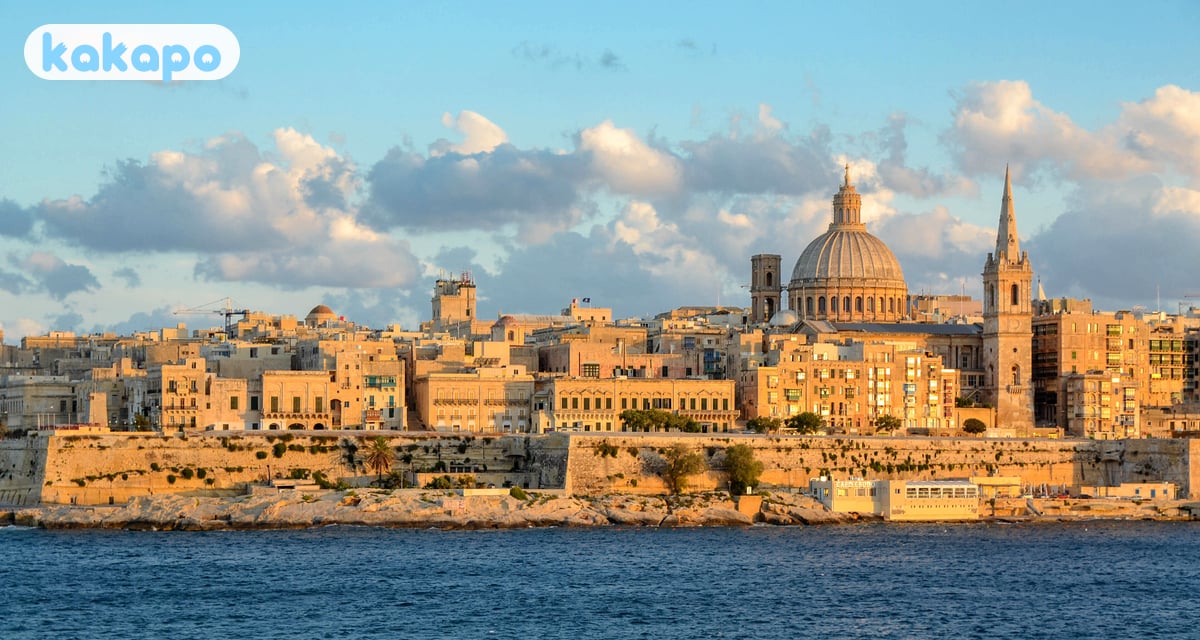
- Valletta is built on a hill: many streets are stepped. The "Triq San Gwann" + Republic Street descents.
- Sturdy walking shoes: with grip. Cobbles slippery in rare rain.
- Mobility: Valletta is challenging for wheelchair users + walkers with mobility issues. Some sites accessible, many not.
- Barrakka Lift: free public lift connecting Lascaris Wharf (Grand Harbour) to Upper Barrakka Gardens (city level). Skip the stairs.
Summer heat
- July-August: 30-38°C; heat-index higher with humidity.
- Plan: indoor sites + cathedrals mid-day; walking dawn or evening.
- Hydration: 3L+/day.
- Best season: April-June, September-October.
St John's + the cathedrals
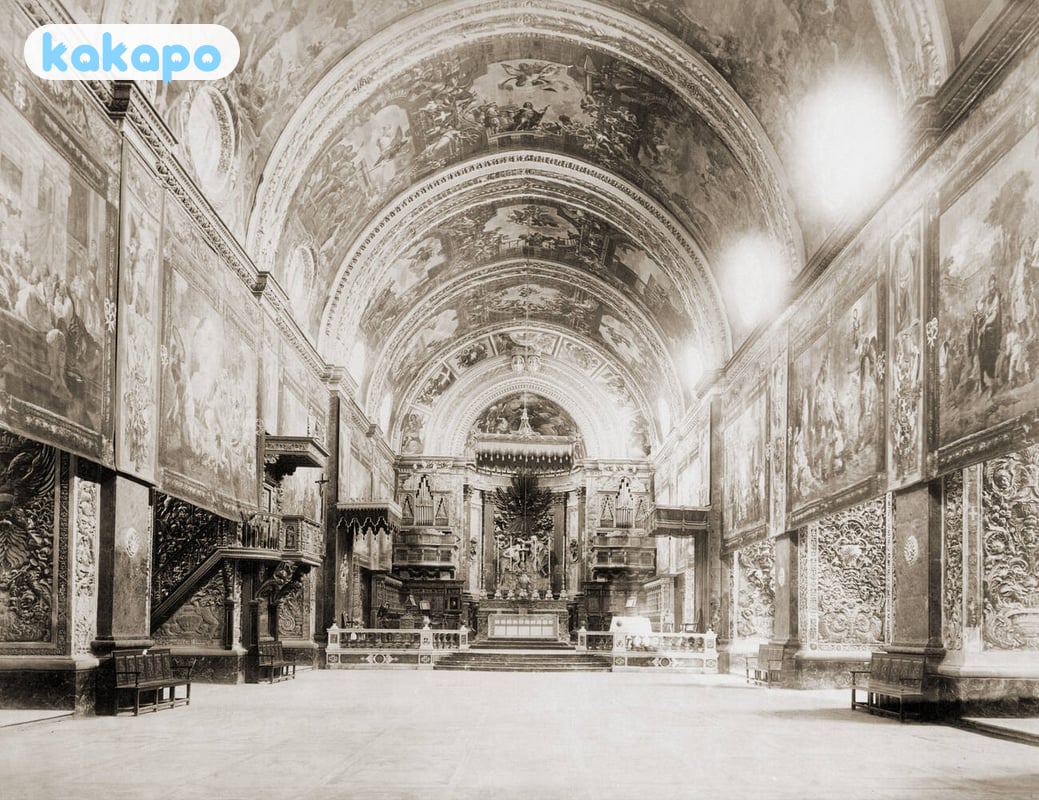
- St John's Co-Cathedral: Caravaggio's "Beheading of John the Baptist" + the marble-tomb floor. €15.
- Grand Master's Palace: armoury + state rooms. €12.
- Upper Barrakka Gardens: free; Grand Harbour view; Saluting Battery cannon firings noon + 4pm.
- Lower Barrakka Gardens: quieter Grand Harbour view.
Mdina + Gozo day trips
- Mdina ("the silent city"): 30 min by bus. Walled medieval city; cars restricted. Half-day visit.
- Gozo: 30 min ferry from Cirkewwa (north Malta) to Mgarr. Older, slower, more rural sister island. Day trip or overnight.
- Comino + Blue Lagoon: small island between Malta + Gozo; postcard turquoise water; summer over-tourism.
Cruise-ship days
- Cruise-ship terminal: at Valletta Waterfront. 2-3 ships dock simultaneously — 6,000+ ashore.
- Crowd density: severe at St John's + Republic Street + Upper Barrakka.
- Pickpockets: low-level in densest cruise crowds.
- Visit early or after 4pm: cruise passengers usually back on board by 5pm.
Day trips — Mdina, the Blue Grotto, Gozo, Comino
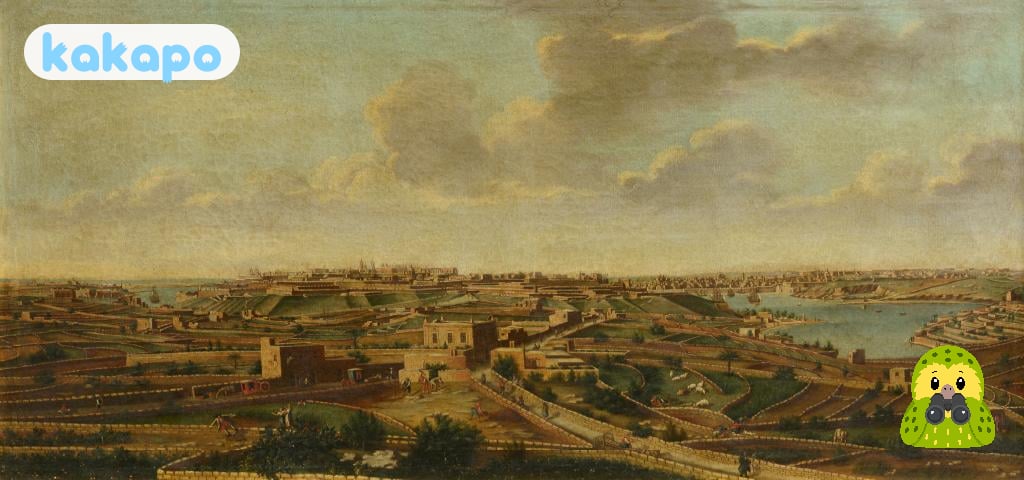
Valletta is small enough to walk end-to-end in 90 minutes. Most visitors stay 3-5 days and use it as a base for the rest of the Maltese archipelago — which is part of the appeal.
- Mdina ("the Silent City"): the old walled inland city. Free to enter; restaurants and small museums. Bus 51 or 53 from Valletta, ~30 min. Best at sunset, after the day-trippers leave; some atmospheric hotels (Xara Palace) inside.
- Three Cities (Birgu/Vittoriosa, Senglea, Cospicua): across the Grand Harbour from Valletta. Reachable by the traditional dghajsa water-taxi (€2) or the harbour ferry (€2.80) — both are part of the experience. Quieter than Valletta with the same architecture.
- Blue Grotto: sea caves on the south coast, near Żurrieq. Small fishing-boat rides into the caves €8-10/person. Weather-dependent — boats cancel if waves exceed about 1 m.
- Gozo: the second island, 25-min ferry from Cirkewwa in the north. The Citadella in Victoria, Dwejra (the Azure Window is gone since 2017), salt pans at Marsalforn. Day-trip workable; better as overnight.
- Comino + the Blue Lagoon: tiny island between Malta and Gozo. The Blue Lagoon is famous for its colour and notorious for crowds — pre-2020 was already heaving, and the government has since imposed visitor caps to prevent further damage. Go on a private chartered boat at dawn or skip it for Mġarr ix-Xini on Gozo.
- Hagar Qim + Mnajdra temples: 5,000-year-old megalithic temples on the south coast — older than the pyramids. UNESCO. €10 entry.
- The 7-day Tallinja card: €21 unlimited bus across Malta + Gozo. Pays back if you're doing 4+ trips.
Scams — minor, plus the rental-car traffic-ticket trap
- Pickpockets on bus 13 / 14 / 21 (the airport + Sliema routes): real on packed routes. Phone in front pocket.
- Restaurant "fresh fish" pricing: a few tourist-strip places in Valletta and Sliema charge €60-100 for "today's catch" priced by weight without specifying. Ask for the per-kilo price upfront.
- Pirate-cruise / sunset-cruise touts on Sliema strand: legitimate operators exist (Captain Morgan, Hera Cruises, Charlie's Ferry); avoid random street touts.
- Rental-car ZTL + speeding fines: Malta uses automated traffic-camera enforcement. Tickets arrive 6-12 weeks later via the rental company plus admin fee. Speed limits are strict (50 km/h urban, 80 km/h rural); GPS will warn you.
- Driving: left-hand traffic (British colonial legacy). Narrow rural roads; many roundabouts. Don't drive into Valletta itself — the ZTL is enforced. Park at the Floriana underground car park or the Park & Ride.
- Counterfeit EUR notes: rare. The €50 note is the most-faked across the EU. Spot-check change.
Transport — buses, ferries, the airport
- Malta Public Transport buses: integrated network. €2 single. Use the Tallinja card for discount.
- Valletta Ferry: €1.50 to Sliema across the harbour. Useful + scenic.
- Walking: Valletta itself fully walkable in 30 min end-to-end.
- Malta International Airport (MLA): 8 km south of Valletta. Bus X4/X5/X7 €2; taxi €25-30; Bolt cheaper.
- Driving in Malta: drive on the LEFT (former British colony). Narrow roads + chaotic local style.
Money + cost
- Currency: Euro (€).
- Cards: universal.
- Tipping: 10%; service charge often included.
- Cost: hotels €120-280/night standard; summer peak higher.
- Tap water: technically safe; locals drink bottled (mineral content).
Practical info — emergency numbers
- Emergency: 112.
- Police: 119.
- Mater Dei Hospital ER: +356 2545 0000.
Bring: comfortable walking shoes with grip, sun protection, a Maltese SIM (Melita, Vodafone Malta), contactless card, travel insurance.
Frequently asked questions
Is Valletta safe to visit in 2026?
Yes — Valletta scores 90/100 and is one of the EU's safest capitals. Malta sits at Level 1 on the US State Department advisory list and UK FCDO carries no specific Valletta warnings. Tourist-targeted crime is essentially nonexistent in the walled city; the harshest realistic risks are environmental — Valletta is built on a stepped peninsula and the cobbled streets get slippery in rare rain, summer heat tops 40°C in August, and the cruise-ship density days (when 2-3 ships dock simultaneously and 6,000+ passengers come ashore) compress the tiny 0.8 km² walled city to shoulder-to-shoulder around St John's Co-Cathedral and the Upper Barrakka Gardens.
Is Valletta safe at night?
Yes, completely. The walled city has ~5,800 residents inside the bastions, the streets are well-lit, the limestone glow is genuinely beautiful after dark, and the police presence at major sights is visible. Restaurants on Republic Street and Strait Street stay busy late, and the Upper Barrakka Gardens overlook is a routine evening walk for locals. Solo women are comfortable at any hour. The cruise-ship crowds disperse by 17:00, leaving the evening atmosphere calm and atmospheric. If you're walking back to the Sliema ferry late, the dghajsa water-taxi service stops earlier than the regular ferry — check the last sailing before heading out.
What's the biggest scam to avoid in Valletta?
Restaurant 'fresh fish' pricing is the most-documented issue — a handful of tourist-strip places in Valletta and on the Sliema waterfront charge €60-100 for 'today's catch' priced by weight without specifying the per-kilo rate upfront. Always ask the per-kilo price before ordering and look for it written on the menu. Secondary patterns: pirate-cruise touts on the Sliema strand (use named operators like Captain Morgan, Hera Cruises, Charlie's Ferry; not random street sellers), pickpockets on the airport bus routes 13/14/21 in summer crush, and the rental-car ZTL fine trap — Malta uses automated traffic-camera enforcement that issues tickets via the rental company 6-12 weeks later, plus admin fee. Park outside the walls and walk in.
Can you drink tap water in Valletta?
Technically yes — Malta tap water meets EU drinking-water standards and is safe to drink. In practice, most locals drink bottled water because the desalination-derived supply is heavily mineralised and tastes salty/chalky to most palates. Restaurants will bring bottled water by default; if you ask for tap, some will refuse and others will charge for filtered water. The bigger water-related issue is the summer heat: 3 L+/day intake in July-August is the baseline. Carry a refillable bottle and top up at cafés — the water is safe even if locals don't drink it.
What's the best way to get around Malta from Valletta and is the airport route safe?
Use Malta Public Transport buses (€2 single, or €21 for a 7-day Tallinja card if you'll do 4+ trips). Malta International Airport (MLA) is just 8 km south of Valletta — bus X4/X5/X7 costs €2 and runs every 30 minutes; a Bolt is €15-20 and a regulated airport taxi is €25-30. All are safe and routine. From Valletta you can also take the Valletta Ferry to Sliema (€1.50, scenic) or the harbour ferry to Birgu/Vittoriosa across the Grand Harbour for the Three Cities. If you're driving on the wider island, remember it's left-hand traffic (British colonial legacy) on narrow, busy rural roads with a lot of roundabouts — and ZTL camera fines are real if you accidentally drive into Valletta itself.
Sources
Run a business in Valletta?
Show visitors your Valletta business is a safe choice. The free Verified by Kakapo badge puts Valletta's live safety score on your website, links back to your verified page, and updates itself. No cost.
Get the free badge →