


Is Oaxaca City Safe for Solo Female Travellers?
Centro Histórico after dark, mezcal-bar protocol, the Monte Albán day-trip, and why Oaxaca remains one of Mexico's most solo-female-friendly cities.

Oaxaca City is one of the safer tourist cities in Mexico for solo female travellers — measurably safer than the Riviera Maya, Mexico City CDMX or Guadalajara on most indicators. The single most useful fact: Oaxaca state's overall homicide rate sits well below the national average, and within Oaxaca City the Centro Histórico (the UNESCO-listed colonial core where every tourist stays) has a tourist-incident rate comparable to small European cities. The Policía Turística Oaxaca runs a dedicated 24/7 patrol of the Centro with English-speaking officers stationed at the zócalo and Templo de Santo Domingo.
Oaxaca is the capital of Oaxaca state — population ~270,000, sitting at 1,555m in the Sierra Madre. The Centro Histórico (Zócalo, Andador Macedonio Alcalá, Templo de Santo Domingo, Mercado 20 de Noviembre, Mercado Benito Juárez) is the entire tourist Oaxaca. It's compact, pedestrianised in stretches, lit at night, and busy with locals every evening.
The catches for a solo woman are limited: the mezcal-bar drink protocol (Oaxaca is the world capital of mezcal and the city has a dense bar scene), the transport calculus for the Monte Albán + Hierve el Agua + Mitla day-trips, and the specific intensity of Día de los Muertos (October 31 – November 2), Guelaguetza (last two Mondays of July) and the Christmas/New Year period when the city is at peak crowd density.
| Solo female safety | 85/100 |
|---|---|
| Night safety | 70/100 |
| Scam / petty-crime risk | Medium |
| Violent crime (tourists) | Low |
| Most common scams | street stands selling 'free shots' near the Zócalo; unmarked colectivos at the foot of the hill to Monte Albán; back-street cantinas with no street signage |
| Safer neighbourhoods | Centro Histórico, Jalatlaco, Xochimilco |
| Data sources cited | 4 |
| Last verified |
The Centro Histórico — your entire safe zone
- Zócalo + Alameda — Oaxaca's main square. Lively day and night until ~23:00. Restaurants on three sides, the cathedral on the fourth, marimba and live music in evenings.
- Andador Macedonio Alcalá (the tourist walking street) — pedestrianised from the Zócalo north to Templo de Santo Domingo. The single most-walked street in Oaxaca; safe at any hour. Restaurants and galleries open until 23:00.
- Templo de Santo Domingo + Plaza — the postcard image of Oaxaca. Plaza is well-lit, busy with families until late.
- Jalatlaco neighbourhood (east of Centro) — the colourful-mural barrio. Daytime fine, evening fine until ~22:00; quieter than Centro after that.
- Xochimilco neighbourhood (north of Santo Domingo) — quiet, residential, mostly safe; some streets get sparse at night.
- Reforma + Avenida Juárez (east edge) — main commercial avenues; fine.
- Mercado 20 de Noviembre + Mercado Benito Juárez — the famous markets. Daytime are crowded, lively, safe; close around 20:00. Standard market-pickpocket awareness.
Where solo women report feeling less comfortable
- South of the city (Colonia Reforma Agraria, Colonia San Martín Mexicapan) — residential, not tourist zones. No reason to be there; not unsafe but not pleasant.
- Around the long-distance ADO bus terminal (north of Centro) — fine during station-use hours; surrounding streets after 22:00 less inviting. Taxi between hotel and terminal at night.
- Outside the Centro Histórico late night — once you leave the core grid, street activity drops. Stay within the walking Centro or take a Didi/Uber home.
- Hierve el Agua side roads — the petrified-falls site itself is heavily visited and safe; the side roads getting there have been the subject of brief 2023 incidents where local communities blocked vehicles in disputes over tourism revenue. Check current conditions with your guide before going.
Mezcal bars — Oaxaca's signature, the solo-female protocol
- Oaxaca is the world capital of mezcal — 100+ mezcalerías in the Centro. From traditional cantinas (La Mezcalerita, Mezcalogía) to upscale tasting rooms (In Situ, Mezcaloteca, Sabina Sabe).
- The drink protocol: order by name + producer; ask the bartender to pour in front of you; don't accept "house special" pours from strangers.
- Solo at the bar is fine — Oaxaca's mezcalería culture is conversational and bartender-led; solo women report it as one of Mexico's most comfortable solo-at-the-bar cities.
- Pace: mezcal is 40-50% ABV. Two pours and you're done; tourists who try to do six bars in an evening become the tourists who lose phones and bags. One mezcal per bar, three bars max per evening.
- Recommended starting bars for solo women: Sabina Sabe (Calle 5 de Mayo), Selva (Andador García Vigil), Mezcalogía (Reforma + Murguía), In Situ (Morelos 511). All have professional bar staff, English menus, mixed crowds.
- Avoid: street stands selling "free shots" near the Zócalo (low-quality industrial mezcal, no quality control); back-street cantinas with no street signage.
- Walking home: the Centro walking streets are well-lit until midnight. After midnight take a Didi (cheaper and more reliable than Uber in Oaxaca).
Day trips — Monte Albán, Hierve el Agua, Mitla, Tule
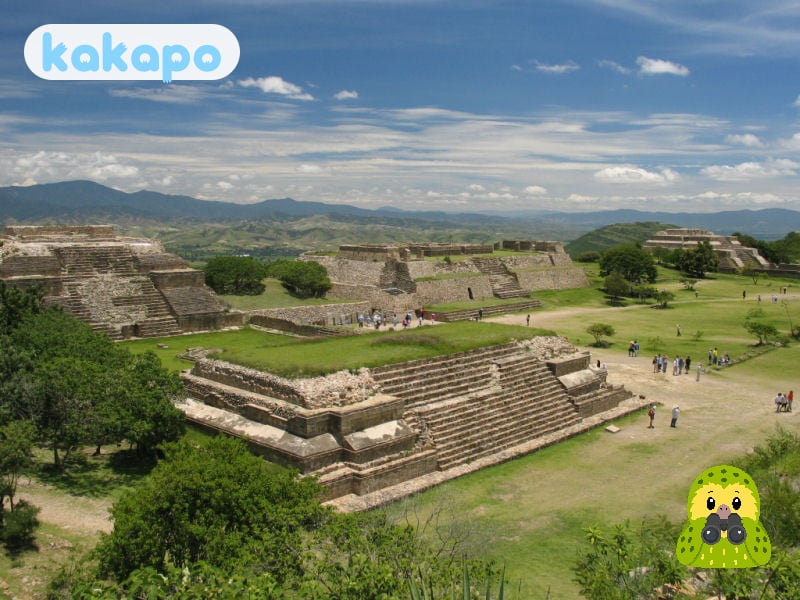
- Monte Albán (UNESCO archaeological site, 10km west) — the dedicated tourist shuttle leaves from Hotel Mision de los Angeles (every 30 min, MX$110 return). Site itself is large, hot, and safe; bring water, hat. Avoid the unmarked colectivos at the foot of the hill.
- Hierve el Agua (petrified waterfalls, 70km east) — best on a guided day-tour (MX$400-700) with combined Mitla and a mezcal palenque visit. The site itself is fine; the side roads getting there have had occasional blockades.
- Mitla (Zapotec archaeological site, 44km east) — combined with Hierve el Agua tours. Well-supervised site.
- Árbol del Tule (the world's stoutest tree, 10km east of city) — quick stop; safe.
- Teotitlán del Valle (weaving village) — small, friendly, safe. Colectivos from the Mercado de Abastos.
- Solo-female transport rule: book all day-trips through your hotel or a registered tour operator (Coyote Aventuras, Tierra Antigua); don't take unmarked taxis to remote sites.
- Sierra Norte (mountain villages like Capulálpam, Cuajimoloyas) — beautiful and remote; book through Sierra Norte Expediciones or stay at the village ecotourism networks. Don't try solo logistics.
Día de los Muertos, Guelaguetza and the peak weeks
- Día de los Muertos (Oct 31 – Nov 2) — Oaxaca's most famous festival. Cemetery vigils at Xoxocotlán (Oct 31) and San Felipe del Agua, comparsas (parades) through Centro nightly, altar displays everywhere. Hotels book out 6+ months in advance; rates 2-3x normal.
- Día de los Muertos for solo women: comparsas are family events, very safe; cemetery vigils are calm and reverent. Book a vetted tour for Xoxocotlán cemetery (Coyote Aventuras runs a respected one) rather than going solo at 23:00.
- Guelaguetza (last two Mondays of July) — the indigenous-dance festival. Massive crowds; tickets to the Auditorio Guelaguetza sell out months ahead. Centro fills with delegations; very safe but very dense.
- Noche de Rábanos (December 23) — the radish-carving competition, Zócalo. Single night, big crowd, pickpocket density.
- Christmas / New Year — Oaxaca is a major domestic Mexican holiday destination. Hotels book out, prices spike.
- Easter Week (Semana Santa) — busy but manageable; religious processions.
- Pickpocket density during events — Oaxaca's baseline is low but during these events the crowds attract opportunistic theft. Standard urban-Mexico awareness applies.
The solo-female Oaxaca rules
- Stay in the Centro Histórico — boutique hotels (Casa Oaxaca, Hotel Azul, Quinta Real Oaxaca) and mid-range options abound. Walking distance to everything.
- Walk Centro until ~23:00, Didi/Uber after.
- Mezcal pacing: one per bar, three bars max; pour-watch every drink.
- Day trips through vetted operators; never take unmarked taxis to remote sites.
- Cash: BBVA/Santander/Banamex branch ATMs in Centro; not the freestanding "Cardtronics" machines near the Zócalo (skimmer history).
- Spanish: a little goes a long way; Oaxaca has less English than Mexico City but Centro tourism workers are functional in English.
- Emergency: 911 (English-answered), Policía Turística Oaxaca +52 951 514 2155.
- Hospital: Hospital Reforma (private, English-speaking), Hospital Ángel del Valle.
Frequently asked questions
Is Oaxaca City safe for solo female travellers?
Yes — one of the safer tourist cities in Mexico for women alone. Oaxaca state's homicide rate sits well below the national average, and the Centro Histórico (the entire tourist Oaxaca) has a tourist-incident rate comparable to small European cities. Walking Centro until 23:00 is fine; mezcal-bar culture is conversational and bartender-led, with very low harassment baseline.
Is Oaxaca safer than Mexico City?
Yes, materially. Oaxaca City sees far less violent crime than CDMX or Guadalajara, and the tourist Centro is more compact and policed. For a solo female first-time Mexico trip, Oaxaca is the easier base — though it has less English-language infrastructure than Mexico City.
Is mezcal-bar culture safe for solo women?
Yes — Oaxaca's mezcalería culture is bartender-led and conversational; solo women report it as one of Mexico's most comfortable solo-at-the-bar cities. Recommended starters: Sabina Sabe, Selva, Mezcalogía, In Situ. Pace yourself — mezcal is 40-50% ABV, two pours and you're done. One per bar, three bars max.
How do I get to Monte Albán safely?
Dedicated tourist shuttle from Hotel Mision de los Angeles (every 30 min, MX$110 return) is the safe-and-easy way. Site itself is large, hot, well-managed. Avoid the unmarked colectivos at the foot of the hill — these have been the subject of brief overcharging disputes.
Is Oaxaca safe during Día de los Muertos?
Yes — but very crowded. The comparsas (parades) are family events, very safe. Cemetery vigils at Xoxocotlán and San Felipe del Agua are calm and reverent. Book through a vetted tour operator (Coyote Aventuras) rather than going solo to cemeteries at 23:00. Hotels need to be booked 6+ months ahead.
What should I know about Uber and Didi in Oaxaca?
Didi is more reliable than Uber in Oaxaca — wider driver supply and faster response. Both are operational, both are app-paid. The local taxi sindicato exists but isn't aggressive about Uber/Didi the way Tulum's is. Walking the Centro is the default; rideshare for outside-Centro or after midnight.
Is Hierve el Agua safe to visit?
The site itself is fine and well-visited. The catch has been the side roads — in 2023 and again briefly in 2024, local communities blocked vehicles in disputes over tourism revenue. Check current conditions with your guide; book through a registered operator (which means they'll know whether the road is clear that day). Visit Sept-May to avoid the worst flooding.
Sources
Run a business in Oaxaca City?
Show visitors your Oaxaca City business is a safe choice. The free Verified by Kakapo badge puts Oaxaca City's live safety score on your website, links back to your verified page, and updates itself. No cost.
Get the free badge →