


Is Tenerife, Spain Safe? A 2026 Travel Safety Guide
Atlantic rip currents, Mt Teide altitude, Calima dust storms, the party strips, and the realistic risks of the largest Canary Island.

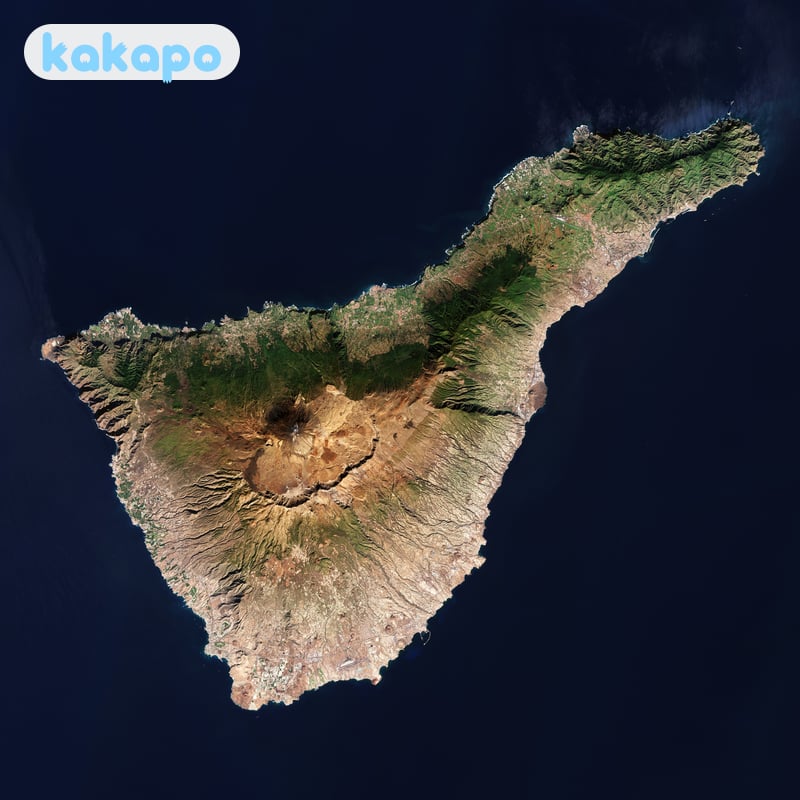
Tenerife is one of Europe's most-visited beach destinations and one of the safer Spanish islands by tourist-crime measures. The realistic risks for visitors are the Atlantic rip currents at the north and west coasts (Tenerife has Spain's highest beach-drowning rate by some measures), the altitude on Mt Teide (3,718 m — Spain's highest peak, reached by cable car), the occasional Calima dust storms from the Sahara, and the standard British/German party-strip context in Playa de las Américas and Los Cristianos.
Spain sits at Level 2 on the US State Department's advisory list (terrorism). UK FCDO is similar. The honest framing for first-time visitors: Tenerife is large (2,034 km²), with very different "Tenerifes" depending on where you base. Costa Adeje is the upmarket south-west — calm, family. Playa de las Américas / Los Cristianos are the British package-tourism south. Puerto de la Cruz is the historic German-favoured north. La Laguna / Santa Cruz are the historic and capital cities. Mt Teide National Park is the volcanic interior.
| Night safety | 84/100 |
|---|---|
| Scam / petty-crime risk | Medium |
| Violent crime (tourists) | Low |
| Most common scams | timeshare/holiday-club presentation invitations along Avenida de las Américas; car-park scams with 'helpful locals'; petrol-station 'sealed banknote' switcher |
| Safer neighbourhoods | Costa Adeje, Puerto de la Cruz, Santa Cruz |
| Data sources cited | 4 |
| Last verified |
What the score means — 80/100
- Healthcare (84) — Spanish public + private; Hospital Universitario de Canarias is the major facility.
- Air quality (84) — generally clean. Calima drops it temporarily.
- Personal safety (82) — high. Petty theft on busy beaches; otherwise low.
- Transport (80) — buses + tram in Santa Cruz; rental car for serious exploration.
Atlantic rip currents — the genuine risk
Tenerife's beach-drowning statistics are higher than the Spanish mainland. The cause: the Atlantic, not the Mediterranean. Rip currents at the north and west beaches are real, fast, and underestimated by tourists used to calm Med swimming.
- Where: north coast (Bajamar, Mesa del Mar, Roque de las Bodegas), west coast (Playa de la Arena, Playa San Juan), and even some south beaches when swell hits. Calmer at lifeguarded south beaches like Las Vistas, El Médano, La Tejita.
- Lifeguards: at major beaches, in season. Heed the flag colours: green (safe), yellow (caution), red (no swim — enforced).
- Black-flag days: every summer has them. Don't ignore.
- If caught in a rip: don't swim against it. Swim parallel to the shore until you escape the current, then in.
- Don't swim alone at unguarded beaches.
- "Rocas" (rocky coast): beautiful and dangerous in waves. Don't pose for photos with your back to the sea.
Mt Teide — altitude, weather, the cable car
- Mt Teide: 3,718 m. Spain's highest peak. UNESCO national park. Volcano, last eruption 1909.
- Cable car: from 2,356 m up to 3,555 m. ~20 min round trip, €40 ticket.
- Altitude: 3,555 m at the upper station is high enough for AMS in some visitors. Symptoms: headache, nausea, dizziness. Resolves on descent.
- Don't go up: hungover, dehydrated, with respiratory infections, or with severe heart conditions.
- Summit (3,718 m) hike: requires a free permit (book at reservasparquesnacionales.es weeks ahead) or pre-dawn arrival before the rangers post.
- Weather: 25°C in Costa Adeje can be 5°C with snow at the cable-car upper station. Layers required.
- Wind: cable car closes when wind exceeds limits. Check status before driving up.
- Driving up: TF-21 from south, TF-24 from north. Both winding. Don't drive after dark in winter (ice).
- Stargazing: Teide is one of the world's best dark-sky destinations. Tour operators do nighttime trips.
Calima — Saharan dust storms
- Calima: hot dry Saharan air carrying fine dust. Several events a year, lasting 1-3 days.
- Effects: visibility drops, temperatures jump (sometimes 35°C+ in February), air quality plummets.
- Health: dust irritates eyes, throats, lungs. Asthmatics and children should stay indoors during severe Calimas.
- Flights: Tenerife airports occasionally close in extreme Calimas (visibility too low to land). Travel insurance covers.
- Apps: Aemet Canarias (Spanish met office) tracks Calima.
Playa de las Américas / Los Cristianos — the south
- The strip: pedestrianised promenade with bars, clubs, fish and chips. British and German package-tourism core.
- Crime: low to moderate. Pickpocketing, drink-spiking, occasional fights at 3am.
- Balconing: like Mallorca, has happened in Tenerife. Don't.
- "Free shots" from club promoters: sometimes spiked. Decline.
- Timeshare touts: less aggressive than 10 years ago but still present. Polite firm "no thanks" and walk on.
- Costa Adeje: directly adjacent but more upscale and family-quiet.
Buses, tram, the airports, the ferry
- Two airports: Tenerife South (TFS) — most international flights, near the resorts. Tenerife North (TFN) — domestic and inter-island.
- From TFS: bus 111 to Santa Cruz / 343 to Costa Adeje, €4-10. Taxi €30-50 to south resorts.
- TITSA buses: comprehensive island network. €3-12 typical fares.
- Tranvía (Santa Cruz tram): 2 lines. Useful in capital area only.
- Rental car: useful for Mt Teide and the north. Petrol-station ATMs cheap.
- Inter-island ferry: Fred Olsen, Naviera Armas. To La Gomera, La Palma. 50 min - 3 hours.
Money, food, the cost story
- Currency: Euro (€).
- VAT: Canary Islands have a special low rate (IGIC 7%) instead of mainland Spanish 21%. Goods slightly cheaper.
- Tipping: 5-10%.
- Tap water: drinkable but tastes mineral-heavy; many drink bottled.
- Local food: papas arrugadas (wrinkled potatoes), mojo sauce, fresh fish.
Practical info — emergency numbers
- European emergency: 112.
- Policía Nacional: 091.
- Hospital Universitario de Canarias: +34 922 678 000.
- Hospital Costa Adeje (private): +34 922 752 626.
Bring: reef-safe sunscreen, layered clothing for Mt Teide, sturdy walking shoes, a contactless card, an unlocked phone, and travel insurance.
Frequently asked questions
Is Tenerife, Spain safe to visit in 2026?
Yes — Tenerife scores 80/100 here and is one of the safer Spanish islands by tourist-crime measures. Spain sits at Level 2 on the US State Department's advisory (terrorism baseline); the UK FCDO is similar. The realistic risks are physical rather than criminal: Atlantic rip currents at the north and west coasts (Tenerife has Spain's highest beach-drowning rate by some measures — the Atlantic isn't the Mediterranean and tourists used to calm Med swimming underestimate the swell), altitude effects on Mt Teide at 3,718m (Spain's highest peak), Saharan Calima dust storms several times a year, and the standard British/German party-strip context in Playa de las Américas and Los Cristianos. This is the Canary Islands Tenerife — not the small Colombian town that shares the name.
Is Tenerife safe at night?
Yes broadly, with the standard package-tourism awareness on the Playa de las Américas / Los Cristianos strip. Crime is low to moderate: pickpocketing, occasional drink-spiking, and 3am bar fights are the documented patterns. Costa Adeje immediately adjacent is more upscale and family-quiet at night. The 'balconing' deaths that plague Mallorca have also happened in Tenerife — don't climb on or between hotel balconies. 'Free shots' from club promoters are sometimes spiked, decline. Timeshare touts are less aggressive than a decade ago but persistent; polite firm 'no thanks' and walk on. The historic north (Puerto de la Cruz) and the capital (Santa Cruz / La Laguna) are calmer at night than the south party strips.
What scam should I watch for in Tenerife?
The classic Tenerife scam is the timeshare/holiday-club presentation invitation along Avenida de las Américas — a 'survey' or 'free scratchcard winning a prize' that ends in a 4-hour high-pressure sale. Just walk on. Beyond that: car-park scams where a 'helpful local' offers to guide your parking then demands a tip; the petrol-station 'sealed banknote' switcher giving you fake change (rare but documented); and the airport-taxi quoting at TFS for trips to Costa Adeje resorts (€30-50 is the meter rate; quotes of €60-80 happen — insist on meter or use a hotel transfer). Atlantic black-flag swimming days are not a scam but lifeguards do not 'just suggest' the flags — they're enforced and ignoring them is the genuine danger.
Can you drink the tap water in Tenerife?
Officially yes — Tenerife tap water meets Spanish and EU drinking-water standards — but it tastes heavily mineral and many locals and most visitors prefer bottled. The island's water comes from a mix of desalination and high-altitude springs, and the mineral profile is harsh enough that even residents often use filtered or bottled for daily drinking. Hotels and restaurants will bring tap on request ('agua del grifo'); bottled mineral water is cheap (€0.50-1 for 1.5L at supermarkets). For Mt Teide, hydration is genuinely important — 3-4L/day on a hike day — because the dry air at 3,555m at the upper cable-car station accelerates dehydration before you notice.
How do I do Mt Teide safely — and what is Calima?
Mt Teide is Spain's highest peak at 3,718m, a UNESCO national park, a dormant volcano (last eruption 1909) and the iconic Tenerife experience. The cable car runs from 2,356m up to 3,555m (€40 round-trip, ~20 minutes); the upper station is high enough for AMS (Acute Mountain Sickness) in some visitors — headache, nausea, dizziness, resolves on descent. Don't go up hungover, dehydrated, with respiratory infections, or with severe heart conditions. The actual summit (3,718m) hike requires a free permit (book at reservasparquesnacionales.es weeks ahead) or pre-dawn arrival before the rangers post. Weather is the genuine variable: 25°C in Costa Adeje can be 5°C with snow at the upper station — layers required. The cable car closes when wind exceeds limits; check status before driving up (TF-21 from south, TF-24 from north, both winding, don't drive after dark in winter due to ice). Teide is one of the world's best dark-sky destinations — nighttime stargazing tours are exceptional. Calima is the second island-specific hazard: hot dry Saharan air carrying fine dust, several events a year lasting 1-3 days, visibility drops, temperatures jump (sometimes 35°C+ in February), air quality plummets, asthmatics and children should stay indoors during severe events. Tenerife airports occasionally close in extreme Calimas (visibility too low to land) — travel insurance covers. Track via Aemet Canarias (Spanish met office). And critically: this is the Canary Islands Tenerife (Atlantic, Spain) — totally different from Tenerife in Magdalena, Colombia (small Caribbean-lowland river town, Level 3 advisory zone) which shares only the name.
Sources
Run a business in Tenerife?
Show visitors your Tenerife business is a safe choice. The free Verified by Kakapo badge puts Tenerife's live safety score on your website, links back to your verified page, and updates itself. No cost.
Get the free badge →