


Is Tenerife, Colombia Safe? A 2026 Travel Safety Guide
Not the Canary Islands — the small Magdalena River town in Colombia's Caribbean lowlands. The realistic context for visitors who actually mean this Tenerife.

This guide covers Tenerife in Colombia's Magdalena Department — a small Magdalena River town (~13k urban) in the Caribbean lowlands south of Santa Marta. It is not Tenerife in Spain's Canary Islands. Most travellers searching this slug have the wrong country; the Spanish Tenerife is one of Europe's biggest beach-holiday destinations and gets ~7 million visitors a year, while the Colombian Tenerife sees almost no foreign tourism.
For the rare visitor who actually means this town — usually for family reasons or as a ferry-crossing point on the Magdalena River — Tenerife is a quiet, hot lowland town with limited tourist infrastructure. The realistic concerns are the broader rural-Magdalena context (the department was historically affected by paramilitary activity and remains in a sensitive coca/post-conflict transition zone in some rural pockets), the heat and humidity, and the limited healthcare.
Colombia sits at Level 3 on the US State Department's advisory ("reconsider travel"), with explicit "do not travel" carve-outs that are mostly border zones. Magdalena Department is not in the do-not-travel list, but rural areas of the department warrant ordinary rural-Colombia caution.
To set expectations: the urban centre is a grid of low concrete buildings around a central plaza with a church, a few tiendas, one or two small posadas, and the Magdalena ferry slipway on the west edge. There is no tourist office, no English signage, no ATM that reliably accepts foreign cards, and almost no traveller-facing accommodation infrastructure. The economy is cattle, plantains, fishing on the river, and remittances. Visitors who have made it here generally arrive by colectivo from Plato or Bosconia, or off the El Banco ferry, with Spanish, a Colombian SIM, and a specific reason.
| Night safety | 46/100 |
|---|---|
| Scam / petty-crime risk | Medium |
| Violent crime (tourists) | Low |
| Most common scams | unreliable ATMs for foreign cards; driving rural roads after dark; mosquito-borne diseases |
| Safer neighbourhoods | central plaza |
| Data sources cited | 3 |
| Last verified |
What the score means — 79/100
- Personal safety (58) — quiet small town. Rural Magdalena context. Petty theft.
- Transport (56) — local colectivos and the Magdalena River ferry. Roads to Santa Marta / Bosconia variable. No airport.
- Healthcare (60) — basic local clinic; serious cases evacuate to Santa Marta or Barranquilla.
- Air quality (74) — generally clean. Some agricultural-burn smoke seasonally.
First — are you sure you mean this Tenerife?
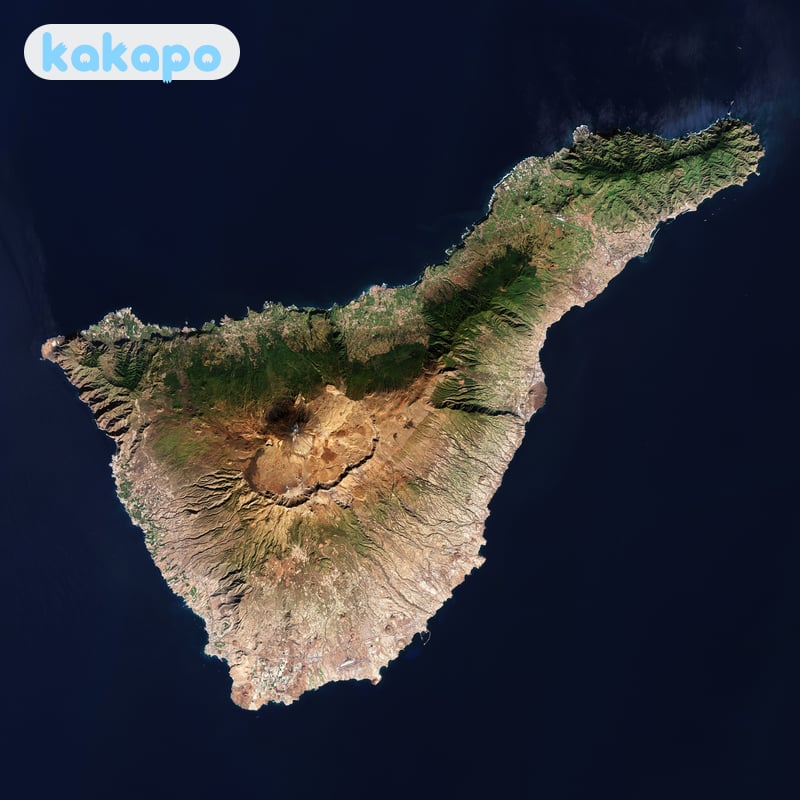
If you searched "Tenerife safety," you almost certainly meant Tenerife in Spain's Canary Islands — the largest of the Canaries, a major European beach destination with Mount Teide, Playa de las Américas, Los Cristianos, etc. Very different country, very different safety picture (Level 2 Spain advisory, low crime, the main risks are sun and surf).
If you genuinely mean the small Colombian river town, the rest of this guide is for you.
Rural Magdalena — what to expect
- Recent history — Magdalena Department had heavy AUC paramilitary presence in the 2000s. Today the department is largely pacified, but some rural areas retain a residual presence of dissident groups or coca-economy actors.
- Realistic visitor risk — the town itself is calm. Don't drive remote rural roads at night, ask locals before exploring veredas, stick to daylight movement.
- The river — the Magdalena ferry crossing is a small, functional operation. Use established crossings.
- Heat — Caribbean lowland. 30-35°C and humid most of the year. Hydrate, sun protection.
- Mosquitoes — dengue and chikungunya present in the lowlands. Repellent, long sleeves at dawn/dusk.
Surrounding area — Magdalena River, Plato, Mompox
- Plato — the larger Magdalena River town across the river, ~20 km north. Functional bank ATMs, slightly larger hospital, regular colectivo connections. If you need cash or basic infrastructure, you go to Plato.
- Magdalena River ferry slipway — small chalanas (river barges) cross to El Banco (Magdalena's other bank) and serve as functional pedestrian + motorcycle ferry. Operates daylight hours; no fixed timetable.
- Bosconia — 80 km east, the major Caribbean-corridor truck-stop town on the Ruta del Sol. The bus connection to Santa Marta, Valledupar and Bucaramanga runs from here, not from Tenerife itself.
- Santa Marta — 130 km north on the Caribbean coast; the regional hub for Tayrona National Park, Sierra Nevada de Santa Marta, and the only realistic medical evacuation point (Clínica El Prado).
- Mompox — 110 km south on a separate Magdalena River branch; the famously preserved Spanish colonial river town, UNESCO World Heritage. If you came to Colombia for Magdalena River culture, Mompox is where you actually want to be, not Tenerife.
- Ciénaga Grande de Santa Marta — the Magdalena River's vast wetland mouth, north of the town. South America's largest coastal lagoon; birdlife is spectacular but the stilt-village (palafito) communities have had a hard decade.
- Disambiguation reminder — Tenerife in Spain's Canary Islands is the European volcanic-island beach destination with Mt Teide (3,718 m), Playa de las Américas, Los Cristianos, and ~7 million annual visitors. That is a fundamentally different trip with fundamentally different risks (sun, surf, rip currents, holiday-rep scams). If you searched "Tenerife safety", you almost certainly meant Spain.
If it's your first time visiting
- Triple-check you mean this Tenerife. If you booked a flight that lands at Tenerife Sur (TFS) or Tenerife Norte (TFN), you're going to Spain — not Colombia. The Colombian Tenerife has no airport at all.
- Getting here — colectivo from Plato (~COP 8,000-12,000, 45 minutes) or from Bosconia (~COP 15,000-20,000, 90 minutes), or the small river ferry from El Banco. Daylight only on rural roads; ask locally before travelling at dusk.
- Cash — bring COP cash from Santa Marta or Bogotá. ATMs in Tenerife itself are unreliable for foreign cards; the nearest dependable one is in Plato. Carry COP 200,000-400,000 in small notes for a few days; nothing larger than COP 50,000 will be easily changed at a tienda.
- Accommodation — a handful of small posadas around the central plaza (COP 60,000-120,000 per night). Air conditioning is the make-or-break feature — Caribbean lowland nights are 27-30°C and humid. Book by phone or WhatsApp; few are on booking.com.
- SIM — Claro Colombia has the best Magdalena coverage. Buy a prepaid SIM in Santa Marta or Barranquilla on arrival (passport required), top up via WhatsApp or tiendas.
- Food — sancocho de pescado (river-fish stew), bocachico (the Magdalena's signature fish), arroz con coco. A full lunch at a tienda runs COP 12,000-18,000.
- Mosquito-borne disease — dengue and chikungunya are present year-round and peak May-November. DEET 30%+, long sleeves at dawn and dusk, permethrin-treated clothing if you'll be near the wetlands.
- Common rookie mistakes — wearing shorts and sandals into the wetlands at dusk (mosquito banquet); driving rural roads after dark anywhere in Magdalena; assuming the local hospital handles serious cases (it doesn't — evacuate to Santa Marta or Barranquilla); flashing dollars or a foreign-brand phone in a town where neither is common.
- Yellow fever — vaccination recommended for travel through Magdalena Department; some onward-travel countries (Brazil for example) require proof of vaccination from travellers who've passed through Colombian Caribbean lowlands. Get the shot at least 10 days before travel.
- Spanish-only signage — there's no English tourist infrastructure here. Download Google Translate's offline Spanish pack before arriving; basic Spanish numbers, food vocabulary, and "dónde está" / "cuánto cuesta" will get you through.
Practical info — emergency numbers
- Emergency: 123.
- Police: 112.
- Local hospital — Centro de Salud Tenerife.
- Serious cases: evacuate to Santa Marta (Clínica El Prado) or Barranquilla.
Bring: cash (COP — limited ATMs), a card backup, an unlocked phone (Claro Colombia / Movistar / Tigo SIMs), heavy-duty bug repellent, sun protection, and travel insurance with evacuation cover. Spanish essential. Daylight road travel only.
Frequently asked questions
Is Tenerife, Colombia safe to visit in 2026?
First — are you sure you mean this Tenerife? Colombian Tenerife scores 60/100 here and is almost certainly not the destination you searched for. If you typed 'Tenerife safety' you almost certainly meant Tenerife in Spain's Canary Islands — the largest of the Canaries, a major European beach destination with Mt Teide, Playa de las Américas, Los Cristianos, gets ~7 million visitors a year — very different country, very different safety picture (Spain Level 2 advisory, low crime, the main risks are sun and surf). The Colombian Tenerife is a small Magdalena River town (~13k urban) in the Caribbean lowlands south of Santa Marta with almost no foreign tourism. If you genuinely mean this town — usually for family reasons or as a Magdalena River crossing point — Colombia sits at Level 3 ('reconsider travel') with do-not-travel carve-outs that are mostly border zones, none of which are in Magdalena Department.
Is Colombian Tenerife safe at night?
Inside the small town centre, yes for daylight and early evening — Tenerife in Magdalena is quiet small-town Colombia with limited nightlife and few foreigners. Don't drive remote rural roads in Magdalena Department at night under any circumstances; the realistic risk in this part of the Caribbean lowlands isn't tourist-targeted crime but the broader rural context (Magdalena had heavy AUC paramilitary presence in the 2000s and today some rural pockets retain residual dissident or coca-economy actors). Stay in the centre, use registered transport, return to your accommodation before dark. Spanish is essential — virtually no English support.
What scam should I watch for in Tenerife, Colombia?
There isn't really a Tenerife-Colombia scam economy — the town has no tourist infrastructure to support one. The Colombia-wide patterns to know if you're transiting through Santa Marta or Barranquilla are the standard ones: ATM 'DCC' offering home-currency conversion at a worse rate (always decline, always pay in COP); 'scopolamine' (devil's breath) drinks at bars in larger cities (don't accept drinks from strangers, watch your drink — though this is much more a Bogotá/Medellín concern than coastal Magdalena); fake-police shakedowns at remote checkpoints (politely ask for badge and uniform photo, refuse to hand over passport — keep colour photocopies); and unlicensed taxi quoting if you pass through coastal cities. None of these are Tenerife-specific.
Can you drink the tap water in Tenerife, Colombia?
No — tap water in rural Magdalena Department is not safe to drink. Use sealed bottled water; brush teeth with bottled if you're stomach-sensitive. Heavy-duty mosquito repellent (DEET 30%+) and long sleeves at dawn and dusk are essential — dengue and chikungunya are present in the Caribbean lowlands and the wet season (May-November) is peak transmission. The heat (30-35°C and humid most of the year) is also a genuine concern — aggressive hydration, sun protection. Healthcare is basic at the local clinic; serious cases evacuate to Santa Marta (Clínica El Prado) or Barranquilla. Travel insurance with medical-evacuation cover is essential.
How do I get to Tenerife, Colombia — and why would I actually come here?
Most travellers reading this guide have searched for the wrong country and should redirect to our Tenerife (Spain) guide — that's the Canary Islands volcanic island with Mt Teide and the rip currents that make 'Tenerife' famous in tourist circles. For the rare visitor who actually means the Colombian river town: it sits on the eastern bank of the Magdalena River in northern Colombia, about 100 km south of Santa Marta, accessible by colectivo from Plato or Bosconia or via the Magdalena River ferry crossing from El Banco / Plato. No airport. The town itself is quiet and agricultural, hot lowland (30-35°C and humid most of the year), with limited tourist infrastructure. The realistic reasons to visit: family-roots research, a niche ferry-crossing on a Magdalena River journey, or as a stop on a deeper Colombian Caribbean cultural circuit (Mompox, the working Magdalena river-port towns, the broader Cienaga Grande de Santa Marta ecosystem). Stay only at the small posadas (guesthouses) on the central square. Hire a local guide via your accommodation if exploring outside town. Daylight road travel only — don't drive at night anywhere in rural Magdalena. Bring COP cash (ATMs limited), a card backup, a Colombian SIM (Claro Colombia, Movistar or Tigo work), Spanish-language capability, heavy-duty bug repellent, sun protection, and travel insurance with evacuation cover. Emergency 123; police 112. For most international visitors interested in Caribbean Colombia, Santa Marta, Tayrona National Park, or Cartagena are the meaningfully more accessible destinations.
Sources
Run a business in Tenerife?
Show visitors your Tenerife business is a safe choice. The free Verified by Kakapo badge puts Tenerife's live safety score on your website, links back to your verified page, and updates itself. No cost.
Get the free badge →