


Is Ushuaia, Argentina Safe? A 2026 Travel Safety Guide
The world's southernmost city, Antarctic-cruise gateway, the Beagle Channel boats, the Tierra del Fuego National Park, and the realistic risks of Patagonia's End of the World.

Ushuaia is one of the safer Argentine destinations. Crime against visitors is essentially zero; the city runs on tourism + Antarctic-cruise embarkation. The realistic risks are environmental: the genuinely brutal weather (cold + wind year-round; "summer" January = 9°C average), the Beagle Channel boat-tour safety, the Tierra del Fuego National Park hiking conditions, and the Antarctic-cruise season cost.
The honest framing: Ushuaia is small (~80,000), capital of Tierra del Fuego province, on the Beagle Channel. Most visitors are: (a) Antarctic-cruise embarkation (Nov-Mar), (b) Patagonian-cruise stop, (c) Tierra del Fuego National Park trekking. The "End of the World Train" + the southernmost lighthouse + Antarctic Museum + Glacier Martial are visitor anchors.
| Night safety | 83/100 |
|---|---|
| Scam / petty-crime risk | Low |
| Violent crime (tourists) | Low |
| Safer neighbourhoods | Avenida San Martín, central area |
| Data sources cited | 4 |
| Last verified |
What the score means — 83/100
- Air quality (92) — pristine.
- Personal safety (88) — exceptional.
- Transport (82) — small + walkable.
- Healthcare (78) — Hospital Regional Ushuaia handles most cases; serious cases evacuate to Buenos Aires.
Antarctic-cruise embarkation
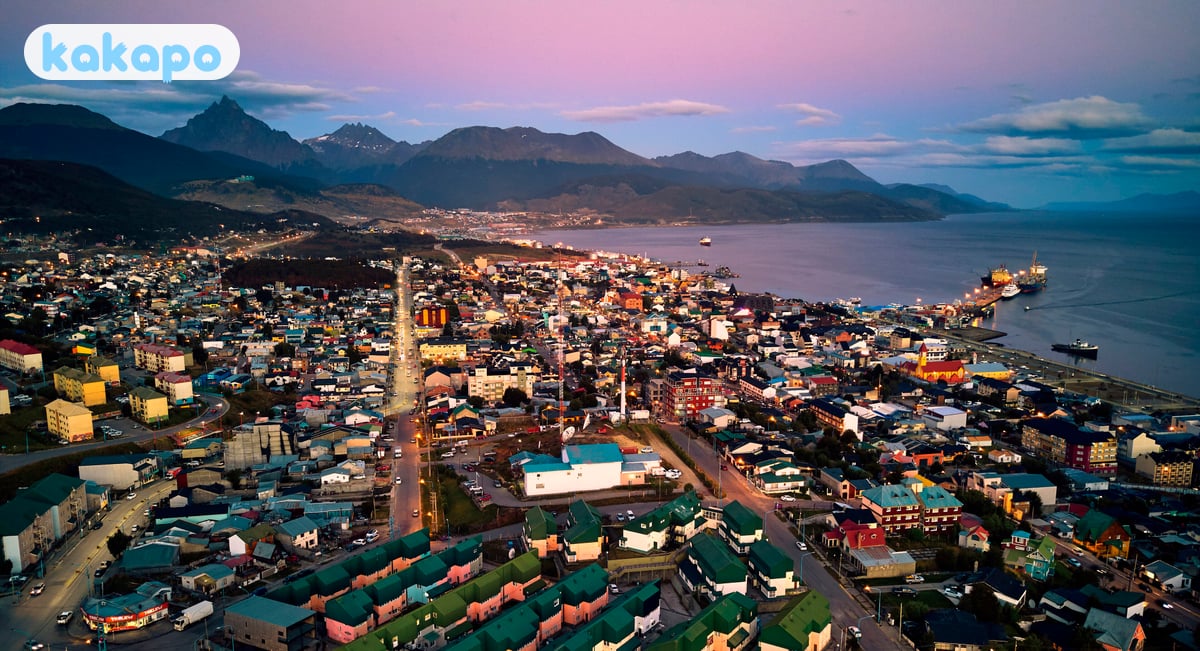
- Antarctic season: November-March. ~50,000 cruise passengers depart from Ushuaia per season.
- 10-day Antarctic cruises: $5,000-15,000+ per person (lower for shoulder cabins).
- Last-minute deals: walk-up at Ushuaia agencies sometimes 30-50% off list. Shop around 2-3 days before departure for cancellations.
- Drake Passage: notoriously rough seas. Take seasickness medication.
- Reputable operators: Quark, Hurtigruten, Aurora, G Adventures. Confirm IAATO membership.
- Travel insurance: confirm Antarctic + medical-evacuation cover. Most cruise lines require evacuation insurance.
Beagle Channel boats + day trips
- Standard half-day boat trip: Beagle Channel + sea lion + cormorant island + Les Eclaireurs Lighthouse. ~$50-80.
- Reputable operators: Patagonia Adventure Explorer, Tres Marías.
- Wind + chop: Beagle Channel can get rough; smaller boats more affected.
- Life jackets: provided + worn.
- Penguin colonies (Martillo Island): separate longer trip.
Tierra del Fuego National Park
- National Park: 12 km west of Ushuaia.
- Hiking trails: Senda Costera (8 km coastal walk), Cerro Guanaco (4-6 hr summit).
- Layered clothing: weather changes fast.
- "End of the World Train" (Tren del Fin del Mundo): touristy steam train; pleasant + slow.
- Don't hike alone in remote areas: weather can turn quickly.
Weather extremes
- Summer (Dec-Feb): 5-15°C; long days (17h daylight in Dec).
- Winter (Jun-Aug): -5 to 5°C; short days (7h daylight in June). Cerro Castor ski resort opens.
- Wind: persistent year-round.
- Layered clothing: thermal + middle + windproof shell. Year-round.
Drake Passage — what 'roughest sea on Earth' actually means
Every Antarctic cruise from Ushuaia crosses the Drake Passage — the 600-km stretch between Cape Horn and the South Shetland Islands. It's the most-feared piece of ocean for cruise passengers and the part of the trip that determines whether you have a great time or two of the worst days of your life.
- "Drake Lake" vs "Drake Shake": rough crossings hit 8-12 m waves; smooth crossings stay at 1-3 m. You don't know which you'll get until 48-72h out. A meaningful share of crossings are calm — but plan for the worst case so a rough crossing doesn't ruin the trip.
- Seasickness preparation: scopolamine patches (Transderm Scop, prescription) are the gold standard — apply 4 hours before departure and they last 3 days. Meclizine (Bonine, Dramamine Less Drowsy) is the OTC backup. Bring more than you think you need.
- Ginger + ear-plugs + horizon-gazing: the non-pharmaceutical aids. Sit mid-ship, low decks. Don't read or look at screens.
- "Drake Flight" alternative: 2-hour flight from Punta Arenas (Chile) skips the crossing entirely. Costs $1,000-2,000 extra per leg; available on premium operators (Antarctica21, Aurora). Worth it if you've had bad seasickness in the past.
- Ship-size matters: smaller ships (50-100 passenger) feel the waves more but reach more landing sites. Larger ships (200-500) are smoother but visit fewer places due to IAATO rules.
- If you get violently sick: ship doctors carry IV anti-nausea + fluids. Free on most operators. Tell the doctor's office — don't suffer alone.
Scams + the cruise-pricing reality check
Ushuaia is genuinely a low-crime city — there are very few "scams" in the traditional sense. The honest risks are pricing and logistics:
- Last-minute Antarctic deals: real but limited. The 2010s "show up and grab a 50% discount" approach has largely died. Now: 20-30% off list, mostly through agency stand-by lists you sign up for weeks ahead. Walking into FreeStyle Adventure Travel or Ushuaia Turismo cold the day before sailing is a long shot.
- Cruise insurance: most Antarctic operators REQUIRE proof of $250,000+ medical-evacuation cover. Standard travel insurance often doesn't include Antarctica — you usually need a polar-specific rider or upgrade. World Nomads, IMG, Travelex all sell explicit Antarctic packages.
- Penguin-tour overbooking: Martillo Island penguin colony tours sell out 2-3 weeks ahead in peak season (Dec-Feb). Book online before flying south.
- Tren del Fin del Mundo upselling: ticket booths in town offer "premium" carriages at 3× the standard price. The train is the same train; the upgrade is just a slightly nicer seat. Standard is fine.
- Hotel-rate volatility: peak summer (Jan-Feb) hotels often double from list. Off-season (May-Oct) prices halve but daylight is short and Antarctic cruises aren't running.
- Cerro Castor ski-pass scam: very rare but documented — third-party "discount voucher" resellers on Av San Martín occasionally sell expired or stolen lift tickets. Buy at the resort or via official Aerolíneas + ski packages.
Transport — taxis, the airport
- Walking: Ushuaia centre is small.
- Taxis: agreed price, honest.
- Uber: limited driver pool.
- Ushuaia Airport (USH): 5 km from centre. Aerolíneas + JetSmart from Buenos Aires (3.5h flight).
- By road: from Buenos Aires is 3,000+ km. Don't.
Money + cost
- Currency: Argentine peso (ARS). Volatile.
- USD cash: useful for cruise + tour bookings.
- Cards: at hotels + restaurants.
- Cost: hotels $80-200/night standard; Antarctic season higher.
- Tap water: safe.
Practical info — emergency numbers
- Police: 911.
- Ambulance: 107.
- Hospital Regional Ushuaia: +54 2901 423-200.
- Mountain rescue: 911.
Bring: serious cold-weather + windproof layers year-round, hiking shoes, an Argentine SIM, USD cash, contactless card, travel insurance with adventure-sports + Antarctic cover if cruising.
Frequently asked questions
Is Ushuaia safe to visit in 2026?
Yes — Ushuaia scores 86/100 here and is one of the safest cities in Argentina. The UK FCDO and US State Department list Argentina at low advisory levels with no specific Ushuaia warnings. Crime against visitors is essentially zero; the city runs on Antarctic-cruise embarkation and tourism, and the small population (~80,000) and remote geography limit the typical urban-crime ecosystem of Buenos Aires. The realistic risks are environmental: persistent wind year-round, summer 'temperatures' that average 9°C, the Drake Passage crossing for cruise passengers, and Beagle Channel boat conditions. Calling Ushuaia 'unsafe' would mean redefining the word.
Is Ushuaia safe at night?
Yes, very. The central area around Avenida San Martín is well-lit and active until midnight even in winter; restaurants stay open late, and you'll see solo walkers on the main streets at all hours. The bigger after-dark issue is the wind and the cold — windchill at -10°C in winter can turn a 15-minute walk back to your hotel into a frostbite-risk event if you're under-layered. Taxis are honest with agreed prices; Uber has a thin driver pool. The port area shuts down once the day's cruise tenders are in; no reason to be near it at night.
What scams should I watch for in Ushuaia?
The 'last-minute Antarctic cruise deal' is the headline issue — the 2010s reputation for 50% walk-up discounts has largely collapsed, and walking into Ushuaia agencies cold the day before a sailing is now a long shot for anything better than 20-30% off list. Sign up to stand-by lists weeks ahead instead. Smaller patterns: the Tren del Fin del Mundo 'premium carriage' upsell (the train is the same train), penguin-colony tours that quietly bait-and-switch operators, and hotel rate-doubling in January-February peak that some bookings sites don't flag clearly. Argentina's currency volatility itself isn't a scam but it functions like one — check the day's blue-rate before paying in USD cash.
Can you drink tap water in Ushuaia?
Yes — Ushuaia tap water is safe and excellent quality, sourced from glacier-fed mountain reservoirs above the city and treated to Argentine standards. The cold, clean taste is something locals are proud of; ask for 'agua de la canilla' at restaurants and most will bring it free. The bigger water-related risk on the trip is dehydration during Antarctic crossings (cabin heating is dry) and on Tierra del Fuego hikes (wind disguises sweat loss). Carry a refillable bottle.
How rough is the Drake Passage really, and can I avoid it?
Genuinely rough — the 600 km strait between Cape Horn and the South Shetlands is the most-feared cruise crossing on Earth. 'Drake Shake' crossings hit 8-12 m waves and define the trip; 'Drake Lake' crossings stay at 1-3 m. You don't know which you'll get until 48-72h before departure. Scopolamine patches (prescription, Transderm Scop) applied 4 hours before departure are the gold-standard prevention; pack more than you think you need. The alternative is 'Drake Flight' — a 2-hour flight from Punta Arenas in Chile to King George Island, skipping the crossing entirely, available on premium operators (Antarctica21, Aurora) for $1,000-2,000 extra per leg. Worth it if you've had severe seasickness before.
Sources
Run a business in Ushuaia?
Show visitors your Ushuaia business is a safe choice. The free Verified by Kakapo badge puts Ushuaia's live safety score on your website, links back to your verified page, and updates itself. No cost.
Get the free badge →