


Is Bogotá, Colombia Safe? A 2026 Travel Safety Guide
The 'no dar papaya' rule, La Candelaria pickpockets, altitude, scopolamine, and the realistic risks of Colombia's capital.

Bogotá is more demanding for tourists than Cartagena or Medellín, with the realistic visitor risks being altitude (2,640m above sea level — Andean), pickpocketing in La Candelaria and on TransMilenio, the scopolamine drink-spiking pattern (the same as Cartagena), and the gap between the safe Zona Rosa / Zona G / Usaquén tourist core and the rougher outer city.
Colombia sits at Level 3 on the US State Department's advisory ("reconsider travel"), with explicit carve-outs that distinguish Bogotá from the higher-risk border zones. The UK FCDO has similar language. Bogotá is the country's capital with a population of ~10 million; tourist-anchored neighbourhoods (Zona Rosa, Zona T, Chapinero, Usaquén) are calm and well-policed. Outer zones are not where you'll be.
The honest framing for first-time visitors: Bogotá rewards travellers who arrive with realistic expectations. The local cultural rule — "no dar papaya" ("don't give papaya," meaning don't give thieves an opportunity) — captures the operating principle. Phone in pocket, jewellery hidden, no flashy electronics out, Uber instead of street taxis. With those adjustments, Bogotá is fully visitable.
Visiting Bogotá for the first time, the thing that catches most travellers off-guard isn't crime — it's the altitude. At 2,640m above sea level, the first 24-48 hours produce shortness of breath, mild headache, and disrupted sleep. Locals shrug and drink coca tea (mate de coca, legal in Colombia, available everywhere). Once acclimatised, the city's culture reveals itself: world-class street art in La Candelaria, the country's best museums (Gold Museum, Botero Museum), the gentrified Zona G food scene, and a coffee culture that's the source for half the world's specialty beans. Spanish greetings "Hola" and "Buenos días/tardes/noches"; "Gracias" closes everything. A bandeja paisa at La Puerta Falsa costs COP 22,000-30,000 (~$5-7), specialty coffee at Café Cultor or Azahar COP 8,000-15,000 ($2-4), an ajiaco soup (Bogotá's signature) at La Puerta Falsa COP 18,000, an Uber across the city COP 15,000-30,000 ($4-8), the Monserrate cable car COP 24,000.
In 2026, the specific things that have changed since pre-pandemic include: Uber, DiDi and Cabify dominate rideshare — the "street-taxi danger" pattern is largely solved; the post-2022 left-wing Petro government has produced more visible political protests in Bogotá but no practical visitor disruption in tourist zones; the TransMilenio BRT system has expanded and tap-to-pay works on every reader (COP 3,000 single, the cheap mass-transit option but pickpocket-active in rush hour); the Bogotá Metro Line 1 construction is finally underway (target 2028 opening); and the Andean wildfires of February-March 2024 caused brief tourist disruption around Monserrate hill but nothing systemic.
| Night safety | 40/100 |
|---|---|
| Scam / petty-crime risk | High |
| Violent crime (tourists) | Medium |
| Most common scams | La Candelaria pickpockets; Cerro de Monserrate footpath robberies; fake police asking for cash inspection |
| Safer neighbourhoods | Zona Rosa, Zona G, Usaquén |
| Data sources cited | 4 |
| Last verified |
What the score means — 63/100
- Healthcare (76) — Bogotá has world-class private hospitals (Fundación Santa Fe, Clínica del Country, Hospital Universitario San Ignacio). Travel insurance essential.
- Personal safety (60) — moderate. Pickpocketing in La Candelaria; armed robbery patterns in specific outer zones; scopolamine.
- Transport (64) — TransMilenio crowded and pickpocket-active; Uber works; street taxis avoided.
- Night (64) — Zona Rosa, Zona G, Parque 93 alive late and safe. La Candelaria after dark less so.
Altitude — 2,640m, plan for it
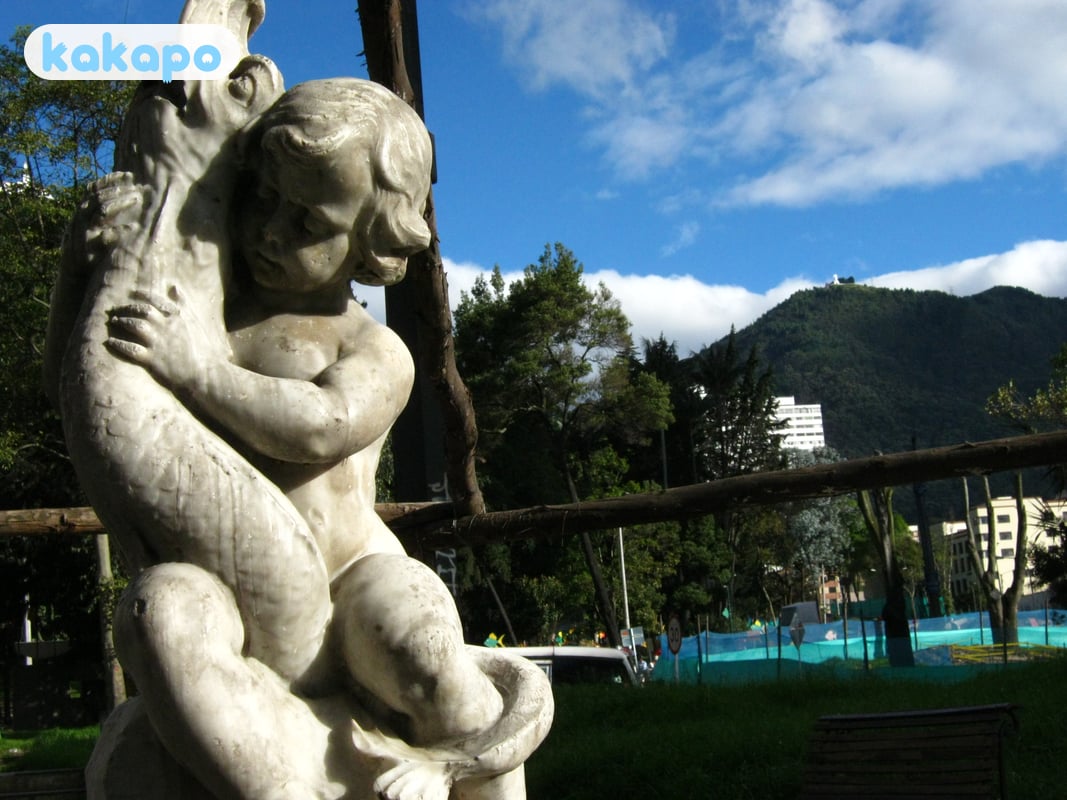
- Bogotá sits at 2,640m — slightly higher than Mexico City. Most visitors feel mild altitude effects on day 1 (breathlessness on stairs, light headache).
- Don't drink heavily on day 1. Don't smoke. Hydrate.
- Coca tea is sold openly; mild effect, helps acclimatisation.
- Severe acute mountain sickness: rare at this altitude but possible. If you experience persistent vomiting, severe headache, or breathlessness at rest, seek medical attention.
- Sun is intense at altitude: SPF 50+ even on cloudy days. The Andean UV is stronger than sea-level equivalents.
- Cool nights: 8-12°C year-round. Bring a jacket.
Areas — where to stay, where to be aware
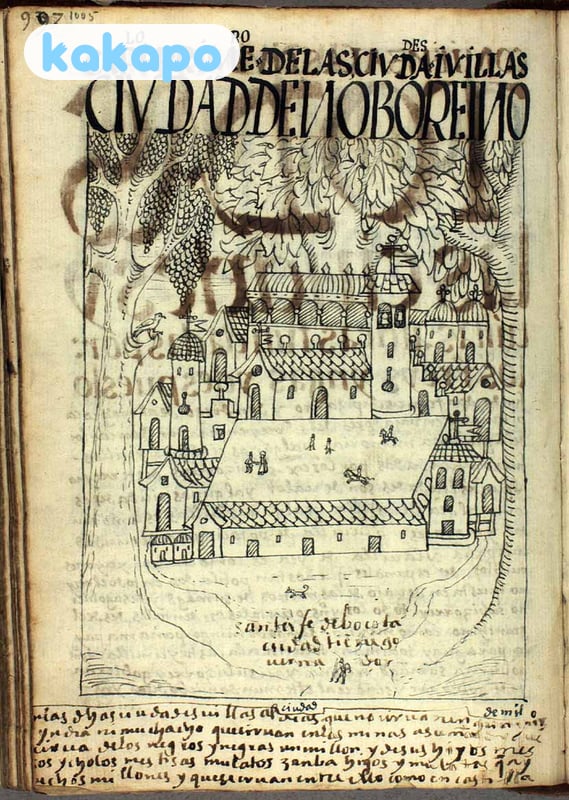
Recommended for visitors: Zona Rosa / Zona T (upscale nightlife and shopping district), Zona G (the gastronomic strip), Parque 93 (residential / restaurants), Chapinero Alto (residential, gentrified), Usaquén (historic colonial district, Sunday flea market).
Visit during the day, careful at night: La Candelaria — the colonial historic centre with the Gold Museum, Plaza Bolívar. Daytime fine and recommended; after dark, stick to main streets (Carrera 7, Calle 10) and take Uber to/from your hotel.
Avoid as a tourist: most of the southern districts (Ciudad Bolívar, San Cristóbal, Bosa) — residential, no tourist relevance, higher reported crime. Parts of Santa Fe after dark.
Demonstrations: Plaza Bolívar is the historical site. Anti-government protests have been periodic since 2019; police-protester clashes occasional. Avoid demonstrations.
Scopolamine — same pattern as Cartagena
The scopolamine ("burundanga") drink-spiking pattern is well-documented in Bogotá nightlife. Same defences as Cartagena (see our Cartagena guide for details).
- Don't accept drinks from strangers. Watch your drink being made / poured.
- Friendly Colombian woman approaching male tourist alone with rapid intimacy escalation: high-suspicion pattern. Decline politely.
- "Let's go to another bar I know": the standard pretext to lead victims to a controlled environment. Don't follow.
- Most cases happen at clubs in Zona Rosa, Chapinero, and the historic centre.
TransMilenio, Uber, taxis, the airport

- TransMilenio: Bogotá's bus rapid transit. Cheap (COP 3,000), useful for crossing the city. Heavily pickpocketed at peak hours — phone in front pocket, daypack zipped in front. Some sections of the system have visible homeless / drug-affected riders.
- Uber, Cabify, InDriver: all work in Bogotá. The realistic visitor recommendation. Uber's legal status has been contested; the apps function regardless.
- Don't take street taxis: same scopolamine + secuestro-express pattern as Lima and Mexico City historical. Use rideshare.
- El Dorado Airport (BOG) to centre: ~30 min in light traffic, 60+ in rush. Uber ~COP 35,000-50,000 ($8-12 USD). Authorized taxi ~COP 50,000-70,000.
- Bogotá Metro: under construction (line 1 opens 2028). Until then, TransMilenio + buses + Uber.
Scams + La Candelaria pickpocket patterns
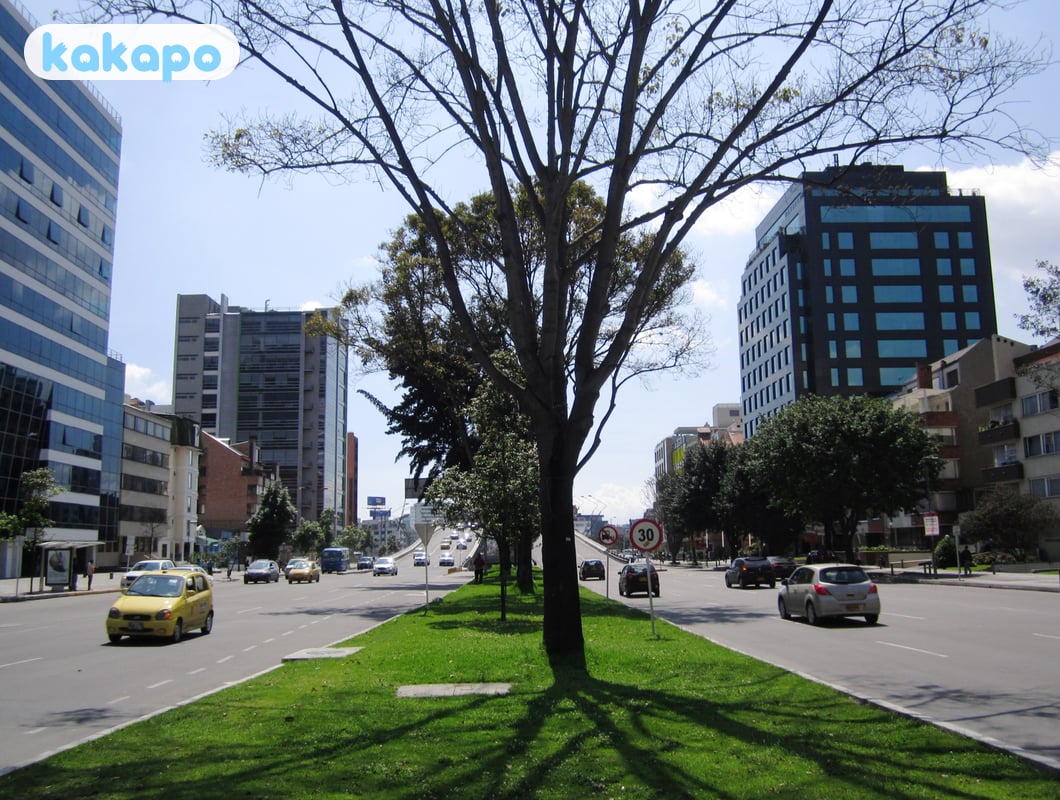
- La Candelaria pickpockets: peak at Plaza Bolívar, Calle 10 + Carrera 7 pedestrian zones, and around the Botero Museum + Gold Museum (Museo del Oro). Daytime is fine but pickpocket-active; phone in front pocket; no bag-on-back.
- "Spilled drink / coffee / sauce" distraction: classic Bogotá pattern. Someone "accidentally" spills coffee or birdseed on you; an accomplice offers help + lifts your wallet during the cleaning. Walk away — clean at your hotel.
- "Found money" pattern: a stranger picks up money from the ground in front of you, asks if it's yours. Accomplice frisks you "to check." Walk past.
- Cerro de Monserrate footpath robberies: the walking-up route to the Monserrate church is the famous spot for armed muggings (especially early morning + dusk). Always take the funicular or cable car (COP 27,000 round-trip).
- "Express kidnapping" via street taxis: documented. Driver + accomplice force ATM withdrawals at multiple machines. Always use Uber, Cabify, or InDriver — never hail from the street.
- Fake police: anyone in "police uniform" asking for passport + cash inspection on the street is a scammer. Real police don't inspect tourists' cash. If approached, ask to walk to the nearest CAI police booth.
- ATM caution: use bank-lobby ATMs (Bancolombia, Davivienda, BBVA) during business hours only. Cards skimmed at outdoor ATMs in tourist areas are a recurring issue.
- Card-terminal DCC: always pay in COP, never your home currency — DCC adds 5-10%.
- Friday + Saturday Septima (Carrera 7) pedestrian zone: lively, busy, pickpocket-active. Buskers + drum circles attract crowds + thieves.
Day trips — Zipaquirá, Guatavita, Villa de Leyva
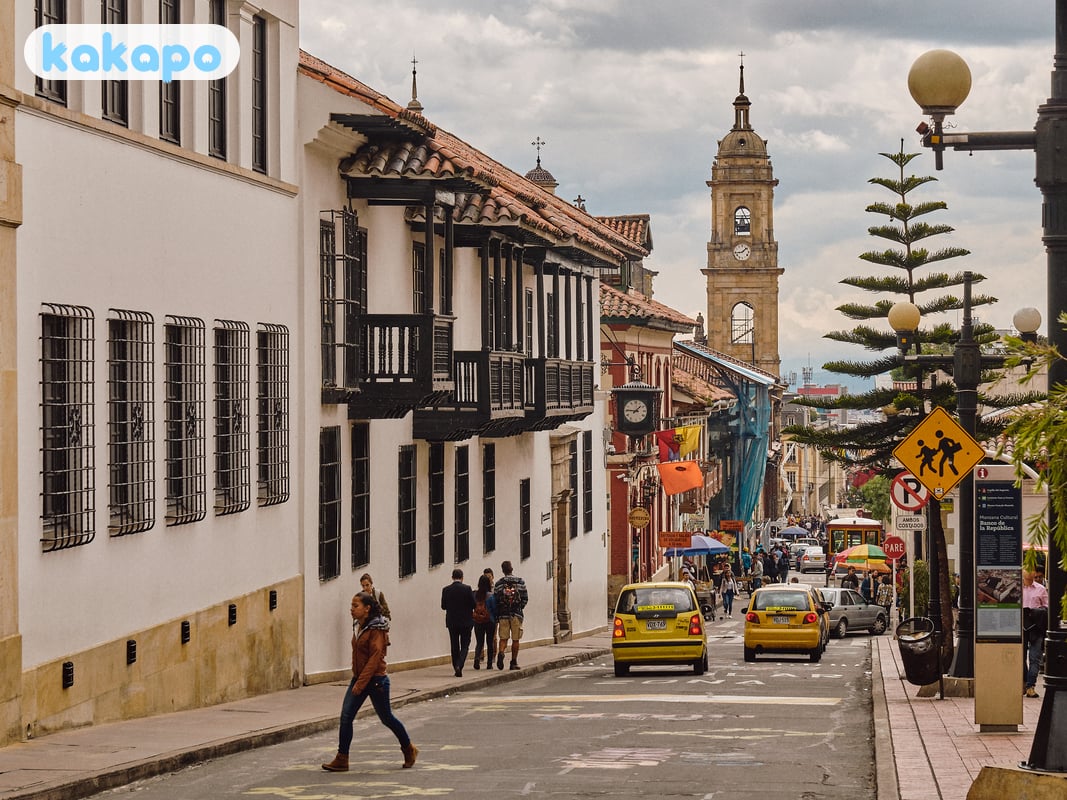
- Catedral de Sal de Zipaquirá: 1h north. The underground "Salt Cathedral" inside a working salt mine — one of Colombia's most-unusual sights. Day-trip via bus from Portal del Norte TransMilenio terminal or organised tour ($25-40). Half-day; allow 3 hours including travel.
- Laguna de Guatavita: 1.5h north. The El Dorado legend lake — sacred to the Muisca people. Hike from the visitor center to the lake; spectacular Andean páramo landscape. Combine with Zipaquirá as a full-day tour.
- Villa de Leyva: 3h drive north. Colonial whitewashed-village + huge cobblestone main square (one of South America's largest). Better as overnight than long day-trip; dinosaur fossil sites + Convento del Desierto de la Candelaria nearby.
- Suesca: 1h north. Climbing + outdoor-sports town; rock climbing on the famous Suesca cliffs.
- Cerro de Monserrate: in Bogotá itself, not a day-trip. Take the funicular up (last car ~17:00 weekdays); spectacular city views.
- Chingaza National Park: 2h north-east. Andean páramo + spectacled bears. Permit required; guided-only.
- Coffee region (Salento, Eje Cafetero): not a day-trip — 1h flight or 8h drive west. Overnight needed.
- Driving: not recommended in Bogotá for first-time visitors. Traffic chaotic + parking complicated + "pico y placa" license-plate restrictions limit when rental cars can drive on weekdays.
- Organised day tours: Bogotá Bike Tours (cycling); Beyond Colombia; Impulse Travel — established + English-speaking + transparent pricing.
Neighbourhood-by-neighbourhood breakdown
- La Candelaria (historic centre) — colonial Bogotá, Plaza Bolívar, the Gold Museum, the Botero Museum, the colourful streets, the world-class street art. Daytime busy and safe with awareness; pickpockets and bag-snatchers active in the densest tourist areas; evening solo less ideal — return to your Zona Rosa or Chapinero hotel.
- Zona Rosa / Zona T (Chapinero Alto) — north, the upmarket shopping and nightlife district, the El Retiro and Andino malls, restaurants. Very safe day and night.
- Zona G (Quinta Camacho) — north of Zona Rosa, the gentrified gourmet food district, the city's best restaurants concentrated in a few blocks. Very safe.
- Chapinero — north, large mixed district, the gay-friendly area, gentrifying. Most parts very safe; the southern Chapinero borders with Centro can be scrappier at night.
- Usaquén — far north, gentrified former colonial town, the Sunday flea market, restaurants. Very safe.
- La Macarena — east of Centro toward Monserrate, gentrified residential, restaurants, art galleries. Very safe.
- Salitre / Centro Internacional — business district, modern hotels, the Tequendama. Very safe.
- Teusaquillo — central, residential, the Parkway pedestrian street. Very safe.
- Centro (around Plaza de los Mártires) — west of La Candelaria, working-class, market districts (Plaza Paloquemao for the famous flower-and-food market is a recommended day visit with a guide). Not where tourists wander.
- Bronx / Calle del Cartucho area — historically the city's worst zone (the original "Bronx" was demolished 2016 but the displaced drug-and-homeless scene scattered through nearby blocks). Confronting; tourists have no reason to visit.
- Outer south Bogotá (Ciudad Bolívar, Bosa, Kennedy) — large working-class districts, no tourist relevance.
If it's your first time visiting
- Best arrival airport: El Dorado International (BOG), 15 km north-west. To Zona Rosa/Chapinero: Uber/DiDi COP 35,000-60,000 ($9-15) in 30-60 min depending on traffic, official taxi COP 30,000-50,000 (look for the orange marked airport taxis), TransMilenio K to Calle 26 then walk (the budget option, COP 3,000).
- Public transport: TransMilenio BRT (COP 3,000 per ride, fast but pickpocket-active in rush hour), regular buses (confusing), no metro yet. Uber/DiDi the practical default for tourists.
- Best neighbourhood for your first night: Zona Rosa or Zona G for safety and food, Chapinero Alto for gentrified atmosphere, Usaquén for calm upscale. Avoid first-time bookings in La Candelaria itself (cheap hostels but less ideal evening returns).
- Day 1, jet-lag friendly: drop bags, ajiaco lunch at La Puerta Falsa or Andrés Carne de Res (the iconic experience), early afternoon Monserrate cable car for the panoramic Bogotá view (COP 24,000), back down for street art tour in La Candelaria (Bogotá Graffiti Tour is excellent), evening dinner in Zona G.
- Day 2 essentials: Gold Museum (the world's best pre-Columbian gold collection, COP 5,000), Botero Museum (free, with the chubby Boteros), lunch in La Candelaria, afternoon Plaza Paloquemao market visit with a guide, evening in Usaquén.
- Day trips: Zipaquirá Salt Cathedral (1h north, the underground salt-mine cathedral), Suesca rock climbing (2h north), Villa de Leyva colonial town (3h north — overnight better), Mompox up the Magdalena.
- Common rookie mistakes: not acclimatising to altitude (skip alcohol the first 24h, hydrate aggressively, coca tea helps); using street taxis instead of Uber/DiDi (despite Uber's grey-area legal status in Colombia, it remains the safer choice — drivers are vetted and rides tracked); walking La Candelaria at night to "save Uber money"; accepting drinks from new "friends" at Zona Rosa clubs (scopolamine/burundanga pattern); displaying flashy jewellery or new iPhones openly (no dar papaya); skipping the street-art tour (it's the city's most distinctive cultural experience).
- For the altitude: drink lots of water, sleep more than usual, take it easy on the first day. Diamox/acetazolamide helps if very sensitive; coca tea is the local remedy.
- Tap water is safe in Bogotá (one of Latin America's exceptions) but most visitors prefer bottled. Mid-range up restaurants serve safe tap.
Practical info — emergency numbers
- Emergency: 123.
- Tourist Police: +57 1 337 4413, English-speaking.
- Fundación Santa Fe: +57 1 603 0303 (private, English-speaking).
- Clínica del Country: +57 1 530 0470.
Bring: a layered jacket (Bogotá is cool year-round), a card without foreign-transaction fees, an unlocked phone (Claro Colombia, Movistar, Tigo prepaid SIMs at the airport), modest cash, and travel insurance documentation. Tap water in central Bogotá is technically safe but most visitors use bottled.
Frequently asked questions
Is Bogotá safe to visit in 2026?
Yes for the tourist core — but more demanding than Cartagena or Medellín. Real concerns: altitude (2,640m), pickpocketing in La Candelaria + on TransMilenio, the scopolamine drink-spiking pattern, and the gap between the safe Zona Rosa / Zona G / Usaquén tourist zones + the rougher outer city. US State Department Level 3 (Colombia overall) with explicit Bogotá-not-as-bad-as-coast carve-outs.
What's the 'no dar papaya' rule?
Local cultural rule meaning 'don't give papaya' — i.e. don't give thieves an opportunity. Captures the operating principle for Bogotá: phone in pocket (not in hand), jewellery hidden, no flashy electronics out, Uber instead of street taxis. With those adjustments, Bogotá is fully visitable.
Is the scopolamine drink-spiking real?
Well-documented in Bogotá nightlife (Zona Rosa + Chapinero + historic centre). Don't accept drinks from strangers; watch your drink being made. The 'friendly Colombian woman approaches lone male tourist with rapid intimacy escalation' pattern is high-suspicion — decline politely. Don't follow 'let's go to another bar I know' invitations.
Is Bogotá safe at night?
Zona Rosa + Zona G + Parque 93 are alive late + heavily-policed. La Candelaria after dark less polished — stick to main streets + take Uber to/from. The southern districts (Ciudad Bolívar, San Cristóbal, Bosa) are residential + not on tourist itineraries — don't wander there.
Is altitude a concern in Bogotá?
Yes — 2,640m, slightly higher than Mexico City. Most visitors feel mild altitude effects on day 1 (breathlessness, light headache). Don't drink heavily on day 1; coca tea helps acclimatisation; sun is intense at altitude (SPF 50+ even on cloudy days).
Is Bogotá safe for solo female travellers?
Workable with the standard Latin-American urban precautions + the scopolamine awareness. Don't take street taxis solo — use Uber/Cabify/InDriver. Don't accept drinks from strangers. Don't go home with strangers from clubs.
Sources
Run a business in Bogotá?
Show visitors your Bogotá business is a safe choice. The free Verified by Kakapo badge puts Bogotá's live safety score on your website, links back to your verified page, and updates itself. No cost.
Get the free badge →