


Is San Diego, United States Safe? A 2026 Travel Safety Guide
Pacific rip currents, the Mexican-border day-trip context, the East Village reality, wildfire smoke, and the realistic risks of California's prettiest big city.

San Diego is one of the safer large US cities for tourists. Crime against visitors is uncommon. The realistic risks are environmental: Pacific rip currents at the open beaches (San Diego beaches see several drownings/year), the Mexican-border day-trip logistics for visitors who want to do Tijuana, the East Village downtown homeless concentration, and the standard summer wildfire-smoke episodes.
The honest framing for first-time visitors: San Diego is large (~1.4 million city, 3.3 million metro), spread along the Pacific from La Jolla to Coronado. Mild climate (15-25°C most of the year), 110+ km of beaches, USS Midway Museum, Balboa Park (the zoo + 17 museums), Old Town, and the Gaslamp Quarter nightlife are the visitor anchors. Crossing into Tijuana is technically a 25-minute drive south.
San Diego's particular character is the combination of military-and-aerospace history, beach-and-surf culture, and a Mexican-border geography that makes it distinct from the rest of California. The US Navy's Pacific Fleet bases at North Island and 32nd Street give Coronado and Point Loma a working-Navy atmosphere that visitors notice as soon as they cross the bridge; MCAS Miramar (the Marine Corps Air Station that the original Top Gun school called home) sits east of the city and runs the annual Miramar Air Show every September. Balboa Park's 17 museums and the world-famous San Diego Zoo are the cultural anchor most visitors under-budget for time. And the city's geographic spread — La Jolla and Pacific Beach to the north, Gaslamp Quarter and Little Italy downtown, Coronado across the bay, Otay Mesa right against the Mexican border — means most first-time visitors need a rental car or budget for serious rideshare spend.
The MTS Trolley's Blue Line runs directly to the San Ysidro border crossing in 45 minutes from downtown ($2.50, every 15 minutes), which is by far the cheapest and easiest Tijuana access — far better than driving a rental that excludes Mexico. The same Blue Line handles the Otay Mesa border-area communities, which are residential industrial areas not on tourist itineraries but increasingly visible in news coverage of US-Mexico migration policy.
| Night safety | 69/100 |
|---|---|
| Scam / petty-crime risk | Medium |
| Violent crime (tourists) | Low |
| Most common scams | Tijuana day trip logistics; cartel violence in Tijuana; East Village downtown homeless concentration |
| Safer neighbourhoods | Gaslamp Quarter, Little Italy, La Jolla |
| Data sources cited | 4 |
| Last verified |
What the score means — 90/100
- Healthcare (88) — UCSD, Scripps are excellent.
- Air quality (86) — clean coastal. Wildfire-smoke episodes in summer.
- Personal safety (84) — high. Concentrated visible homelessness in East Village/downtown but otherwise low crime.
- Transport (82) — MTS Trolley + buses cover well; rideshare ubiquitous.
Pacific beaches — rip currents, jellyfish
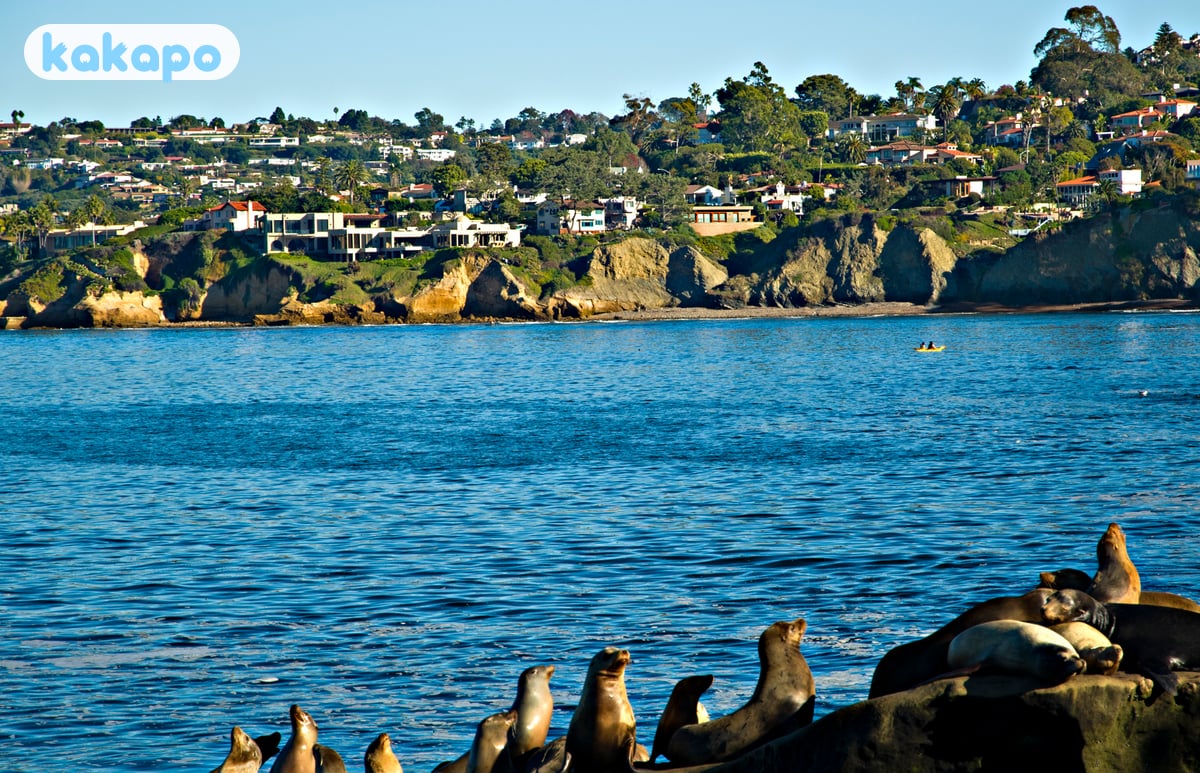
- San Diego beaches drowning rate: several deaths/year, mostly tourists. Pacific rip currents are real.
- Lifeguarded beaches: heed flag colours. Yellow = caution; red = high hazard, no swim.
- The big-wave beaches (Black's Beach, parts of Sunset Cliffs): not for casual swimming. Strong currents.
- Family-friendly beaches: La Jolla Shores, Coronado, Mission Beach.
- If caught in a rip: don't swim against; swim parallel to shore until you escape, then in.
- Stingrays at La Jolla Shores: shuffle your feet in shallow water — stingrays bury in sand and won't strike if disturbed before being stepped on.
- Sea lions at La Jolla Cove: protected. Don't approach. Don't swim into them — they're territorial in pup season.
- Black's Beach is officially "clothing optional"; standard beach behaviour applies.
Tijuana day trip — what to know
- Tijuana: 25 min south by car. Mexico, with all that implies for both interesting culture and complicated safety.
- US State Department: Mexico-Baja California is at Level 2. Tijuana specifically has had cartel violence; tourists are not typical targets but get caught in incidents occasionally.
- How to do it safely: walk across at the San Ysidro pedestrian crossing (don't drive your rental car — most US rentals exclude Mexico). Stay in the central tourist zone (Avenida Revolución, Zona Río). Don't go to outer neighbourhoods.
- Coming back: pedestrian return queue can be 1-3 hours. Use SENTRI/Global Entry if you have it.
- Cartel risk: real but concentrated. Stay in tourist zones, daytime hours.
- Don't drive your US car into Tijuana: rental insurance excludes Mexico; Mexican auto-insurance must be purchased separately if you do.
- Tap water: not safe in Mexico. Bottled.
- Documents: passport required for re-entry to US.
East Village — the downtown homeless context
- East Village (downtown San Diego, east of Petco Park): home to the largest concentration of homelessness in the city.
- Visibility: high. Encampments, people in distress, occasional aggressive begging.
- Risk to passers-by: violent crime against tourists is rare; population is overwhelmingly self-harming.
- Practical advice: walk through with awareness, especially at night. Stay on busier streets. Take rideshare for distance.
- The Gaslamp Quarter (just west): well-lit, busy, fine.
- Don't photograph people in distress.
Wildfire smoke
- Southern California wildfires: the September-November "fire season" can drift smoke into San Diego.
- If a fire is local: heed evacuation orders. The 2003 Cedar Fire and 2007 Witch Creek fires reached the San Diego suburbs.
- AQI alerts: AirNow app.
- N95 masks: useful on bad days.
Areas — Gaslamp, La Jolla, Coronado, Pacific Beach
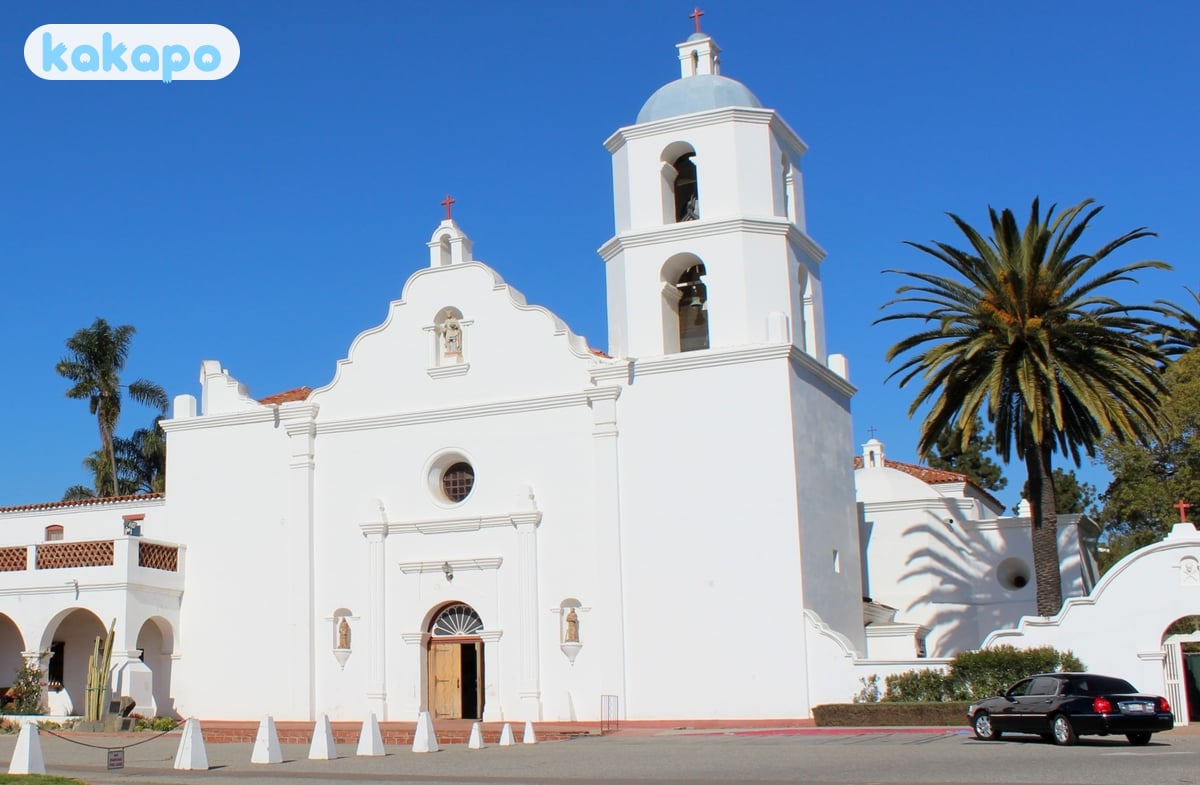
Recommended for visitors: Gaslamp Quarter (downtown nightlife), Little Italy (gentrified, restaurants), La Jolla (upscale beach village, sea lions), Coronado (across the bridge, beachy), Pacific Beach (party-beach), Ocean Beach (bohemian), Old Town (Mexican-heritage).
Stay aware: East Village (above), parts of Logan Heights, City Heights, Sherman Heights (residential, not on tourist itineraries).
Transport, taxis, the airport
- MTS Trolley: 4 lines including the Blue Line direct to the Tijuana border. $2.50 single, $6 day pass.
- Buses: extensive.
- Uber + Lyft: cheap, ubiquitous.
- San Diego International Airport (SAN): 5 km from downtown — closest major-airport-to-downtown distance in the US. Bus 992 $2.50; taxi $15-20.
- Driving: I-5 and I-805 are the spine. Reasonable traffic by California standards.
Money, food, the cost story
- Currency: US dollar.
- Tipping: 18-22%.
- Tax: 7.75% sales tax in SD County.
- Cost: hotels $200-400/night standard; Comic-Con (July) spikes 5-10x.
- Tap water: safe.
- Local food: California-Mexican (carne asada fries are a SD invention), fish tacos, craft beer.
San Diego neighbourhoods, beaches and border
- Gaslamp Quarter — the Victorian-era downtown entertainment district, 16 walkable blocks of restaurants, bars and clubs. Petco Park (Padres baseball) anchors the southern edge. Lively until 2am Friday-Saturday. Heavy police presence, well-lit, fine after dark. The downtown convention crowd lives here when in town.
- Little Italy — north of Gaslamp on India Street, the gentrified Italian-heritage neighbourhood. Restaurants ($30-60/head — Juniper & Ivy, Born and Raised, Davanti Enoteca), the Saturday Mercato farmers' market, design boutiques. Quieter than Gaslamp, better food, the local-favourite alternative.
- La Jolla — upscale beach village 15 km north, the "jewel" of San Diego. La Jolla Cove (sea lions and seals — protected, don't approach), La Jolla Shores (family beach, stingrays bury in sand so shuffle feet), Birch Aquarium, Mount Soledad veterans memorial. Restaurants $40-80/head, hotels $300-900/night.
- Coronado — across the iconic 3.4 km Coronado Bridge or via the ferry from downtown. Hotel del Coronado (1888 wooden Victorian, the photo), Coronado Beach (consistently rated among the US best), the Navy's North Island air station. Walkable village, mostly safe, expensive.
- Balboa Park — 1,200-acre cultural park with the San Diego Zoo (the world-famous one, $74 adult), 17 museums (Air & Space, Natural History, Photographic Arts), the Old Globe Theatre, gardens, and the Spanish Renaissance architecture of the 1915 Expo. Plan a full day.
- Pacific Beach (PB) — the party-beach 12 km north. College-and-twenties bar crowd, surf culture, ocean-front boardwalk. Garnet Avenue is the bar strip; weekend nights get rowdy. Standard supervise-drinks-and-rideshare-home advice.
- Ocean Beach (OB) — south of PB, the bohemian-hippie beach. Independent shops, Newport Avenue cafés, the OB Pier, dogs allowed at Dog Beach. Calmer than PB, lower-key.
- USS Midway Museum — the aircraft carrier museum docked at the Embarcadero, $34 adult. The flight deck and 28 restored aircraft. Half-day commitment.
- East Village — downtown east of Petco Park, the largest visible homelessness concentration in the city. Encampments, people in distress, occasional aggressive begging. Violent crime against tourists is rare; walk around at night rather than through.
- MCAS Miramar + the Miramar Air Show — Marine Corps Air Station 15 km north-east. The annual Miramar Air Show every September (free, 500,000+ attendance, traffic chaos) is one of the largest US military air shows. The Blue Angels typically headline. The base itself is closed to non-military.
- Otay Mesa + the border area — the eastern San Ysidro border crossing for vehicle/cargo traffic, plus a residential-industrial neighbourhood. Not on tourist itineraries. Migrant-shelter and immigration-news coverage focuses here.
- MTS Trolley Blue Line to the San Ysidro border — the practical Tijuana access. $2.50 single, $6 day pass, every 15 minutes, 45 min from downtown. Walk across at the San Ysidro pedestrian crossing, stay in Tijuana's central tourist zone (Avenida Revolución, Zona Río), return well before dark. Pedestrian queue back can be 1-3 hours — SENTRI or Global Entry shortens it.
- Old Town — the Mexican-heritage district where San Diego was founded in 1769. Old Town State Historic Park (free, restored adobe buildings), Mexican restaurants on Fiesta de Reyes plaza, tourist-pricing but iconic.
If it's your first time visiting
- Best arrival: San Diego International (SAN) is 5 km from downtown — the closest major-airport-to-downtown in the US. MTS bus 992 is $2.50 to downtown (~20 min, every 15 min). Taxi $15-20, Uber/Lyft $12-25 from the rideshare zone (Terminal 1 or 2, signposted). Don't accept unmarked airport-tout offers.
- Best season: year-round, but May-October is the sunny default and July-August is busiest. "May gray" and "June gloom" — coastal marine layer cloud that burns off by noon — are real and surprise first-time visitors. Winter (Dec-Feb) is mild (15-20°C) but ocean is cold (15°C) for swimming.
- Best neighbourhood for your first night: Gaslamp Quarter for downtown walkability ($200-450/night, US Grant Hotel, Pendry, Andaz), Little Italy for quieter food-and-design ($180-350), La Jolla for upscale beach ($300-900, La Valencia, Lodge at Torrey Pines), Coronado for resort-village ($350-800, Hotel del Coronado). Pacific Beach is cheaper ($150-280) but party-loud.
- Public transport reality: the MTS Trolley (4 lines, $2.50 single / $6 day pass) and bus network are useful but don't reach every tourist anchor. Most visitors use Uber/Lyft for cross-city hops ($15-25 typical), MTS for the San Ysidro border (Blue Line, $2.50, the bargain of the city), and rental car for La Jolla or Coronado day-trips.
- Pre-book the zoo and museums: San Diego Zoo $74 adult (timed entry, reserve at sandiegozoo.org). The Balboa Park combined "Stay for the Day Pass" at $79 covers 17 museums. USS Midway $34. Discount through the San Diego Pass or Go City Card for multi-attraction visits.
- Tijuana day-trip — the practical drill: walk across at San Ysidro (don't drive your rental — most US rentals exclude Mexico and Mexican auto-insurance must be purchased separately, ~$15-30/day). Take only passport, a phone, some pesos or USD cash; leave the rest in the hotel safe. Stay in central tourist zone (Avenida Revolución, Zona Río) during daylight only. Don't drink tap water in Mexico. Be back across before dark. US State Department lists Baja California at Level 2; tourists are not typical targets but read the current advisory.
- Food beyond fish tacos: Hodad's (the OB burger institution, $10-15), Juniper & Ivy (Little Italy, Top Chef alum, $80-120 tasting), Born and Raised (Little Italy, classic steakhouse, $60-100), Lucha Libre Taco Shop (Mission Hills, the gluttony tacos), Convoy District (Asian-food corridor in Kearny Mesa, dim sum and Korean BBQ at half the downtown price). Carne asada fries are a San Diego invention — get them at Lolita's Mexican Food.
- Beach safety: Pacific rip currents kill several visitors a year. Heed lifeguard flags (yellow caution, red high hazard). If caught in a rip, swim parallel to shore — don't swim against it. La Jolla Shores stingrays bury in sand: shuffle feet in shallow water. La Jolla Cove sea lions are protected and territorial in pup season (July-October) — don't approach. Black's Beach is officially clothing-optional.
- Day-trip planning: Tijuana (45 min via MTS Blue Line); Temecula Wine Country (1h north on I-15, $20-40 tasting fees); Joshua Tree (3h north-east, the desert national park); Los Angeles (2h north on I-5 in light traffic — usually heavier); Anza-Borrego Desert (2h east, spring wildflower bloom March-April).
- Common rookie mistakes: driving the rental car into Mexico (insurance excluded, Mexican policy not purchased — the recovery costs after an incident are catastrophic); booking accommodation in East Village expecting Gaslamp atmosphere (they're adjacent but East Village has the largest visible homelessness concentration in the city); underestimating the marine-layer "June gloom" (coastal mornings are cloudy through midday May-July); under-budgeting Balboa Park time (most visitors plan 2 hours, actually need a full day); accepting $40+ tour-bus combinations to the San Ysidro border when MTS Blue Line is $2.50; wearing flip-flops to La Jolla Shores then getting stingray-stung (shuffle feet in shallow water, please).
Practical info — emergency numbers
- Emergency: 911.
- SDPD non-emergency: 619-531-2000.
- UCSD Medical Center ER: 619-543-6400.
- Scripps Mercy ER: 619-294-8111.
Bring: reef-safe sunscreen, sun-protective clothing, a contactless card, an unlocked phone, US-valid travel insurance, and your passport if you plan a Tijuana day trip.
Frequently asked questions
Is San Diego safe to visit in 2026?
Yes — San Diego is one of the safer large US cities for tourists. Crime against visitors is uncommon and the central anchors (Gaslamp, Little Italy, La Jolla, Coronado, Balboa Park, Old Town) are calm. The realistic concerns are environmental and behavioural: Pacific rip currents at the open beaches (San Diego sees several drownings a year), the East Village downtown homeless concentration east of Petco Park, the Tijuana day-trip logistics if you want to cross the border (US State Department lists Baja California at Level 2), summer wildfire smoke, and the standard southern California heat-and-UV combination.
Is San Diego safe at night?
Yes in most tourist areas. Gaslamp, Little Italy, La Jolla and Coronado are well-lit and busy after dark. East Village just east of Petco Park has the largest visible homelessness concentration in the city — confronting, rarely violent, but worth walking around rather than through at night. Pacific Beach gets rowdy on weekends with college bar crowds; standard supervise-drinks-and-rideshare-home advice applies. The Gaslamp Quarter west of East Village is fine after dark.
Is San Diego safe for solo female travellers?
Yes — San Diego is one of the easier large US cities for solo female travel. The MTS Trolley is reliable into the evening, the beach culture in La Jolla, Coronado and Mission Beach is welcoming, and Balboa Park during the day is busy with families. Standard precautions apply in East Village at night and walking back from Pacific Beach bars at 2am. If day-tripping to Tijuana, go in daylight via the San Ysidro pedestrian crossing, stay in the central tourist zone, and return well before dark.
Can you drink tap water in San Diego?
Yes — San Diego tap water is treated by the city's Public Utilities Department from Colorado River, State Water Project and Pure Water sources, and is safe across the city, La Jolla and Coronado. The taste is mineral-heavy because of the Colorado River source; many visitors prefer filtered or bottled but tap is genuinely safe. The Pure Water Program (recycled-to-drinkable) is expanding through 2025-2026 and meets the same standards.
What's the biggest scam to avoid in San Diego?
San Diego has very little organised scam culture. The recurring practical traps are unofficial Tijuana "private tour" offers (cross on foot at San Ysidro and skip the brokers), rental-car insurance hard-sell at the airport (most US credit cards already cover rentals — check first), and unmarked airport taxi offers (use the licensed taxi rank, the MTS 992 bus to downtown for $2.50, or a metered Uber from the rideshare zone). Comic-Con week in July sees aggressive counterfeit-badge sales online — only buy through the official site.
How do I day-trip to Tijuana safely?
Walk across at the San Ysidro pedestrian crossing rather than driving — most US rentals exclude Mexico and Mexican auto-insurance must be purchased separately. Take only what you need (passport for re-entry, some pesos or USD cash, a phone) and leave the rest in your San Diego hotel safe. Stay in the central tourist zone (Avenida Revolución, Zona Río) during daylight hours; don't venture into outer neighbourhoods where cartel-related violence concentrates and tourists occasionally get caught in incidents. Don't drink tap water in Mexico — bottled only. Returning, the pedestrian queue at San Ysidro can run 1-3 hours; SENTRI or Global Entry shortens it dramatically. Be back across before dark. US State Department lists Baja California at Level 2; tourists are not typical targets but read the current advisory before going.
Sources
Run a business in San Diego?
Show visitors your San Diego business is a safe choice. The free Verified by Kakapo badge puts San Diego's live safety score on your website, links back to your verified page, and updates itself. No cost.
Get the free badge →